
Access Denied
IMPORTANT! If you’re a store owner, please make sure you have Customer accounts enabled in your Store Admin, as you have customer based locks set up with EasyLockdown app. Enable Customer Accounts
- cardio
- clean eatz
- covid
- desserts
- diet
- exercise
- fat burn
- healthy dinner ideas
- hydration
- keto
- lifestyle
- meal plans
- meal prep
- muscle
- recipes
- snacks
- sustainability
- vegetables
- water
- weight loss
- workouts
- Nutrition
- Exercises & Fitness
- Healthy Recipes
- Weight Loss
- Healthy Lifestyle
- Mental Health
- Sleep
- Recipes
GLP-1 Medications and Meal Delivery: What to Eat When Your Appetite Disappears
Bianca Virtudazo
02/24/2026 2:17pm
11 minute read
Listen to article
Audio generated by DropInBlog's Blog Voice AI™ may have slight pronunciation nuances. Learn more
By 2026, roughly one in eight American adults will have tried a GLP-1 receptor agonist for weight loss. Semaglutide, tirzepatide, and the growing family of injectable and oral medications they belong to have changed the calculus of obesity treatment in ways that would have seemed improbable a decade ago. But there is a paradox at the center of this pharmaceutical revolution: the medications that make it easier to eat less also make it harder to eat well.
When your appetite drops by 30 to 40 percent almost overnight, the challenge is no longer willpower but nutrition density. Every bite has to count, and for most people on GLP-1 therapy, most bites aren't counting nearly enough. A 2025 cross-sectional study found that participants using GLP-1 receptor agonistsconsistently fell short of the dietary reference intake for several essential nutrients, including iron, vitamin D, calcium, and potassium. This is where meal delivery enters the picture. Not as a convenience luxury, but as a genuine nutritional strategy. The question is whether the current wave of GLP-1-friendly meal plans actually addresses the specific clinical needs of people on these medications, or whether it's mostly a marketing exercise layered on top of standard diet food.

Why GLP-1 Users Face a Unique Nutrition Problem
GLP-1 receptor agonists work through multiple mechanisms: they slow gastric emptying, reduce brain signaling that drives hunger, and alter food-reward pathways. The result is a dramatic reduction in caloric intake, which is precisely the point. The medications create a caloric deficit that drives weight loss.
But caloric restriction and nutritional adequacy are two different things. When someone eating 2,200 calories a day drops to 1,400, they don't just lose fat-generating surplus. They also lose a significant chunk of their micronutrient intake, their protein floor, and their dietary variety. Many patients on GLP-1 therapy are not consuming adequate protein to preserve lean mass, and they are not getting enough micronutrients from food alone.
The gastrointestinal side effects compound this. Nausea affects 40 to 70 percent of GLP-1 users, particularly during the first four to eight weeks and after dose escalations. Many patients develop aversions to the very foods that they most need to be eating. Evening nausea, a particularly common pattern, can eliminate an entire meal's worth of nutrition from the day. When appetite is already suppressed, losing one meal to nausea means the remaining meals have to work significantly harder from a nutritional standpoint.
The Protein Crisis Most GLP-1 Users Don't See Coming
The most pressing nutritional risk for GLP-1 users is lean mass loss, and the primary lever for preventing it is protein intake. This is not a minor concern. Lean soft tissue loss comprised 26 to 40 percent of total weight lost, meaning that for every 10 pounds a patient loses, as much as 4 pounds may come from muscle rather than fat. Lean mass drives resting metabolic rate. Lose too much of it, and you set yourself up for the exact rebound weight gain that GLP-1 medications were supposed to prevent. Long-term weight maintenance is strongly correlated with lean mass retention during the active weight-loss phase.
So, how much protein is enough? The joint advisory from the four leading organizationsrecommends 1.2 to 1.6 grams of protein per kilogram of body weight per day during active weight loss, with an absolute minimum floor of 80 to 120 grams daily. For a 170-pound person, that translates to roughly 93 to 123 grams of protein every day, a target that only 43 percent of GLP-1 users in one study were meeting at even the lower end.
On paper, 100 grams of protein is four chicken breasts. For someone with a suppressed appetite and periodic nausea, it is an all-day effort. Protein distribution matters almost as much as total protein intake. Distributing protein evenly across meals, roughly 25 to 30 grams at breakfast, lunch, and dinner, increased muscle protein synthesis by 25 percent compared to the common pattern of loading most protein into a single evening meal.
This is where most people on GLP-1 therapy fall apart. Breakfast becomes coffee. Lunch becomes a handful of crackers or nothing at all. Dinner is the one meal where appetite partially returns, but even then, portions are small. The protein math doesn't work unless every meal is deliberately constructed around a protein anchor of at least 25 grams. Meal delivery can solve this problem in a way that meal planning alone often cannot.
What to Actually Look for in a GLP-1-Friendly Meal Plan
Protein Per Serving
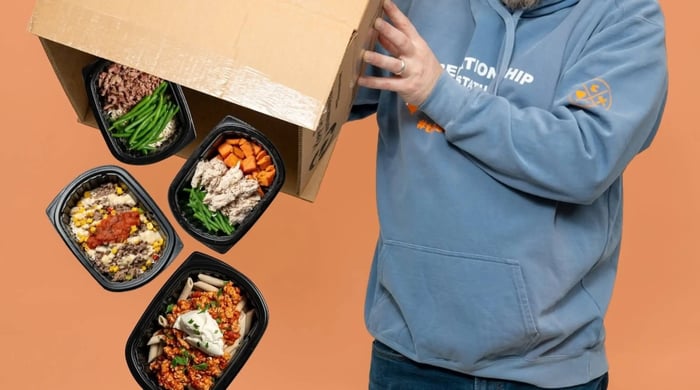
The single most important number on the label. Each meal should deliver at least 25 grams of protein, with 30 or more preferable. This ensures that three meals a day put a patient within reach of the 80-to-120-gram daily target even without snacking.Clean Eatz Kitchen, for example, designs its GLP-1 meal plan around an average of 30 grams of protein per serving at 300 to 500 calories, a macro profile that aligns with what healthcare providers generally recommend for patients preserving lean mass during medicated weight loss.
Calorie Range
Meals should fall in the 300-to-500-calorie range per serving. Lower than 300, and you're not getting enough nutrition per eating occasion. Higher than 500, and you risk triggering the nausea and discomfort that come from overtaxing a slowed digestive system. The calorie density matters as much as the total.
Micronutrient Diversity
A truly GLP-1-optimized meal program should include a variety of vegetables, whole grains, and lean proteins across its menu rotation. The nutrients of greatest concern for GLP-1 users, vitamin D, iron, calcium, magnesium, zinc, and B vitamins, come from dietary variety.
Portion Size and Digestibility
GLP-1 medications slow gastric emptying, which means food sits in the stomach longer. Meals need to be physically manageable. Heavily fried, greasy, or high-fat meals are far more likely to trigger nausea, vomiting, and digestive discomfort. Baked, grilled, or steamed preparations are better tolerated. Smaller physical portions with higher nutrient density outperform large-volume meals every time.
The Flexibility Problem: Why Subscriptions Don't Work for GLP-1 Users
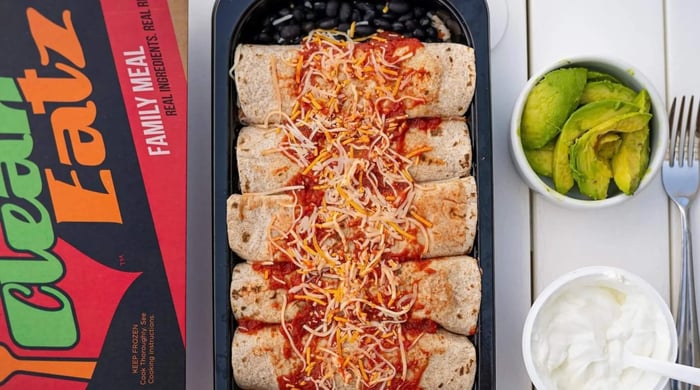
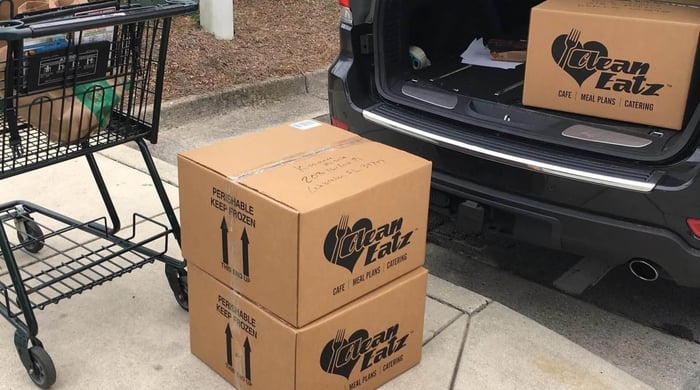
In the first weeks on the medication, many patients barely eat at all. As the body adjusts, appetite partially returns. This creates a fundamental mismatch with the standard meal delivery subscription model. A weekly box of seven fresh meals sounds great in theory. If nausea hits hard on Tuesday and appetite doesn't return until Thursday, three of those meals may end up in the trash. Frozen meal delivery solves this in a way that fresh delivery cannot. Meals that store for months in the freezer eliminate the pressure to eat on someone else's schedule. You heat a meal when you're actually hungry, not because it's about to expire. Clean Eatz Kitchen has leaned into this insight with asubscription-free, frozen-delivery model, a structural choice that reflects an understanding of how GLP-1 users actually eat.
The Exercise Equation: Why Nutrition and Training Must Work Together
No discussion of GLP-1 nutrition strategy is complete without addressing resistance training, because protein intake and strength training are synergistic in preserving lean mass. A case series followed three patients who combinedGLP-1 therapy with structured resistance training three to five days per week and protein intakes of 1.6 to 2.3 grams per kilogram per day. The results were striking: changes in lean soft tissue ranged from a loss of only 6.9 percent to an actual gain of 5.8 percent, far better than the 26-to-40-percent lean mass loss seen in clinical trials where exercise was not controlled.
Resistance training provides the mechanical stimulus that tells the body to preserve (or build) muscle tissue. Protein provides the raw material. Without adequate protein, even regular strength training cannot fully prevent lean mass erosion. Without strength training, even optimal protein intake is less effective. For meal delivery users, this means the 30-gram-per-meal protein target is not negotiable if you are also exercising. Combine adequate protein intake with both aerobic activity and structured resistance training as foundational strategies for GLP-1 patients.
Consuming a protein-rich meal within two hours of resistance training supports muscle protein synthesis more effectively than delaying intake. For GLP-1 users, this may mean planning your meal delivery around your training schedule, and eating a 30-gram-protein meal shortly after a workout, when appetite is often at its daily peak.
Managing Side Effects Through Strategic Eating
Medications that affect appetite and digestion often change how people experience hunger, fullness, and food tolerance. As a result, eating patterns may need to shift to maintain adequate nutrition while minimizing discomfort. Below are key strategies:
- Managing Nausea: This is one of the most common side effects and often appears during the first several weeks or after medication dose adjustments. Eating smaller meals throughout the day can help reduce stomach discomfort while maintaining a steady intake of nutrients. Foods that are mild in flavor but nutritionally balanced tend to be easier to tolerate during symptomatic periods. Avoiding high-fat or fried foods and eating slowly may also help prevent worsening symptoms, while ginger-based beverages or teas can provide additional digestive support.
- Supporting Hydration And Digestive Regularity: Reduced gastric activity can also dull thirst signals, which increases the risk of dehydration and constipation. Maintaining fluid intake throughout the day is therefore essential for digestive health. Many nutrition guidelines recommend aiming for roughly 80 to 100 ounces of fluids daily, depending on individual needs. In addition to beverages, meals with higher water content can contribute to overall hydration. Consistent fluid intake helps maintain normal digestive movement and may reduce discomfort associated with slowed digestion.
- Adjusting Meal Timing: Some individuals notice that nausea intensifies later in the day, making dinner less appealing or harder to tolerate. When this pattern occurs, shifting the majority of daily nutrition earlier can be helpful. Prioritizing protein and fiber during breakfast and lunch ensures that essential nutrients are consumed before symptoms increase. Dinner can then remain lighter and more flexible, focusing on easily digestible foods if appetite is limited.
Managing digestive side effects often requires a flexible and thoughtful approach to eating. By focusing on smaller meals, consistent hydration, and strategic meal timing, individuals can reduce discomfort while maintaining nutritional balance. These adjustments help support daily energy needs and make it easier to maintain healthy habits during periods when appetite and digestion fluctuate.
The GLP-1-friendly food market is growing fast. Households using GLP-1 medications already account for23 percent of all U.S. households and are projected to represent 35 percent of all food and beverage units sold by 2030. That kind of market pressure is driving innovation across the entire food industry, from restaurant menus to packaged goods to meal delivery. For meal delivery specifically, the next frontier is personalization. Meal plans that adapt not just to a patient's macro targets but also to their stage of treatment, current side-effect profile, and evolving appetite patterns. If you're on a GLP-1 medication, every meal needs to deliver at least 25 to 30 grams of protein. Your daily intake should be at least 80 to 120 grams. You need micronutrient diversity, not just macro compliance. You need a meal format that respects the unpredictability of your appetite. And you need to pair your nutrition with resistance training at least three days per week. Meal delivery won't do the work for you. But the right meal delivery plan can make the nutritional demands of GLP-1 therapy dramatically more manageable. When your appetite disappears, the worst thing you can do is leave your nutrition to chance.
Sources:
- Investigating nutrient intake during use of glucagon-like peptide-1 receptor agonist: a cross-sectional study — Frontiers in Nutrition (2025)
- Nutritional priorities to support GLP-1 therapy for obesity: a joint Advisory — The American Journal of Clinical Nutrition (2025)
- Micronutrient and Nutritional Deficiencies Associated With GLP-1 Receptor Agonist Therapy: A Narrative Review — Clinical Obesity (2026)
- Preservation of lean soft tissue during weight loss induced by GLP-1 and GLP-1/GIP receptor agonists: A case series — PMC
- Bridging the nutrition guidance gap for GLP-1 receptor agonist therapy assisted weight loss — International Journal of Obesity (2025)
- Dietary Recommendations for the Management of Gastrointestinal Symptoms in Patients Treated with GLP-1 Receptor Agonist — PMC
- Consuming more protein may protect patients taking anti-obesity drug from muscle loss — Endocrine Society (2025)
- GLP-1 users to make up 35% of food and beverage sales by 2030 — Food Dive
- GLP-1 Prediction for 2026: Smarter Portions Will Become Prevalent — The Food Institute
- Warning: Nutrition is vital when taking GLP-1 weight loss drugs — UCHealth Today
- GLP-1 ranks as No. 1 health trend for 2026 — Food Business News
- How GLP-1 Is Reshaping Restaurant Menus In 2026 — Tasting Table
Related Articles


Invalid password
Enter