
Quick Answer: WeightWatchers Points turn a food's whole nutrition profile into one number. Points are not calories — WW says the calculation factors in calories, protein, fibre, unsaturated fat, saturated fat and added sugars, with the first three tending to lower a value and the last two tending to raise it. You cannot work them out by hand, because WW keeps the formula proprietary: use the app's barcode scanner, calculator or recipe builder. WW also lists 350+ ZeroPoint foods that need no tracking in the standard program, though that list differs on the Diabetes and Menopause programs.
Table of Contents
How the Points System Works
The most common misunderstanding about WW is that Points are calories with extra steps. They are not, though calories are part of the calculation.
The point of Points, so to speak, is to compress a food's whole nutrition profile into one number you can actually use while standing in a supermarket aisle. Rather than tracking calories, fat, fibre and sugar separately, you get a single figure that already accounts for all of them.
Which is why two foods with the same calorie count can land in very different places. A 200-calorie snack built from refined flour, added sugar and saturated fat does not do the same thing for fullness or diet quality as 200 calories of lean protein and vegetables, and the number reflects that.
What moves a food's Points value
WW does not publish the underlying formula. What the company does say is which nutrients feed into it: calories, protein, fibre, unsaturated fat, saturated fat and added sugars.
Tending to raise a value: calories, saturated fat, and added sugars — the last meaning sugars added in processing or preparation rather than those occurring naturally in fruit or plain dairy.
Tending to lower it: protein, fibre, and unsaturated fat. WW distinguishes between fat types, so olive oil, avocado, nuts, seeds and oily fish are treated differently from the saturated kind.
The practical read is that the system nudges toward foods associated with fullness and diet quality, and away from the ones most dietary guidance says to limit. Our guide to dietary fiber covers why fibre earns its place in that list.
Points are a tool, not a verdict
A low-Point food is not automatically good and a high-Point food is not automatically bad. The number is information for a decision, not a moral score.
Nothing is off-limits. Desserts, restaurant meals, convenience food and whatever you actually like eating all fit — the question is only how they sit inside your Budget for the day and the week.
A food's Points vs. your Points Budget
Two different things, frequently confused.
A food's Points value comes from its nutrition profile and is the same for everyone. Your Points Budget is personalised — WW calculates it from your body, goals and program settings.
This is also the clearest reason third-party Points calculators disappoint. They might give you a plausible estimate, but they cannot know your current program, your serving size, or whether WW has revised the algorithm since the calculator was built. WW has changed the system several times, and plenty of what ranks online is still describing SmartPoints or PersonalPoints, neither of which is the current name.
How to Calculate Points
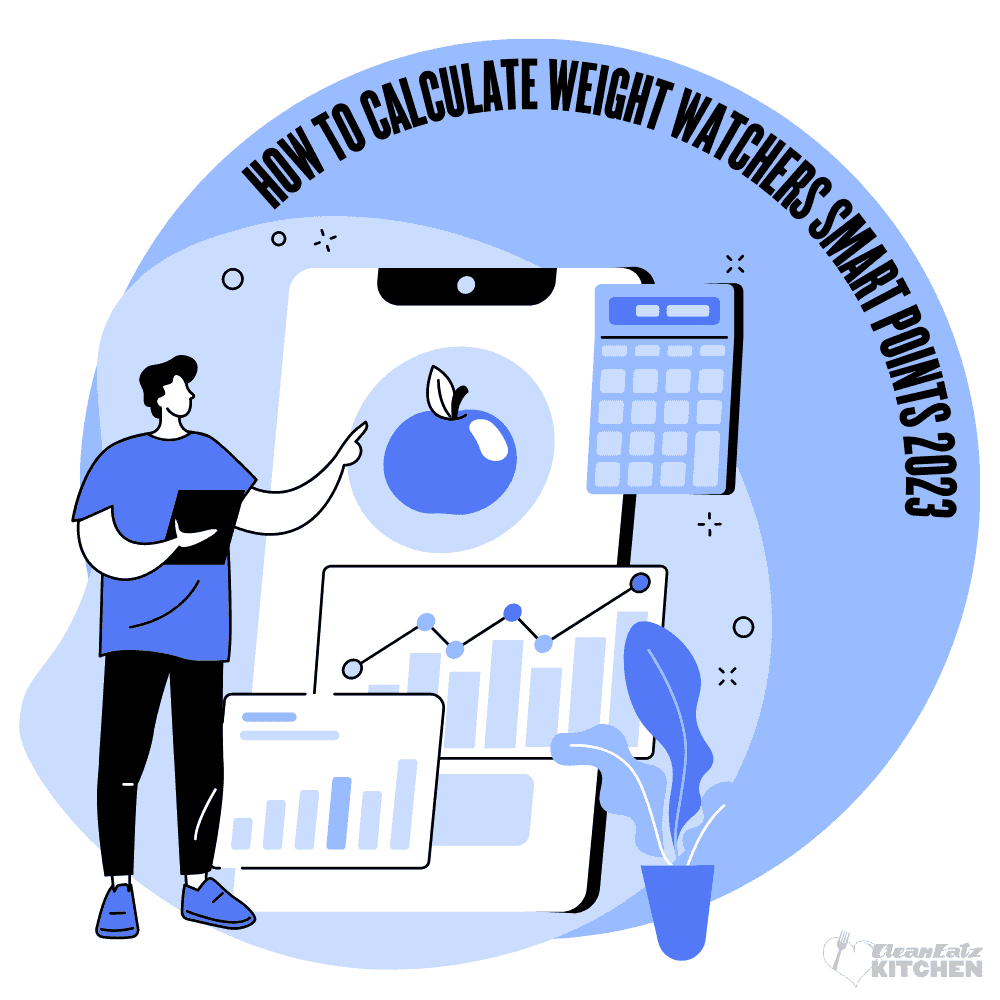
Short version: you do not calculate them, the app does. Because the formula is proprietary, your job is feeding it accurate information rather than doing arithmetic.
Packaged food. The barcode scanner is fastest. Scan, then check the entry actually matches what you are holding — flavour variants and package sizes differ, and manufacturers reformulate. Then adjust the serving size, which is where most tracking errors live. If a label covers one serving and you ate two, that is two.
Homemade food. Use the recipe builder rather than guessing. Enter each ingredient, the amount, and the number of servings. The ones people leave out are the ones that matter: oil, butter, cheese, nuts, seeds, sweeteners, dressings, sauces and anything the pan was greased with.
Food without a label. Restaurant meals, canteen food, someone else's cooking — use the database or Food Scanner and accept it as an estimate. Restaurant portions and preparation vary enormously, so pick the entry closest to what you were actually served rather than the most flattering one.
One label detail worth getting right: total sugars versus added sugars. Total includes what occurs naturally in the food. Added means sugar, syrup, honey, agave, molasses or juice concentrate put in during processing. US Nutrition Facts labels list them separately, and entering the wrong one will skew the value.
Preparation changes the answer too. A plain baked potato and a loaded one are not the same food nutritionally, and neither are grilled, roasted-with-skin, breaded and fried chicken. Match the database entry to how it was actually cooked.
Your Daily and Weekly Budget
Your Budget is what you have to spend, daily and weekly. WW personalises it using height, age, weight, sex and your goals, and it shifts over time as those change — which is a reason to keep your profile current rather than working from an old screenshot.
Two people eating identical meals will log identical food values and may still have quite different Budgets. That is the system working as designed, not an error.
Daily, weekly, and rollovers
Daily Points cover your regular eating and reset each day.
Weekly Points are the cushion — a separate pool for restaurant meals, social occasions, larger portions, or days you are simply hungrier. WW's framing is that they exist to add flexibility rather than to be a failure state, and that is worth taking at face value. Using them is not falling off the plan.
Rollovers move up to 4 unused Daily Points into your Weekly Budget. WW says this happens automatically unless you turn it off in the app.
Depending on your program and settings, logged activity may also add to the weekly pool.
Do you have to use them all?
No. If you are satisfied before the Budget runs out, you do not need to eat to a number.
Consistently eating well below it is worth noticing, though. Going too low tends to leave you hungry enough that the plan stops being sustainable, and it usually costs you diet quality on the way. The more useful target is meals with enough protein and fibre to actually hold you, with room left for something you enjoy.
ZeroPoint Foods
The single most common confusion: ZeroPoint foods are not calorie-free. They contain calories, carbohydrate, protein and fat like anything else. WW assigns them zero because they are nutrient-dense enough to serve as the base of meals, and because removing the tracking friction from them makes the whole system easier to stick with.
WW expanded the list in late 2024, adding more than 150 foods to reach 350+ ZeroPoint foods in the standard program. Broadly, it covers:
Beans, peas and lentils. Skinless chicken and turkey. Corn, hominy and air-popped popcorn. Eggs, whole or separated. Most plain fish and shellfish. Most fruit and non-starchy vegetables. Certain lean cuts of beef, pork, bison, lamb and venison. Plain oats in all their forms. Plain potatoes, sweet potatoes and other starchy vegetables. Tofu and tempeh. And plain nonfat yogurt and cottage cheese.
The list is not universal. WW states that members on the Diabetes Program have a different ZeroPoint list, so some foods that are free in the standard program are not there. Check your own app rather than a printable someone posted online.
Preparation is the whole catch
ZeroPoint foods stay at zero only while they resemble their original nutrition profile. Add oil, butter, dressing, sauce, sugar, cheese or breading and those additions get tracked. A plain baked potato is zero in the standard program; a potato with butter, sour cream, cheese and bacon is not.
Can you overeat them?
Technically yes — zero Points is not zero calories. WW's own guidance is to eat them in your usual portion sizes: if two eggs is your normal breakfast, have two.
If progress stalls while you are eating a lot of ZeroPoint food, the things worth examining are portions, cooking fats, toppings and snacking frequency rather than the foods themselves.
Meal Planning with Points
The practical pattern that most people land on: build the meal from ZeroPoint foods, then spend Points on what makes it worth eating.
Eggs, vegetables, beans, skinless chicken, fish, tofu, plain yogurt, fruit and potatoes form the base. The tracked additions are the oil, avocado, cheese, bread, tortillas, rice, pasta, sauces, dressings and dessert — which is to say, most of the flavour.
You also do not need to spread Points evenly across the day. Some people do better with a light breakfast and a substantial dinner; others need a real lunch. Spend them where they do the most for you: a sauce you love, a proper side, a restaurant meal, a dessert worth the number.
Prepped components make this easier than prepped meals do — lean protein, roasted vegetables, beans, grains and fruit ready to assemble, with the higher-Point additions measured at the point of eating. Our complete meal prep guide covers building that system, and the meal planning guide covers goal-setting and portions around any tracking method.
Prepared meals fit the program perfectly well, with one requirement: you need the nutrition numbers to enter. Every meal on our menu lists calories, protein, carbohydrate, fat and fibre on the nutrition information page, so you can put the figures into the app and get the current value for your own program — which is more than most restaurant meals will give you. If you want to pick meals around a particular macro target, Build a Meal Plan filters the full menu, and the curated plans cover it if you would rather not choose.
Common Tracking Mistakes
Guessing portions. Pasta, rice, nuts, granola, cheese and oil are all routinely under-served in the imagination and over-served on the plate. Weigh the calorie-dense ones while you are learning; you can stop once your eye is calibrated.
Not tracking drinks. Coffee drinks, juice, alcohol, smoothies and sweet tea all carry Points and all get forgotten. Track them like food.
Using outdated values. Old books, screenshots, printables and blog posts may be describing a version of the program that no longer exists. Two algorithm names have been retired. The app is the source of truth.
Beyond those: forgetting that cooking method changes the value, so match the database entry to how the food was actually prepared. Letting your profile go stale, so the Budget no longer matches your current weight or goals. And treating ZeroPoint foods as unlimited, which is the failure mode the whole category invites.
The last one is subtler — using the Budget as a test rather than a guide. Eating far below it leaves you hungry; eating all of it when you are already satisfied is not required. It is scaffolding, not a score.
What a Day Looks Like
Illustrative only — confirm actual values in your own app, since they move with brand, portion, preparation and program.
A home-cooked day. Veggie scramble with peppers, onion and spinach, fruit, and a slice of whole-grain toast; track the oil, cheese and toast. Grilled chicken salad at lunch with a measured dressing. Plain nonfat Greek yogurt with berries in the afternoon, tracking any honey, granola or nut butter. Baked salmon with roasted vegetables and a measured starch for dinner, tracking the cooking oil and any sauce.
A more convenient day. A smoothie with fruit, spinach, yogurt and measured nut butter. A prepared meal at lunch with the nutrition entered from the label, plus a side salad. Air-popped popcorn or a protein bar mid-afternoon, checked in the app because brands vary wildly. A restaurant dinner — grilled protein, vegetables, a dressing, and a drink or dessert if the Weekly Points are there.
Neither day requires plain chicken and steamed broccoli. The pattern that works is ZeroPoint foods as the foundation, honest tracking of everything with a value, and the app rather than a memory of what something used to cost.
Frequently Asked Questions
How do I calculate WeightWatchers Points?
You do not calculate them by hand. WW does not publish its formula, so the accurate route is the official app: scan a barcode for packaged food, enter label values into the calculator, or use the recipe builder for anything homemade. Serving size is the variable that most often makes a tracked number wrong.
Can I calculate Points without the WW app?
You can estimate, but third-party calculators are unreliable here. WW keeps the formula proprietary and has changed it several times, so an online calculator may be running an old version, missing recent food database updates, or ignoring which WW program you are on. Treat any non-app number as an approximation.
What makes one food worth more Points than another?
WW says the calculation takes in calories, protein, fibre, unsaturated fat, saturated fat and added sugars. Protein, fibre and unsaturated fat tend to lower a value; saturated fat and added sugars tend to raise it. That is why two foods with the same calories can differ — Points are meant to reflect nutritional quality, not energy alone.
How do I calculate Points for homemade recipes?
Use the recipe builder in the app. Enter every ingredient, the amount used, and how many servings it makes, and it returns a per-serving value. The ingredients people forget are the ones carrying most of the Points: cooking oil, butter, cheese, nuts, dressings, sauces and sweeteners.
Do I have to eat all my Daily Points?
No. The Budget is a guide, not a target you have to hit. If you are satisfied, you do not need to eat more to reach a number. Consistently eating well under it is worth watching though, since that tends to make the plan harder to sustain rather than faster.
What happens to unused Points?
Daily Points reset each day. WW's rollover feature moves up to 4 unused Daily Points into your Weekly Budget, which happens automatically unless you switch it off in the app. Weekly Points reset at the end of your tracking week.
Are ZeroPoint foods calorie-free?
No, and this is the most common misunderstanding about the program. ZeroPoint foods contain calories like anything else. WW assigns them zero because they are nutrient-dense enough to build meals around, and removing the tracking friction makes the plan easier to keep up. Portion awareness still applies.
How do I handle alcohol on WeightWatchers?
Alcohol carries Points, and the value moves a lot with the drink, the pour and any mixers. Check it in the app before you order rather than after, and use Weekly Points if you want the room. Drinks are one of the two things people most often forget to track, alongside cooking fats.
What if I go over my Points Budget?
One heavier day does not undo anything. Return to your usual pattern at the next meal. If it is happening regularly, the useful things to look at are protein and fibre at meals, meal timing, snacks, alcohol, and whether your Budget still matches your current weight and goals.
Is the Points system the same for everyone?
A food's Points value is the same for everyone because it comes from the nutrition profile. Your Budget is not — WW personalises it to your height, age, weight, sex and goals. The ZeroPoint list also differs by program, and WW notes that members on the Diabetes Program have a different one.
The Bottom Line
Points exist to make tracking survivable. One number instead of five, with the nutritional judgement already applied.
Four things get you most of the value. Use the app rather than a calculator you found — the formula is proprietary and it has changed. Build meals from ZeroPoint foods and spend your Budget on what makes them enjoyable. Track the small additions, because cooking oil, dressings, sauces, alcohol and sweetened drinks are where a day quietly doubles. And keep your profile current so the Budget matches the person using it.
The thing not to do is treat it as a test with a passing grade. Weekly Points are part of the design. A heavier day is a heavier day, not a failure, and the pattern across a month decides the outcome rather than any single log.
If prepared meals would make the tracking easier, ours list full nutrition on the menu, which is the information the app needs.
Disclaimer: This content is for educational purposes only and does not replace personalised professional advice. WeightWatchers, WW, Points and ZeroPoint are trademarks of WW International, Inc. Clean Eatz Kitchen is not affiliated with WW International. Program details change — confirm current values in the official WW app.
References
- WeightWatchers. What are Points — and how do they work? Updated January 23, 2026.
- WeightWatchers. ZeroPoint foods: 350+ foods you'll love eating.
- WeightWatchers. Meet the ZeroPoint foods. Updated September 7, 2025.
- WeightWatchers. WeightWatchers Unveils Next-Gen Program With AI-Powered App Features. Published December 10, 2024.
- U.S. Food and Drug Administration. Added Sugars on the Nutrition Facts Label.
- Miketinas DC, et al. Fiber intake predicts weight loss and dietary adherence in adults consuming calorie-restricted diets: the POUNDS Lost study. J Nutr. 2019;149(10):1742-1748.