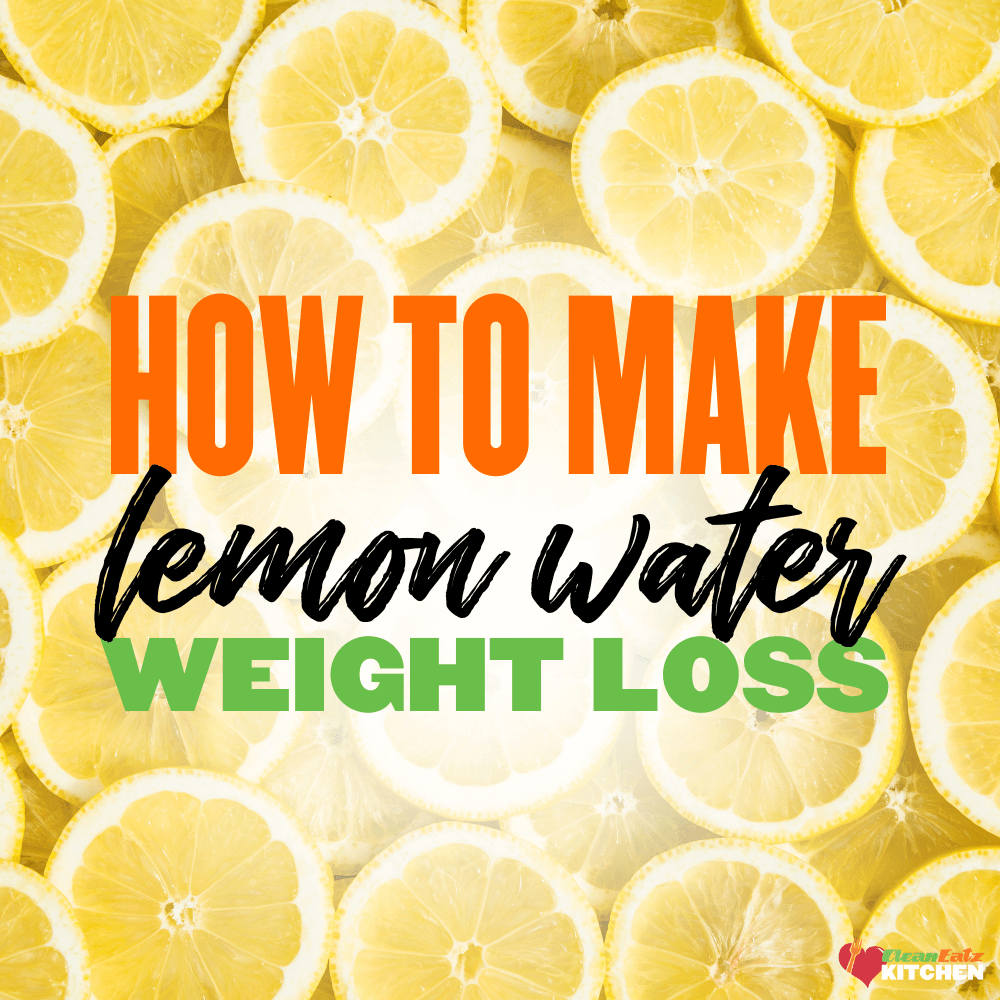

Quick Answer: Squeeze 1–2 tablespoons of fresh lemon juice (about half a lemon) into 12–16 oz of cold or warm water. Lemon water doesn’t burn fat. It helps with weight loss in two plain ways: it can replace a sugary drink, and it makes water easier to keep drinking. A glass has about 5–10 calories.
Lemon water has a reputation it can’t live up to: detox, fat-flushing, metabolism boosting. None of that holds up. What it can do is smaller and real. A 12-ounce cola has about 140 calories and a cup of orange juice about 110, while a glass of lemon water has under 10. If a lemon makes water appealing enough to replace one of those every day, the math works in your favor.
Below is the recipe, what the research on water and weight says, and what to realistically expect after a week, two weeks, or a month.
The Basic Recipe
Yield: 1 serving (12–16 oz) | Prep time: 2 minutes | Calories: about 5–10 per glass
Ingredients
- 12–16 oz water (cold, room temperature, or warm)
- ½–1 fresh lemon (about 1–2 tablespoons of juice)
- A few thin lemon slices (optional; they keep infusing as you drink)
- Ice cubes (if you want it cold)
- A pinch of sea salt (optional; it softens the tartness)
Directions
- Roll the lemon on the counter with firm pressure for about 10 seconds. It breaks down the membranes inside and makes juicing easier.
- Slice it in half and squeeze 1–2 tablespoons into your glass. A fork works if you don’t have a citrus squeezer.
- Add 12–16 oz of water. Sixteen is a good default for your first drink of the day.
- Add slices and ice if you want them.
- Taste and adjust. Too tart, add more water. Too flat, add more juice or let the slices sit for 10–30 minutes.
Per the USDA FoodData Central entry for raw lemon juice, a tablespoon has about 3 calories and 6 mg of vitamin C. Two tablespoons cover roughly 13% of the daily value for vitamin C, which is the main nutrient the lemon adds.
How Lemon Water Helps With Weight Loss
There are two mechanisms, and the lemon is a supporting player in both. The water and the drink it replaces do most of the work.
It Replaces Drinks With Calories
Swap one 140-calorie soda a day for lemon water and you skip about 4,200 calories over a month without changing anything on your plate. The old rule of thumb calls that more than a pound. Real-world loss runs slower, because the body burns less as it gets lighter; a 2011 analysis in The Lancet showed the 3,500-calories-per-pound rule overstates long-term results. The direction still holds, and drink swaps are among the easiest calorie cuts to keep.
The research on water backs this up. A 2025 review in Physiology & Behavior by Brenda Davy and colleagues pulled together the evidence: replacing one daily serving of a sugar-sweetened drink with a cup of water was associated with about half a kilogram less weight gain over four years.
Water Before Meals Takes the Edge Off Hunger
The same review describes trials in which middle-aged and older adults drank 500 ml of water (about 17 oz) before meals. They reported less hunger, ate less at that meal, and in a 12-week version lost more weight than the comparison group. Younger adults showed a weaker effect.
Nothing in the lemon changes that biology. Its job is to make the water taste like something, so the glass actually gets poured.
What to Expect After 7, 14, or 30 Days
Search "lemon water challenge" and you’ll find promises of visible results in a week. Here’s a more honest timeline.
After a week, any drop on the scale is mostly water and food volume, not fat. The useful sign is behavioral: did the morning glass replace a soda, juice, or sweet coffee drink?
After two weeks, a "14-day lemon water diet" works only to the extent the rest of the diet changes. If you replaced one sugary drink a day, you’ve skipped roughly 2,000 calories. That can show up as a small trend, not a transformation.
After 30 days, steady swaps can add up to a pound or so. Our guide to how long it takes to notice weight loss covers why the scale and the mirror often lag behind.
Does Lemon Water Help With Belly Fat?
Not directly. No drink targets fat in one area. Belly fat comes down the same way fat everywhere else does, through a sustained calorie deficit, with protein, sleep, and activity doing the heavy lifting. Lemon water can be one small piece of that deficit. Our guide to slimming your waist and losing belly fat covers what moves the number.
Making It a Habit That Sticks
Drink it first thing, before coffee and breakfast. The timing isn’t magic; anything pushed to mid-morning tends to get skipped. Room temperature or warm water sits better for some people first thing, though cold is fine.
Prep in bulk. Juice a bag of lemons at once and freeze the juice in an ice cube tray. A standard cube holds about 1–2 tablespoons, so the morning glass takes ten seconds.
If plain lemon gets boring, the variations are still close to calorie-free: a few slices of fresh ginger, four or five slices of cucumber, a few muddled mint leaves, or half lemon and half lime.
Pair it with a breakfast that holds you until lunch. Lemon water plus a high-protein breakfast does more for your appetite by 11 a.m. than lemon water alone.
Protect Your Teeth
Lemon juice is acidic, and acid softens enamel. The American Dental Association recommends drinking acidic beverages through a straw, rinsing with water afterward, and waiting an hour before brushing so saliva can re-harden the enamel. The ADA goes further than most lemon water articles: it suggests treating citrus drinks as an occasional choice rather than a daily habit. If you drink lemon water every day, keep it to a glass or two and use the straw.
Mistakes That Cancel Out the Benefit
Adding sweetener is the most common one. Honey, agave, and sugar put calories back into a drink you chose to avoid calories. If it’s too tart, dilute it.
Skip the baking soda trend. One teaspoon of baking soda carries about 1,260 mg of sodium, more than half the 2,300 mg daily value, and there’s no evidence it helps with weight loss.
Use warm water rather than boiling. Vitamin C breaks down with heat, and it’s the main nutrient the lemon contributes.
Bottled lemon juice is fine if it’s what gets you drinking it. It tastes flatter than fresh, but bottled lemon water still beats a soda.
The biggest mistake is expecting the drink to do the work. If portions are the part that keeps slipping, our Weight Loss Meal Plan handles it with portion-controlled meals, and you can check the macros for every meal on our Nutrition Info page. To pick your own, filter Build-a-Meal Plan by "Weight Loss."
The Bottom Line
Lemon water won’t melt fat, and anyone promising that is selling something. It is a cheap, nearly calorie-free way to drink more water and fewer calories. Start with one glass in the morning for two weeks, and pay attention to what it replaced. That swap is where the results come from.
Frequently Asked Questions
Does lemon water burn fat?
No. Lemon water doesn’t burn fat directly. It supports weight loss when it replaces drinks with calories, such as a 140-calorie soda, and when it helps you drink more water before meals.
How much lemon water should I drink per day for weight loss?
One to two glasses of 12 to 16 oz is plenty. Drinking more brings no extra benefit, and the acid is harder on tooth enamel the more often you sip it. Drink plain water the rest of the day.
When is the best time to drink lemon water for weight loss?
Whenever you will drink it consistently. First thing in the morning works well because it’s easy to remember, and a glass before meals may take the edge off hunger.
Can I use bottled lemon juice instead of fresh lemons?
Yes. Fresh tastes better, but bottled lemon water is still a better choice than a sugary drink. For convenience, juice fresh lemons in bulk and freeze the juice in ice cube trays.
Will lemon water damage my teeth?
It can wear enamel with frequent sipping because lemon juice is acidic. The American Dental Association recommends using a straw, rinsing with plain water afterward, and waiting an hour before brushing.
Related reads: How Much Water Should You Drink a Day? | Diet Soda for Weight Loss | 100 Best Foods for Weight Loss
This article is for informational purposes only and is not medical advice. Talk to your doctor or a registered dietitian before making significant changes to your diet, especially if you have reflux, other digestive issues, or dental concerns.