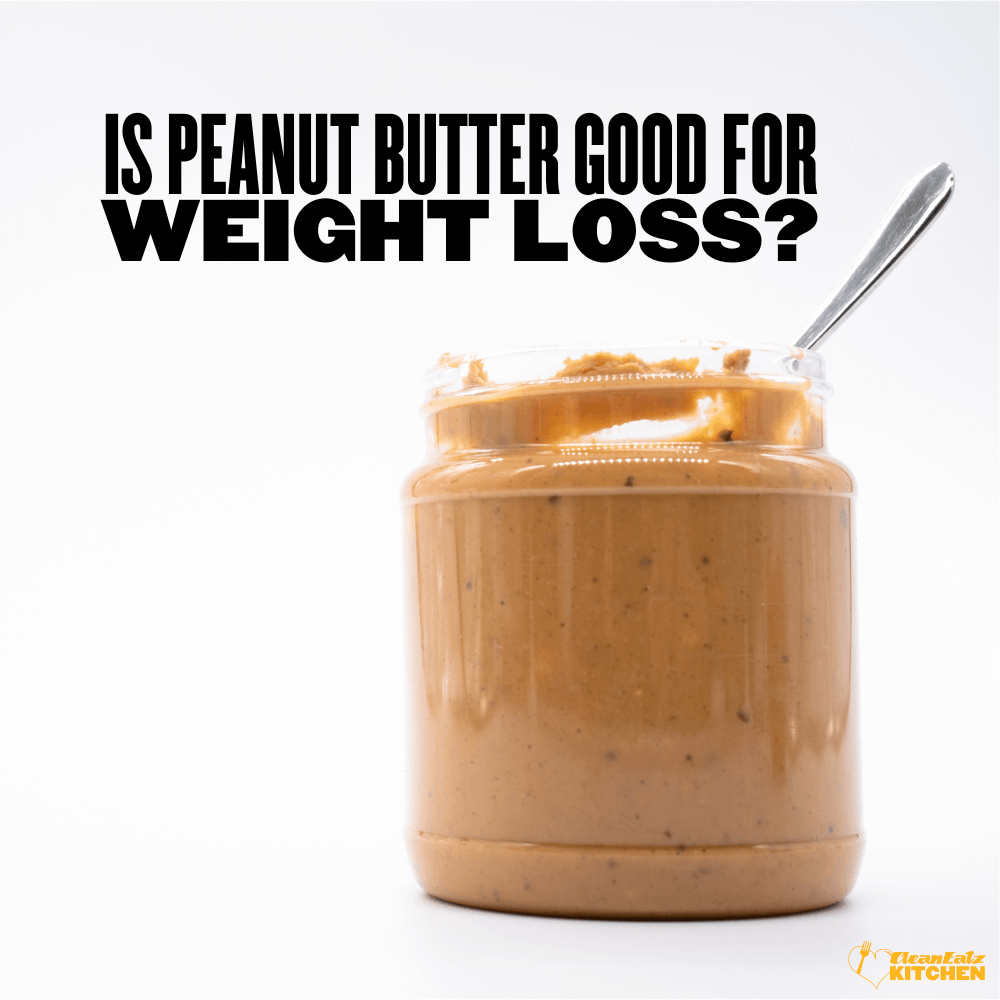

Quick Answer: Yes, peanut butter can be excellent for weight loss—but only if you measure it. At about 95 calories per tablespoon, it's calorie-dense, but its combination of 8g protein, 2g fiber, and 16g healthy fats per 2-tablespoon serving makes it remarkably filling. Research shows peanut butter satisfies hunger 5x longer than high-carb snacks and people naturally compensate for about 75% of peanut calories. The key: measure with a tablespoon (not a spoon from the drawer), stick to 1-2 tablespoons per serving, and pair with protein and fiber-rich foods.
Table of Contents
- The Peanut Butter Paradox: How a High-Calorie Food Helps Weight Loss
- Why Peanut Butter Actually Works for Weight Loss
- Complete Nutrition Breakdown
- Natural vs. Regular Peanut Butter: What Actually Matters
- Powdered Peanut Butter: When It Makes Sense
- The Portion Problem (And How to Solve It)
- Best Times to Eat Peanut Butter for Weight Loss
- 5 Weight-Loss-Friendly Peanut Butter Meals
- How to Read Peanut Butter Labels Like a Pro
- 7 Common Peanut Butter Mistakes Sabotaging Your Progress
- Frequently Asked Questions
- The Bottom Line
The Peanut Butter Paradox: How a High-Calorie Food Helps Weight Loss
I'll never forget the look on a client's face when I told her she could keep eating peanut butter while losing weight. She'd been avoiding it for months, convinced that something so delicious and calorie-dense must be "bad" for weight loss. Two months later, she was down 12 pounds—and eating peanut butter nearly every day.
Here's the thing most people get wrong about peanut butter: they focus on what it contains (a lot of calories) instead of what it does (keeps you full for hours). And that distinction is everything.
For decades, peanut butter was blacklisted by dieters. Too much fat. Too many calories. Too easy to overeat. And those concerns aren't completely unfounded—if you're scooping it straight from the jar with a tablespoon the size of a shovel, you're probably not doing yourself any favors.
But the research tells a different story. Study after study shows that people who regularly eat peanut butter and peanuts don't gain weight—and often lose it more successfully than those who avoid nuts entirely. The secret isn't in the peanut butter itself. It's in how your body responds to it.
This guide will teach you everything you need to know about making peanut butter work for weight loss: the science behind why it's so filling, how to choose the right type, exactly how much to eat, and the sneaky mistakes that turn this weight-loss ally into a calorie bomb. For a complete look at the best foods for your goals, check out our 100 Best Foods for Weight Loss.
Why Peanut Butter Actually Works for Weight Loss
Let's get into the science—because understanding why peanut butter helps will make you more confident about including it in your plan.
The Satiety Trifecta: Protein + Fat + Fiber
Peanut butter contains the holy trinity of satiety: protein (8g per 2 tablespoons), healthy fats (16g), and fiber (2g). This combination slows digestion, keeps blood sugar stable, and signals your brain that you're satisfied.
Research from Purdue University found that peanuts and peanut butter satisfy hunger up to 5 times longer than high-carb snacks like rice cakes. Think about that: a tablespoon of peanut butter on an apple will keep you satisfied for hours, while a handful of pretzels has you rummaging through the pantry 30 minutes later.
The Hormone Effect: Peptide YY and Appetite Suppression
Here's where it gets really interesting. A study found that including peanut butter or peanuts with breakfast increased secretion of peptide YY—a hormone that promotes fullness and satiety. Participants reported a decreased desire to eat for 8 to 12 hours afterward.
That's not a typo. Eating peanut butter at breakfast can influence your appetite all the way through dinner. This is why timing matters, and we'll get into that shortly.
Natural Calorie Compensation
One of the most fascinating findings about nut consumption is that people naturally compensate for most of the calories. Research shows that when people add peanuts to their diet, they don't simply add those calories on top of everything else—they naturally eat less at other meals.
Studies indicate people compensate for up to three-quarters of the calories consumed from peanuts. So if you eat 200 calories of peanut butter, you'll likely eat about 150 fewer calories elsewhere throughout the day without even trying.
The Compliance Factor
Weight loss diets fail for one main reason: people can't stick to them. And they can't stick to them because they feel deprived.
A Harvard-supervised study compared a moderate-fat diet (which included peanuts and peanut butter) to a traditional low-fat diet. The results? Three times as many people stuck with the peanut butter-inclusive diet at 18 months. Even better, those on the moderate-fat diet maintained their weight loss, while the low-fat group regained weight.
When your diet includes foods you actually enjoy, you're far more likely to maintain it long-term. Peanut butter is one of those foods that makes "dieting" feel less like deprivation and more like... just eating well.
Complete Nutrition Breakdown
Let's look at exactly what you're getting in that jar—because not all peanut butters are created equal.
Standard Peanut Butter (2 tablespoons / 32g)
| Nutrient | Amount | % Daily Value |
|---|---|---|
| Calories | 188-200 | ~10% |
| Protein | 7-8g | 14-16% |
| Total Fat | 16g | 20% |
| Saturated Fat | 3g | 15% |
| Monounsaturated Fat | 8g | — |
| Carbohydrates | 6-7g | 2% |
| Fiber | 2g | 7% |
| Sugar | 1-3g | — |
| Vitamin E | 2.9mg | 19% |
| Niacin (B3) | 4.2mg | 26% |
| Magnesium | 49mg | 12% |
Key takeaway: Peanut butter is primarily a fat source with moderate protein. Don't think of it as a protein powerhouse—think of it as a satisfying, nutrient-rich fat that happens to come with some protein as a bonus.
Glycemic Index: Why Blood Sugar Stays Stable
Peanut butter has a glycemic index of just 14—extremely low. This means it won't spike your blood sugar and cause the energy crashes that lead to cravings. When you pair peanut butter with higher-carb foods (like whole-grain toast or an apple), it actually slows down the absorption of those carbs, keeping your energy steady.
Natural vs. Regular Peanut Butter: What Actually Matters
Walk down the peanut butter aisle and you'll see everything from "natural" to "reduced fat" to chocolate-swirled varieties. Let's cut through the confusion.
Comparison Table
| Feature | Natural Peanut Butter | Regular Peanut Butter |
|---|---|---|
| Ingredients | Peanuts, salt | Peanuts, sugar, hydrogenated oils, salt |
| Calories (2 Tbsp) | 190 | 190 |
| Protein | 8g | 7g |
| Fat | 16g | 16g |
| Sugar | 1g | 2-3g |
| Fiber | 3g | 2g |
| Texture | Oil separates on top; requires stirring | Uniform, creamy, no stirring needed |
| Best For | Purists who want minimal processing | Convenience and consistent texture |
The Honest Truth
Here's what most articles won't tell you: the difference between natural and regular peanut butter is pretty small for weight loss purposes. Yes, natural is slightly "cleaner" with fewer ingredients. Yes, regular may have 1-2 extra grams of sugar. But we're talking about tiny differences.
The bigger factor is choosing a peanut butter you'll actually enjoy eating in measured portions. If you hate the texture of natural peanut butter and end up eating more of the regular kind because it's more satisfying, you haven't gained anything.
That said, here's what to avoid:
- Reduced-fat peanut butter: They remove healthy fats and replace them with sugar and fillers. You end up with more carbs and less satiety.
- Flavored varieties: Chocolate, honey-roasted, and similar options can add 2-4g of sugar per serving.
- Peanut butter "spreads": These contain less than 90% peanuts and more fillers.
Powdered Peanut Butter: When It Makes Sense
Powdered peanut butter (like PB2) has gained massive popularity among calorie-conscious eaters. But is it actually better for weight loss?
The Numbers
| Measure (2 Tbsp) | Regular PB | Powdered PB |
|---|---|---|
| Calories | 190 | 50-60 |
| Protein | 8g | 5-6g |
| Fat | 16g | 1.5g |
| Fiber | 2g | 2g |
| Sugar | 1-2g | 1-2g |
When Powdered Makes Sense
- Smoothies: Mixes beautifully without the thickness of regular PB
- Oatmeal: Stir into our Overnight Oats for peanut flavor without the calorie density
- Baking: Adds peanut flavor to protein muffins and pancakes
- Sauces: Creates lighter Thai-style peanut sauces
- Severe calorie restriction: When every calorie matters
When Regular PB Is Better
- Satiety: The fats in regular peanut butter keep you fuller longer
- Nutrient absorption: Healthy fats help absorb vitamins A, D, E, and K
- Heart health: You miss out on beneficial monounsaturated fats with powdered
- Flavor: Regular PB tastes richer and more satisfying
Bottom line: Use powdered PB as a tool for specific applications, not as a complete replacement. The healthy fats in regular peanut butter provide benefits that go beyond just calories.
The Portion Problem (And How to Solve It)
Let's be honest: peanut butter is probably the most over-portioned food in America. What most people think is "a tablespoon" is usually closer to three.
Visual Portion Guide
- 1 tablespoon: About the size of your thumb from tip to first knuckle (~95 calories)
- 2 tablespoons: A standard serving, about the size of a golf ball (~190 calories)
- "What you probably scoop": 3-4 tablespoons (~285-380 calories)
Practical Portion Control Tips
1. Use an actual measuring spoon. Not a regular spoon from your drawer—a measuring tablespoon. Level it off. This alone can save you 100+ calories per serving.
2. Pre-portion your week. Take 10 minutes on Sunday to portion peanut butter into small containers. When you're hungry, grab one instead of dipping into the jar.
3. Never eat from the jar. Put your portion on a plate or in a bowl. When it's gone, you're done. The jar is a bottomless pit of temptation.
4. Try the "one-tablespoon rule." Start with 1 tablespoon. If you're still hungry 20 minutes later, consider having another. Often, you won't need it.
5. Buy individual packets. Justin's and other brands sell single-serve packets. They're more expensive per ounce but can be worth it for portion control.
Best Times to Eat Peanut Butter for Weight Loss
When you eat peanut butter can be as important as how much you eat.
Best Times
Breakfast (7-9 AM): Research shows peanut butter at breakfast reduces appetite for 8-12 hours by stimulating peptide YY release. Add it to your oatmeal, toast, or smoothie to start the day satisfied.
Mid-morning snack (10-11 AM): If you're hungry between breakfast and lunch, a tablespoon of PB with apple slices prevents the "starving by lunchtime" feeling that leads to overeating.
Pre-workout (1-2 hours before): The combination of protein, fat, and carbs provides sustained energy. Pair with a banana or toast.
Afternoon snack (3-4 PM): Combat the afternoon energy slump and prevent dinner-time ravenousness. Check out our 29 Healthy Snacks for Weight Loss for more ideas.
Times to Be Careful
Late night: Eating peanut butter after 8 PM isn't inherently bad, but this is when mindless eating typically happens. If you're going to have it at night, pre-portion it first.
Post-workout (immediately after): Your body needs fast-digesting protein and carbs after training. Peanut butter digests slowly, which isn't ideal for immediate recovery. Save it for an hour or two later.
5 Weight-Loss-Friendly Peanut Butter Meals
Here are practical, calorie-counted ways to include peanut butter in your weight loss plan. For more ideas, explore our Complete Meal Prep Guide.
1. PB Power Oatmeal (~350 calories, 18g protein)
- 1/2 cup rolled oats (cooked)
- 1 tablespoon natural peanut butter
- 1/2 cup Greek yogurt
- 1/2 banana, sliced
- Cinnamon to taste
Prep tip: Make it overnight with our Overnight Oats for grab-and-go convenience.
2. Apple PB Protein Snack (~220 calories, 15g protein)
- 1 medium apple, sliced
- 1 tablespoon peanut butter
- 3/4 cup Greek yogurt
- Drizzle of honey (optional, adds ~20 cal)
3. Peanut Butter Banana Toast (~280 calories, 12g protein)
- 1 slice whole-grain bread
- 1.5 tablespoons peanut butter
- 1/2 banana, sliced
- Sprinkle of cinnamon
- 1/2 scoop protein powder in coffee on the side (optional, +50 cal, +10g protein)
4. PB Chocolate Protein Smoothie (~300 calories, 32g protein)
- 1 cup unsweetened almond milk
- 1 scoop chocolate protein powder
- 1 tablespoon peanut butter (or 2 Tbsp powdered PB)
- 1/2 frozen banana
- Handful of ice
- 1 tablespoon cocoa powder (optional)
5. Thai Peanut Chicken Bowl (~420 calories, 38g protein)
- 4 oz grilled chicken breast
- 1 cup mixed vegetables (broccoli, bell peppers, snap peas)
- 1/2 cup brown rice
- Peanut sauce: 1 Tbsp peanut butter + 1 Tbsp low-sodium soy sauce + splash of lime juice + sriracha
Short on time? Our Weight Loss Meal Plan includes protein-forward, portion-controlled meals delivered to your door.
How to Read Peanut Butter Labels Like a Pro
When you're at the store, here's exactly what to look for:
The Ingredient List
Ideal: "Peanuts" or "Peanuts, salt"—that's it.
Acceptable: Peanuts, salt, and maybe palm oil (for texture, though natural is better).
Avoid: Hydrogenated vegetable oils, high fructose corn syrup, excessive sugars listed in the first few ingredients.
The Nutrition Facts
Check these numbers per 2-tablespoon serving:
- Sugar: Aim for 3g or less. Some natural PBs have just 1g.
- Sodium: 100-150mg is normal. Low-sodium options exist if needed.
- Protein: Should be 7-8g. If it's lower, the product may contain more fillers.
- Fiber: 2-3g is standard. Higher is better.
Marketing Terms Decoded
- "Natural": FDA requires at least 90% peanuts. Still check ingredients—some add palm oil.
- "No-stir": Usually means palm oil is added. Not terrible, but not as "natural" as the jar implies.
- "Reduced fat": Skip it. They remove healthy fats and add sugar.
- "Organic": Organic peanuts, but nutritionally similar to conventional.
- "Light": 25% fewer calories, usually from removing fat and adding fillers. Not recommended.
7 Common Peanut Butter Mistakes Sabotaging Your Progress
Mistake #1: Eyeballing Portions
Why it matters: Studies show people underestimate calorie-dense foods by 50% or more. That "tablespoon" you're scooping is probably 3 tablespoons (285 calories instead of 95).
Fix: Use an actual measuring spoon for at least a week until you can eyeball accurately.
Mistake #2: Eating Directly From the Jar
Why it matters: There's no natural stopping point when you're dipping into a jar. "Just one more bite" turns into 400 extra calories.
Fix: Always portion onto a plate or into a container first.
Mistake #3: Treating It as a Protein Source
Why it matters: To get 30g of protein from peanut butter, you'd need to eat about 8 tablespoons—that's 760 calories. Peanut butter is a fat source with some protein, not a protein source.
Fix: Pair peanut butter with actual protein sources like Greek yogurt, eggs, or chicken.
Mistake #4: Pairing With High-Sugar Foods
Why it matters: Peanut butter + jelly + white bread = calorie bomb with minimal satiety. The sugar spikes blood sugar and triggers cravings.
Fix: Pair with fiber-rich foods: apples, celery, whole-grain bread, or low-sugar options.
Mistake #5: Choosing Reduced-Fat Versions
Why it matters: Reduced-fat peanut butter replaces healthy fats with sugar and fillers. You end up less satisfied and often eat more.
Fix: Stick with regular or natural peanut butter. The fats are the good stuff.
Mistake #6: Ignoring Serving Size on the Label
Why it matters: Some brands list nutrition for 1 tablespoon, others for 2 tablespoons. Not checking means you might be eating double what you think.
Fix: Always check the serving size. Compare apples to apples.
Mistake #7: Using Peanut Butter as a "Free" Food
Why it matters: Some people think "it's healthy, so I can eat as much as I want." Healthy doesn't mean calorie-free. A jar of peanut butter contains about 2,600 calories.
Fix: Track your peanut butter consumption, at least initially, until portions become second nature.
Frequently Asked Questions
Is peanut butter good for weight loss?
Yes, when portions are measured. The protein, fiber, and healthy fats create lasting satiety, and research shows people naturally compensate for most of the calories by eating less at other meals. The key is measuring—1-2 tablespoons per serving—rather than eating freely from the jar.
How much peanut butter should I eat per day for weight loss?
1-2 tablespoons per day works well for most weight loss plans. This provides 95-190 calories, 4-8g protein, and enough healthy fat to support satiety without derailing your calorie deficit.
Is natural peanut butter better for weight loss than regular?
Slightly, but the difference is small. Natural peanut butter avoids added sugars and hydrogenated oils, but both types have nearly identical calories and protein. The biggest factor is portion control, not which type you choose.
Is powdered peanut butter good for weight loss?
It can help reduce calories—50-60 per 2 tablespoons versus 190 for regular. It's great for smoothies and oats. However, you miss out on healthy fats and vitamin E. Use it as a tool for specific applications, not a complete replacement.
When is the best time to eat peanut butter for weight loss?
Breakfast or mid-morning is ideal. Research shows eating peanut butter at breakfast can reduce appetite for 8-12 hours by increasing peptide YY. Avoid late-night eating when mindless consumption is most likely.
Can I eat peanut butter every day and still lose weight?
Absolutely. Studies show people who regularly eat peanut butter maintain weight loss diet compliance 3x better than those on low-fat diets. Daily consumption is fine as long as you're measuring portions and staying within your calorie targets.
Does peanut butter cause belly fat?
No. Weight gain (including belly fat) happens when you eat more calories than you burn, regardless of food source. The monounsaturated fats in peanut butter are actually associated with reduced abdominal fat when part of a calorie-controlled diet.
What should I pair with peanut butter for weight loss?
Fiber-rich foods and additional protein work best. Good pairings include: apple slices, celery, whole-grain toast, Greek yogurt, overnight oats, or protein smoothies. Avoid high-sugar pairings like jelly or honey-drizzled bananas that add calories without improving satiety.
The Bottom Line
Peanut butter isn't the enemy of weight loss—it's one of the most satisfying foods you can include in a calorie-controlled diet. The protein, fiber, and healthy fats create lasting fullness that prevents overeating later. Research consistently shows that peanut butter eaters don't gain weight and often stick to their diets longer because they don't feel deprived.
The rules are simple:
- Measure your portions—1-2 tablespoons per serving
- Choose natural or regular—avoid reduced-fat versions
- Pair with fiber and protein—not just more carbs
- Never eat from the jar—always portion first
- Time it strategically—breakfast and snacks for maximum satiety benefit
Want to take the guesswork out of portion control? Our Weight Loss Meal Plan includes perfectly portioned, protein-forward meals designed to keep you satisfied while staying in a calorie deficit. Or try our Protein PB&J—whole grain bread, protein peanut butter, and low-sugar jelly in a convenient, calorie-controlled package.
Stop avoiding peanut butter. Start measuring it. And watch how much easier weight loss becomes when your diet includes foods you actually love.
Disclaimer: This article is for general information only and isn't medical advice. Consult a healthcare professional before making significant dietary changes.