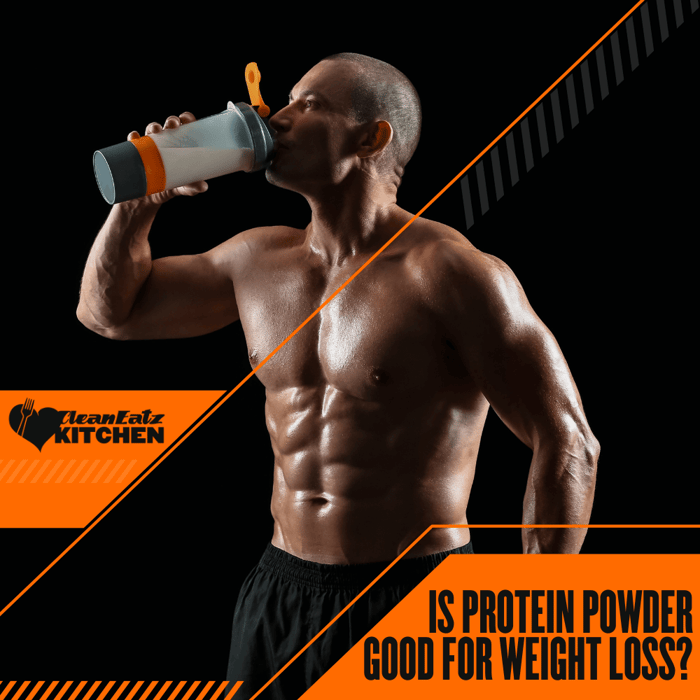
Quick Answer: Yes, protein powder can support weight loss when used strategically—but it’s not a shortcut. It helps you meet your protein needs more easily, which supports appetite control, muscle preservation during calorie restriction, and metabolic health. The key is using it to complement whole foods, not replace them entirely. Look for a powder providing at least 20 g of protein per serving with minimal added sugars.
How Protein Powder Supports Weight Loss
If you've been researching weight loss, you've probably heard that protein is essential for losing weight. The challenge is actually eating enough of it—especially when you're busy, cooking feels like a chore, or you're trying to keep calories in check.
That's where protein powder becomes useful. It's not a weight loss product per se—it's a tool that makes it easier to hit your protein targets consistently. And when you're eating enough protein, several things happen that support weight loss:
You stay full longer. Protein is the most satiating macronutrient. A protein shake in the morning or as an afternoon snack can prevent the hunger that leads to overeating later. Research suggests that higher protein intake earlier in the day may help reduce overall calorie intake later on.
You preserve muscle while losing fat. When you're in a calorie deficit, your body doesn't just burn fat—it can break down muscle too. Adequate protein intake signals your body to preserve that muscle tissue. Since muscle burns more calories than fat even at rest, keeping your muscle mass keeps your metabolism higher. This effect is especially important when weight loss is combined with resistance training.
You burn more calories digesting it. Protein has a higher thermic effect than carbs or fat, meaning your body uses more energy to digest it. About 20–30% of protein calories are used during digestion, compared to roughly 5–10% for carbohydrates.
For a deeper dive into how protein supports weight loss, see our guide: Is Protein Good for Weight Loss?
Losing weight without the gimmicks.
Get our free guide — the foods, supplements, and strategies that actually work, all in one place.
What to Look for in a Weight Loss-Friendly Protein Powder
Not all protein powders are created equal. Some contain added sugars, excessive sweeteners, or unnecessary fillers that can work against your weight loss goals. Choosing the right product comes down to a few key criteria:
Around 20–25 grams of protein per serving.
This amount is generally sufficient to support satiety and help maintain muscle mass during a calorie deficit for most people. Lower doses may still contribute, but they tend to be less effective for appetite control and muscle preservation.
Low sugar content.
Aim for less than 3 grams of sugar per serving. Many protein powders—especially those marketed as “mass gainers”—contain large amounts of added sugars, which can significantly increase calorie intake without improving fullness.
A short, simple ingredient list.
You don’t need a long list of additives for a protein powder to be effective. Products with fewer, recognizable ingredients are often better tolerated and easier to fit into a balanced eating pattern.
Reasonable calorie content.
Most weight-loss-friendly protein powders provide roughly 100–150 calories per serving. If the calorie count is much higher, check whether it comes from added fats or carbohydrates that may not align with your goals.
Some high-quality protein powders are formulated with these criteria in mind, focusing on high protein content, low sugar, and minimal additives. Our Clean Eatz Protein Powder follows this approach.
Types of Protein Powder
The “best” type of protein powder depends on your dietary preferences, tolerance, and individual goals. From a weight loss perspective, several options can work well when chosen appropriately:
Whey protein is the most researched and widely used option. It’s derived from milk, digests quickly, and provides all essential amino acids. Whey protein is particularly rich in leucine, an amino acid that plays a key role in muscle protein synthesis and helps preserve lean mass during weight loss. For people who tolerate dairy, whey is a highly effective choice.
Casein protein also comes from milk but digests more slowly. This slower absorption can promote longer-lasting fullness, making casein a useful option before bed or during long gaps between meals. Some people choose to combine whey during the day with casein in the evening for sustained protein coverage.
Plant-based protein powders—such as pea, hemp, brown rice, or soy—are suitable for those avoiding dairy or following a plant-based diet. When well-formulated, they can support muscle maintenance and weight management effectively. However, quality matters: blends that combine multiple plant sources tend to provide a more complete amino acid profile and better overall results than single-source proteins.
For most people focused on weight loss, whey protein or a high-quality plant-based blend can be equally effective. The best choice is the one you tolerate well and can use consistently as part of a balanced diet.
How to Use Protein Powder for Weight Loss
Timing matters less than consistency, but strategic use can maximize the benefits:
Morning protein boost. If your breakfast is typically carb-heavy (toast, cereal, fruit), adding a protein shake or mixing protein powder into oatmeal can reduce hunger and calorie intake for the rest of the day.
Snack replacement. Instead of reaching for chips, crackers, or sweets in the afternoon, a protein shake provides satisfaction without the blood sugar spike and crash. This is one of the most effective swaps for weight loss.
Post-workout recovery. After resistance training, protein supports muscle repair and growth. A shake within an hour or two of your workout is convenient and effective.
Smoothie base. Blend protein powder with spinach, frozen berries, and unsweetened almond milk for a nutrient-dense option that can fit well into a calorie-controlled diet. Check out our best smoothie recipes for ideas.
The key is using protein powder to replace less nutritious calories—not adding it on top of everything else you're already eating.
Common Mistakes to Avoid
Using protein powder as your only protein source. Whole foods should still make up the majority of your protein intake. Chicken, fish, eggs, Greek yogurt, and legumes provide nutrients that protein powder doesn't. Think of powder as a supplement, not a foundation.
Choosing the wrong product. "Mass gainer" powders are designed for people trying to gain weight—they're loaded with calories and carbs. Read labels carefully and choose products designed for your actual goals.
Expecting magic. Protein powder won't cause weight loss on its own. It's a tool that makes it easier to eat enough protein, which supports your overall diet and exercise efforts. The fundamentals—calorie deficit, adequate protein, regular movement—still matter most.
The Bottom Line
Protein powder is a useful tool for weight loss when used correctly. It helps you hit your protein targets consistently, which controls appetite, preserves muscle, and supports your metabolism. Look for a powder with at least 20 grams of protein, minimal sugar, and clean ingredients. When combined with a balanced diet and regular movement, it can be a practical and effective support.
Our Clean Eatz Protein Powder checks all these boxes and pairs perfectly with our High-Protein Meal Plans for a complete approach to protein-focused weight loss.
For more on supplements that can support your weight loss journey, see our comprehensive Best Supplements for Weight Loss guide.
Frequently Asked Questions
Is protein powder good for weight loss?
Yes, when used as part of an overall healthy diet. Protein powder helps you meet your protein needs, which controls hunger, preserves muscle during a calorie deficit, and slightly boosts metabolism through its thermic effect. It's a tool, not a magic solution.
What should I mix protein powder with for weight loss?
Water is the lowest-calorie option. Unsweetened almond milk or low-fat dairy milk add creaminess with minimal calories. Avoid mixing with juice or adding lots of high-calorie ingredients unless you're accounting for them in your daily intake.
When should I take protein powder for weight loss?
The best times are morning (to reduce hunger throughout the day), as a snack replacement (instead of less nutritious options), or post-workout (to support muscle recovery). Consistency matters more than perfect timing.
What type of protein powder is best for weight loss?
Whey protein is the most researched and effective for most people. If you avoid dairy, pea protein or a plant-based blend works well. Look for at least 20g protein per serving with under 3g sugar.
Can protein powder make you gain weight?
Only if it causes you to eat more total calories than you burn. Protein powder itself doesn't cause weight gain—calorie surplus does. Use it to replace less nutritious calories, not add to them.
This content is for educational purposes only and does not replace personalized professional advice.
References
- Enhanced protein intake helps maintain muscle mass during weight loss.
Increased protein intake significantly prevents muscle mass decline in adults with overweight or obesity aiming for weight loss, supporting body composition improvements. Clinical Nutrition ESPEN, 2024 - Whey protein and body composition in weight management.
Review evidence suggests whey protein supplementation may reduce body fat and support lean body mass preservation in adults undergoing calorie restriction or with overweight/obesity. Elsevier, 2023 - Leucine and muscle protein synthesis.
High-leucine compositions (like whey) have been shown to stimulate muscle protein synthesis, which is beneficial for maintaining muscle during weight-focused diets and resistance training. Frontiers, 2024 - Protein component supports fullness and lean mass during weight loss.
Protein-enriched meal replacements demonstrate that higher-quality protein supports tissue repair, increases fullness, and helps preserve lean mass more effectively than low-protein very-low-calorie alternatives. Nature, 2025 - Moderately high protein diets and muscle health.
Studies indicate that moderately high-protein diets support muscle composition and strength while reducing fat accumulation, especially in older adults with sarcopenia — relevant for weight loss contexts where maintaining muscle is crucial. Frontiers, 2025