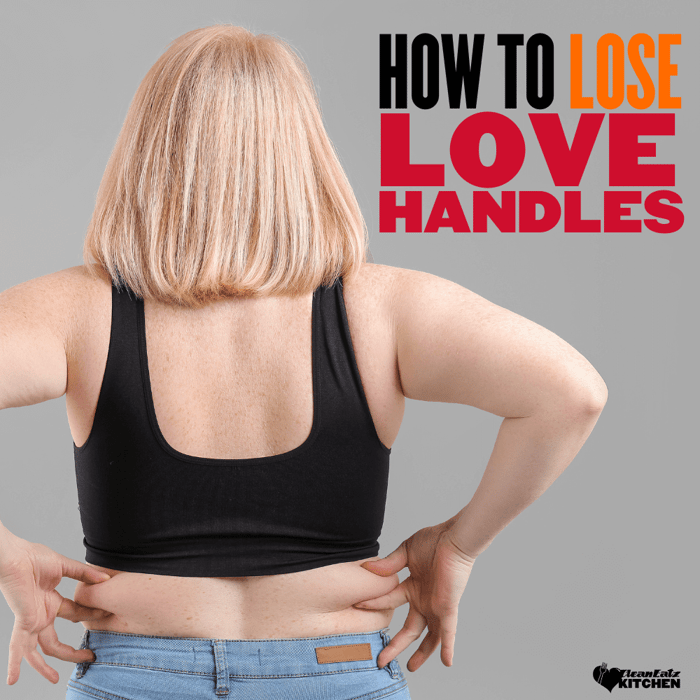

Quick Answer: Love handles are body fat stored around the sides of your waist, hips, and obliques. They are not a special type of fat, and you cannot “crunch them away” with targeted exercises alone. The most effective approach is to reduce overall body fat through a modest calorie deficit, high-protein meals, progressive strength training, regular cardio or daily steps, quality sleep, and limited alcohol. Use our Calorie Calculator and Protein Calculator to set your targets, then follow the 4-week plan below.
Last reviewed & updated: May 6, 2026
What Love Handles Actually Are (and Why Crunches Won't Fix Them)
Before diving into strategies, let’s clear up a common misconception. Love handles aren’t some unique form of stubborn fat that requires a specific solution. They’re subcutaneous fat stored around your obliques and hips—the same kind of fat stored under the skin elsewhere on your body. Where you store fat is influenced by genetics, sex, hormones, age, and lifestyle. Some people hold more fat in their thighs, others in their arms, and many people accumulate it around the midsection and sides.
This means side bends, Russian twists, or crunches should not be treated as a reliable way to “burn off” love handles. Core exercises can strengthen the area, but visible changes usually come from reducing overall body fat. Although some recent studies have explored whether specific exercise protocols may influence local fat use, the practical evidence still supports a whole-body fat-loss approach rather than relying on crunches or side bends alone.
Recent research in JAMA Network Open supports the same practical takeaway: improving diet quality and physical activity together is associated with better changes in total and regional adiposity, including waist circumference and visceral fat, than focusing on either behavior in isolation. In real life, this means love handles are best addressed through an overall fat-loss strategy—not through endless side crunches.
That said, training still matters. The right core work—specifically anti-rotation and anti-lateral-flexion movements—improves posture, supports a stronger-looking waist, and builds the foundation you need for heavier compound lifts. For a complete overview of exercise strategies that support fat loss, our Complete Exercise Guide for Weight Loss covers the science in depth.
Complete Exercise Guide.
Get our free guide — all the info you need on exercising, all in one place.
Step 1: Set Your Calorie and Protein Targets
Everything else flows from these two numbers. Get them close, and progress becomes much easier; miss them consistently, and exercise alone may not be enough to move the needle.
Start with the Calorie Calculator to find your maintenance level—the number of calories you'd need to maintain your current weight. Then subtract 300-500 calories daily. This moderate deficit is large enough to support visible progress but realistic enough to sustain beyond the first few weeks. Very aggressive deficits can increase hunger, reduce training performance, make the plan harder to sustain, and raise the risk of losing lean mass—especially if protein intake and resistance training are not in place.
For protein, use the Protein Calculator. Most active adults do well around 0.7–1.0 grams per pound of body weight, or roughly 1.6–2.2 grams per kilogram, split across 3–5 meals with about 25–45 grams per meal depending on body size and goals. Protein helps you stay full, supports muscle retention during fat loss, and has the highest thermic effect of any macronutrient—meaning your body uses more energy digesting and processing it.
Let carb and fat consumption be flexible based on preference. Some people feel better with more carbs around training; others prefer higher fat for satiety. What matters most is hitting your calorie and protein targets consistently.
Step 2: Build Meals That Keep You Satisfied
Hunger is the enemy of consistency. The easiest way to stick to a calorie deficit is to build meals that keep you full without pushing you over your calorie target. Every meal should follow a simple formula: protein anchor, vegetable volume, smart carbs, and measured fats.
For protein, think chicken, turkey, salmon, tuna, shrimp, eggs, Greek yogurt, cottage cheese, tofu, or tempeh. Aim for a palm-sized portion (roughly 25-45 grams) at each meal. When you're busy or don't feel like cooking, our High-Protein Meal Plan or a scoop of Protein Powder can fill the gap.
Load up on vegetables—1-2 cups per meal. Broccoli, cauliflower, peppers, zucchini, leafy greens, and asparagus all add bulk to your plate with minimal calories. These high-fiber foods make it easier to build larger, more satisfying meals while keeping calories controlled.
Add smart carbs based on your activity level: a half to one cup of rice, potatoes, quinoa, or high-protein pasta. Fruits like berries and apples also work well—our best fruits for weight loss guide covers which ones pack the most nutritional punch. For a complete breakdown of foods that support fat loss, see our 100 Best Foods for Weight Loss.
Measure your fats. Oils, nuts, cheese, and nut butters are delicious and nutritious—but calorie-dense. One tablespoon of olive oil is about 120 calories. Eyeballing these is how most people accidentally overshoot their targets.
Sample Day (approximately 1,800-2,100 calories—adjust to your target)
Breakfast: Overnight Oats with a scoop of protein powder and mixed berries
Lunch: Chicken fajita bowl—half rice, half riced cauliflower, sautéed peppers and onions, salsa, and a dollop of Greek yogurt instead of sour cream
Snack: Greek yogurt with a couple tablespoons of high-protein cereal, or a protein bar
Dinner: Salmon with roasted broccoli and small baked potato
For more ideas, browse our 29 Healthy Snacks for Weight Loss and Best Healthy Dinner Recipes.
Step 3: Train for a Stronger, Leaner-Looking Waist
Here’s where most people go wrong: they either skip strength training entirely, relying only on cardio, which may limit muscle retention and body-composition changes, or they hammer their obliques with heavy side bends hoping to spot-reduce. Neither approach is ideal.
The goal is to build overall muscle mass—which raises your metabolic rate and improves body composition—while training your core for stability and posture rather than thickness. A 2024 Nature Metabolism study from University of Michigan researchers found that years of regular endurance exercise were associated with healthier remodeling of abdominal subcutaneous fat tissue in adults with overweight or obesity. That does not mean exercise “targets” love handles directly, but it does reinforce that consistent training can improve how the body handles fat over time.
Aim for 3-4 strength sessions per week plus 2-4 core sessions. For core, emphasize anti-movement patterns:
Side planks (20-40 seconds per side) train anti-lateral-flexion—your core resisting bending to the side. This builds oblique strength without adding thickness the way weighted side bends can.
Pallof presses (8-12 reps per side) train anti-rotation. You're resisting a cable or band trying to twist you, which builds deep core stability.
Dead bugs (8-12 reps per side) train spinal stability while moving your limbs—essential for translating core strength into real-world movement.
Suitcase carries (20-40 meters per side) work your obliques and posture simultaneously. Carry a heavy dumbbell or kettlebell in one hand and walk without letting your body lean.
Cable chops and lifts (10-12 reps per side) train rotational control in a way that builds athleticism without bulk.
For your main strength work, focus on compound movements: squats or Romanian deadlifts, split squats, hip thrusts, bench press, rows, pull-ups or lat pulldowns, and overhead presses. These exercises train large muscle groups, support muscle retention, and give you a high return for your training time. Want a complete program? Our 5-Day Workout Routine lays it out step by step.
Cardio, Steps, and Weekly Movement Targets
Strength training builds the muscle that shapes your physique. Cardio and daily movement increase energy expenditure, making it easier to maintain a calorie deficit without cutting food intake too aggressively.
Step count is one of the simplest levers to adjust. Aim for 8,000-12,000 steps daily to increase your NEAT (non-exercise activity thermogenesis)—the calories you burn just going about your day. Park farther away, take the stairs, walk during phone calls. These small habits compound into significant weekly calorie expenditure.
Add 2–3 cardio sessions per week, 25–35 minutes each, at a moderate intensity where you could hold a conversation but would rather not. Over time, you can build toward the public-health target of 150–300 minutes of moderate-intensity aerobic activity per week, especially if your goal is meaningful waist and body-fat reduction. Incline walking, cycling, the elliptical, or even roller skating all work—pick whatever you'll actually do consistently. You can add one short interval session if you enjoy it, but it's not required.
Stay hydrated throughout the day. On hot days or after sweaty sessions, consider adding electrolytes—our electrolyte guide covers what to look for.
Sleep, Stress, and Other Factors That Quietly Sabotage Progress
You can nail your calories and crush your workouts, but if you're sleeping five hours a night and running on stress, you'll struggle to lose fat—especially around your midsection. Our Complete Guide to Sleep and Health covers this in detail, but here's the short version:
Sleep: Aim for 7-9 hours. Sleep deprivation can increase hunger, make cravings harder to manage, and impair recovery. It is not a luxury—it is one of the foundations that helps appetite regulation, recovery, and consistency.
Stress: Chronic stress can make fat loss harder by affecting appetite, cravings, sleep, and recovery. Higher stress and poor sleep patterns are also associated with greater central adiposity in observational research. Even 5-10 minutes daily of walking, deep breathing, or mobility work can help regulate your stress response and reduce the urge to stress-eat.
Sodium and bloating: Temporary water retention from a high-sodium meal isn't fat gain. Keep sodium moderate, use herbs and citrus for flavor, and don't panic when the scale fluctuates day to day.
Alcohol: Consider pausing or capping at 1-2 drinks per week while cutting back. Alcohol adds calories, can make food choices less intentional, and may impair sleep quality—all of which can make a calorie deficit harder to maintain.
Timeline: When Will You Actually See Results?
A realistic pace for many people is about 0.5–1.0% of body weight per week when nutrition, training, sleep, and consistency are aligned. For most people, that means the scale drops 1-2 pounds weekly. You'll likely notice clothes fitting differently within 2-4 weeks, but visible waist changes typically take 6-12 weeks of consistent effort.
Research shows that elevated waist circumference is strongly associated with health risks, which makes waist measurement a valuable tracking metric beyond just aesthetics. Measure at your navel, exhaled and relaxed, once or twice weekly. Take progress photos every two weeks. The mirror and the measuring tape often show changes before the scale does.
If you stall for two weeks or more, run a 7-day audit: actually weigh and measure oils, nut butters, and snacks (portions creep up unconsciously). Add 2,000-3,000 daily steps. Add one cardio session. Consider a small calorie reduction (100-150 calories). Check that protein and sleep are still on point. For more troubleshooting strategies, see our guide on when you'll notice weight loss.
The 4-Week Love Handle Action Plan
Here's a structured approach that builds progressively. Adjust calories and portions based on your personal targets. This plan is a general framework. If you are new to exercise, have pain, take medication, or have a medical condition, scale the volume down and work with a qualified professional when needed.
| Week | Nutrition | Training | Cardio/Steps | Extras |
|---|---|---|---|---|
| 1 | Set calories (300-500 deficit); calculate protein target | 3 full-body lifts + core focus 2× | 2 × Zone 2 cardio (25-30 min); 8k steps/day | Stock kitchen with smart snacks |
| 2 | Standardize 3 go-to breakfasts + dinners | 4 lifts (upper/lower split) + core 2-3× | 2 × Zone 2 + 1 easy interval session; 9-10k steps | Use Meal Plan Generator |
| 3 | Audit oils/condiments; keep fiber high | Progress loads/reps; swap a stale accessory | 3 × cardio (mix modalities); 10-12k steps | Add electrolytes on hot days |
| 4 | Consistency review; adjust calories ±100 as needed | Deload 20-30% volume if fatigued | Maintain cardio; keep steps high | Re-measure waist, take photos; plan next 4 weeks |
Frequently Asked Questions
What's the fastest way to lose love handles?
There's no spot-reduction trick. The fastest sustainable approach combines a modest calorie deficit, high protein intake, strength training 3-4 times weekly, 8,000-12,000 daily steps, and 2-3 cardio sessions. Apply these basics consistently, and you should start to see progress over time.
Which exercises are best for losing love handles?
For waist appearance and core stability, focus on anti-rotation and anti-lateral-flexion movements: side planks, suitcase carries, Pallof presses, dead bugs, and cable chops. Combine these with compound lifts like squats, deadlifts, rows, and presses to build muscle, improve strength, and support body composition during fat loss.
Will heavy oblique work make my waist bigger?
Very heavy, high-volume lateral flexion exercises (like weighted side bends) can add thickness to the obliques in some people. For a sleeker look, prefer anti-movement patterns that build strength without bulk.
How many calories should I eat?
Use the Calorie Calculator to find your maintenance level, then subtract 300-500 calories daily. This moderate deficit produces results you can sustain.
How long until I see a difference?
Often 2-4 weeks for changes in how clothes fit; 6-12+ weeks for visible waist changes. This assumes consistent nutrition, training, adequate sleep, and limited alcohol.
The Bottom Line
Love handles aren't special—they're just fat stored in a specific place. The solution isn't a special exercise or a secret diet; it's the consistent application of fundamentals: a sustainable calorie deficit, adequate protein, progressive strength training, daily movement, quality sleep, and stress management.
Start with the numbers. Use the calculators to set your targets, pick 2-3 strategies from this guide, and execute them consistently for four weeks before adding more complexity. Sustainable change beats dramatic short-term efforts every single time.
Ready to make the nutrition side easier? Our Weight Loss Meal Plan delivers portion-controlled, protein-rich meals to your door—taking the guesswork out of eating for a smaller waist.
Disclaimer: This content is for educational purposes only and does not replace personalized professional advice.
References
- Ahn, C., Zhang, T., Yang, G. et al. Years of endurance exercise training remodel abdominal subcutaneous adipose tissue in adults with overweight or obesity. Nat Metab 6, 1819–1836 (2024).
- Aryannezhad S, et al. Concurrent Changes in Diet Quality and Physical Activity and Association With Adiposity in Adults. JAMA Netw Open. 2025;8(11): e2545232.
- Kokura Y, et al. Enhanced protein intake on maintaining muscle mass, strength, and physical function in adults with overweight/obesity: A systematic review and meta-analysis. Clin Nutr ESPEN. 2024 Oct;63:417-426.
- Ahn C, et al. Years of endurance exercise training remodel abdominal subcutaneous adipose tissue in adults with overweight or obesity. Nat Metab. 2024 Sep;6(9):1819-1836.
- Bull FC, et al. World Health Organization 2020 guidelines on physical activity and sedentary behaviour. Br J Sports Med. 2020 Dec;54(24):1451-1462.
- Jayedi A. Aerobic Exercise and Weight Loss in Adults: A Systematic Review and Dose-Response Meta-Analysis. JAMA Netw Open. 2024;7(12):e2452185.
- Kohanmoo A, et al. Short sleep duration is associated with higher risk of central obesity in adults: A systematic review and meta-analysis of prospective cohort studies. Obes Sci Pract. 2024 Jun 4;10(3):e772.
- Li B, et al. Association between sleep quality and central obesity among southern Chinese reproductive-aged women. BMC Womens Health. 2021 Aug 4;21(1):280.