
Access Denied
IMPORTANT! If you’re a store owner, please make sure you have Customer accounts enabled in your Store Admin, as you have customer based locks set up with EasyLockdown app. Enable Customer Accounts
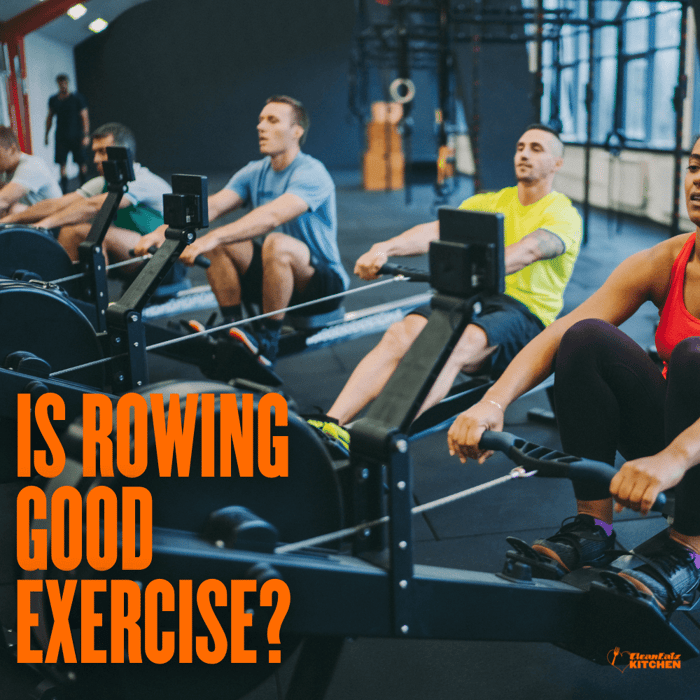
Is Rowing Good Exercise?
Jason Nista
Exercises & Fitness
|
Healthy Lifestyle
12/25/2022 12:00pm
9 minute read
Listen to article
Audio generated by DropInBlog's Blog Voice AI™ may have slight pronunciation nuances. Learn more
Is Rowing Good Exercise?
If you’ve been paying frequent visits to the gym, then you must’ve come across rowing machines and wondered what they really are and how they work. Fortunately, you don’t need to wonder anymore since we’re here to enlighten you about the rowing exercise and help you understand how it can benefit you.
Rowing is a great cardiovascular workout that, unlike other exercises in this category, also tones your entire body. It's low-impact and can be done by people of all ages and fitness levels, making it a perfect choice for just about anyone. Best of all, rowing is one of the most efficient exercises out there when it comes to producing quick results.
With that said, let’s not waste another second and get straight into the guide!
What is Rowing Exercise?
If you’re just entering the world of fitness and exercise, then rowing is an ideal exercise for you since it impacts your overall fitness and well-being. It works the arms, legs, and core, and provides a full-body cardiovascular workout. Rowing is also low impact, so it's gentle on the joints and can be safely done by people of all age groups, genders, and physiques.
If you're new to rowing, don't worry—the beauty of this exercise is that it can be easily tailored to your fitness level. You can row at a slow or moderate pace for a gentle workout, or increase the intensity for a more challenging session. And if you're unsure about where to start, there are plenty of rowing workouts online that can get you started.
Which Muscles Are Used in Rowing?
As you might’ve expected, rowing requires you to utilize nearly every prominent muscle group in your body, including your arms, shoulders, back, chest, and abs. Since all these muscle groups are being worked on simultaneously, they all benefit from this exercise.
Rowing is a great exercise for people who want to lose weight because it torches calories. However, it's also ideal for individuals who want to build muscle because it provides a lot of resistance for your muscles to work against. So, whether you're looking to lean out or bulk up, rowing can definitely help you achieve your goals.
Benefits of Rowing
Rowing is the perfect exercise for toning your upper and lower body while burning serious calories. Compared to similar activities such as cycling or running, rowing requires 85% of the body's muscles to work in perfect harmony. This leads to a workout that can be more efficient and well-rounded than many other activities.
Specifically, rowing engages the hamstrings, glutes, quads, core muscles, and back muscles—all while also providing an aerobic workout with its cardiovascular element. With each stroke of the oar, your body is pushed to use multiple muscle groups at once in order to produce forward momentum. This helps improve overall strength and muscle tone with minimal strain on joints because there’s no impact on them like there is when running or cycling.
Additionally, rowing is low-impact but still gets your heart rate up—making it an ideal exercise for people of all fitness levels who want to get fit without risking injury. By combining a full-body workout with aerobic benefits, your workouts will become more efficient and effective than ever—so you can reach your fitness goals faster!
Lose Weight with Rowing
Rowing is a great cardio exercise that can help you lose weight. In fact, one hour of rowing can burn up to 500 calories. Because of this, rowing can be identified as one of the most effective fat-burning exercises out there.
So, if you're looking to burn some extra calories and lose a few pounds, rowing is a great option. Just make sure to row at a vigorous pace, and stick to a healthy diet to see the optimum results.
Improve Endurance and Cardiovascular Health with Rowing
Rowing is a great workout for people of all fitness levels. No matter how much you exercise, you can always find a way to make rowing work for you.
If you're just starting out, rowing can be a great way to get your heart rate up and improve your endurance. And as you get fitter, you can row harder and faster to really give your heart and lungs a sufficient workout.
Rowing is also a great way to build up your cardiovascular health. A stronger heart pumps more blood with each beat and doesn't have to work as hard, which lowers your risk of heart disease. And since rowing gets your heart rate up, it's also great for improving your cholesterol levels.
Improve Balance, Proprioception, and Coordination with Rowing
Rowing also does wonders for your balance, coordination, and proprioception. Proprioception is your ability to sense where your body is in space, and it’s something that’s often impaired after an injury.
Rowing is a great way to improve proprioception because it challenges your body in a weight-bearing exercise. This means that your muscles and joints have to work together to support your body weight, which helps improve coordination and balance.
Rowing as a Full Body Workout
Rowing is one of the most effective full-body exercises out there. It's not just a great way to work your arms, shoulders, and chest- it also activates major muscles in the core and legs. That's right - rowing is a great way to target your legs as well! Every stroke you take incorporates your glutes, quads, hamstrings, and calves - all while strengthening your core.
But that's not all! Rowing also gives you an awesome cardio and aerobic workout. With an effective rowing machine, heart rate can soar with each stroke, making it one of the best exercises for burning calories and fat. And due to its low-impact nature, it's an ideal exercise for those who have joint problems or are looking for gentle ways to exercise.
What about toning up? Rowing works all the major muscles in the body with every stroke you take and helps build lean muscle throughout the entire body - even more so than running or biking! All in all, rowing is an excellent way to work toward better overall physical health without placing undue strain on any particular area.
Picking the Right Rowing Machine
Choosing the right rowing machine is key to getting the most out of your routine.
Think about what your goals are for working out and select a machine that can keep up with those ambitions. For example, if you're looking to increase the intensity, a performance monitor that gives you feedback on speed, distance, stroke rate, and other metrics could be a good option. Or if a smaller budget and space are primary concerns, then a compact machine designed with foldable arms might be the way to go.
Another important consideration when shopping around for rowing machines is endurance — how much wear and tear it's designed to handle over time. High-end rowing machines have been rigorously tested for years and typically offer shock-absorbing technology so that you can get a quality workout without damaging either the machine or your body. The reinforced aluminum frame and stainless steel hardware also provide strong support for added stability.
With thoughtful deliberation about these factors, you'll arrive at the perfect match for your fitness needs—and that's when the real fun begins!
Rowing Safety and Technique Tips
If the idea of rowing sounds appealing to you, then don't dive into the deep end without getting a bit of advice first. Here are a few safety and technique tips for those new to rowing:
Start small
Don't go straight into an intense workout; start by building your strength and endurance. Remember, a workout should challenge you but also bring you joy, so try to find the balance between both. Once you get comfortable with your form and technique, then you can start upping your intensity.
Rowing posture
Good form is key when it comes to rowing — just think about how much better your workouts would be if every stroke was done correctly! Try to keep your back flat, your head up and your eyes forward, and make sure that you are pushing through with your legs rather than just pulling with your arms.
Don’t neglect rest days
Just like any other form of exercise, it's important to give yourself rest days (we recommend two days off of rowing per week). This gives your muscles time to recover and grow so that each workout is even more effective than the last!
By following these tips — and listening to your body — you're sure to get the most out of every rowing workout. So hop on that erg machine, take in a deep breath, and start powering through those strokes!
Rowing is a great exercise that provides a full-body workout. It is low-impact, so it is a good choice for people who are looking for exercise that is gentle on their joints. Rowing is also a good choice for people who are looking for exercise that can be done outdoors or indoors.
If you wish to acquire the benefits of rowing listed above, then you’re highly recommended to follow a diet plan that complements your fitness routine. In those regards, we’d like to introduce you to Clean Eatz Kitchen. Clean Eatz Kitchen brings you a huge variety of diet plans, each specially designed to enhance a certain exercise routine. Moreover, all your favorite meals are delivered straight to your doorstep to ensure that your body gets access to all the essential nutrients that it needs to grow and strengthen your muscles.
Summary Of Is Rowing Good Exercise
· Rowing is a low-impact workout that can be tailored to match your fitness level
· It works nearly every muscle in your body, including arms, shoulders, back, chest, and abs
· Rowing helps with weight loss by effectively burning calories
· It improves endurance and cardiovascular health
· It helps with balance, proprioception, and coordination
· To ensure safety while rowing, be sure to start small, maintain good form, and take frequent rest days
Related Articles

Which Antidepressants Cause Weight Loss?
6 minute read
Is Jumping Rope Good Exercise? An In-depth Analysis
4 minute read
Invalid password
Enter