
Access Denied
IMPORTANT! If you’re a store owner, please make sure you have Customer accounts enabled in your Store Admin, as you have customer based locks set up with EasyLockdown app. Enable Customer Accounts
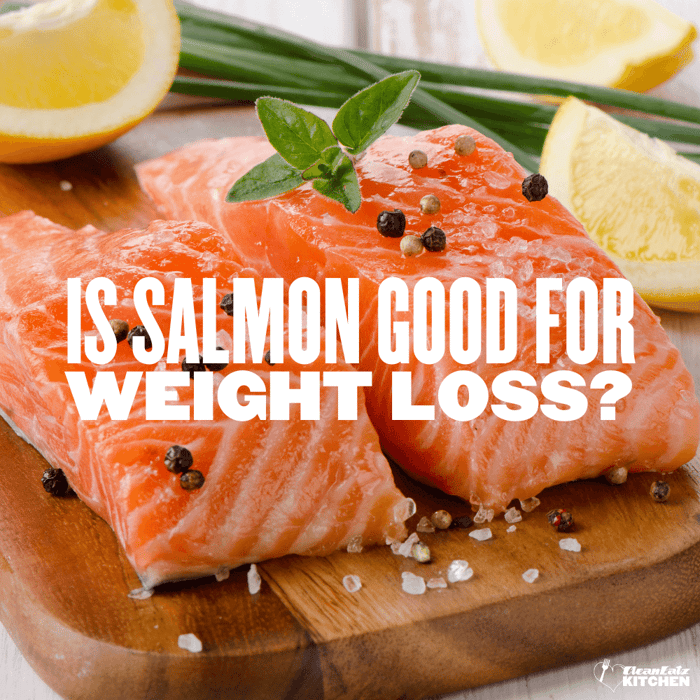
Is Salmon Good for Weight Loss?
Ellie Lopez, LDN, MS
Nutrition
|
Healthy Recipes
|
Weight Loss
12/22/2025 8:41am
11 minute read
Listen to article
Audio generated by DropInBlog's Blog Voice AI™ may have slight pronunciation nuances. Learn more
Quick Answer: Yes—salmon is one of the best proteins for weight loss. A 4-ounce serving delivers about 25 grams of protein for only 200-250 calories, and the combination of protein plus omega-3 fats keeps you full far longer than chicken breast alone. The key is preparation: bake, grill, or air-fry with minimal oil and skip the butter-heavy sauces. Below, we cover exactly how salmon supports weight loss and the best ways to prepare it.
Why Salmon Is So Effective for Weight Loss
Salmon has a reputation as a "healthy" food, but what specifically makes it good for weight loss? Three things set it apart from other proteins.
The protein content is exceptional. A 4-ounce serving of salmon provides roughly 25 grams of protein—about the same as chicken breast. Protein is the most satiating macronutrient, meaning it keeps you full longer and reduces the urge to snack between meals. It also has a high thermic effect: your body burns about 20-30% of protein calories just digesting it. Learn more about Protein & Weight Management.
The fat makes it more satisfying, not less healthy. This is where salmon differs from lean proteins like chicken or tilapia. Salmon contains omega-3 fatty acids—specifically EPA and DHA—which your body can't produce on its own. These fats don't just pass through; they actively support weight loss by reducing inflammation, improving insulin sensitivity, and potentially influencing fat-burning hormones. Research suggests that omega-3s may help reduce visceral fat (the dangerous belly fat around your organs) more than other fats.
The calorie-to-satisfaction ratio is hard to beat. Many people assume fatty fish must be high-calorie, but salmon is surprisingly moderate. A proper 4-ounce portion runs 200-250 calories while providing enough protein and fat to genuinely satisfy you. Compare that to a 200-calorie bag of chips that leaves you hungry an hour later.
For a complete breakdown of the best proteins and other foods for weight loss, see our 100 Best Foods for Weight Loss guide.
Salmon Nutrition at a Glance
Here's what you get in a typical 4-ounce (113g) serving of cooked salmon:
| Type | Calories | Protein | Fat |
|---|---|---|---|
| Wild Sockeye | 180-200 | 24-26g | 7-9g |
| Wild King/Chinook | 200-230 | 23-25g | 11-13g |
| Farmed Atlantic | 230-250 | 22-25g | 13-15g |
| Canned (water-packed) | 130-150 | 20-22g | 5-7g |
The differences between wild and farmed matter less than you might think. Wild salmon is leaner with a more intense flavor. Farmed salmon is fattier, milder, and usually cheaper. Both provide plenty of omega-3s and protein. Choose whichever you'll actually eat regularly.
Wild vs. Farmed: Does It Matter for Weight Loss?
This debate generates strong opinions, but for weight loss specifically, the answer is straightforward: both work fine.
Wild salmon is leaner, which means slightly fewer calories per ounce. It also tends to have a deeper color and more pronounced flavor. Some people prefer this; others find it "fishier" than they'd like.
Farmed salmon is fattier, milder in taste, and more widely available at lower prices. The extra fat means 30-50 more calories per serving, but those calories come from omega-3s—not empty calories.
The practical difference? Minimal. A 4-ounce serving of farmed salmon might have 240 calories versus 190 for wild sockeye. Over a week of eating salmon twice, that's a 100-calorie difference—roughly one banana. If you prefer the taste of farmed salmon and it's what you can afford, eat that. Consistency matters more than optimization.
How to Cook Salmon for Weight Loss
The cooking method can easily double your calories if you're not careful. Here's how to keep salmon diet-friendly without sacrificing flavor.
Baking is the easiest approach. Preheat your oven to 400-425°F, place the salmon on a sheet pan (skin-side down if skin-on), brush with 1-2 teaspoons of olive oil, season with salt, pepper, and herbs, and bake for 12-15 minutes until just opaque in the center. The fish continues cooking after you remove it, so err on the side of underdone.
Air-frying produces crispy skin with minimal oil. Set your air fryer to 375-390°F and cook for 7-10 minutes depending on thickness. No need to flip. This method works especially well for getting restaurant-quality crispy skin at home.
Pan-searing creates a beautiful crust but requires attention. Heat a nonstick or cast-iron pan over medium-high heat with 1-2 teaspoons of oil. Place salmon skin-side up first, sear for 3-4 minutes until golden, flip, and finish for another 2-3 minutes. Don't move the fish around—let it develop a crust.
Grilling adds smoky flavor and is perfect for summer. Oil the grates, not the fish, and grill skin-side down over medium-high heat for 6-8 minutes. You often don't even need to flip—the fish cooks through from the bottom.
What to avoid: Deep frying, pan-frying in excessive butter, or smothering in cream-based sauces. A butter-poached salmon at a restaurant can top 600 calories for the same piece of fish you'd bake at home for 250.
Flavor Without the Calories
Salmon has enough natural flavor that it doesn't need heavy sauces. Here are low-calorie ways to make it taste great:
Citrus: Lemon, lime, or orange juice and zest brighten the fish without adding significant calories. A squeeze of lemon before serving transforms a plain fillet.
Fresh herbs: Dill is the classic pairing, but parsley, cilantro, chives, and tarragon all work beautifully. Chop them fresh and add after cooking.
Mustard glazes: Dijon or whole-grain mustard mixed with a touch of honey creates a flavorful crust for minimal calories—about 15-20 per tablespoon.
Spice rubs: Cajun seasoning, everything bagel seasoning, or a simple mix of paprika, garlic powder, and black pepper adds flavor with essentially zero calories.
Capers and olives: A tablespoon of capers adds briny punch for under 5 calories. Kalamata olives work too, though they're slightly higher in calories.
What to skip: Hollandaise, béarnaise, cream sauces, and teriyaki glazes (high in sugar). Save these for occasional indulgences rather than regular rotation.
How Often Should You Eat Salmon?
Most dietary guidelines recommend eating fish 2-3 times per week. You don't need to eat salmon every time—rotating with other seafood like shrimp, cod, tilapia, or tuna keeps things interesting and provides variety in nutrients.
Salmon is a lower-mercury fish, so it's safe for frequent consumption. The FDA includes salmon in its "best choices" category, meaning you can eat 2-3 servings per week without concern. Pregnant women can also safely eat salmon 2-3 times weekly.
If you're eating salmon specifically for omega-3s, two servings per week is enough to get meaningful benefits. More isn't necessarily better—your body can only absorb and use so much at once.
Canned Salmon: The Budget-Friendly Option
Canned salmon deserves more respect than it gets. It's significantly cheaper than fresh, lasts for years in your pantry, and provides nearly identical nutrition. A 5-ounce can of pink salmon costs around $3 and delivers 35+ grams of protein.
Choose water-packed over oil-packed to save calories (unless you're specifically trying to add healthy fats). Check the sodium content—some brands run high—and rinse if needed. The soft bones in canned salmon are edible and add calcium, though you can remove them if the texture bothers you.
Canned salmon works well in salmon cakes (mix with egg, breadcrumbs, and herbs, then pan-sear), salmon salad (like tuna salad but richer), or simply flaked over a green salad.
Simple Salmon Meal Ideas
Sheet Pan Salmon and Vegetables (400-450 calories): Place a 4-5 oz salmon fillet on a sheet pan with broccoli, asparagus, or zucchini. Drizzle everything with 2 teaspoons olive oil, season, and bake at 400°F for 15 minutes. Add ½ cup cooked rice or quinoa on the side.
Salmon Power Bowl (450-500 calories): Build a bowl with ¾ cup cooked quinoa, 4 oz baked salmon (broken into chunks), cucumber, cherry tomatoes, avocado (2-3 slices), and a drizzle of lemon-tahini dressing.
Air-Fryer Salmon Tacos (400-450 calories): Air-fry 4 oz salmon, flake it into two small corn tortillas, top with cabbage slaw, pico de gallo, and a squeeze of lime. Add a dollop of Greek yogurt instead of sour cream.
Smoked Salmon Breakfast Plate (350-400 calories): 3 oz smoked salmon with 2 scrambled eggs, sliced tomatoes, capers, and a small piece of whole-grain toast. Watch the portion on smoked salmon—it's higher in sodium.
If meal prep feels like too much work, our Weight Loss Meal Plan includes chef-prepared, calorie-controlled meals with properly portioned proteins—including fish—delivered to your door.
Common Mistakes to Avoid
Drowning it in sauce. A perfectly good piece of salmon can become a 600-calorie meal when topped with butter sauce or teriyaki glaze. Keep sauces on the side and use sparingly, or stick with zero-calorie seasonings.
Eyeballing portions. Salmon is calorie-dense compared to chicken breast. What looks like a "normal" piece at a restaurant is often 8-10 ounces—double a proper portion. Weigh your fish at home until you can eyeball 4-5 ounces accurately.
Forgetting the rest of the plate. Salmon alone isn't a meal. Pair it with vegetables (half your plate) and a measured portion of complex carbs for a balanced meal that keeps you full and energized.
Overcooking. Dry, overcooked salmon is why many people think they don't like fish. Pull it from heat when the center is still slightly translucent—it will finish cooking from residual heat. The flesh should flake easily but still be moist.
Frequently Asked Questions
Is salmon good for weight loss?
Yes, salmon is excellent for weight loss. A 4-ounce serving provides about 25 grams of protein for only 200-250 calories, making it one of the most satisfying foods you can eat while cutting calories. The combination of protein and omega-3 fats keeps you full longer than leaner proteins, and research shows omega-3s may help reduce inflammation associated with obesity.
How many calories are in salmon?
A 4-ounce serving of cooked salmon contains approximately 200-250 calories, depending on the type. Wild salmon is typically leaner (about 180-200 calories), while farmed Atlantic salmon is fattier (about 230-250 calories). Both are excellent choices—the extra calories in farmed salmon come from healthy omega-3 fats.
Is wild or farmed salmon better for weight loss?
Both work well for weight loss. Wild salmon is slightly leaner with fewer calories per ounce, while farmed salmon has more fat (including omega-3s) and a milder taste. The calorie difference is minor—about 30-50 calories per serving. Choose whichever you prefer and can afford to eat consistently.
How often should I eat salmon to lose weight?
Most health guidelines recommend eating fish 2-3 times per week. You don't need to eat salmon exclusively—rotating with other fish like cod, tilapia, shrimp, or tuna provides variety while keeping protein high. If you're concerned about mercury, salmon is a lower-mercury option safe for frequent consumption.
What is the best way to cook salmon for weight loss?
Baking, grilling, air-frying, or pan-searing with minimal oil are the best methods. Avoid deep-frying or smothering in butter or creamy sauces, which can double the calories. Season with herbs, lemon, garlic, or mustard instead. A 4-ounce fillet needs only 1-2 teaspoons of oil when cooking.
The Bottom Line
Salmon is one of the best proteins you can eat for weight loss—high in protein, rich in omega-3s, and satisfying enough to keep you full between meals. The key is keeping preparation simple: bake, grill, or air-fry with minimal added fat, skip the heavy sauces, and pair with vegetables and a measured portion of carbs.
Aim for fish 2-3 times per week, and don't stress over wild versus farmed—both are excellent choices. If fresh salmon isn't in your budget, canned salmon provides nearly identical nutrition at a fraction of the price.
Looking for more protein options that support weight loss? Our 100 Best Foods for Weight Loss guide covers everything from lean meats to plant-based proteins.
Related Articles
What Alcohol Can You Drink on Keto? Low-Carb Picks
12 minute read
5 Weight Loss Mistakes to Avoid for Lasting Results
7 minute read
Invalid password
Enter