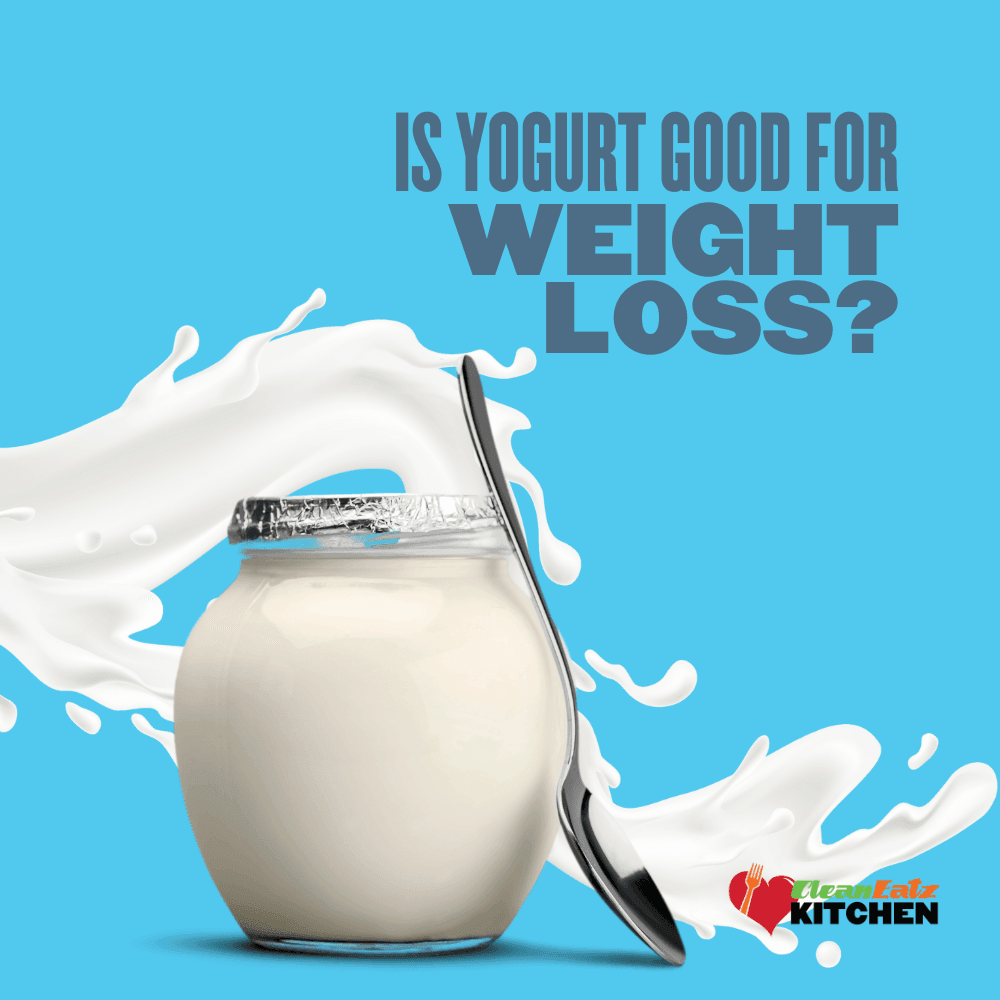

Quick Answer: Yes, yogurt can help with weight loss, and plain Greek yogurt is the strongest choice. A 6-ounce cup of Fage 0% plain Greek has 80 calories and 16g of protein, more than twice the protein of regular plain yogurt at about the same calories. Flavored yogurt is the one to watch: Dannon’s vanilla low-fat has 12g of added sugar per serving.
Yogurt helps for the same reason most high-protein foods do: it fills you up for its calories. The type you buy changes that more than people expect. Greek yogurt is strained, which removes liquid whey and some of the milk sugar and concentrates the protein. Regular yogurt keeps both.
The label numbers below are for the same 6-ounce (170g) portion, taken from each brand’s own nutrition facts in October 2026.
Greek vs. regular yogurt, by the numbers
| Yogurt (6 oz / 170g) | Calories | Protein | Total sugar | Added sugar |
|---|---|---|---|---|
| Fage Total 0% plain Greek | 80 | 16g | 5g | 0g |
| Fage Total 5% plain Greek | 140 | 14g | 5g | 0g |
| Dannon plain low-fat (regular) | 90 | 7g | 10g | 0g |
| Dannon plain whole milk (regular) | 110 | 6g | 7g | 0g |
| Dannon vanilla low-fat (regular) | 140 | 7g | 21g | 12g |
The plain Greek yogurts lead on protein by a wide margin: 16g in the nonfat cup against 7g in plain low-fat regular yogurt, for 10 fewer calories. They also have about half the sugar, because straining removes some lactose along with the whey. None of the plain yogurts has added sugar; the sugar listed is milk sugar.
Fat level matters less than style. The whole-milk Fage 5% still has twice the protein of any regular yogurt on the list, for 60 more calories than the nonfat cup. If whole-milk yogurt keeps you satisfied longer, those calories can be worth it.
What the research shows about yogurt and hunger
A 2013 study in Appetite gave 15 healthy women a 160-calorie afternoon yogurt snack with 5g, 14g or 24g of protein, or no snack. Every yogurt snack reduced hunger for about two hours. The high-protein version did the most: those women waited 178 minutes before asking for dinner, compared with 124 minutes after no snack and 152 after the low-protein yogurt.
It’s a small study, and the snacks didn’t fully pay for themselves at dinner. The direction still matches what the labels suggest: at the same calories, the yogurt with more protein holds you longer, and that’s Greek yogurt.
Plain vs. flavored
Dannon’s vanilla low-fat yogurt has 140 calories and 21g of sugar per 6 ounces, and 12g of that is added. The plain version of the same yogurt is 90 calories with no added sugar. That 50-calorie gap is almost entirely sugar.
Flavor plain yogurt yourself and you control the amount. Half a cup of berries, cinnamon, vanilla extract or a teaspoon of honey all add flavor for less sugar than a pre-sweetened cup.
Is yogurt and granola good for weight loss?
It can be, if you measure the granola. Nature Valley’s Oats & Honey Protein Granola lists a 2/3-cup serving at 280 calories with 15g of added sugar, which is more than three times the calories of the yogurt underneath it.
A quarter cup, a little over a third of that serving, is about 105 calories and 6g of added sugar. On top of a 6-ounce Fage 0%, that’s roughly 185 calories and 21g of protein: a real breakfast with some crunch. Pour a full label serving instead and the same bowl is 360 calories, most of it from the granola.
How much yogurt to eat
One 6-ounce cup a day is a practical amount for most people, as a breakfast base or an afternoon snack. There’s no special benefit to eating more; the value is in what it replaces. Swapping a pastry or sweetened coffee drink for plain Greek yogurt is where the calorie savings come from.
Three yogurt bowls
Berry crunch: a cup of plain Greek yogurt, half a cup of mixed berries and two tablespoons of granola.
Peanut butter banana: plain Greek yogurt with a tablespoon of peanut butter and half a sliced banana. Powdered peanut butter is the lighter swap if you want the flavor for fewer calories.
Savory: plain Greek yogurt with diced cucumber, cherry tomatoes, a teaspoon of olive oil, dill and lemon. It works as a lunch side or a dip.
For more breakfasts built around protein, see our healthy breakfast ideas for weight loss, and our complete guide to the best foods for weight loss covers yogurt alongside the rest of the protein list.
When yogurt isn’t enough
A yogurt cup is a good snack, but it isn’t lunch. If your midday meal is the part that keeps slipping, our High-Protein Meal Plan has meals ready to heat, and you can check the macros for every meal on our nutrition page. Our complete meal prep guide covers doing it yourself.
For mornings with no time to build a bowl, our High Protein Overnight Oats come ready to eat, with 20g of protein and 270–330 calories a pouch depending on the flavor.
FAQs
Is yogurt good for weight loss?
Yes, especially plain Greek yogurt. A 6-ounce cup of Fage 0% plain has 80 calories and 16g of protein, and protein helps you stay full. Flavored yogurts add sugar, so plain is the better pick.
Is Greek yogurt or regular yogurt better for weight loss?
Greek yogurt. At 6 ounces, Fage 0% plain Greek has 16g of protein and 80 calories, while Dannon plain low-fat regular yogurt has 7g of protein and 90 calories. Greek yogurt also has about half the sugar.
Is Greek yogurt and granola good for weight loss?
Yes, with a measured scoop. A quarter cup of protein granola adds about 105 calories. A full 2/3-cup label serving of Nature Valley Oats & Honey Protein Granola is 280 calories with 15g of added sugar.
How much Greek yogurt should I eat a day to lose weight?
One 6-ounce cup a day is a practical amount, as a breakfast base or snack. More isn’t better on its own; the benefit comes from replacing a higher-calorie, lower-protein food.
Is vanilla Greek yogurt good for weight loss?
It can fit, but check the added sugar. Flavored yogurts often add 10g or more per serving; Dannon’s vanilla low-fat regular yogurt has 12g. Plain Greek yogurt with fruit or vanilla extract gives you the flavor without it.
This article is for general information only and is not medical advice. Consult a healthcare provider for personalized dietary guidance.