
Quick Answer: Nausea, vomiting, diarrhea, stomach pain and constipation are Ozempic's most common side effects. Less-discussed ones include severe constipation or bowel blockage, fatigue, hair loss during rapid weight loss, muscle loss, gallstones, kidney problems from dehydration, a risk of inhaling stomach contents during anesthesia, and, very rarely, a sudden loss of vision. Most GI side effects ease after the first few weeks, and many can be reduced with smaller, lower-fat meals, enough protein and steady fluids.
Educational information only. This is not medical advice. Never start, stop or change a prescription without your prescriber.
- The Common Side Effects
- The Lesser-Known Side Effects
- What About Mood and Mental Health?
- Who Should Not Take Ozempic
- What to Eat to Manage Side Effects
- When to Call Your Doctor
- Frequently Asked Questions
New to GLP-1s? You're not alone.
Get our free GLP-1 nutrition guide — what to eat, what to expect, and how to get the best results.
The Common Side Effects
Ozempic (semaglutide) is a once-weekly injection approved for type 2 diabetes, and to lower heart and kidney risks in people with type 2 diabetes.1,2 It is not approved for weight loss; the semaglutide approved for that is Wegovy. Both work the same way: they slow stomach emptying and reduce appetite, which is also why most side effects involve the gut.
In Ozempic's placebo-controlled trials, these were reported by at least 5% of people:1
| Side effect | Placebo | Ozempic 0.5 mg | Ozempic 1 mg |
|---|---|---|---|
| Nausea | 6.1% | 15.8% | 20.3% |
| Vomiting | 2.3% | 5.0% | 9.2% |
| Diarrhea | 1.9% | 8.5% | 8.8% |
| Abdominal pain | 4.6% | 7.3% | 5.7% |
| Constipation | 1.5% | 5.0% | 3.1% |
These are usually worst when you start or move up a dose, and they often ease over the following weeks. If you're just starting, our first week on a GLP-1 guide covers what to eat during the adjustment period.
The Lesser-Known Side Effects
1. Severe constipation and bowel blockage
Ordinary constipation is common. Less well known: since approval, there have been reports of severe constipation with fecal impaction, intestinal obstruction and ileus (a bowel that stops moving), and the label warns about severe GI reactions.1 These are uncommon, but severe abdominal pain, bloating with no bowel movements, or vomiting that won't stop need prompt medical attention.
2. Fatigue
Fatigue is listed among Ozempic's less common side effects.1 It is often linked to eating far less than usual, dehydration from GI side effects, or low blood sugar if you also take insulin or a sulfonylurea. Eating enough protein, spreading fluids through the day and telling your doctor about persistent tiredness usually helps pin down the cause.
3. Hair loss
Hair loss has been reported with semaglutide since approval.1 It usually reflects rapid weight loss and low intake rather than a direct drug effect, a temporary shedding pattern that often settles once weight and eating stabilize. Adequate protein and calories are the best defense.
4. Muscle loss
Any large weight loss includes some lean mass. In the STEP 1 trial of semaglutide for weight loss, lean mass made up about 38% of the weight lost, and roughly half of that is estimated to be muscle.3 Eating about 80-120 grams of protein a day and strength training at least 2-3 times a week help protect it. Our guide to preventing muscle loss on GLP-1 medications has the details.
5. Gallstones and gallbladder problems
Rapid weight loss raises the risk of gallstones, and the Ozempic label warns about acute gallbladder disease.1 Watch for pain in the upper right abdomen (sometimes spreading to the back or shoulder), fever, or yellowing of the skin or eyes.
6. Kidney problems from dehydration
Ozempic itself is now approved to lower the risk of kidney disease getting worse in people with type 2 diabetes and chronic kidney disease.2 The risk is indirect: vomiting and diarrhea can cause dehydration, and the label warns that this has led to acute kidney injury, sometimes requiring dialysis.1 Keep drinking fluids when GI symptoms flare, and call your doctor if you can't keep fluids down.
7. A risk during anesthesia or sedation
Because food can stay in the stomach longer, there are rare reports of people inhaling stomach contents during surgery or procedures under general anesthesia or deep sedation, even after fasting.1 Tell your surgeon, anesthesiologist or endoscopy team that you take Ozempic well before any procedure.
8. Vision changes
In people with diabetic retinopathy, rapid improvement in blood sugar can temporarily worsen the eye disease, so the label advises monitoring if you have it.1 Separately, in June 2025 the European Medicines Agency concluded that NAION, a sudden loss of vision caused by reduced blood flow to the optic nerve, is a very rare side effect of semaglutide, affecting up to 1 in 10,000 people.4 Get medical help right away for sudden or rapidly worsening vision loss.
What About Mood and Mental Health?
Early individual reports raised concerns about depression and suicidal thoughts with GLP-1 medications. In January 2024, the FDA said its review of reports, clinical trials and observational studies had found no evidence that these medicines cause suicidal thoughts or actions, and in January 2026 it asked for the suicidal-ideation warning to be removed from GLP-1 labels.5
That doesn't mean mood never changes during treatment. Big shifts in eating, weight and body image can affect how people feel. If you notice changes in your mood, tell your prescriber. If you are having thoughts of self-harm, call or text 988 (Suicide & Crisis Lifeline) in the US.
Who Should Not Take Ozempic
The label says not to use Ozempic if you have:1
- A personal or family history of medullary thyroid carcinoma (MTC) or multiple endocrine neoplasia type 2 (MEN 2), because of a boxed warning about thyroid C-cell tumors seen in rodents (it is unknown whether this happens in humans)
- A prior serious allergic reaction to semaglutide
Talk to your prescriber first if you have had pancreatitis, gallbladder disease, diabetic retinopathy or kidney problems, or if you are pregnant, breastfeeding or planning a pregnancy. The label advises stopping Ozempic at least 2 months before a planned pregnancy.1
What to Eat to Manage Side Effects
Many side effects get easier with how you eat, not just what the medication does:
| Side effect | What helps |
|---|---|
| Nausea | Smaller meals, eat slowly, stop at the first sign of fullness, avoid greasy, fried or very rich food |
| Constipation | Add fiber gradually (vegetables, berries, beans, oats), drink fluids through the day, stay active |
| Diarrhea or vomiting | Sip fluids with electrolytes, choose bland foods until it settles, call your doctor if you can't keep fluids down |
| Fatigue, hair loss, muscle loss | Protein at every meal (25-40g), about 80-120g a day, and don't let calories drop too low |
| Reflux or early fullness | Smaller portions, no large meals late at night, limit carbonated drinks |
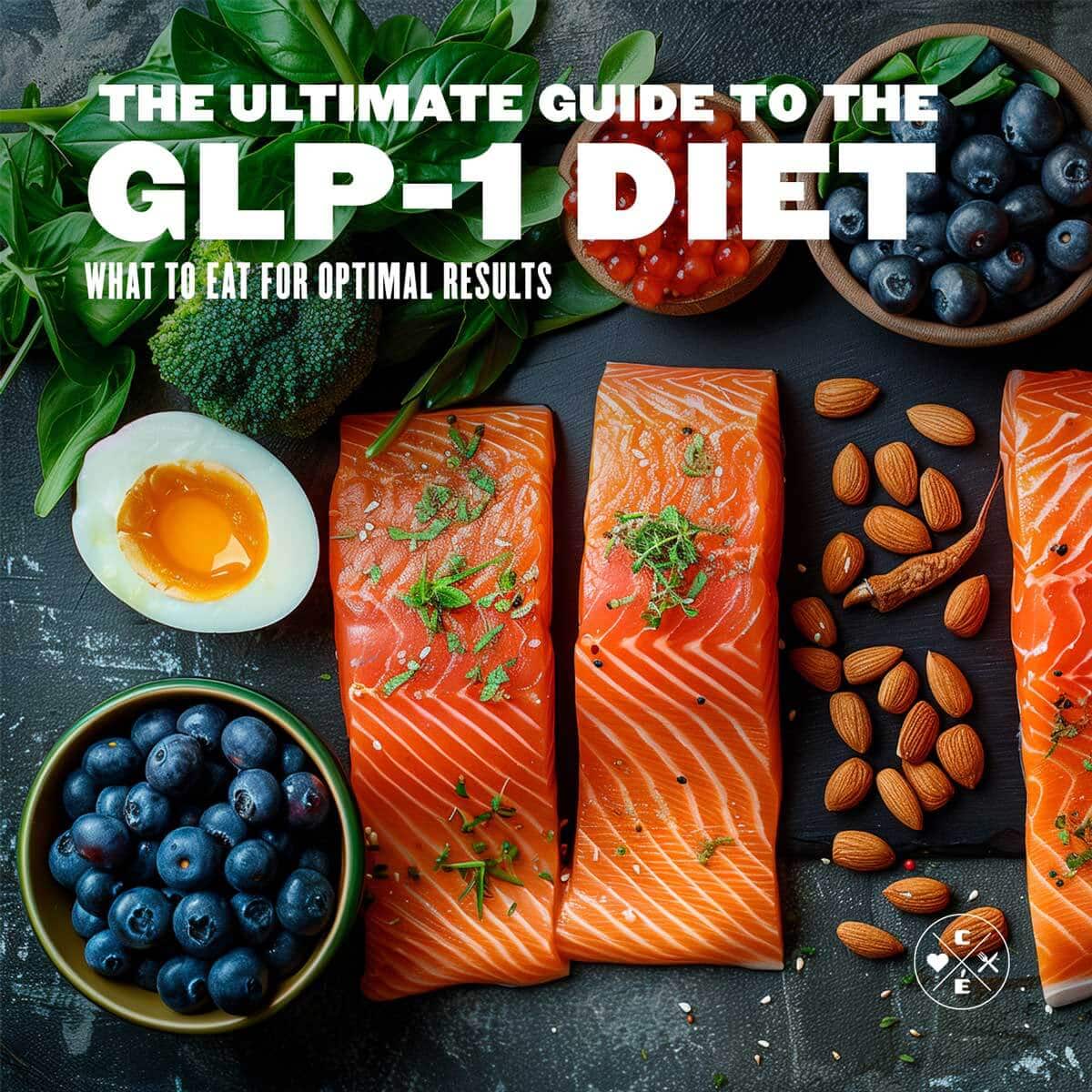
For a full approach, see our complete GLP-1 diet guide. If cooking is the hard part on low-energy days, our GLP-1 Meal Plan delivers high-protein, portion-controlled meals that are ready in minutes, with no subscription required.
When to Call Your Doctor
Get medical help promptly for:1
- Severe stomach pain that won't go away, with or without vomiting (possible pancreatitis or bowel blockage)
- Pain in the upper right abdomen, fever or yellowing of the skin or eyes (possible gallbladder problem)
- Vomiting or diarrhea that keeps you from holding down fluids, or much less urination (possible dehydration and kidney strain)
- Sudden vision loss or vision changes
- Swelling of the face, lips or throat, or trouble breathing (allergic reaction)
- A lump or swelling in the neck, hoarseness or trouble swallowing
Frequently Asked Questions
What are the lesser-known side effects of Ozempic?
Beyond nausea and other common GI symptoms, they include severe constipation or bowel blockage, fatigue, hair loss during rapid weight loss, muscle loss, gallstones, kidney injury from dehydration, a risk of inhaling stomach contents during anesthesia, worsening of existing diabetic eye disease and, very rarely, sudden vision loss (NAION).
Does Ozempic cause hair loss?
Hair loss has been reported with semaglutide. It usually reflects rapid weight loss and low food intake rather than a direct effect of the drug, and it often settles once weight and eating stabilize. Getting enough protein and calories helps.
Can Ozempic affect your mental health?
The FDA's review found no evidence that GLP-1 medicines like Ozempic cause suicidal thoughts or actions, and in January 2026 it asked for that warning to be removed from GLP-1 labels. Mood can still change during big shifts in eating and weight, so tell your prescriber about any changes. In a crisis, call or text 988 in the US.
Does Ozempic cause muscle loss?
Some lean mass loss happens with any large weight loss. In a major semaglutide trial, lean mass made up about 38% of weight lost, and roughly half of that is muscle. Eating about 80-120 grams of protein a day and strength training at least 2-3 times a week help protect it.
What are the long-term risks of taking Ozempic?
The main ones on the label are pancreatitis, gallbladder disease, kidney injury from dehydration, worsening diabetic retinopathy in people who already have it, and a boxed warning about thyroid C-cell tumors based on rodent studies (whether this applies to humans is unknown). Ozempic is also approved to lower heart and kidney risks in people with type 2 diabetes. Regular check-ins with your prescriber are the way to weigh both.
Who should not take Ozempic?
People with a personal or family history of medullary thyroid carcinoma or MEN 2, and people who have had a serious allergic reaction to semaglutide. Anyone with a history of pancreatitis, gallbladder disease, diabetic eye disease or kidney problems, or who is pregnant or planning a pregnancy, should talk with their prescriber first.
References
- OZEMPIC (semaglutide) injection [prescribing information]. Novo Nordisk; 2026. FDA label.
- FDA approves new indication for Ozempic to lower kidney risks in type 2 diabetes and CKD. Healio. January 28, 2025. Link
- Mozaffarian D, et al. Nutritional priorities to support GLP-1 therapy for obesity: a joint advisory. Am J Clin Nutr. 2025. Full text
- European Medicines Agency. PRAC concludes eye condition NAION is a very rare side effect of semaglutide medicines Ozempic, Rybelsus and Wegovy. June 6, 2025. Link
- U.S. Food and Drug Administration. Update on FDA's ongoing evaluation of reports of suicidal thoughts or actions in patients taking a certain type of medicines approved for type 2 diabetes and obesity. Link
This content is for educational purposes only and is not a substitute for advice from a qualified healthcare professional.