Table of Contents
Quick answer: The souping diet is a short-term eating pattern where most meals are based on soups—vegetable-heavy, low in calories, and easy to batch-cook. For some people it leads to better veggie intake, improved fullness, and fewer calories overall. But many viral souping plans are too low in protein, too high in sodium, and not sustainable. A healthier alternative? A soup-forward week: soups form the base of meals, but you add measured protein and smart carbs so the plan stays balanced and satisfying.
Last updated: March 8, 2026
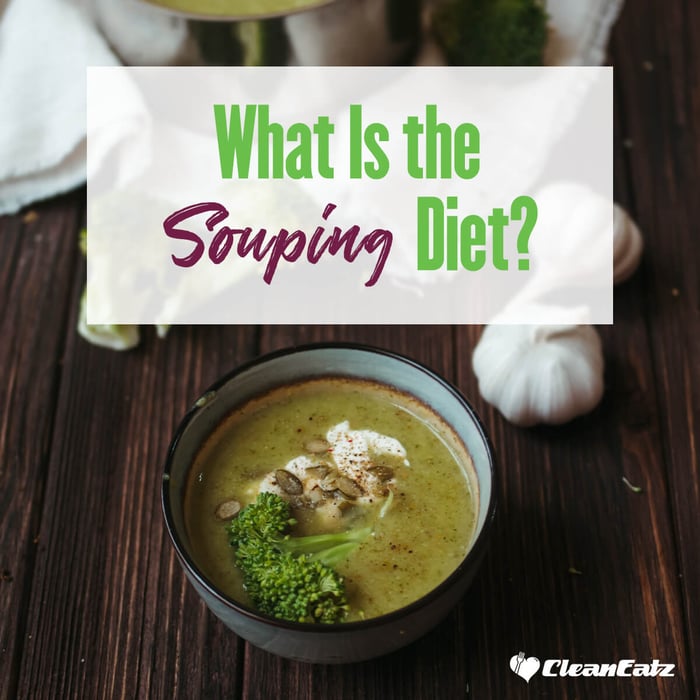
What Is the Souping Diet?
If you’ve ever heard people ask “what is the souping diet and why is it trending?” the idea is simple: souping means structuring most or all meals around soups—pureed or chunky—for anywhere from a few days to two weeks.
Some versions focus exclusively on blended vegetable soups; others include beans, lentils, grains, or small amounts of lean proteins. These approaches gained popularity as a gentler, more filling alternative to juice cleanses. Unlike juicing, soups keep the fiber from vegetables, which supports digestion, satiety, and stable blood sugar.
However, not every version is ideal. Many buzz-worthy souping plans rely on:
ultra-low-calorie bowls
almost no protein
high-sodium broths
repetitive meals that can lead to hunger or boredom
So while the question “what is the souping diet?” may sound trendy, the reality is that its benefits depend heavily on how you build the soups.
Does It Work for Weight Loss?
Yes—but only if it creates a calorie deficit that you can realistically maintain.
Soups can support weight loss because:
They contain a high water content → increased volume without many calories.
Vegetables add fiber → slower digestion and better satiety.
Warm meals often feel more satisfying than cold ones.
However, weight loss does not come from soups alone—it depends on your total daily calorie intake. If your bowls are too low in calories, you may feel very hungry later and end up overeating. If they are high in refined carbohydrates or sodium, you may experience bloating or temporary water retention.
It’s also important to note that relying heavily on soup alone is not necessarily most balanced or sustainable way to lose weight. Long-term weight management generally works best when meals include a variety of foods that provide adequate protein, fiber, healthy fats, and overall nutrition.
For a realistic target, use our Calorie Calculator and read how long it takes to notice weight loss.
Pros & Cons of the Souping Diet
Pros
1. High volume, lower calories
The combination of broth + vegetables creates filling meals that can help reduce overall calorie intake without feeling deprived.
2. Easy batch cooking
Soups are perfect for meal prep. One pot often provides 4–6 servings, and most recipes freeze well.
3. A simple way to increase vegetable intake
Carrots, tomatoes, pumpkins, leafy greens, onions, celery, and zucchini blend well and boost micronutrients effortlessly.
Cons
1. Low protein by default
Most classic souping recipes provide minimal protein. For weight management, satiety, and muscle maintenance, aim for 20–40 g of protein per meal.
2. Excess sodium
Canned broths, bouillon cubes, and restaurant soups can be extremely salty. High sodium leads to water retention and can affect blood pressure.
3. Monotony and rebound risk
Eating soup for every meal feels restrictive. Many people end up craving texture, chewing, and variety, which can trigger overeating once the plan ends.
4. May be too low in energy
Very low-calorie souping diets can cause fatigue, headaches, poor exercise performance, and reduced nutrient intake.
5. Limited nutrient variety
If most meals are soup-based, it can be harder to include a wide variety of foods. Over time, this may reduce intake of certain nutrients that come from foods not commonly included in soups, such as healthy fats, whole grains, or different protein sources.
A Balanced Soup Formula (Add Protein + Smart Carbs)
Use this template to turn any soup into a balanced meal:
- Base: 2–3 cups vegetable soup (tomato, carrot, squash, minestrone, chicken-veg, etc.).
- Protein (choose one): 4–6 oz cooked chicken, turkey, shrimp, salmon, tuna, tofu/tempeh, or ¾–1 cup beans/lentils.
- Smart carbs (measured): ½–1 cup cooked rice, potatoes, farro, barley, or whole-grain pasta (optional but helpful for training days).
- Fats (measured): 1–2 tsp olive oil or a sprinkle of cheese/nuts for flavor.
- Season to taste: herbs, lemon, chili, and vinegar; go light on salt if using canned broth.
Prefer drinkable options? See Juicing vs Blending—but keep a protein source nearby so you stay full.
1-Day Soup-Forward Sample Menu (≈1,600–2,000 kcal)
- Breakfast: Greek yogurt + berries + measured granola (or Overnight Oats).
- Lunch: Tomato-basil soup (2–3 cups) + 5 oz grilled chicken + ½ cup cooked rice + side salad.
- Snack: Cottage cheese + fruit or a protein bar.
- Dinner: Chicken & vegetable soup (3 cups) + ¾ cup beans + 1 tsp olive oil + herbs.
Make life easy with our Weight-Loss Meal Plan or customize a week via Build-a-Meal Plan. Keep proteins on hand with the High-Protein Box.
Souping vs. Juicing vs. Smoothies
| Approach | Fiber | Protein | Fullness | Best Use |
|---|---|---|---|---|
| Souping | High (veg/legumes) | Low unless you add it | Good (volume + warmth) | Meal base when you add protein/smart carbs |
| Juicing | Low (fiber removed) | Very low | Lower | Small veggie-forward side drink; see guide |
| Smoothies | Moderate–High | Good if you add powder/yogurt | Good | Quick meal/snack with protein + measured add-ins |
Make It Sustainable
- Hit protein at every meal (20–40 g). Consider adding a scoop of Protein Powder to blended veggie soups after cooking (stir, don’t boil).
- Watch sodium: choose low-sodium broth and season with acid (lemon/vinegar), herbs, and spices.
- Hydrate: alternate plain water with a light electrolyte mix on hot/training days—see electrolyte guide.
- Train smart: pair your plan with 2–3 strength sessions/week and daily steps; review healthy lifestyle hacks.
- Calorie targets: use the Calorie Calculator to set your deficit/surplus; for carb strategy see carbs & weight loss.
Related Reading
- Juicing vs Blending
- Electrolytes: Best Water Supplements
- How Long Does It Take to Notice Weight Loss?
- Carbs & Weight Loss
FAQs
Is the souping diet good for weight loss?
It can help reduce calories, but you’ll get better results by making soups the base of balanced meals and ensuring 20–40 g protein per meal. It’s also important to include a variety of foods—such as lean proteins, vegetables, whole grains, and healthy fats—since relying on soup alone may not provide the most balanced or sustainable approach to weight loss.
How long should I “soup”?
If you choose to try it, shorter periods (for example, about a week) may work well for convenience and increasing vegetable intake.
What soups are best?
Broth-based vegetable soups you can bulk up with protein and measured carbs (e.g., chicken-veg + beans + rice). Creamy soups can fit if portions are small and protein is added.
Can I exercise on a souping plan?
Yes—prioritize protein and consider a small carb side before harder sessions. If you train fasted, keep intensity modest; see our guide.
What about sodium?
If sodium is a concern for you, opt for low-sodium broth and season with herbs, spices, and acids. If you sweat heavily or it’s hot, see our electrolyte guide.
Disclaimer: This article is for general information only and isn’t medical advice. If you have medical conditions or take medications, work with your clinician.