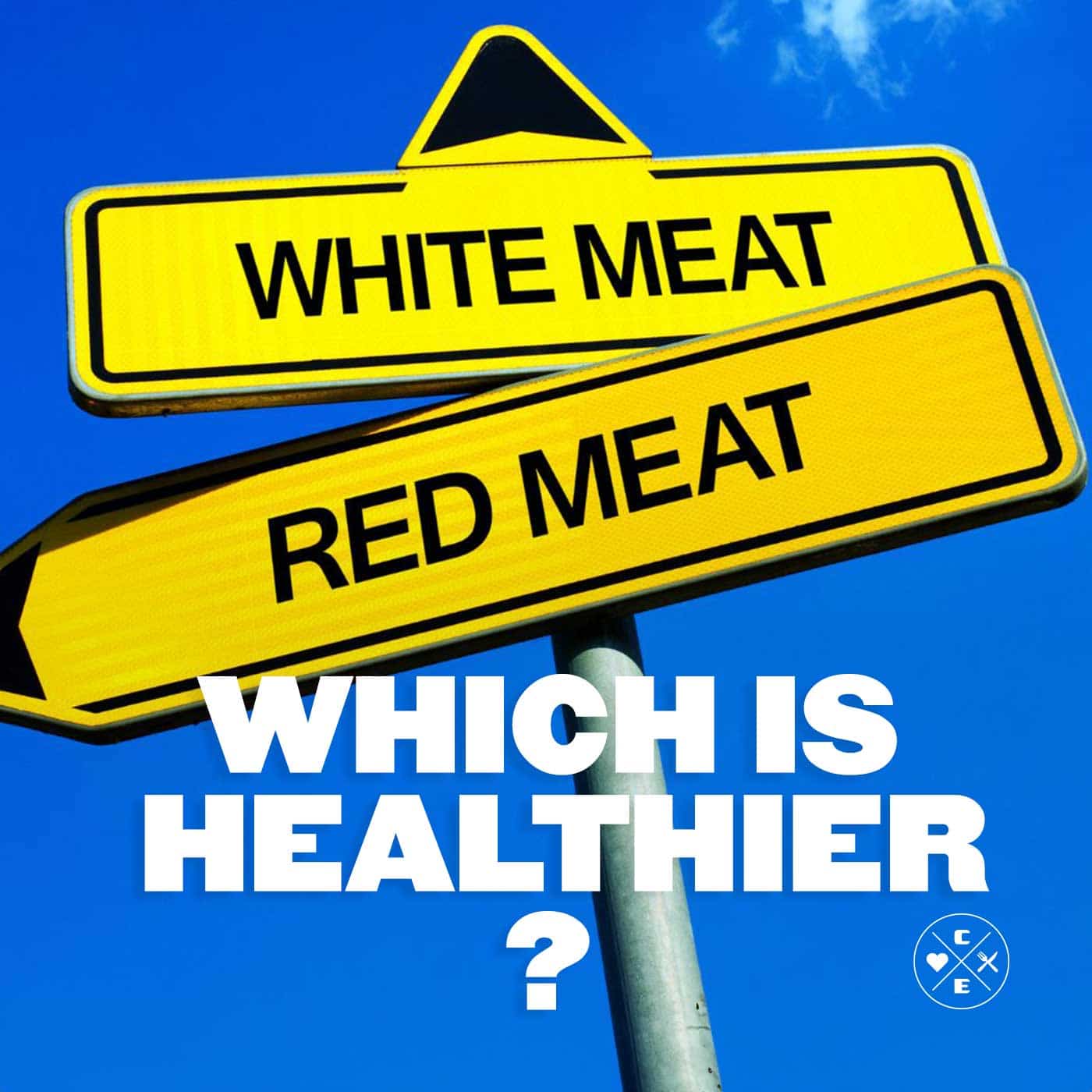

Quick Answer: White meat (chicken, turkey, fish) is generally the healthier choice. A 2025 meta-analysis of 60 studies confirms that red meat consumption is linked to increased risks of colorectal cancer, heart disease, and type 2 diabetes—while white meat appears protective. That said, lean cuts of red meat offer valuable iron, zinc, and B12. The best approach? Prioritize white meat and fish, limit red meat to 350g (12 oz) per week, and avoid processed meats like bacon and sausage.
Table of Contents
- What Are White Meat and Red Meat?
- Nutritional Comparison
- Health Benefits of Each
- Health Risks to Consider
- What 2025 Research Says
- Practical Recommendations
- FAQs
White meat versus red meat: It's a dietary debate that has been simmering for years. While many health-conscious individuals have long favored chicken and turkey over beef and pork, recent research has clarified just how significant the differences really are.
In this article, we'll take an evidence-based look at the latest scientific findings—including a comprehensive 2025 meta-analysis—to help you understand how these protein sources compare. We'll explore their nutritional profiles, health benefits, associated risks, and practical guidance for including both in a balanced diet.
What Are White Meat and Red Meat?
The distinction between white and red meat comes down to one protein: myoglobin. This oxygen-binding protein in muscle tissue gives meat its color—the more myoglobin present, the redder the meat appears.
White Meat
White meat comes primarily from poultry (chicken, turkey) and fish. These proteins contain lower levels of myoglobin, resulting in lighter-colored flesh that stays pale even after cooking. White meat is known for its lean profile and tender texture, making it a versatile choice for everything from quick weeknight dinners to meal prep staples. If you're building a high-protein meal plan, chicken breast is often the foundation.
Red Meat
Red meat comes from mammals—beef, pork, lamb, and venison. The higher myoglobin content gives these meats their characteristic red color when raw and deeper brown when cooked. Red meat offers a robust flavor profile and higher iron content, with cuts ranging from lean (sirloin, tenderloin) to fatty (ribs, certain steaks).
One common misconception: pork is red meat, not white. Despite decades of "the other white meat" marketing, the USDA classifies pork as red meat because pigs are livestock animals with myoglobin levels similar to beef.
Nutritional Comparison
Both white and red meat deliver high-quality protein and essential nutrients, but their profiles differ in important ways.
White Meat Nutrition
White meat is generally lower in saturated fat and calories. A 4-ounce serving of chicken breast provides about 31 grams of protein with only 3 grams of fat. It's an excellent source of niacin (vitamin B3), vitamin B6, vitamin B12, selenium, and phosphorus. Fish adds the bonus of omega-3 fatty acids, which support heart and brain health.
Red Meat Nutrition
Red meat shines in certain micronutrients. It's particularly rich in heme iron (the form most easily absorbed by your body), zinc, and vitamin B12. These nutrients are crucial for oxygen transport, immune function, and nerve health. Red meat also contains creatine and carnosine—compounds that support muscle energy production and may enhance exercise performance.
The tradeoff? Red meat typically contains more saturated fat and cholesterol. A 4-ounce serving of lean beef has about 9 grams of fat (4 grams saturated) compared to chicken breast's 3 grams total.
For a complete breakdown of protein sources that support weight management, see our Best Foods for Weight Loss guide.
Health Benefits of Each
Benefits of White Meat
White meat offers several advantages for health-conscious eaters. Its lower saturated fat content makes it easier to fit into heart-healthy eating patterns. The high-quality protein supports muscle maintenance and growth without excess calories—one reason chicken breast remains a fitness staple. Fish provides omega-3 fatty acids that reduce inflammation and support cardiovascular health, with fatty fish like salmon offering the highest concentrations.
Research published in Nutrients found that white meat consumption showed no significant association with cardiovascular disease or mortality risk, and may even offer protective effects.
Benefits of Red Meat
Red meat deserves credit for its nutrient density. The iron in red meat is heme iron, which your body absorbs far more efficiently than plant-based iron—important for preventing anemia, especially in women and athletes. The zinc content supports immune function and wound healing, while B12 is essential for nerve function and energy metabolism.
For those focused on muscle building, red meat provides creatine naturally. This compound helps regenerate ATP during high-intensity exercise, supporting strength and power output. Carnosine, another compound found in red meat, acts as an antioxidant in muscle tissue and may improve exercise performance.
Health Risks to Consider
Red Meat Risks
The evidence linking red meat to health risks has grown stronger. A 2025 meta-analysis published in Heliyon analyzed 60 studies and found that red meat consumption is associated with a 22% increased risk of colon cancer, a 15% increased risk of colorectal cancer overall, and elevated risks of cardiovascular disease and type 2 diabetes.
Several mechanisms explain these associations. Heme iron, while beneficial in moderate amounts, can promote oxidative stress and the formation of carcinogenic compounds in the gut when consumed in excess. High-temperature cooking methods (grilling, frying) create heterocyclic amines (HCAs) and polycyclic aromatic hydrocarbons (PAHs)—compounds classified as probable carcinogens.
Processed red meats pose the greatest concern. Bacon, sausage, hot dogs, and deli meats contain added nitrites and nitrates that can form carcinogenic nitrosamines. The World Health Organization classifies processed meat as a Group 1 carcinogen—the same category as tobacco smoking.
White Meat Risks
White meat isn't entirely without concerns. A 2019 study from the National Institutes of Health found that both white and red meat can raise LDL cholesterol levels when consumed in large amounts—challenging the assumption that white meat is always heart-healthy.
Additionally, industrial poultry farming often involves antibiotic use, contributing to antibiotic-resistant bacteria. Proper cooking is essential to avoid foodborne illness from pathogens like Salmonella and Campylobacter.
Processed white meat products (chicken nuggets, turkey bacon, deli chicken) share similar concerns as processed red meat—high sodium, unhealthy fats, and various additives.
What 2025 Research Says
The most comprehensive recent analysis comes from a 2025 systematic review published in Heliyon, which synthesized evidence from 60 observational studies. The conclusions are clear:
Red meat consumption is associated with increased risks of colorectal cancer, cardiovascular disease, and type 2 diabetes. The researchers attribute this primarily to high heme iron and saturated fat content, along with compounds like TMAO (trimethylamine-N-oxide) that form during red meat metabolism.
White meat consumption demonstrates a more favorable risk profile and may be protective against these conditions. The researchers recommend limiting red meat to less than 350 grams per week and prioritizing white meat, fish, and plant-based proteins.
Based on this evidence, dietary guidelines from the World Cancer Research Fund, European health authorities, and the USDA all recommend moderating red meat intake while encouraging lean poultry and fish.
Practical Recommendations
Here's how to apply the research to your daily eating:
Prioritize white meat and fish. Make chicken, turkey, and fish your primary animal protein sources. Aim for fish at least twice weekly to get omega-3 benefits.
Limit red meat to 12-18 ounces per week. That's roughly 3-4 servings. Choose lean cuts like sirloin, tenderloin, or 90% lean ground beef when you do eat red meat.
Avoid or minimize processed meats. Bacon, sausage, hot dogs, and deli meats carry the highest health risks. Save them for occasional treats rather than daily staples.
Choose healthier cooking methods. Baking, roasting, poaching, and stewing produce fewer harmful compounds than high-heat grilling or frying. If you do grill, avoid charring and flip meat frequently.
Balance with plant proteins. Beans, lentils, tofu, and other plant proteins offer health benefits with none of the risks associated with red meat. Our Complete Meal Prep Guide includes recipes featuring both animal and plant proteins.
The Bottom Line
Both white and red meat can be part of a healthy diet, but the evidence favors white meat for regular consumption. White meat offers lean protein with fewer associated health risks, while red meat—though nutrient-dense—should be enjoyed in moderation.
The most important takeaways: prioritize chicken, turkey, and fish as your main protein sources; limit red meat to a few servings per week; avoid processed meats; and use cooking methods that minimize harmful compound formation.
At Clean Eatz Kitchen, we make it easy to follow these guidelines. Our Build Your Meal Plan option lets you choose from both lean white and red meat proteins, all portion-controlled and prepared with your health goals in mind. Whether you prefer grilled chicken, lean beef, or a mix of both, you'll get the protein you need without the guesswork.
Frequently Asked Questions
Is white meat healthier than red meat?
Current research suggests white meat has a more favorable health profile. A 2025 meta-analysis of 60 studies found red meat is associated with increased risks of colorectal cancer, cardiovascular disease, and type 2 diabetes, while white meat shows protective effects. Both can fit into a healthy diet, but white meat should be prioritized.
How much red meat is safe to eat per week?
Health authorities recommend limiting red meat to 350-500 grams (12-18 ounces) per week. The World Cancer Research Fund suggests staying under 18 ounces weekly. Processed meats like bacon and sausage should be limited even further or avoided entirely.
What makes red meat red and white meat white?
The color difference comes from myoglobin, a protein in muscle tissue that stores oxygen. Red meat contains higher levels of myoglobin, while white meat has lower amounts. Muscles used more frequently have more myoglobin—which is why chicken legs are darker than breast meat.
Can I build muscle eating only white meat?
Absolutely. Chicken breast provides about 31 grams of protein per 4-ounce serving with minimal fat, making it excellent for muscle growth. While red meat offers creatine and carnosine that support muscle function, white meat provides all essential amino acids needed for muscle protein synthesis.
Is pork considered red meat or white meat?
Pork is classified as red meat by the USDA, despite old marketing calling it "the other white meat." Pork contains more myoglobin than poultry and fish, and pigs are livestock animals grouped with cattle and lamb. Nutritionally, pork shares characteristics with other red meats.
References
- Wang, Z., et al. (2025). Red meat vs. white meat: A comparative analysis of histological characteristics, nutritional profiles, and health implications. Heliyon. https://doi.org/10.1016/j.heliyon.2025.e40582
- Lupoli, R., et al. (2021). White Meat Consumption, All-Cause Mortality, and Cardiovascular Events: A Meta-Analysis of Prospective Cohort Studies. Nutrients, 13(2), 676. https://doi.org/10.3390/nu13020676
- Giromini, C., & Givens, D.I. (2022). Benefits and Risks Associated with Meat Consumption during Key Life Processes and in Relation to the Risk of Chronic Diseases. Foods, 11(14), 2063. https://doi.org/10.3390/foods11142063
- National Institutes of Health. (2019). Study: Red and White Meat Might Have Equal Effects on Blood Cholesterol. NHLBI News.
- World Cancer Research Fund. (2018). Recommendations and public health and policy implications. Continuous Update Project Expert Report.
- NHS. (2022). Meat in Your Diet. https://www.nhs.uk/live-well/eat-well/food-types/meat-nutrition/