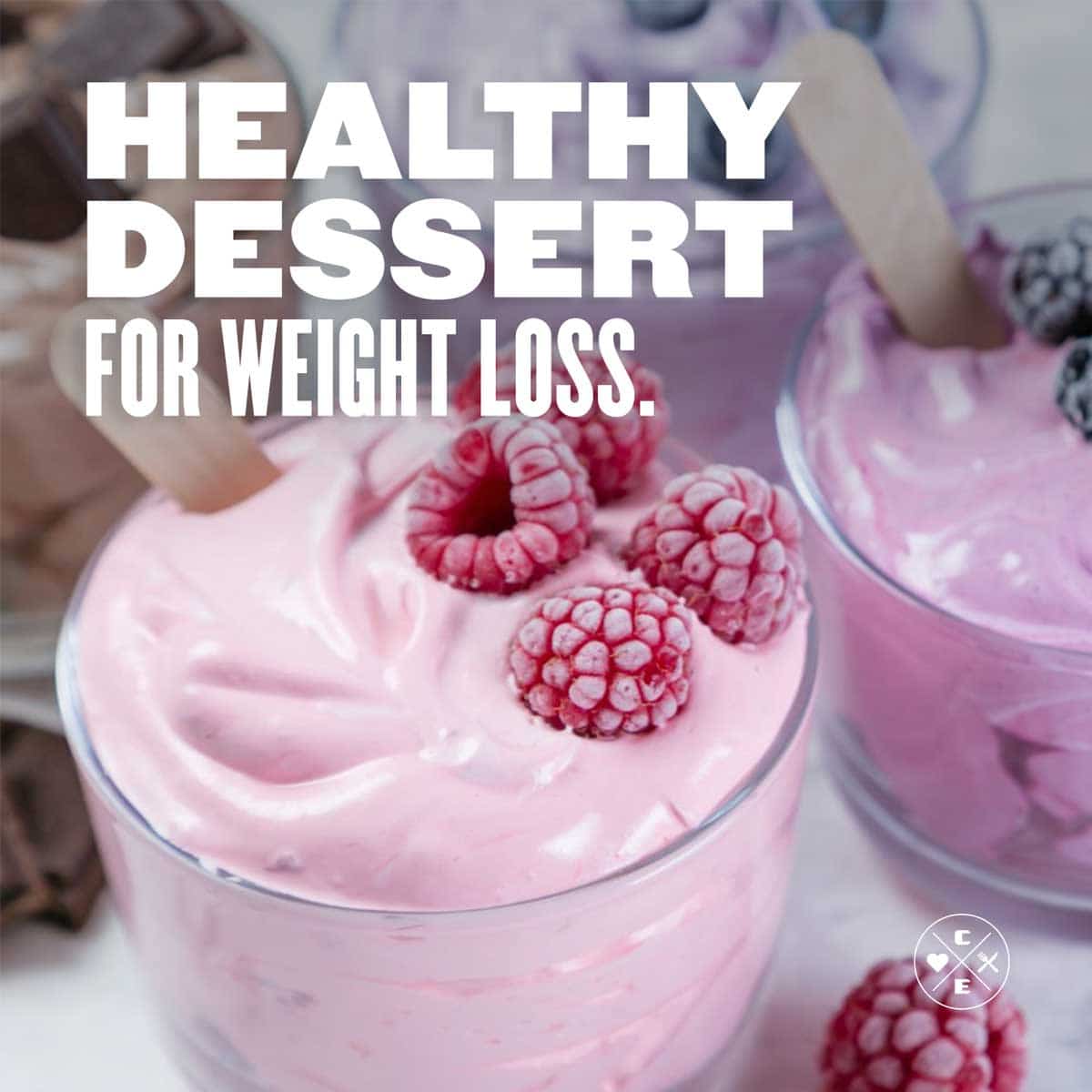

Quick Answer: Yes—dessert can absolutely fit into a weight-loss plan. They can be enjoyed as part of an overall healthy, balanced eating pattern that supports your goals rather than derailing them. The key is choosing treats that are protein-forward, fiber-rich, lower in added sugar, and portion-aware. Think Greek yogurt, cottage cheese, fruit, cocoa, and small amounts of dark chocolate or peanut butter for flavor.
Why Dessert Doesn't Have to Wreck our Progress
When given diet advice, you’ve probably been told that desserts are off-limits. While restricting them may work in the short term, it’s often more harmful than helpful for long-term weight loss and overall health.
Completely cutting out treats might feel manageable for a few weeks, but strict restriction can increase cravings, lead to overeating later on, and make healthy habits harder to sustain.
The more effective approach? Learn how to enjoy dessert intentionally. If you’re following a meal plan, try building dessert into it rather than treating it as a “cheat.” By choosing options that are fulfilling both mentally and physically, and enjoying them mindfully as part of a balanced eating pattern—you can satisfy cravings, support consistency, and make weight loss more sustainable long term.
Think about it this way: when you know you have something sweet to look forward to, you’re less likely to feel deprived or swing between restriction and overindulgence.
When intentionally incorporating dessert into your meal plan, aim for options that work with your goals rather than against them. Prioritizing protein (which supports fullness), fiber (which slows digestion and helps steady blood sugar), and keeping added sugars modest can make desserts more satisfying and supportive of long-term consistency.
The Dietary Guidelines recommend keeping added sugar under 10% of daily calories, and the American Heart Association suggests even less for heart health.1, 2
That also means recognizing that not every dessert has to be high in protein or “perfect” to fit. Occasionally enjoying something higher in sugar doesn’t mean it’s “bad” or that it derailed your progress. What matters most is awareness, portion control, and how that choice fits into your overall eating pattern.
For a deeper look at foods that support weight loss—including satisfying options for every meal—see our complete guide to the best foods for weight loss.
How to Build a Weight-Loss-Friendly Dessert
You don't need fancy recipes. Most healthy desserts follow a simple formula: start with a protein base, add fruit or fiber, layer in flavor, and optionally include a small measured portion of something indulgent.
- Start with protein. Greek yogurt, cottage cheese, or a scoop of protein powder gives your dessert staying power. Protein is the most satiating macronutrient, so a dessert with 15–20 grams of protein will actually satisfy you instead of leaving you wanting more.3
- Add fruit or fiber. Berries, sliced banana, baked apple, chia seeds, or a spoonful of oats all add volume, natural sweetness, and fiber. The fiber helps slow digestion, so you don't get a blood sugar spike followed by a crash and more cravings.
- Layer in flavor. This is where dessert becomes dessert. Cocoa powder, vanilla extract, cinnamon, citrus zest, espresso powder, or peppermint extract add richness without adding many calories. A tablespoon of cocoa powder has about 12 calories and makes almost anything taste like chocolate.
- Add something indulgent (measured). A teaspoon of peanut butter, a few mini chocolate chips, 10–15 grams of dark chocolate, or some crushed nuts. Because these foods can be calorie-dense, portion size matters. That said, including a small amount of the real thing is often more satisfying, and more sustainable, than trying to replace it entirely with a “healthier” substitute.
10 Healthy Dessert Ideas
All of these can be adjusted based on your specific calorie and macro targets. The numbers below are estimates, your brands and portions may vary.
1. Greek Yogurt Parfait (180–220 cal, 18–22g protein)
Layer nonfat Greek yogurt with half a cup of mixed berries, a tablespoon of oats, a dash of cinnamon, and a drop of vanilla. Simple, satisfying, and takes about two minutes to assemble.
2. Cottage Cheese "Cheesecake" Bowl (170–210 cal, 18–24g protein)
Blend low-fat cottage cheese with vanilla extract and lemon zest until smooth. Top with a quarter cup of blueberries. It tastes surprisingly close to cheesecake filling without the crust or the calories.
3. Chocolate Protein Mug Cake (190–230 cal, 18–25g protein)
Mix one scoop of chocolate or vanilla protein powder with a tablespoon of cocoa powder, a tablespoon of oats, and enough water to form a thick batter. Microwave for 45–75 seconds. Add a teaspoon of mini chocolate chips on top if you want extra indulgence.
4. Chia Pudding (180–220 cal, 8–12g protein, 6–8g fiber)
Stir a tablespoon of chia seeds into three-quarters cup of skim or soy milk with vanilla extract. Refrigerate until thick (at least a few hours or overnight). Top with diced mango or berries.
5. Baked Cinnamon Apples (150–190 cal, 3–4g fiber)
Core a small apple, sprinkle generously with cinnamon, and bake or air-fry until soft. Finish with two tablespoons of vanilla Greek yogurt on top. Tastes like apple pie without the pie.
6. Banana "Nice Cream" (180–230 cal, 12–20g protein)
Blend one small frozen banana with half a cup of Greek yogurt and a tablespoon of cocoa powder or a splash of vanilla. Freeze for 20–30 minutes until it reaches soft-serve consistency.
7. Dark Chocolate and Berries (150–200 cal)
Sometimes simple is best. Ten to fifteen grams of 70–85% dark chocolate with half a cup of fresh strawberries or raspberries. The chocolate is rich enough that a small amount goes a long way.
8. PB-Cocoa Yogurt Swirl (180–220 cal, 18–22g protein)
Swirl a teaspoon of peanut butter and a teaspoon of cocoa powder into Greek yogurt. Add a pinch of salt to bring out the flavors. Tastes like a peanut butter cup in bowl form.
9. Protein Pudding (150–200 cal, 15–25g protein)
Whisk a scoop of protein powder into three-quarters cup of milk with cocoa powder or vanilla. Refrigerate until it thickens into pudding consistency. No cooking required.
10. Mocha Frozen Yogurt Bark (120–160 cal per serving, 10–15g protein)
Spread Greek yogurt on a parchment-lined tray. Swirl in espresso powder, cocoa, and a few mini chocolate chips. Freeze until solid, then break into pieces. Keep in the freezer for whenever cravings hit.
The No-Prep Option
Not everyone wants to blend cottage cheese at 9pm. Sometimes you just want to open something and eat it.
That's exactly why we created the Clean Eatz Protein Dessert Bar. It's a ready-to-eat treat with protein built in, portion-controlled so you don't have to measure anything, and designed to satisfy a sweet craving without derailing your day.
Keep a few in your desk, your gym bag, or your pantry for those moments when you want dessert but don't want to make anything. The work is already done.
Common Pitfalls (and How to Avoid Them)
Date-nut energy balls. These get marketed as health food, but they're calorie-dense—dates are basically nature's candy. They can fit into a weight loss plan, but weigh them or make them smaller than recipes suggest. A 200-calorie "energy ball" that you thought was 80 calories adds up fast.
"Low-fat" products with added sugar. Food manufacturers often remove fat and add sugar to compensate for flavor. Check labels. You want low-fat AND low sugar, with protein as a bonus.
Portion creep. The first Greek yogurt parfait is 200 calories. By the third week, you're adding extra granola, more peanut butter, a drizzle of honey... and now it's 400 calories. Plate single servings and put the rest away before you eat.
Frequently Asked Questions
Can I eat dessert and still lose weight?
Absolutely—when calories and portions are controlled. Many people find that a planned small dessert actually improves adherence because it reduces feelings of deprivation. The key is making it part of your plan rather than an afterthought.
Are zero-calorie sweeteners okay?
They can help cut calories when replacing sugar. Research often shows modest weight benefits compared to sugar, though long-term observational data are mixed.4 Use them if they help you stick to your plan without overdoing sweet flavors in general.
What's a smart calorie target for dessert?
Around 100–250 calories works for most weight-loss plans. Also, aim for 10–20 grams of protein so it actually keeps you satisfied until your next meal.
What makes a dessert good for weight loss?
Protein, fiber, and controlled portions. Desserts built on Greek yogurt, cottage cheese, or protein powder give you staying power. Adding fruit provides fiber and natural sweetness. Keeping added sugar modest prevents blood sugar spikes and the cravings that follow.
Make the Rest of Your Meals Easy Too
If you're saving calories for dessert, you need the rest of your meals to be satisfying and macro-friendly. Our Weight Loss Meal Plan features calorie-controlled, protein-rich meals that make it easier to stay on track—so you have room for something sweet without stressing about the math.
Want to build your own lineup? Create a custom meal plan with exactly the meals that fit your targets. You can check macros for everything on our nutrition info page before you order.
Related Reading
Is Peanut Butter Good for Weight Loss?
Best and Worst Snack Foods
10 Healthy Breakfast Ideas for Weight Loss
Low-Fat Smoothies for Weight Loss
References
1. Dietary Guidelines for Americans 2020–2025. Added sugars: less than 10% of calories per day. dietaryguidelines.gov
2. American Heart Association. Added sugars guidance. heart.org
3. JISSN Position Stand. Protein and satiety. JISSN
4. WHO 2023 guideline on non-sugar sweeteners. WHO
Disclaimer: This content is provided for informational use only and is not intended as medical advice or as a substitute for the medical advice of a healthcare professional.