Best anti-inflammatory foods to build your meals around

15 anti-inflammatory foods to build your meals around

Fatty fish, olive oil, berries, greens, nuts and legumes lead the list. Here are 15 foods with the best evidence behind them, with USDA numbers per serving and an honest read on what each one can do.

  • Free Shipping on Every Meal PlanFree Shipping
  • Up to 20% Off 30-Meal PlansUp to 20% Off
  • Chef Cooked, Dietitian BuiltDietitian Built
  • Heat & Eat in MinutesHeat & Eat
SaVanna Shoemaker, MS, RDN, LD
SaVanna Shoemaker, MS, RDN, LDRegistered Dietitian Nutritionist · Sep 20, 2026
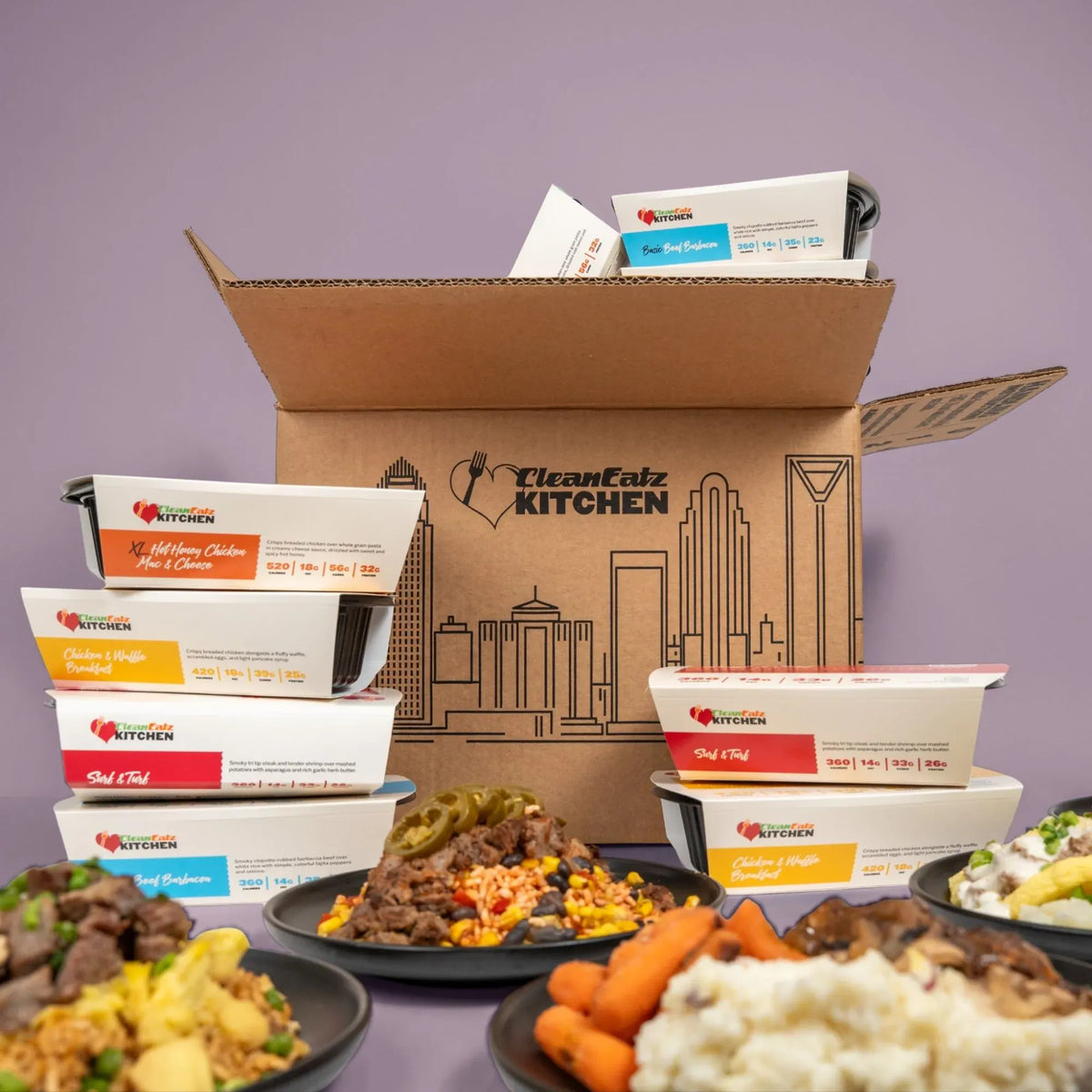
Clean Eatz Kitchen High Fiber Meal Plan box with vegetable-packed meals
Quick answer

The anti-inflammatory foods with the strongest evidence are fatty fish like salmon and sardines, extra-virgin olive oil, berries, leafy greens, nuts, beans and lentils. Together they form the Mediterranean pattern, and in a 12-month trial that pattern cut C-reactive protein by 45 percent against a low-fat diet. No single food does that alone. Build most meals from these 15 and the pattern takes care of itself.

Inflammation is your immune system doing its job. The kind that worries doctors is the low, steady kind you can't feel, which shows up in blood tests as markers like C-reactive protein (CRP) and interleukin-6 (IL-6). Harvard Health links that persistent inflammation to heart disease, diabetes and arthritis.

Food can nudge those markers, but most of the evidence comes from whole eating patterns, not single foods. So we read the research behind each food here and say plainly where it's strong and where it's thin. If you have an inflammatory condition, are pregnant or take blood thinners, talk with your doctor or a registered dietitian before you change your diet in a big way.

1

Salmon

Best evidence
1.8g EPA+DHA per 3 oz · 175 calories · 19g protein

Salmon leads most lists of top anti inflammatory foods because of omega-3 fat. A 3-ounce cooked fillet of farmed Atlantic salmon has about 1.8 grams of EPA and DHA, the omega-3s your body uses to settle inflammation down. A 2014 meta-analysis of 68 trials found that fish oil supplements lowered CRP, IL-6 and TNF-alpha, and that eating fish lowered IL-6 in people with chronic disease. No other food here has a signal that clear.

How to eat it: roast a fillet at 425°F for 10 to 12 minutes with olive oil and lemon, twice a week. If cooking fish isn't happening, our High Protein Meal Plan adds two extra ounces of meat to every chef-cooked meal.

2

Sardines

Budget pick
0.9g EPA+DHA per can · 191 calories · 23g protein

Sardines tell the same omega-3 story for a fraction of the price. One 3.75-ounce can packed in oil, drained, has about 0.9 grams of EPA and DHA, 23 grams of protein and 351 milligrams of calcium from the soft bones. No cooking, and a can keeps for years.

How to eat them: mash a can with lemon, black pepper and mustard on whole-grain toast.

3

Extra-virgin olive oil

Mediterranean staple
10g monounsaturated fat per tbsp · 119 calories · 2mg vitamin E

Ask what are some anti-inflammatory foods and most people picture produce. The surprise is the oil. In the PREDIMED trial, 164 adults at high heart risk ate a Mediterranean diet with 50 milliliters of extra-virgin olive oil a day, the same diet with nuts, or a low-fat diet. At 12 months, CRP and IL-6 in the olive oil group were 45 and 35 percent lower than in the low-fat group. That was a whole diet, not a spoon of oil on its own.

How to eat it: whisk 3 parts oil with 1 part lemon juice for the week's dressing. A tablespoon is 119 calories, so let it replace butter rather than join it.

4

Blueberries

Polyphenol pick
3.6g fiber per cup · 84 calories · 14mg vitamin C

Blueberries get their color from anthocyanins, the pigments that put them on every anti-inflammatory list. The trial evidence is moderate. A 2018 meta-analysis of 17 trials of anthocyanin supplements found a clear drop in TNF-alpha and better blood fats, but no significant change in CRP or IL-6. A good habit, not a treatment.

How to eat them: frozen berries cost less and taste the same in oatmeal or yogurt.

5

Strawberries

Vitamin C
89mg vitamin C per cup · 49 calories · 3g fiber

A cup of halved strawberries has 89 milligrams of vitamin C, more than an orange, for 49 calories, plus the same anthocyanin family as blueberries. Harvard Health lists them with blueberries, cherries and oranges as fruits that fight inflammation.

How to eat them: slice a cup over cottage cheese or Greek yogurt for a snack with 15 to 20 grams of protein.

6

Spinach & kale

Leafy greens
4g fiber per cooked cup of spinach · 41 calories · 5g protein

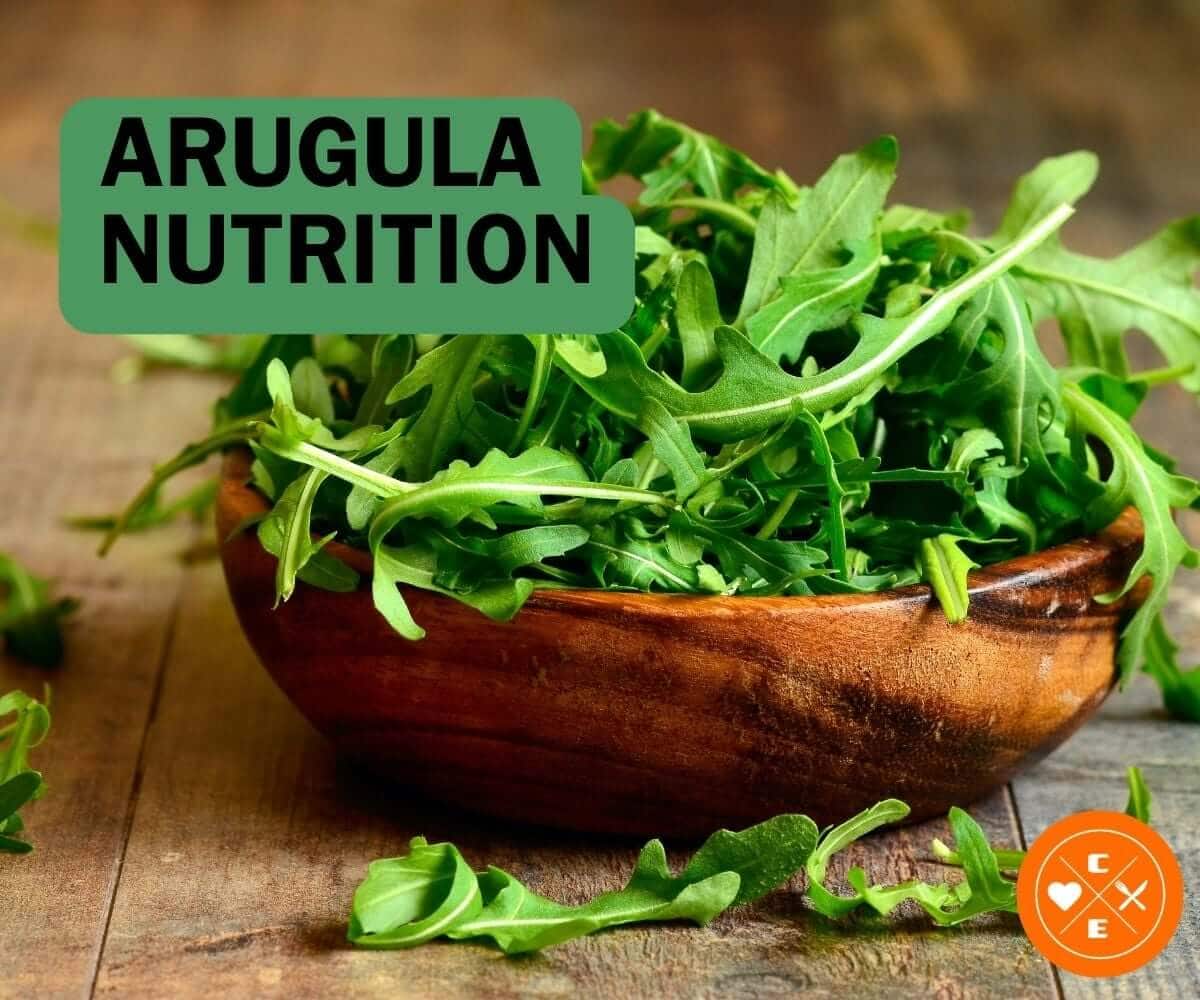
Leafy greens are the base of the eating patterns that lowered inflammatory markers in trials. A cup of cooked spinach has 41 calories, 4 grams of fiber, 5 grams of protein and several days of vitamin K. Raw kale is lighter at about 7 calories per chopped cup, so it takes a big bowl to count.

How to eat them: wilt a bag of spinach into eggs or soup in the last two minutes, or massage chopped kale with olive oil and lemon. If you take warfarin, MedlinePlus says to keep your vitamin K intake steady and ask your provider before changing how many greens you eat.

7

Broccoli

Cruciferous
5g fiber per cooked cup · 55 calories · 101mg vitamin C

Broccoli brings sulforaphane, a compound with a lot of lab research behind it. The human evidence is thinner than the headlines. A 2025 review of sulforaphane trials found six small trials on inflammation with mixed results. What broccoli can promise is 5 grams of fiber and 101 milligrams of vitamin C per cooked cup for 55 calories.

How to eat it: roast florets at 425°F with olive oil and garlic for 20 minutes, or microwave frozen florets in 4.

8

Walnuts

Plant omega-3
2.6g ALA omega-3 per ounce · 185 calories · 4g protein

Walnuts are the nut with the most plant omega-3, about 2.6 grams of ALA per ounce (14 halves). Your body converts only a little ALA into EPA and DHA, so they're not a swap for fish. A 2017 meta-analysis of 32 trials found nuts didn't move CRP in a meaningful way, though they did help blood vessels relax, and the nut arm of PREDIMED lowered CRP and IL-6 against a low-fat diet.

How to eat them: toast a handful and scatter it over oatmeal or salad. An ounce is 185 calories, so count the handful.

9

Avocado

Healthy fat
3g fiber per third of an avocado · 80 calories · 5g monounsaturated fat

Avocado earns its spot on fat profile and fiber, not inflammation trials. A third of a medium avocado (50 grams) has 80 calories, 5 grams of monounsaturated fat, the same kind as olive oil, and 3 grams of fiber. In the MESA cohort of 5,794 adults, CRP and IL-6 were no different between frequent and rare avocado eaters. A good fat to build a plate around, with no promise beyond that.

How to eat it: mash it with lime and salt under eggs, or slice it over a grain bowl in place of cheese.

10

Turmeric

Spice
10 calories per teaspoon · 0.7g fiber · curcumin is the active compound

Turmeric is the yellow spice in curry, and curcumin is the compound researchers study. A 2023 umbrella review of ten meta-analyses covering 5,870 people found that curcumin supplements lowered CRP, IL-6 and TNF-alpha. Those trials used extracts of about 300 to 1,900 milligrams a day, a supplement dose, not a pinch of spice. NCCIH warns that products vary, that some high-absorption formulas have been linked to liver harm, and that turmeric supplements may be unsafe in pregnancy. Enjoy it as food. Ask your doctor before taking it as a pill.

How to eat it: stir a teaspoon into rice, lentil soup or eggs with black pepper. Our Anti-inflammatory diet for athletes guide shows how spices fit a training week.

11

Ginger

Spice
5 calories per tablespoon, grated · 1g carbs · gingerols are the active compounds

Ginger has better trial data than most spices. A 2016 meta-analysis of nine trials found that ginger supplements lowered CRP by about 0.84 milligrams per liter, with the caveat that the studies were small and didn't all agree. NCCIH notes it can cause heartburn, and that you should check with your provider before using it as a supplement if you take medications.

How to eat it: keep a knob in the freezer and grate it frozen into stir-fries, marinades or hot water with lemon.

12

Green tea

Antioxidant
2 calories per cup · 29mg caffeine · 0g sugar

Green tea makes the list with an asterisk. Its catechins are strong antioxidants, and a 2025 meta-analysis of 38 trials found green tea improved antioxidant markers in the blood. The same review found no significant effect on CRP, IL-6 or TNF-alpha, and a 2015 review of 11 trial arms said the same about CRP. Drink it because it's a 2-calorie swap for soda, not because it will lower your CRP.

How to drink it: brew a big batch and chill it. A cup has about 29 milligrams of caffeine, a third of a cup of coffee.

13

Tomatoes

Lycopene
3mg lycopene per medium tomato · 22 calories · 17mg vitamin C

Tomatoes are the main food source of lycopene, the red carotenoid. A medium tomato has about 3 milligrams for 22 calories. A meta-analysis of nine tomato trials found a small drop in IL-6 and no significant change in CRP. Cooked counts the same as raw, so sauce, salsa and canned tomatoes all belong here.

How to eat them: simmer a can of crushed tomatoes with garlic and olive oil for a 15-minute sauce.

14

Beans & lentils

Fiber leader
18g protein per cooked cup of lentils · 230 calories · 16g fiber

Most anti inflammatory diet recipes lean on a pot of beans or lentils, and the numbers explain why. A cup of cooked lentils has 18 grams of protein and 16 grams of fiber for 230 calories, the most fiber on this list. A meta-analysis of eight trials with 464 people found a trend toward lower CRP with non-soy legumes that fell just short of significance. The fiber is the sure thing, which is why legumes top our High-fiber foods list.

How to eat them: simmer lentils 20 to 25 minutes and spoon them under salmon, or warm a rinsed can of black beans with cumin and lime.

15

Oats

Whole grain
4g fiber per cooked cup · 166 calories · 6g protein

Oats carry beta-glucan, the best-studied grain fiber. A cup cooked in water has 166 calories, 4 grams of fiber and 6 grams of protein. A 2021 meta-analysis of 23 trials found no overall change in inflammatory markers with oats, with a small, borderline drop in CRP in people who already had a health condition. Oats still earn a place as the whole grain that replaces the refined ones Harvard Health puts on the inflammatory side.

How to eat them: cook a pot of steel-cut oats on Sunday and reheat a cup with blueberries and walnuts. That's three entries before 8 a.m.

Anti-inflammatory foods at a glance

All 15 in one table

Here are all 15 anti inflammatory foods in one place, in the order above, with a serving you'd actually eat. Every number comes from USDA FoodData Central (SR Legacy), rounded. For the opposite list, an inflammatory foods chart, see the FAQ below and Harvard Health foods that fight inflammation, the reference we used for both sides.

Calories, fiber and the standout nutrient per serving, from USDA FoodData Central (SR Legacy), rounded.
Food Serving Calories Fiber Standout
Salmon 3 oz, cooked 175 0g 1.8g EPA+DHA
Sardines 1 can, drained 191 0g 0.9g EPA+DHA
Extra-virgin olive oil 1 tbsp 119 0g 10g monounsaturated fat
Blueberries 1 cup 84 3.6g Anthocyanins
Strawberries 1 cup, halved 49 3g 89mg vitamin C
Spinach & kale 1 cup cooked spinach 41 4g Vitamin K, 5g protein
Broccoli 1 cup, cooked 55 5g 101mg vitamin C
Walnuts 1 oz (14 halves) 185 2g 2.6g ALA omega-3
Avocado 1/3 medium 80 3g 5g monounsaturated fat
Turmeric 1 tsp, ground 10 0.7g Curcumin
Ginger 1 tbsp, grated 5 0g Gingerols
Green tea 1 cup, brewed 2 0g Catechins
Tomatoes 1 medium 22 1.5g 3mg lycopene
Beans & lentils 1 cup cooked lentils 230 16g 18g protein
Oats 1 cup, cooked 166 4g Beta-glucan fiber

Calories, fiber and the standout nutrient per serving, from USDA FoodData Central (SR Legacy), rounded.

Read it as a best anti-inflammatory foods ranking and the top is fish and olive oil. The bottom isn't bad, just less proven. The anti-inflammatory foods list that works is the one you can shop for every week: one fat, one protein, two vegetables and a fruit at each meal.

If chopping and simmering isn't in the cards this week, our High Fiber Meal Plan is built the same way: vegetables, legumes and whole grains next to a protein, with at least 5 grams of fiber in every meal. It starts at $94.95 for 10 meals with free shipping and no subscription. Meals arrive frozen, keep up to 12 months and heat in under 5 minutes.

Anti-inflammatory foods FAQ

Common questions

A few questions we hear about the anti-inflammatory diet. If you'd rather skip the shopping and build an anti inflammatory diet meal plan from our menu, you can Build your own meal plan one meal at a time, with every meal's nutrition on the label.

What are the most anti-inflammatory foods?

Fatty fish like salmon and sardines, extra-virgin olive oil, nuts, berries, leafy greens and legumes. Those are the foods in the Mediterranean pattern that lowered CRP and IL-6 in randomized trials, and fish oil has the most consistent single-nutrient evidence. Turmeric and ginger have supportive trial data at supplement doses, with safety caveats.

What does an anti-inflammatory diet look like day to day?

Oats with berries and walnuts for breakfast. A big salad with olive oil dressing and chickpeas or sardines at lunch. Salmon or lentils with roasted broccoli and tomatoes at dinner. Fruit or yogurt for snacks. An anti-inflammatory diet is mostly the Mediterranean diet, with little refined flour, sugar or processed meat.

What are the most inflammatory foods?

Harvard Health lists refined carbohydrates like white bread and pastries, fried foods, sugary drinks, red and processed meat, and margarine, shortening and lard. A 2025 scoping review of 24 studies found higher CRP with higher ultra-processed food intake in most adult analyses, though nearly all of that evidence is observational. The most inflammatory foods are the ones that crowd these 15 off your plate.

Tap a meal count to add

30 meals work out to $7.56 a meal

View plan details

Tap a meal count to add

30 meals work out to $9.16 a meal

View plan details