
Peanut butter banana protein shake
Quick peanut butter banana protein shake for weight loss
Four ingredients, four minutes and 33 grams of protein that tastes like a milkshake. The recipe, the real calorie count, a lighter version and how to make it fit a weight loss plan.
- Free Shipping on Every Meal PlanFree Shipping
- Up to 20% Off 30-Meal PlansUp to 20% Off
- Chef Cooked, Dietitian BuiltDietitian Built
- Heat & Eat in MinutesHeat & Eat

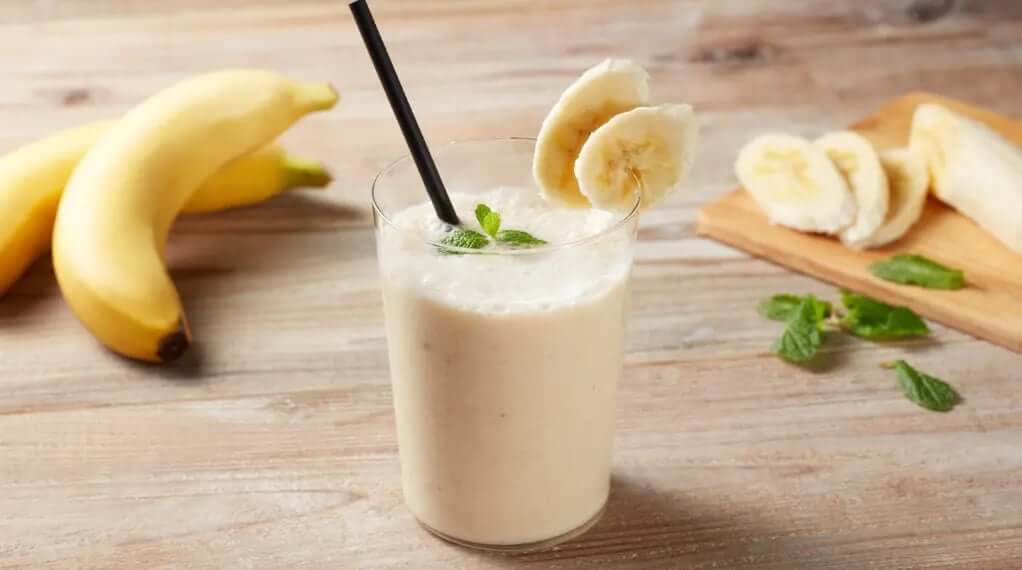
Blend one frozen banana, a scoop of whey protein, 2 tablespoons of natural peanut butter and a cup of unsweetened almond milk. Made as written, the shake comes to about 440 calories and 33g of protein, and the protein, fiber and fat keep you full for hours. Use 1 tablespoon of peanut butter instead and it's about 345 calories with 29g of protein.
A good protein shake should do three things: keep you full, taste good and be easy to make. This peanut butter banana shake does all three. It blends in under five minutes, delivers more than 30 grams of protein and has a rich, creamy texture that feels more like a milkshake than a protein drink.
It also comes with numbers you can check. Below you'll find the arithmetic for the full shake and for a lighter version with half the peanut butter, so you can pick the one that fits your day.
Why this shake works for weight loss
Protein first, then fiber, then fat
Plenty of protein shakes miss in one of two directions. Some are loaded with added sugar. Others are so light you're hungry again an hour later. This one balances natural sugar, fiber and fat with a real dose of protein, so it holds you between meals.
Protein does the most work. It generally increases fullness more than carbohydrate or fat, according to a review in The American Journal of Clinical Nutrition. At 33 grams, this shake works on appetite instead of just adding calories in liquid form.
The banana does the sweetening, so there's no honey, maple syrup or flavored syrup. A medium banana brings about 14 grams of natural sugar along with potassium, vitamin B6 and about 3 grams of fiber, according to USDA FoodData Central. That fiber is part of why the shake behaves like a meal. For the longer story on fiber and fullness, see our complete guide to dietary fiber.
Then there's the peanut butter. Two tablespoons add about 190 calories and 16 grams of fat, about half of it monounsaturated. Fat slows how fast your stomach empties, so the shake sits with you longer. It's the ingredient people most want to cut, and the one most worth keeping for flavor and fullness. If you need the calories lower, halve it rather than drop it.
If you need the calories lower, halve it rather than drop it.
SaVanna Shoemaker, MS, RDN, LD
At about 440 calories, the full shake works as a breakfast. The 345-calorie version fits as a substantial snack or a lighter breakfast, depending on your calorie goals and activity. For the broader picture of which foods earn their place in a calorie deficit, our guide to the best foods for weight loss goes deeper.
Peanut butter banana shake ingredients
Four that matter, three that are optional
Four ingredients do the heavy lifting: banana, peanut butter, protein powder and milk. Peel the banana, break it into chunks and freeze it ahead of time. That's what gives you a thick, milkshake texture without ice cream or thickeners. Choose natural peanut butter, with no added oils or sugar.
Makes 1 shakeFor the shake
- 1 medium banana, peeled and frozen
- 1 scoop (about 30g) vanilla or chocolate protein powder
- 2 tablespoons natural peanut butter, no added sugar (1 tablespoon for the lighter version)
- 1 cup unsweetened almond milk, or milk of your choice
- 1/2 cup ice cubes
- 1/2 teaspoon ground cinnamon (optional)
- 1 teaspoon vanilla extract (optional, if your powder is unflavored)
Optional add-ins
- 1 tablespoon ground flaxseed or chia seeds for extra fiber
- 1/2 cup raw spinach (you won't taste it)
- 1 tablespoon unsweetened cocoa powder for a richer chocolate flavor
- 1/4 cup plain Greek yogurt for extra creaminess and protein
Substitutions
If peanuts are off the table, almond butter, cashew butter or sunflower seed butter keep the creaminess without costing you much protein. Pea protein powder pairs especially well with peanut butter, which covers its earthy taste. Oat, soy or coconut milk can replace the almond milk, and a plant-based protein powder makes the whole shake dairy-free.
You can even swap the banana for frozen mango or a quarter of an avocado. Both change the flavor noticeably: mango gives it a tropical twist, and avocado makes it milder and less sweet.
How to make a peanut butter banana protein shake
Liquid first, frozen last
The order you load the blender matters more than the blender you own.
-
1
Load the blender in order
Pour in the almond milk first, then the protein powder and peanut butter, then the frozen banana and ice on top. Add the cinnamon or vanilla now if you're using them.
Liquid at the bottom lets a vortex form around the blades and pull everything down into it. Pack dense or frozen ingredients against the blades without enough liquid and they grind in place instead of circulating.
-
2
Start low, then go high
Break up the frozen banana on low speed first, then blend on high for 30 to 60 seconds until completely smooth. If your blender bogs down, stop, scrape the sides or add a splash more liquid.
-
3
Adjust the thickness
Too thick? Add almond milk 1 tablespoon at a time. Want a spoonable smoothie bowl instead? Use half a cup of milk and an extra quarter cup of ice, then top it with sliced banana, granola and a drizzle of peanut butter.
-
4
Drink it right away
Protein shakes change texture as they sit. Some thicken as the protein absorbs liquid, while shakes made with a lot of frozen fruit or ice thin out as they melt.
Peanut butter banana shake nutrition
The real numbers, both versions
Estimated from USDA FoodData Central using a medium banana (118 g), a 30-gram scoop of a generic whey-based protein powder, smooth natural peanut butter without salt and 1 cup of unsweetened almond milk, without the optional add-ins. Your powder's label is the number that will vary most.
| Version | Calories | Protein | Carbs | Fat | Fiber |
|---|---|---|---|---|---|
| As written (2 tbsp peanut butter) | About 440 | 33g | 39g | 20g | 6g |
| Lighter (1 tbsp peanut butter) | About 345 | 29g | 36g | 11g | 5g |
One shake, estimated from USDA FoodData Central
Here's the arithmetic. The banana is about 105 calories, the whey about 105, the almond milk about 35 and 2 tablespoons of peanut butter about 190. That's about 440. Drop one tablespoon of peanut butter and you save about 95 calories and 8 grams of fat, and lose only about 4 grams of protein.
Neither version is wrong. The full shake is a meal. The lighter one is a big snack. Pick the one that matches the slot it's filling in your day.
How to choose the right protein powder
The powder changes the math
The powder you use changes both the taste and the numbers. Here's how the main types compare:
- Whey protein isolate is the default for most people. It's fast-absorbing, usually has 20 to 30 grams of protein per scoop, is low in carbs and fat, and blends smoothly. If you have no reason to choose otherwise, start here. Our Shakez Protein Powder is a whey blend of concentrate and isolate with 20 grams of protein and 1 gram of sugar per scoop.
- Casein digests more slowly, which helps if the shake is replacing a meal rather than supplementing one. It also thickens a lot. Some people love the pudding-like texture, and some find it heavy. Casein and whey both come from milk.
- Plant-based protein is the choice if you're dairy-free. Look for at least 20 grams per scoop and a complete amino acid profile. Pea protein blends especially well here, because the peanut butter covers its earthy taste. Eat a variety of plant foods across the day so you get all the amino acids your body needs to build new tissue.
Whichever you choose, check the label for added sugar. A protein powder you're using for weight loss should have very little.
Tips for a better protein shake
Three small habits, a better shake
None of these takes more than a minute, and each one fixes a common complaint about homemade shakes.
Freeze bananas before they turn
When bananas start browning and spotting, peel them, break them into chunks and bag them in the freezer. Frozen banana is what makes the shake thick, and overripe bananas are the sweetest ones.
Buy the natural peanut butter
Many commercial peanut butters carry added oils and sugar, which add calories without adding anything you want. Natural peanut butter separates, so stir it well before measuring. Otherwise the oil and paste clump or stick to the blades in a weaker blender.
Make it a smoothie bowl
Use half a cup of almond milk instead of a full cup and an extra quarter cup of ice, then blend until thick. Pour it into a bowl and top it with sliced banana, a tablespoon of granola, a few dark chocolate chips and a drizzle of peanut butter. Count the toppings, because they add up quickly.
Eating with a spoon naturally slows you down, which gives your body more time to register that it's full before you finish.
Easy protein shake variations
Same base, four directions
- Chocolate peanut butter: chocolate protein powder plus a tablespoon of unsweetened cocoa. It tastes remarkably close to a Reese's milkshake.
- Banana almond butter: swap in almond butter for a milder flavor and a bit more vitamin E.
- Green protein shake: add half a cup of baby spinach and a quarter of an avocado. The banana and peanut butter hide the greens completely, and the avocado makes the texture silkier.
- Coffee protein shake: replace the almond milk with a cup of cold brew. Caffeine plus protein makes a solid pre-workout drink, or a functional Monday morning.
All four are naturally gluten-free. If celiac disease is a factor, choose a protein powder that is certified gluten-free, because cross-contact in powders is common enough to be worth checking.
Storage & meal prep for protein shakes
Best fresh, fine for 12 hours
Protein shakes are best the minute they're blended. If you need one ahead of time, seal it in a mason jar or shaker bottle with a tight lid and refrigerate it for up to 12 hours. It will separate, so shake it hard, lid on, before drinking. The texture drops off after refrigeration, but the flavor holds.
The better make-ahead approach is to pre-portion the frozen and dry ingredients. Put frozen banana chunks in one freezer bag and a scoop of powder in another. In the morning, tip both into the blender, add milk, ice and a spoonful of peanut butter, and you're drinking in about 60 seconds.
If mornings are the specific problem you're solving, our high-protein grab-and-go options cover the days when even 60 seconds is too many.
Where a protein shake fits in a weight loss plan
A shake is a tool, not a plan
A shake can be a good breakfast, a filling snack or a post-workout option. It won't fix a weight loss plateau or hunger at your other meals. For the straight answer on when smoothies help and when they quietly undo a calorie deficit, read our article on smoothies for weight loss.
For solid-food options in a similar calorie range, our 15 high-protein meals under 500 calories gives you lunch and dinner ideas. And if you're reading this because you're trying to gain weight, not lose it, our weight-gain smoothie recipes apply the same approach in reverse.
For the nights when cooking isn't going to happen, the Weight Loss Meal Plan is portion-controlled, calorie-controlled and macro-balanced, like this shake, and heats in under 5 minutes. If you'd rather pick every meal yourself, Build a Meal Plan lets you filter the menu by protein and choose meal by meal, and our Nutrition Info page lists the calories for each one.
Protein shake bottom line
The bottom line
Four ingredients, four minutes and 33 grams of protein for about 440 calories, or 29 grams for about 345 with half the peanut butter. That's the whole pitch, and it holds up because the ratios are right: enough protein to matter, enough fiber and fat to stay with you, and no added sugar.
Keep frozen bananas in the freezer and natural peanut butter in the pantry, and you're never more than one blend away from a quick breakfast that keeps you full until lunch.

The dietitian's take
Measure the peanut butter with a real tablespoon, leveled. A heaping spoonful can be closer to two, and that's about 95 calories you didn't plan for. If this shake is your breakfast, use the full recipe. If it's a snack, use the lighter one.
SaVanna Shoemaker, MS, RDN, LD · Registered Dietitian
 Make it easy withWeight Loss Meal PlanFrom $89.95View plan
Peanut butter banana shake FAQ
Quick answers
Will this shake actually help me lose weight?
No single food causes weight loss on its own. Weight loss comes from a sustained calorie deficit. What this shake does well is deliver a lot of protein for a moderate number of calories, which keeps you full and makes your calorie target easier to stick to. Swapping it for a higher-calorie breakfast or snack can support a weight loss plan.
How much protein should a weight loss shake have?
Aim for about 20 to 30 grams. Below about 20 grams, a shake tends to behave like a snack, and hunger can return quickly. This recipe has about 33 grams as written, or 29 grams in the lighter version, which is enough to stand in for breakfast.
Can I use a fresh banana instead of frozen?
Yes, but the shake will be thinner and less creamy. To make up for it, add more ice or a few tablespoons of Greek yogurt for body. Frozen banana gives you the best texture, so it's worth keeping a bag of chunks in the freezer.
Is peanut butter too high in fat for a weight loss shake?
Two tablespoons of peanut butter add about 190 calories and 16 grams of fat, about half of it monounsaturated. The key is the portion. Measured with a level tablespoon, peanut butter adds flavor and fullness. If you need fewer calories, use 1 tablespoon and the shake drops to about 345 calories.
What if I am allergic to peanuts?
Sunflower seed butter is the closest substitute in flavor and texture. Almond butter and cashew butter work well too if tree nuts are safe for you. Tahini is another option, though it's more savory and pairs better with chocolate protein powder. Check that your protein powder isn't made on shared equipment with peanuts.
How does this compare to store-bought meal replacement shakes?
Many store-bought meal replacement shakes rely on sweeteners, thickeners and preservatives to get their texture and shelf life. This homemade version uses whole-food ingredients and gives you control over the protein source and the calorie count. The trade-off is that you need a blender, and you have to wash it.
More protein shake & smoothie guides
Keep reading
 Recipes
Are Smoothies Good for Weight Loss? What Actually Works
 Crystal Zabka-Belsky MS, RDN, CSSD, LMNT, LDN · Nov 2, 2022
 Recipes
Are Protein Shakes Good for Weight Loss?
 Dorothy M. Shirnyl, RND · May 8, 2026
 Recipes
Weight Gain Smoothies: 5 Recipes & the Real Calorie Math
Dorothy M. Shirnyl, RND · Jan 13, 2023
On this page