Quick Answer: Breakfasts that include around 25–40 grams of protein along with fiber-rich carbohydrates and moderate fat may help promote satiety and support weight management. Within the context of an overall balanced, calorie-controlled diet, options like Greek yogurt parfaits, egg and vegetable scrambles, protein oatmeal, and overnight oats can be practical choices. Preparing breakfasts in advance—such as meal prepping on Sunday—can also make it easier to stay consistent throughout the week.
Last updated: March 7, 2026
You've probably heard the saying, “Breakfast is the most important meal of the day.”
A 200-calorie pastry may leave you hungry again by mid-morning, while a breakfast that includes more protein and fiber may help you feel fuller for longer. One reason is that these nutrients tend to promote satiety and slow digestion.
Some research supports this. A study published in the American Journal of Clinical Nutrition found that high-protein breakfasts (around 35 grams) significantly reduced hunger hormones and decreased high-fat evening snacking compared to skipping breakfast or eating a standard cereal breakfast. This suggests that higher-protein breakfasts may influence hunger signals and appetite regulation.
Here are practical ways to build a breakfast strategy that supports appetite control.
The Weight Loss Breakfast Formula
Many weight-loss–friendly breakfasts share a similar structure: a source of protein, fiber-rich carbohydrates, and moderate amounts of fat. Including these components can help create a meal that supports fullness and steady energy throughout the morning.
Protein (often around 25–40 grams):
Protein tends to promote satiety more than carbohydrates alone and can help preserve lean muscle during weight loss. Foods like eggs, Greek yogurt, cottage cheese, and protein powder are common breakfast options that provide substantial protein.
Fiber-rich carbohydrates (often providing ~8–10 grams of fiber):
Fiber helps slow digestion, contributes to fullness, and adds volume to meals without excessive calories. Oats, berries, whole grain toast, and fruit are practical sources. For a deeper look at fiber’s role in nutrition, see our Ultimate Guide to Dietary Fiber.
Moderate fats:
Small amounts of fat can improve flavor, contribute to satiety, and help with the absorption of certain nutrients. Options like nut butter, avocado, or a small portion of nuts are commonly included, though portion sizes matter since fats are calorie-dense.
Losing weight without the gimmicks.
Get our free guide — the foods, supplements, and strategies that actually work, all in one place.
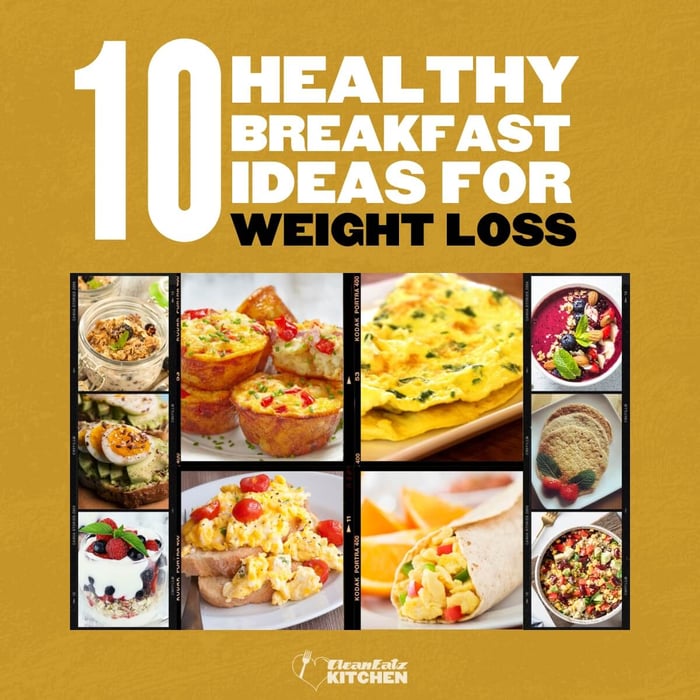
10 High-Protein Breakfast Ideas
These breakfasts range from 300-450 calories and deliver 25+ grams of protein. Adjust portions based on your calorie needs.
1. Protein Oatmeal
Cook ½ cup oats with water or milk, then stir in one scoop of protein powder, top with ½ cup berries and 1 teaspoon peanut butter. The protein powder transforms ordinary oatmeal into a 35-gram protein powerhouse. You can also add chia or flax seeds for extra fiber.
2. Greek Yogurt Parfait
Layer 1 cup plain Greek yogurt (or skyr) with ½ cup mixed berries and 1-2 tablespoons chopped nuts. Skip the flavored yogurts—they're loaded with sugar. If you need sweetness, a drizzle of honey is better than the 15+ grams of sugar in most flavored varieties.
3. Egg and Veggie Scramble
Scramble 2 whole eggs plus 3-4 egg whites with a generous handful of spinach, peppers, and mushrooms. Serve with one slice of whole grain toast or a small roasted potato. Cook the vegetables first so they don't release water into your eggs.
4. High-Protein Smoothie
Blend one scoop protein powder, 1 cup milk or almond milk, 1 cup frozen berries, a handful of spinach (you won't taste it), and 1 tablespoon ground flax. Make "smoothie bags" on Sunday—dump frozen ingredients into bags, then blend with liquid each morning.
5. Cottage Cheese Bowl
Top 1 cup cottage cheese with pineapple or peach chunks, a sprinkle of cinnamon, and 1 tablespoon crushed walnuts. Want savory instead? Try tomatoes, cucumber, everything bagel seasoning, and a drizzle of olive oil.
6. Breakfast Burrito
Fill a high-protein tortilla with scrambled eggs or egg whites, ¼ cup black beans, sautéed peppers and onions, 1 ounce shredded cheese, and salsa. Make a batch on Sunday, wrap individually, and reheat all week. Swap tofu scramble for eggs if you're plant-based.
Want it done for you? Our Breakfast Burritos deliver 20+g protein with zero prep.
7. Avocado Toast, Done Right
One slice whole grain toast topped with ¼ avocado (mashed) plus ½ cup cottage cheese or 2 eggs. Add chili flakes and lemon. The mistake people make with avocado toast is skipping the protein—don't just eat carbs and fat.
8. Tofu Scramble with Potatoes
Crumble 6-8 ounces firm tofu and cook with turmeric, garlic, and nutritional yeast. Serve alongside roasted breakfast potatoes and salsa. This plant-based option delivers 25+ grams of protein when you use the full tofu serving.
9. Overnight Oats
Combine ½ cup oats, ½ cup milk, ½ cup Greek yogurt, and 1 tablespoon chia seeds in a jar. Refrigerate overnight and top with fruit in the morning. Batch 4-5 jars on Sunday and grab one each morning. Our ready-made Overnight Oats make this even easier.
10. Ready-Made Protein Meal + Fruit
When time is truly tight, heat a High-Protein Meal and add a piece of fruit or side of vegetables. Our meals work any time of day and deliver 35+ grams of protein with balanced macros already built in.
The 30-Minute Sunday Prep Plan
Spending 30 minutes on Sunday eliminates decision fatigue all week. Here are a few things you can prepare:
Hard-boil a dozen eggs or bake a batch of egg muffins (whisk eggs with diced vegetables and a little cheese, pour into muffin tins, bake at 350°F for 20-25 minutes). These keep for 5 days in the fridge.
Roast a sheet pan of breakfast potatoes and peppers. Cube potatoes, toss with olive oil and seasoning, roast at 400°F for 25-30 minutes. Reheat in an air fryer for crispy results.
Assemble 4-5 overnight oat jars with the base recipe. Leave fruit on the side to add fresh each morning.
Portion Greek yogurt into containers and pre-bag frozen smoothie ingredients.
For the complete system, including storage tips and weekly planning strategies, see our Complete Meal Prep Guide.
Common Breakfast Mistakes That Stall Weight Loss
Too little protein: A bagel with cream cheese may feel like a complete breakfast, but with only about 10 grams of protein it may not keep you full for very long. Consider adding other protein sources such as eggs, Greek yogurt, or a protein shake.
Granola and nut butter portions: Granola and nut butters can be nutritious options, but they are also calorie-dense. What starts as a small sprinkle of granola can quickly add significant calories. Using measured portions—such as one to two tablespoons of nut butter—can help keep servings more consistent.
Liquid calories: Some coffee drinks can contain as many calories as a small meal. For example, large specialty drinks with syrups and whipped cream can exceed 400 calories. If this is a concern, simpler options like black coffee, unsweetened lattes, or adding a small amount of milk yourself may be more moderate choices.
Skipping breakfast and later overeating: Some people find that skipping breakfast works well for them, while others notice increased hunger later in the day. If you tend to feel overly hungry in the evening, a small morning meal that includes protein—such as yogurt, eggs, or a protein shake—may help with appetite management.
Very little fiber: Protein can help with fullness, but meals that also include fiber may provide more lasting satiety. Adding foods like fruit, oats, chia seeds, or flax can increase fiber intake.
For a comprehensive look at which foods support weight loss best, explore our 100 Best Foods for Weight Loss guide.
The Bottom Line
If meal planning feels overwhelming or mornings are chaos, we built our Weight Loss Meal Plan for exactly this situation. Every meal is under 500 calories, delivers 20+ grams of protein, and heats in minutes. No counting, no cooking, no guesswork—just results.
FAQ
How much protein should I eat at breakfast for weight loss?
Aim for 25-40 grams. High-protein breakfasts increase fullness and decrease snacking later in the day. Two eggs provide about 12 grams, so combine them with Greek yogurt, cottage cheese, or protein powder to hit your target.
What is the best breakfast for losing belly fat?
No single breakfast targets belly fat specifically—overall calorie balance determines fat loss. That said, breakfasts combining protein, fiber, and measured fats help control appetite and make maintaining a calorie deficit easier. Egg scrambles with vegetables, Greek yogurt parfaits, and protein oatmeal are all excellent choices.
Are eggs good for weight loss?
Yes. Eggs are nutrient-dense, affordable, and highly satiating. Two large eggs provide 12 grams of protein for only 140 calories. If cholesterol is a concern, mix whole eggs with egg whites and discuss your individual targets with your doctor.
What can I eat if I don't have time to cook?
Quick options include Greek yogurt with fruit, overnight oats (prepped the night before), protein shakes, cottage cheese with berries, or ready-made options like our Protein Breakfast Sandwiches. Batch-prepping egg muffins on Sunday also gives you grab-and-go breakfasts all week.
Disclaimer: This content is provided for informational use only and is not intended as medical advice or as a substitute for the medical advice of a healthcare professional.