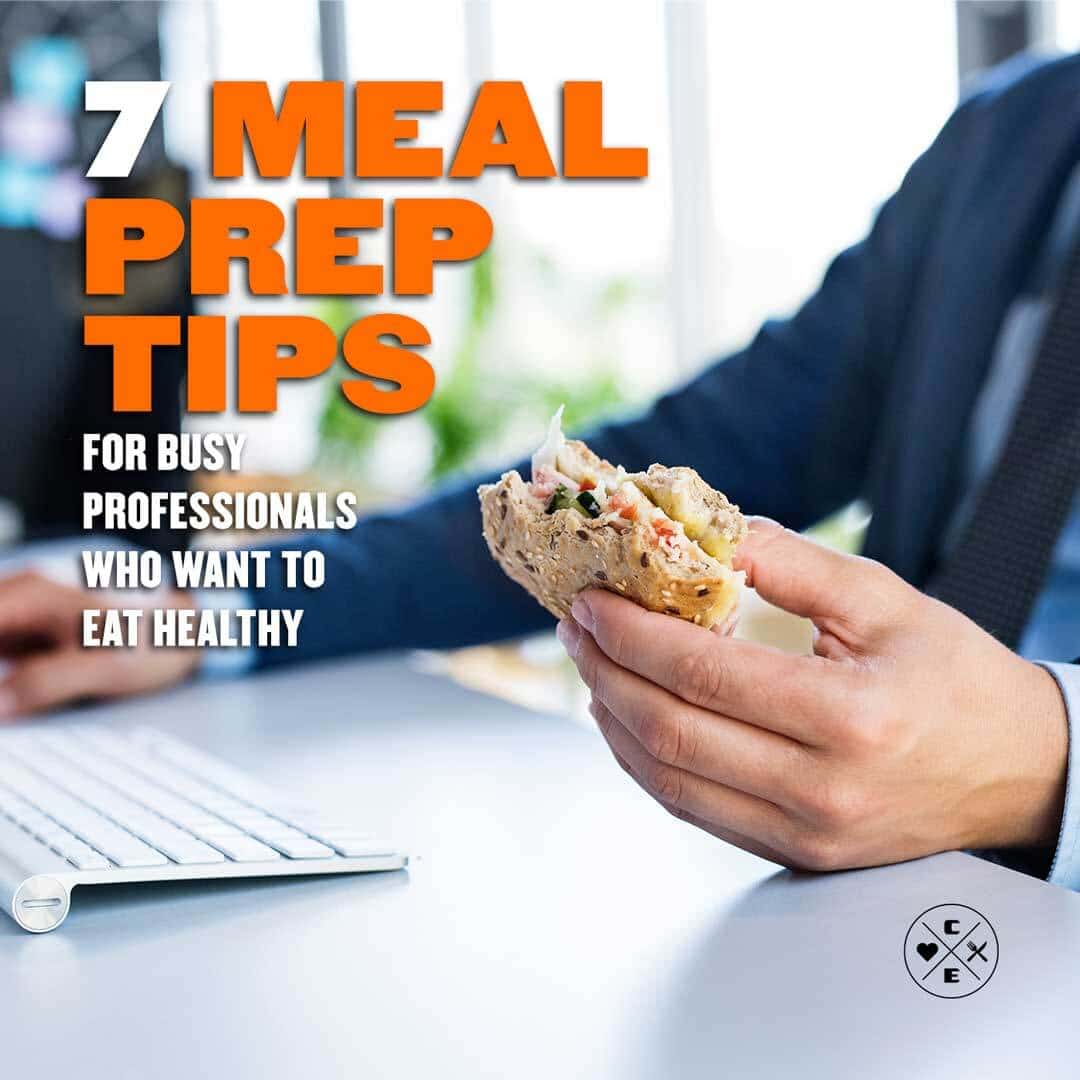

Quick Answer: Meal prep for busy professionals doesn't mean losing your entire Sunday to elaborate cooking sessions. A sustainable system can easily be built around your schedule. Focus on batch-cooking proteins and grains that reheat well at the office, choose commute-proof containers, keep desk-friendly snacks stocked, and maintain a freezer backup for crunch weeks. The goal is simple: have healthy food available when your workday makes grabbing takeout the path of least resistance.
Table of Contents
The Reality of Eating Well With a Demanding Job
Build a Prep System That Fits Your Schedule
Make Your Meals Office-Friendly
Stock Your Desk for Success
Handle Business Travel Without Derailing
Survive Crunch Weeks
Frequently Asked Questions
The Reality of Eating Well With a Demanding Job
You know you should eat better. You've probably tried meal prepping before—maybe even successfully for a few weeks. But then a deadline hit, a project exploded, or travel came up, and suddenly you went right back to grabbing something fast and easy, like vending machine snacks, a sad desk salad, or the same takeout you've ordered three times this week.
Here's what most meal prep advice gets wrong: it assumes you have predictable weekends, consistent energy levels, and a kitchen you actually want to spend time in after a draining workday. The reality of professional life is often messier. Some weeks you have time; some weeks you're barely surviving. The trick isn't finding the perfect meal prep routine, but building flexible systems that 'roll with the punches.'
For a comprehensive deep-dive into meal prep fundamentals, our Complete Meal Prep Guide covers everything from batch cooking techniques to storage timelines. This article focuses specifically on making meal prep work within the constraints of a demanding career.
Meal prep doesn't have to be complicated.
Get our free guide — shortcuts, meal ideas, and a system that makes eating well the easy option.
Build a Prep System That Fits Your Schedule
The biggest mistake busy professionals make is treating meal prep as an all-or-nothing commitment. You don't need to prepare 21 perfect meals every Sunday. Start with the meals that cause you the most trouble—for most working people, that's weekday lunches.
A realistic starting point is prepping five lunches and leaving everything else flexible. This takes about 90 minutes and solves your biggest pain point: the midday decision of what to eat when you're already mentally depleted from morning meetings.
The 90-Minute Professional Prep Session
Choose one protein that reheats well at work—chicken thighs, ground turkey, or salmon all hold up better than chicken breast, which tends to dry out. Season it simply so you can vary the flavor profile throughout the week with different sauces. While your protein cooks, roast a sheet pan of vegetables and start a pot of grains. In the last 20 minutes, portion everything into five containers.
That's it. You now have lunch handled for the entire work week. As this becomes routine, you can expand to breakfast prep or dinner components, but don't start there. Master lunches first.
Work Around Your Actual Schedule
Sunday prep works for some people, but not everyone. If your Sundays are sacred recovery time, prep on Wednesday evening when you've hit your weekly stride. If you travel Monday through Wednesday, prep Thursday night for the back half of your week. The "right" day is whatever day you'll actually do it consistently.
Look at your calendar before you plan. Heavy meeting days call for grab-and-go meals that don't require reheating. Days with a real lunch break can accommodate something that needs assembly or warming. Match your meals to your schedule, not the other way around.
Make Your Meals Office-Friendly
A meal that's perfect at home can be a disaster at work. The office microwave that everyone uses, the lack of proper utensils, coworkers who judge your food choices—these are real constraints that matter.
Choose the Right Containers
Your containers need to survive a commute, reheat evenly, and not leak all over your bag. Glass containers with locking lids are ideal for reheating—they don't warp, don't absorb smells, and clean up easily. One drawback? They're heavy. If you're walking, biking, or taking public transit, BPA-free plastic with secure snap lids might be more practical.
Containers with compartments keep ingredients separate until you're ready to eat. This matters for meals where you want crispy elements to stay crispy, or where dressing would make greens soggy. Keep sauces and dressings in small separate containers and add them at the office.
No Microwave? No Problem
Not every workplace has a microwave, and even when one exists, the line at noon can eat into your entire break. Build a rotation of meals that taste great at room temperature.
Grain bowls with roasted vegetables, chickpeas, and tahini dressing work beautifully cold. So do mason jar salads (layer dressing on the bottom, sturdy vegetables next, greens on top—shake when ready to eat). Mediterranean plates with hummus, cucumber, olives, and grilled chicken need no heating. Cold sesame noodles, wraps, and substantial salads with quinoa or farro all travel well and satisfy without a microwave. Tuna or egg salads are also great protein-packed cold options, and you can reduce the fat and increase the protein further by subbing out some or all of the mayonnaise for plain Greek yogurt.
If you want hot food, invest in an insulated food thermos. Fill it with hot soup, stew, or chili in the morning before you leave, and it stays warm until lunch—no office microwave required.
Meals That Reheat Well (And Ones That Don't)
Some foods bounce back beautifully after refrigeration and reheating; others turn into disappointing mush. Knowing the difference saves frustration.
Chicken thighs, ground meat dishes, stews, curries, grain bowls, and roasted root vegetables all reheat excellently. Salmon holds up reasonably well. Chicken breast tends to dry out—if you use it, slice it thin and add sauce when reheating. Avoid prepping anything with delicate greens mixed in, fried foods that will get soggy, or pasta dishes where the noodles absorb all the sauce (cook pasta slightly underdone if you're prepping it).
Stock Your Desk for Success
The 3 PM slump doesn't care about your meal prep. When energy crashes and the vending machine beckons, having better options within arm's reach makes all the difference.
Keep a desk drawer stocked with non-perishable snacks that won't spoil: raw almonds, individual nut butter packets, protein bars, beef or turkey jerky, roasted chickpeas, and dark chocolate for when you need something sweet. Rotate stock monthly to keep things fresh and interesting.
If your office has a refrigerator, claim some space for weekly snack prep. Cut vegetables with hummus, Greek yogurt cups, cheese sticks, hard-boiled eggs, and fresh fruit all provide better fuel than whatever's in the vending machine. Portion these into grab-ready containers on your prep day so they're as convenient as the less healthy alternatives.
For ready-made options that don't require any prep, our healthy snacks collection includes protein bars and grab-and-go options designed for exactly this purpose.
Handle Business Travel Without Derailing
Business travel can seriously challenge your healthy eating habits. Airports, hotels, client dinners, and expense accounts create a perfect storm for nutritional chaos. But with some planning, you can maintain reasonable eating even on the road.
Pack Smart for the Journey
Airport food is expensive and often not very nutritious. Pack portable, TSA-friendly snacks that can all clear security easily: nuts, protein bars, jerky, and individual nut butter packets. If you're driving, a small cooler with prepped meals, cut vegetables, and cheese can save you from fast food stops.
Set Up Your Hotel Room
Request a room with a mini-fridge when booking. On arrival, stop at a nearby grocery store and stock up on breakfast basics: Greek yogurt, hard-boiled eggs, fresh fruit, and simple lunch components like deli turkey, cheese, and pre-cut vegetables. This gives you control over at least one or two meals per day, even when client dinners are unavoidable.
Many hotels have microwaves available at the front desk even if your room doesn't have one. Ask. Some business travelers bring a small electric kettle that can heat water for oatmeal or instant soup—a lifesaver for early mornings before airport runs.
Navigate Restaurants Strategically
Client dinners and team meals are part of professional life. You can't always control where you eat, but you can control what you order. Grilled proteins with vegetables are available almost everywhere. Ask for sauces on the side. Choose the side salad over fries. Skip the bread basket if it's going to derail you, or have one piece and move it away.
The goal is to make the best choices in each situation, even if they're not perfect. And remember, one indulgent dinner doesn't matter if your other meals that day were solid.
Survive Crunch Weeks
Every professional has weeks where everything falls apart—quarter-end, major deadlines, product launches, conferences. Meal prep isn't realistic during these periods, and pretending otherwise sets you up for failure.
The solution is building backup systems before you need them.
Build a Freezer Stash
During normal weeks, make double batches and freeze the extras. Soups, stews, chili, and casseroles all freeze beautifully for up to three months. When crunch time hits, you have home-cooked meals waiting that only need reheating. Even having five or six emergency meals in the freezer provides a safety net.
Use Meal Delivery Strategically
There's no shame in outsourcing during your busiest periods. Meal delivery services like Clean Eatz Kitchen exist precisely for this purpose. These chef-prepared, portion-controlled meals arrive ready to heat. Using delivery during crunch weeks isn't giving up on healthy eating; it's protecting your habits when you can't maintain them yourself.
The bulk meal boxes are particularly useful for busy professionals: order 30 meals at once, stock your freezer, and you have healthy options available for months without thinking about it.
Give Yourself Permission to Simplify
During genuinely overwhelming periods, even "meal prep" can mean something minimal: keeping Greek yogurt and berries for breakfast, ordering a healthy lunch delivery, and having rotisserie chicken with pre-washed salad greens for dinner. It's not Instagram-worthy, but it's infinitely better than the takeout-and-vending-machine alternative.
The professionals who maintain healthy eating long-term aren't the ones with perfect meal prep photos. Instead, they're the ones who've built systems that flex with their lives.
Frequently Asked Questions
How do I meal prep when I work long hours?
Focus on efficiency over complexity. Dedicate 90 minutes on your chosen prep day to batch-cook proteins, grains, and vegetables, then assemble meals in containers. Choose recipes with minimal ingredients that reheat well. On weeks when even that feels impossible, rely on your freezer backup or meal delivery services.
What's the best container for bringing meals to work?
Look for leak-proof, microwave-safe containers with secure locking lids. Glass containers reheat more evenly and don't absorb odors, but they're heavier. BPA-free plastic works well for commuters who need lighter options. Containers with compartments keep wet and dry ingredients separate until you eat.
What can I eat at work if there's no microwave?
Plenty of meals taste great at room temperature: grain bowls with roasted vegetables and chickpeas, mason jar salads, wraps, tuna or egg salads, cold noodle dishes, and Mediterranean-style plates. You can also use an insulated food thermos—fill it with hot soup in the morning, and it stays warm until lunch.
How do I eat healthy when traveling for work?
Pack portable snacks like nuts and protein bars for the journey. At hotels, request a mini-fridge and stock it with Greek yogurt, eggs, and vegetables. For meals out, choose grilled proteins with vegetables and ask for sauces on the side.
How do I stay consistent during busy seasons at work?
Build backup systems before you need them. Keep your freezer stocked with pre-made meals, use meal delivery services during crunch periods, and give yourself permission to simplify—even basic healthy eating beats takeout and vending machines.
The Bottom Line
Meal prep for busy professionals isn't about achieving some idealized Sunday cooking session you saw on social media. Instead, you want to build practical systems that keep healthy food accessible when your job makes unhealthy choices easy.
Start with one meal—probably lunch. Master that before expanding. Choose foods that travel well and reheat easily. Stock your desk with better snacks. Build freezer backups for crunch weeks. And when work gets busy, use the tools available—including meal delivery—to protect your habits rather than abandoning them.
Your career will always have demanding periods, but some advance planning can help you weather these without compromising your health goals. For more meal prep techniques and recipes, explore our Complete Meal Prep Guide. For weeks when you need done-for-you solutions, our customizable meal plans take the thinking out of healthy eating entirely.