
Quick Answer: One holiday meal won't derail your progress—your body is more resilient than diet culture suggests. The key is shifting from a "cheating" mindset to mindful celebration: enjoy your favorites, eat until satisfied (not stuffed), and return to your normal routine the next day. No guilt, no extreme measures, no skipped meals to compensate. Holiday eating is part of a balanced life, not a setback.
Table of Contents
Why Holiday Meals Don't Have to Be "Cheat Days"
What Actually Happens After a Big Meal
Smart Strategies for Holiday Eating
How to Bounce Back Without Guilt
Frequently Asked Questions
Why Holiday Meals Don't Have to Be "Cheat Days"
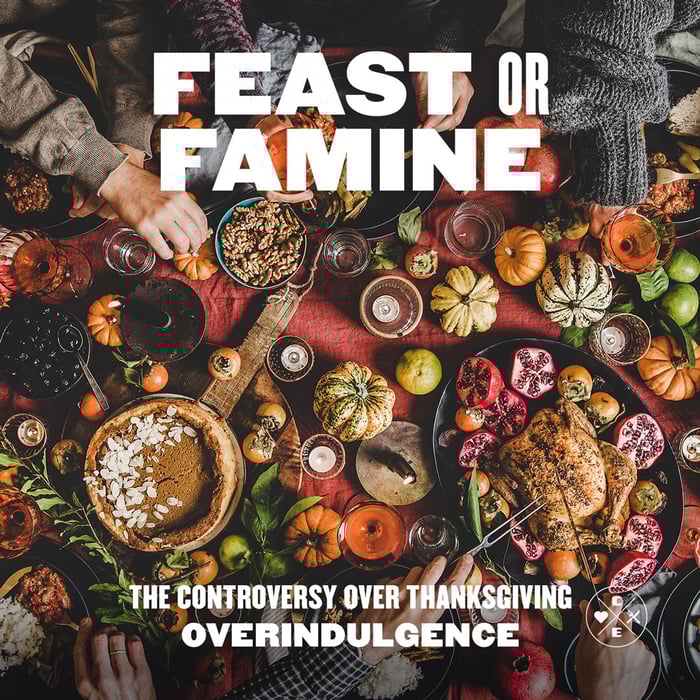
Thanksgiving, Christmas dinners, holiday parties—these occasions bring tables laden with tempting dishes and the undeniable urge to indulge. But amidst the joy, a nagging worry often creeps in: will this feast derail my health goals?
Here's the truth: the term "cheat meal" sets you up for guilt before you've taken a single bite. It implies you're doing something wrong, breaking rules, sabotaging progress. This mindset creates an unhealthy relationship with food where holiday meals become sources of stress rather than celebration.
Instead of viewing holiday eating as "cheating," try reframing it as what it actually is—celebrating with people you care about over food that carries tradition and meaning. Thanksgiving turkey isn't a moral failing. Your grandmother's pie recipe isn't a setback. These are experiences worth having, and they fit perfectly well within a healthy lifestyle when approached mindfully.
For a deeper look at the science behind occasional indulgences—including what research says about metabolism, leptin, and the psychological benefits of planned treats—see our article on the science behind cheat meals.
What Actually Happens After a Big Meal
Let's address the fear head-on: one indulgent meal will not undo weeks of progress. Your body doesn't work that way.
It's common to see a higher number on the scale the day after a holiday feast, and it's equally common to panic about it. But that temporary increase isn't fat gain—it's almost entirely water retention and digestive weight. Foods high in sodium cause your body to hold onto water. Extra carbohydrates get stored as glycogen in your muscles and liver, and glycogen attracts water too. Plus, there's simply more food moving through your digestive system than usual.
These fluctuations typically resolve within two to three days as your body returns to its normal routine. The scale doesn't tell the whole story, and one measurement after a holiday meal tells you almost nothing useful about your actual progress.
To gain a single pound of actual body fat, you'd need to consume roughly 3,500 calories above your maintenance level. Even an enthusiastic Thanksgiving plate rarely gets close to that surplus. Enjoy the meal, let your body do what it does, and trust the process.
Smart Strategies for Holiday Eating
Enjoying holiday meals without regret doesn't require restriction or willpower—it requires a bit of strategy and a lot of self-compassion.
Don't Show Up Starving
Skipping breakfast and lunch to "save room" for dinner usually backfires. When you arrive at a holiday meal ravenously hungry, you're far more likely to overeat quickly before your body can register fullness. Instead, eat normally throughout the day. A protein-rich snack an hour before the event—some Greek yogurt, a handful of nuts, or a few slices of turkey—can help you approach the table with measured enthusiasm rather than desperate hunger.
Survey Before You Serve
Before loading your plate, take a moment to see what's available. Identify your favorites—the dishes you genuinely love and look forward to all year—versus the filler foods you could have any time. Skip the generic dinner rolls if you don't care about them. Save room for your aunt's legendary stuffing or your grandmother's sweet potato casserole. Being selective lets you enjoy more of what you actually want.
Build a Balanced Plate
Start with protein—turkey, ham, or whatever the main dish offers. Add vegetables next, even if they're dressed up with butter or cheese. Then add reasonable portions of your chosen indulgent sides. This approach ensures you're getting satisfying nutrition alongside the celebration foods, and it naturally moderates portions without making you feel deprived.
Eat Slowly and Actually Taste It
Holiday meals often disappear in a blur of conversation and second helpings. Try slowing down. Put your fork down between bites. Notice the flavors and textures you've been anticipating. Eating mindfully helps you recognize when you're satisfied—not stuffed to discomfort, but genuinely content. One plate eaten with attention beats three plates of distracted grazing.
Give Yourself Permission
The psychological component matters more than most people realize. When you tell yourself you "shouldn't" have something, you create scarcity that makes it more appealing. When you give yourself full permission to enjoy holiday foods, the frantic urgency often disappears. You can have the pie. You don't have to eat the whole pie to prove it.
How to Bounce Back Without Guilt
The day after a holiday meal, the best thing you can do is simply return to your normal routine. No punishment. No compensation. Just your regular healthy habits.
Don't skip meals. Drastically cutting calories the next day often leads to another cycle of restriction and overeating. Your body doesn't need to be punished—it needs consistent nourishment.
Don't over-exercise. An extra-long gym session to "burn off" yesterday's dinner can lead to burnout and reinforces the idea that food must be earned or atoned for. Move your body because it feels good, not as penance.
Focus on hydration. Drink plenty of water to help your body process the extra sodium and return to normal fluid balance. Herbal tea, water with lemon, and hydrating foods like fruits and vegetables all help.
Prioritize protein and fiber. Your next few meals should center on lean proteins, vegetables, and whole foods—not because you're restricting, but because these foods help you feel your best. A high-protein meal plan makes this easy when you don't feel like cooking.
Let go of guilt. Guilt doesn't burn calories. It doesn't undo anything. It only makes you miserable and often triggers more emotional eating. Everyone indulges during holidays. It's part of being human and enjoying life. Acknowledge the meal happened, appreciate the experience, and move forward.
For comprehensive guidance on building sustainable eating habits that accommodate real life—including holidays—explore our complete guide to the best foods for weight loss.
Frequently Asked Questions
Will one big holiday meal ruin my diet progress?
No. One indulgent meal won't undo weeks of progress. Any weight increase you see the next day is primarily water retention from sodium and extra carbohydrates, not actual fat gain. Return to your normal eating habits, and you'll be back to baseline within a few days.
Should I skip meals before a holiday dinner to save calories?
No—arriving ravenously hungry usually leads to overeating. Eat normally throughout the day, focusing on protein and vegetables. A small protein-rich snack before the event helps you make mindful choices at the table.
How do I get back on track after holiday eating?
Simply return to your normal eating routine the next day. Don't skip meals or over-exercise to compensate. Focus on hydration, protein, and vegetables. The temporary bloating resolves within two to three days.
How can I enjoy holiday food without feeling guilty?
Shift from a "cheating" mindset to celebrating. Choose your favorites, eat slowly, and stop when satisfied. One celebratory meal is part of a balanced life, not a moral failing.
What should I eat at a holiday party to stay on track?
Start with protein and vegetables, then add smaller portions of your favorite indulgent sides. Skip foods you can have any time and save room for special dishes you actually love.
The Bottom Line
Holiday meals are meant to be enjoyed, not endured with white-knuckled willpower or followed by days of guilt. One feast—or even a whole holiday season of celebrations—doesn't define your health journey. What matters is the pattern of your choices over months and years, not what happens on any single day.
This year, give yourself permission to celebrate. Savor the foods that carry meaning. Connect with the people around the table. And when the holiday is over, simply return to your healthy routine with the same grace you'd offer a friend.
If maintaining healthy eating during busy seasons feels overwhelming, Clean Eatz Kitchen meal plans can take the guesswork out of your non-holiday meals—so you can focus your energy on the celebrations that matter.