Last updated: March 28, 2026
How Many Carbs on a Keto Diet? Net vs. Total Carbs, Ranges & Food Lists
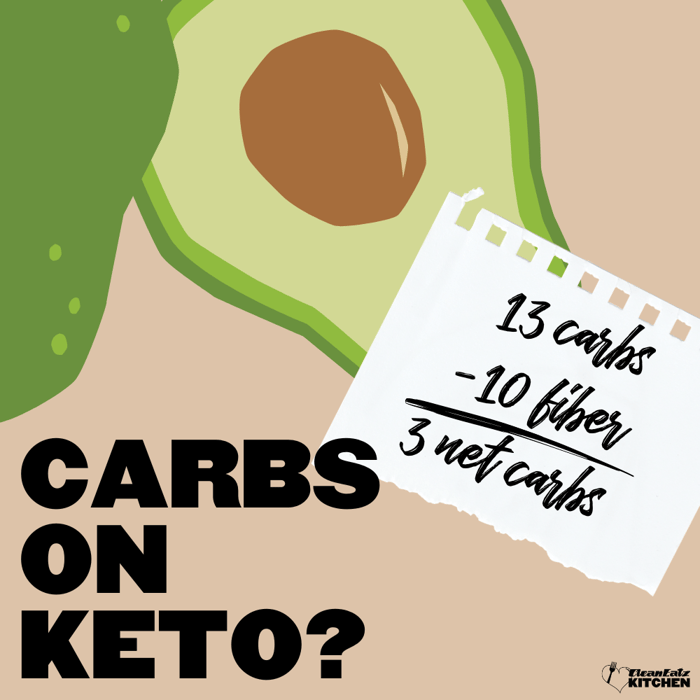
Quick answer: In a ketogenic diet, the majority of calories come from fat (about 70–80%), while carbohydrates are restricted (5–10%) and protein is consumed in moderate amounts (10–20%). To reach nutritional ketosis, most people aim for 20–50 g of net carbs per day. Many start more strictly at ~20–30 g net carbs for the first few weeks, then adjust upward toward ~50 g based on energy levels, training demands, and long-term adherence. Keto focuses on net carbs, calculated as: Net carbs = total carbs − fiber − qualifying sugar alcohols.
What You’ll Learn
Net vs. Total Carbs (and How to Count)
When following a ketogenic diet, not all carbohydrates are counted the same way. Understanding the difference between total carbs and net carbs is essential for staying within keto guidelines.
Total carbohydrates include all carbs in a food: fiber, sugars, and starches.
Net carbs are the carbs that typically affect blood sugar and ketosis.
Keto emphasizes net carbs because:
Fiber isn’t digested into glucose
Some sugar alcohols have minimal glycemic impact
Formula: Net carbs = Total carbs − Fiber − Sugar alcohols*
*Sugar alcohol notes:
Erythritol → usually counts as 0
Xylitol & sorbitol → often counted partially
Maltitol → higher glycemic impact; many people count all or half
When unsure, it’s best to count conservatively.
Vegetables: Most non-starchy vegetables are low in net carbs because fiber offsets total carbs.
Carb Ranges by Goal & Activity
| Approach | Daily net carbs (typical) | Who it fits | Notes |
|---|---|---|---|
| Strict keto | ~20–30 g | Beginners, therapeutic/strict phases | Easiest entry to ketosis; reassess. |
| Standard keto | ~20–50 g | Ongoing weight loss & general use | Personalize upward if energy/training allow. |
| Targeted/cyclical* | 50+ g on training days (timed) | Very active lifters/athletes | *Closer to “low carb” than classic keto; carbs placed around workouts; very structured. |
Calories, protein intake, sleep, and stress management still drive most outcomes. Set targets with the Calorie Calculator.
What to Eat (and Limit) on Keto
Build plates around:
- Protein: eggs, chicken/turkey, beef/pork (lean where desired), fish (salmon, tuna), tofu/tempeh.
- Non-starchy vegetables: leafy greens, broccoli, zucchini, peppers, mushrooms, cauliflower.
- Fats (measured): olive oil, avocado, nuts/seeds; cheese in modest portions.
Limit/avoid:
- Grains (bread, pasta, most crackers)
- Sugary foods/drinks (juice, candy, desserts)
- Starchy veg (potatoes, corn) and most fruit (small amounts of berries can fit)
Carb strategy basics: Carbs & Weight Loss.
Sample 1-Day Keto Menu (~20–30 g net)
- Breakfast: 2–3 eggs scrambled with spinach and mushrooms in olive oil; 1/2 avocado. (~4–6 g net)
- Lunch: Salmon salad bowl (5–6 oz salmon, mixed greens, cucumbers, tomatoes) with olive-oil + lemon vinaigrette; sunflower seeds. (~6–8 g net)
- Snack: Plain Greek yogurt (unsweetened) with cinnamon and a few raspberries or celery + measured almond butter. (~4–6 g net)
- Dinner: Grilled chicken thighs with roasted zucchini and cauliflower tossed in olive oil, garlic, herbs. (~5–8 g net)
- Hydration: water; on hot/training days, a light electrolyte mix—see Electrolytes: Best Water Supplements.
Label Reading & Hidden Carbs
- Look closely at carbs per serving and serving size: Many “keto” snacks use tiny portions to appear low-carb.
- Calculate net carbs: subtract fiber; count sugar alcohols conservatively (see note above).
- Watch sauces/seasonings: ketchup, BBQ sauce, glazes, and “light” dressings often add sugar. Hot sauce is usually low in calories —see our hot sauce guide.
- Restaurant traps: breading, hidden starch thickeners, and sweet marinades might be hidden carbs; ask for grilled + oil/lemon/herbs for flavor.
Electrolytes, Hydration & Sodium
Early low-carb phases shift water/electrolytes. Hydrate steadily and consider a balanced electrolyte product on active/hot days. If you have high blood pressure, keep sodium moderate and personalize intake with your clinician—see Keto & High Blood Pressure.
Troubleshooting & Common Mistakes
- Going too low on protein: maintain moderate protein intake 10–20% of total calories (~0.8 g/kg) to maintain muscle.
- Ultra-processed “keto” snacks: easy to overeat; build meals from whole foods first.
- All cardio, no lifting: include 2–3 strength sessions per week to preserve lean mass and support metabolic health.
- Carbs aren’t the only variable: calories, protein intake, sleep, and stress still play major roles in results. Use the Calorie Calculator.
Related Reading
- Is a Keto Diet Safe for High Blood Pressure?
- Carbs & Weight Loss: Make Them Work
- Calorie Calculator: Find Your Daily Needs
- Is Rice Good for Weight Loss?
- Are Protein Bars Good for Weight Loss?
- Electrolytes: Best Water Supplements
FAQs
How many carbs should I eat on keto?
Most people land around 20–50 g net carbs/day. Calories should come primarily from fat (70–80%), with limited carbs (5–10%) and moderate protein (10–20%).
Do I count net or total carbs?
Many use net carbs (total − fiber − qualifying sugar alcohols).
Can I eat fruit on keto?
Small amounts of lower-carb fruit (berries) can fit. Most other fruit is higher in carbs; save for refeed/targeted plans.
Do I need to add salt?
Maybe a little during the first weeks, but avoid overdoing sodium—especially if you have high blood pressure. Hydrate and use a balanced electrolyte.
Is 75–100 g carbs still “keto”?
That generally leans more towards low carb, not classic keto, though some very active athletes time carbs and maintain ketosis part of the day.
Disclaimer: This article is for general information only and isn’t medical advice. If you have health conditions (e.g., hypertension, kidney disease, diabetes) or take medications, work with your clinician.