
Quick Answer: A sustainable weight loss routine usually includes balanced, portion-aware meals, regular physical activity, enough sleep, hydration, and habits you can repeat consistently. You do not need a perfect schedule or an extreme plan. The goal is to make healthy choices easier to repeat over time.
Last reviewed & updated: March 30, 2026
If you have ever started strong on Monday and felt completely off track by Friday, you are not alone. In many cases, the issue is not a lack of discipline. It is trying to change too much, too quickly, in a way that does not fit real life.
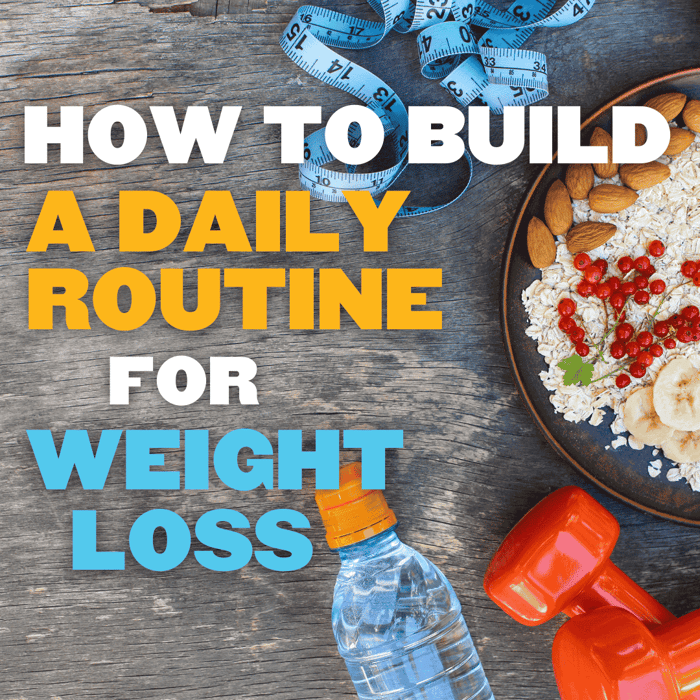
Sustainable weight loss tends to work best when healthy behaviors become part of your normal routine. That does not mean every day has to look exactly the same. It means having enough structure in place so that meals, movement, sleep, and recovery are easier to manage, even when life gets busy.
This guide walks through what a realistic daily weight loss routine can look like, from morning to evening, with an emphasis on consistency rather than perfection.
Why Routines Can Help with Weight Loss
During a busy day, it is easy to make food and activity choices reactively. When meals are unplanned, sleep is off, and movement only happens “if there is time,” healthy choices can become harder to follow through on.
A routine can reduce some of that friction. When you already know what lunch will be, when you have a walk built into your day, or when your bedtime is fairly consistent, you rely less on motivation in the moment. That structure can make weight loss feel more manageable and sustainable over time.
For a deeper dive into building consistent eating habits, our Complete Meal Prep Guide can help you set up your week in a practical way.
Morning: Start with a Simple Foundation
How you begin the day can shape the choices that follow.
Start with some water. After a full night of sleep, many people wake up mildly dehydrated, and drinking water early in the day can be a simple way to support hydration.
If breakfast works for you, aim to make it balanced and satisfying. A meal that includes protein and fiber may help with fullness and make it easier to avoid feeling overly hungry later in the morning. Examples include eggs with toast and fruit, Greek yogurt with berries and nuts, or overnight oats with added protein.
Try to include some movement early in the day if it fits your schedule. This does not need to be a full workout. A short walk, light stretching, or a few minutes of bodyweight exercise can help you feel more alert and make it easier to stay active throughout the day.
Midday: Reduce Decision Fatigue
For many people, the middle of the day is when routines start to slip. Work gets busy, energy drops, and grabbing whatever is easiest can become the default.
One of the most helpful strategies is to make lunch easier ahead of time. That could mean meal prepping, using leftovers, or keeping a few reliable options on hand. Having a ready-to-go meal often makes healthy eating feel more realistic than trying to figure it out when you are already hungry.
It also helps to break up long periods of sitting. Even brief movement during the day can support overall activity levels and help you feel better physically and mentally. A short walk, a few stretches, or simply standing up regularly can all count.
If the afternoon is when cravings usually hit, plan for that rather than hoping they will not happen. A snack with protein and fiber, such as Greek yogurt, roasted edamame, cottage cheese, fruit with nuts, or a protein-rich bar, may help bridge the gap to dinner.
Evening: Protect Your Progress
Evenings are often the hardest part of the day. You are tired, self-control may be lower, and convenience becomes more tempting.
A simple dinner routine can help. That might mean eating at a fairly consistent time, keeping weeknight meals straightforward, and building dinners around protein, vegetables, and a starch or healthy fat that helps the meal feel satisfying.
Before the night ends, spend a few minutes making tomorrow easier. Packing lunch, filling a water bottle, or setting out workout clothes can remove small barriers that make healthy habits harder to follow in the morning.
Sleep also deserves a central place in any weight loss routine. Poor sleep can affect hunger, food choices, and energy levels, all of which can make weight management feel much harder than it needs to. A consistent bedtime and a realistic goal of 7 or more hours per night can make a meaningful difference.
If you want to explore this further, our Sleep and Health Guide explains why sleep matters so much for appetite, energy, and recovery.
The Exercise Piece
You do not need long, punishing workouts to lose weight. What matters more is regular movement that you can maintain over time.
For general health, adults are advised to get at least 150 minutes of moderate-intensity aerobic activity per week, along with muscle-strengthening activity on two or more days each week. That can look like brisk walking, cycling, swimming, strength training, fitness classes, or a mix of different activities.
The best exercise routine is the one you will actually stick with. If you enjoy walking, start there. If you prefer strength training, build around that. If group classes help you stay accountable, use them.
Strength training is especially worth including. During weight loss, it can help preserve lean mass and support a healthier body composition, especially when combined with adequate protein intake.
For a full breakdown of practical exercise strategies, including how to combine cardio and strength work, see our Complete Exercise Guide for Weight Loss.
Nutrition: The Foundation
Exercise matters, but nutrition does a lot of the heavy lifting when it comes to weight loss.
A helpful starting point is to build meals around a few basics:
- a source of protein
- vegetables or fruit
- fiber-rich carbohydrates when appropriate
- portions that match your needs and goals
Protein can be especially helpful because it tends to support fullness and may help preserve lean mass during weight loss. Vegetables and other high-fiber foods can also help by adding volume and satisfaction without making meals overly calorie-dense.
Portion awareness matters too. Even nutritious foods can make progress harder if portions consistently exceed your needs. That does not mean weighing every bite forever, but it can help to be more intentional with calorie-dense items such as oils, dressings, sauces, snacks, and restaurant meals.
If structure helps you stay consistent, our Build Your Own Meal Plan can be a practical way to keep meals portion-aware while still allowing flexibility.
For a broader overview of food choices that support satiety and steady progress, our 100 Best Foods for Weight Loss guide can be a useful companion resource.
How to Build Habits That Actually Stick
The goal is not to create a perfect routine overnight. It is to build habits that become easier to repeat over time.
Start small. Pick one or two changes that feel realistic right now. That might mean drinking water with each meal, walking after dinner, or prepping lunch three days a week. Once that feels normal, add the next step.
Track your progress in a way that helps you stay aware without becoming obsessive. That could mean a few weight check-ins per week, a step count, a food journal, or simply noticing how consistently you followed your routine.
Expect setbacks. Travel, stress, poor sleep, family obligations, and busy workweeks will happen. A routine is not valuable because it never gets interrupted. It is valuable because it gives you something to return to.
Aim for a steady pace. For many people, gradual weight loss is more realistic and easier to maintain than trying to lose weight as quickly as possible.
And when it comes to habits, remember that “automatic” does not happen overnight. Research suggests habits can take weeks to months to become more established, with considerable variation from one person to another. Consistency matters more than speed.
The Bottom Line
A daily routine for weight loss does not need to be strict or complicated. What matters is creating enough structure that healthy choices feel easier to repeat over time.
That might mean planning your lunches, walking after dinner, strength training twice a week, going to bed earlier, or keeping a reliable high-protein breakfast on hand. Small actions may not feel dramatic in the moment, but they add up.
Start with one habit that feels realistic right now. Build from there. The most effective weight loss routine is usually not the most extreme one. It is the one you can maintain.
If meal planning feels like the hardest part, our Weight Loss Meal Plan can simplify the process with portion-aware meals delivered to your door.
FAQs
What is the best daily routine for weight loss?
The best routine is one you can realistically repeat. In general, that means balanced meals, regular movement, enough sleep, hydration, and a few consistent habits that reduce decision fatigue.
What time should I eat meals for weight loss?
Meal timing is usually less important than your overall eating pattern, food quality, and total intake. Many people do well with regular meals that help manage hunger and reduce impulsive eating later in the day.
How many hours of sleep do I need to support weight loss?
Most adults should aim for at least 7 hours of sleep per night. Poor sleep can increase hunger and make healthy choices feel harder to maintain.
Should I exercise in the morning or evening?
The best time to exercise is the time you can do it consistently. Morning workouts help some people stay on track, while others prefer exercising later in the day. Consistency matters more than timing.
How much water should I drink daily each day?
Hydration needs vary based on body size, climate, activity level, and diet. Rather than focusing on a single universal number, aim to drink fluids regularly throughout the day and increase your intake when you are more active or in hot weather.
How long does it take to build a routine?
There is no single timeline. Some habits start to feel easier within a few weeks, while others take longer. The important part is repeating the behavior often enough that it becomes more automatic over time.
Disclaimer: This content is for educational purposes only and does not replace personalized professional advice.
References
- U.S. Department of Health and Human Services. Top 10 Things to Know About the Second Edition of the Physical Activity Guidelines for Americans. OASH. November, 2025.
- U.S. Department of Health and Human Services. Physical Activity Guidelines for Americans, 2nd Edition. Washington, DC: U.S. Department of Health and Human Services; 2018.
- Centers for Disease Control and Prevention. About Sleep / FastStats: Sleep in Adults. May, 2024.
- National Institute of Diabetes and Digestive and Kidney Diseases. Factors Affecting Weight & Health. NIH. May, 2023.
- National Institute of Diabetes and Digestive and Kidney Diseases. Health Tips for Adults. NIH, September, 2020.
- Singh B, Murphy A, Maher C, Smith AE. Time to Form a Habit: A Systematic Review and Meta-Analysis of Health Behaviour Habit Formation and Its Determinants. Healthcare. 2024; 12(23):2488.