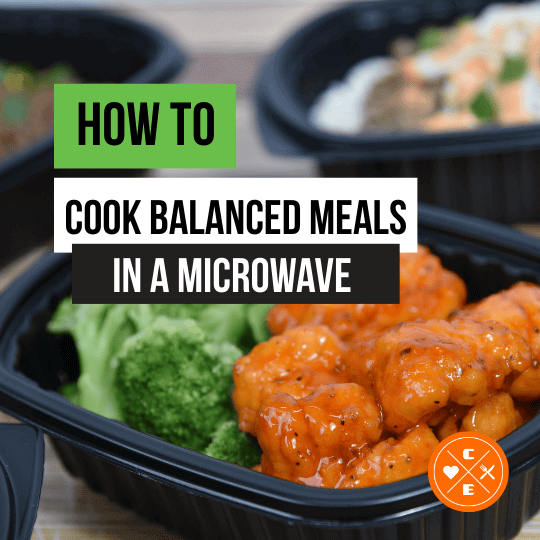

Quick Answer: Yes! you can cook complete, balanced meals in the microwave. Aim for 4-6 oz lean protein, ½-1 cup complex carbs, 1-2 cups vegetables, and 1-2 tbsp healthy fats per meal. Use medium-high power (70%) for proteins, medium (50%) for vegetables, and always ensure animal proteins reach 165°F internally. Fill half your plate with vegetables, one-quarter with protein, and one-quarter with grains.
How & Why Microwave Cooking Can Work for Healthy Eating
Microwave cooking gets a bad reputation it doesn't deserve. People associate microwaves with sad frozen dinners and reheated leftovers, but this appliance is actually one of the most efficient tools for preparing fresh, balanced meals—especially when time is of the essence.
The science backs this up. Because microwave cooking is fast and requires minimal water, and research shows it preserves more nutrients than boiling or prolonged stovetop cooking. Vegetables retain their color, texture, and vitamins better when steamed quickly in the microwave than when simmered in a pot of water for twenty minutes.
The real advantage, though, is convenience. When you're trying to eat well consistently, the method that's easiest to stick with usually wins. A balanced microwave meal takes 10-15 minutes from start to finish, with almost no cleanup. That's often the difference between cooking something healthy and ordering takeout.
Setting Up Your Microwave Kitchen
Before you start cooking, you need the right equipment. The most important item is a set of microwave-safe containers with vented lids. The vents allow steam to escape while trapping enough heat to cook food evenly. Glass or BPA-free plastic containers work well—just make sure they're explicitly labeled as microwave-safe.
A food thermometer is essential for proteins. Chicken, fish, and other meats need to reach an internal temperature of 165°F (74°C) to be safe, and you can't eyeball that. A simple instant-read thermometer takes the guesswork out of the equation and costs very little. It is money well spent.
Measuring cups help with portion control, which is half the battle when eating for health or weight management. When you know exactly how much rice or quinoa you're serving yourself, you have control of your calories without obsessive tracking.
Meal prep doesn't have to be complicated.
Get our free guide — shortcuts, meal ideas, and a system that makes eating well the easy option.
Understanding Power Settings
Most people use their microwave on one setting: high. That works fine for reheating coffee, but cooking raw ingredients requires more finesse. Microwaves typically range from 600 to 1,200 watts, with power levels adjustable from 10% to 100%.
For cooking proteins like chicken breast or fish fillets, use medium-high power—around 70%. This prevents the outside from becoming rubbery while the inside stays raw. Cook in 2-minute intervals, flipping or stirring between each round, and always check the temperature before serving.
Vegetables do best at medium power (50%). Combined with a splash of water and a vented lid, this creates gentle steam that cooks vegetables through without turning them to mush. Broccoli, green beans, and carrots all come out perfectly crisp-tender in 3-4 minutes.
For defrosting frozen ingredients, drop to medium-low (30%). This thaws food evenly without starting to cook the edges. If you're using pre-made frozen meals like those from Clean Eatz Kitchen, start at medium-low for 2-3 minutes to thaw, then finish at medium-high for even heating throughout.
Building a Balanced Plate
The formula for a balanced microwave meal isn't complicated: protein, vegetables, complex carbs, and a small amount of healthy fat. The portions matter more than the exact ingredients.
Start with 4-6 ounces of lean protein. Chicken breast, fish, shrimp, and extra-lean ground turkey all cook well in the microwave. Cut protein into uniform pieces—about 1-inch cubes or strips—so everything cooks at the same rate.
Add 1-2 cups of vegetables. Broccoli, cauliflower, bell peppers, zucchini, green beans, and spinach are all excellent microwave options. Heartier vegetables like carrots and Brussels sprouts work too but may need an extra minute or two.
Include ½ to 1 cup of complex carbohydrates. Microwave rice packets, quinoa, and sweet potatoes all cook beautifully. A medium sweet potato takes about 5-7 minutes on high—poke it with a fork a few times first to let steam escape.
Finish with 1-2 tablespoons of healthy fat. A drizzle of olive oil, a quarter of an avocado, or a small handful of nuts rounds out the meal and helps your body absorb fat-soluble vitamins from the vegetables.
For a deeper dive into structuring your weekly meals, our Complete Meal Prep Guide covers everything from batch cooking to storage.
The Step-by-Step Cooking Process
Start with the protein since it takes the longest. Arrange pieces evenly in a microwave-safe dish—don't pile them on top of each other—and add a tablespoon of water or broth to prevent drying out. Cover with a vented lid and cook at 70% power in 2-minute intervals, checking temperature between rounds. Chicken breast typically takes 6-8 minutes total; fish is quicker at 3-4 minutes.
While the protein rests (let sit for 2-3 minutes after cooking), prepare the vegetables. Place them in a container with 2 tablespoons of water, cover with a vented lid, and microwave at 50% power for 3-4 minutes. Stir halfway through. The vegetables should be bright in color and slightly firm—they'll continue cooking from residual heat.
For grains, follow the package instructions. Most microwave rice packets take 90 seconds. If you're cooking quinoa or oatmeal from scratch, combine with the recommended water ratio, cover, and cook on medium power, adding 5 minutes of resting time after the microwave stops to finish absorbing moisture.
When arranging food in the microwave, place denser items around the edges of the container where heat is strongest. Leave the center more open so heat can circulate. If you're cooking multiple components at once, rotate the container halfway through cooking time.
Portion Control Without Counting Calories
You don't need to weigh everything or track macros obsessively after awhile. A simple visual method works for most people: fill half your plate with vegetables, one-quarter with lean protein, and one-quarter with grains or starchy vegetables.
This ratio naturally keeps calories reasonable while ensuring you get enough protein to stay satisfied and enough fiber to support digestion and GI health. It's the same principle behind most successful weight management approaches, just without the spreadsheet.
If you want the portion control handled for you, pre-portioned meals eliminate the guesswork entirely. Clean Eatz Kitchen's meal plans deliver chef-prepared, nutritionally balanced meals that just need 2-3 minutes in the microwave. Prices start at $8.99 per meal, with options for specific goals like high-protein or weight loss.
Common Mistakes to Avoid
The biggest mistake is cooking everything on high power. High power works for reheating, but cooking raw food requires gentler, more even heat. Proteins turn rubbery and vegetables turn to mush when blasted at full power.
Not using enough water for steaming is another common problem. Vegetables need moisture to steam properly—just 1-2 tablespoons makes the difference between crisp-tender and dried out.
Finally, skipping the rest time shortchanges your results. Letting food sit for 2-3 minutes after microwaving allows heat to distribute evenly and finishes the cooking process. It also prevents steam burns when you remove the lid.
Frequently Asked Questions
Can you cook a complete balanced meal in the microwave?
Absolutely. You can cook lean proteins, steam vegetables, and prepare grains all in the microwave. The key is using proper power settings and building your plate with the right ratios—half vegetables, one-quarter protein, one-quarter grains.
What power setting should I use for cooking protein in the microwave?
Use medium-high power (about 70%) for proteins like chicken or fish. Cook in 2-minute intervals, checking the internal temperature each time until it reaches 165°F. This prevents overcooking while ensuring food safety.
How do I steam vegetables in the microwave without making them soggy?
Add 1-2 tablespoons of water to your vegetables, cover with a vented lid, and cook on medium power (50%). Stir halfway through and remove them while they still have a slight bite—they'll continue softening from residual heat.
Is microwave cooking healthy?
Yes. Because microwave cooking is fast and uses minimal water, it actually preserves more nutrients than some traditional methods like boiling. It also requires little to no added oil, eliminating those extra calories.
What containers are safe for microwave cooking?
Use containers explicitly labeled microwave-safe, typically glass, ceramic, or BPA-free plastic. Avoid metal, aluminum foil, and single-use plastics not designed for heat. Vented lids work best for cooking.
The Bottom Line
Cooking balanced meals in the microwave isn't a compromise—it's a strategy. With the right containers, proper power settings, and a simple formula for building your plate, you can have a nutritious meal ready in 10-15 minutes with minimal cleanup.
Whether you're cooking from scratch or heating pre-made meals like Clean Eatz Kitchen's chef-prepared options, the microwave makes healthy eating accessible even on your busiest days. The best diet is the one you can actually stick with, and removing the hassle of meal preparation is one of the most effective ways to build lasting habits.
For more strategies on streamlining your weekly nutrition, check out our Complete Meal Prep Guide for batch cooking techniques that pair perfectly with microwave finishing.