
Quick Answer: Whole foods—fruits, vegetables, whole grains, lean proteins, nuts, and seeds in their natural or minimally processed state—deliver more nutrients per calorie than processed alternatives. Research consistently shows that diets rich in whole foods reduce the risk of heart disease, type 2 diabetes, and obesity while providing better energy, digestion, and long-term weight management.
If there's one nutrition principle that holds up across decades of research, it's this: the closer your food is to its natural state, the better it is for your body. Whole foods aren't a trend or a marketing gimmick—they're simply what humans evolved eating before we figured out how to engineer foods that hit every pleasure center in the brain while offering little nutritional benefit.
The problem is that modern life makes processed foods incredibly convenient. They're shelf-stable, fast, and engineered to taste good. But that convenience comes at a cost: excess sugar, sodium, unhealthy fats, and a lack of nutrients your body requires. Understanding why whole foods matter—and how to realistically include more of them in your routine—can transform not just your weight, but your energy, mood, and long-term health.
What is the definition of a Whole Food?
Whole foods are foods that are unprocessed, unrefined, or minimally processed, remaining as close as possible to their natural, raw state. Think of an apple versus apple juice, or a chicken breast versus chicken nuggets. The whole food version retains the fiber, vitamins, minerals, and beneficial compounds that processing often strips away.
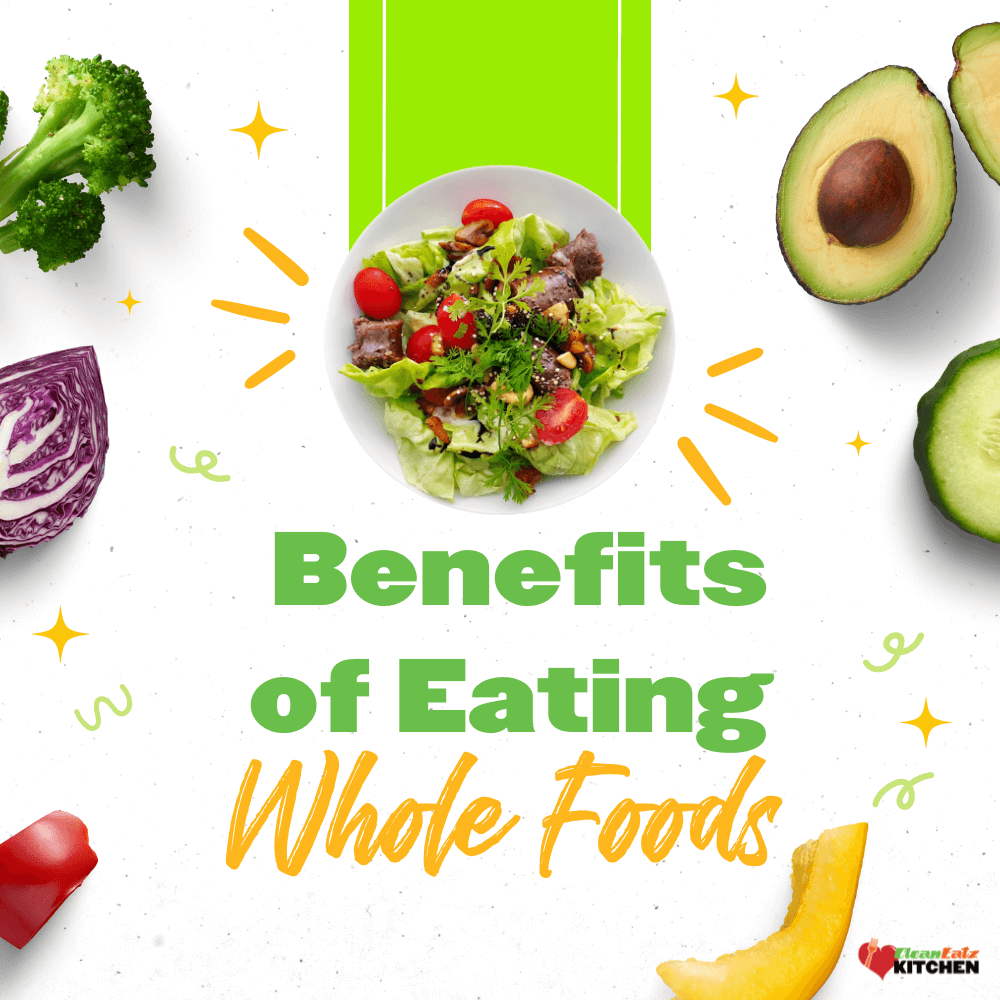
This category includes fruits and vegetables (fresh, frozen, or canned without added sugar), whole grains like brown rice, quinoa, and oats, legumes such as lentils and black beans, nuts and seeds, eggs, dairy products without added sweeteners, and unprocessed meats and fish. Even minimally processed items like olive oil, plain yogurt, and nut butters without added sugar fit the definition.
What isn't a whole food? Whole foods are considered 'single-ingredient' foods. Any foods with added sugars, artificial ingredients or preservatives designed to extend shelf life & labels with a long list of ingredients are not whole foods. The general rule: if your great-grandmother wouldn't recognize it as food, it's probably not a whole food.
Why Whole Foods Support Better Health
The benefits of eating whole foods aren't just about what they contain—it's also about what they don't contain. Whole foods deliver nutrients in the package nature intended: fiber that improves digestion & stabilizes blood sugar, antioxidants that reduce inflammation & support the immune system and a combination of macronutrients that support your overall health.
Fiber changes everything. Most Americans get only about 15 grams of fiber daily when they need 25-38 grams. Whole foods and whole grains are naturally fiber-rich. That fiber feeds beneficial gut bacteria, promotes regular digestion, helps control blood sugar, and creates a feeling of fullness that processed foods simply can't match. For a deeper dive into why fiber matters so much, our Ultimate Guide to Dietary Fiber breaks down the science.
Antioxidants protect your cells. The vibrant colors in fruits and vegetables—the deep purple of blueberries, the orange of sweet potatoes, the red of tomatoes—signal the presence of antioxidants. The deeper the color, the more nutrient dense. These compounds neutralize free radicals that contribute to aging and chronic disease. Taking a supplement won't come close to providing the same benefits: research consistently shows that antioxidants work best in their whole food form, synergizing with other nutrients to deliver optimal nutrition.
Healthy fats support brain and heart function. Whole food sources of fat—avocados, fatty fish, nuts, seeds, and olive oil—provide omega-3 fatty acids and monounsaturated fats that reduce inflammation, support cognitive function, and improve cholesterol/lipid profiles. Processed foods, in contrast, often contain trans fats and excessive saturated fats that do the opposite.
Protein from whole food sources builds and repairs tissue. Lean meats, fish, eggs, dairy, legumes, and nuts deliver protein along with other essential nutrients. A chicken breast isn't just protein—it's also B vitamins, selenium, and phosphorus. A serving of lentils provides protein plus fiber, iron, and folate. Processed protein sources often come with excess sodium, preservatives, and fillers.
The Weight Management Connection
Here's what the diet industry doesn't want you to know: eating whole foods naturally regulates your calorie intake without requiring you to count or measure anything. The fiber and water content of whole foods create volume and satiety, meaning you're more satisfied on fewer calories.
Consider the difference between eating 200 calories of candy versus 200 calories of apple slices with almond butter. The candy messes with your satiety signals due to a spike, then drop, in your blood sugar levels, likely causing one to eat more. The apple and almond butter combination provides fiber, protein, and healthy fat that keep you satisfied much longer.
Research published in major nutrition journals consistently finds that people who consume primarily whole foods maintain a healthier body weight than those who rely on processed foods—even when they're not actively "dieting." The food does the work for you by naturally moderating how much you eat. If you're looking to understand which specific whole foods support weight loss, our Complete Guide to the Best Foods for Weight Loss covers the evidence.
Making Whole Foods Work in Real Life
The challenge with whole foods isn't understanding their benefits—it's fitting them into a busy life. Processed foods became popular precisely because they're convenient. Admitting that you don't always have time to shop, prep, and cook from scratch isn't a character flaw; it's a reality for many.
The solution is creating systems that make whole foods as convenient as processed ones. This might mean spending an hour on Sunday washing and chopping vegetables for the week, keeping frozen fruit and vegetables on hand (nutritionally equivalent to fresh and already prepped), or using a meal delivery service that does the planning and cooking for you.
At Clean Eatz Kitchen, this is exactly the problem we set out to solve. Our Build Your Own Meal Plan lets you choose from meals built around whole food ingredients—lean proteins, whole grains, and fresh vegetables—portioned and prepared so you can eat well without the time investment. It's not about perfection; it's about making the healthy choice the easy choice more often than not.
Small Changes That Add Up
You don't have to overhaul your entire diet overnight. Start by crowding out processed foods with whole food additions rather than trying to eliminate everything at once.
Swap your usual breakfast cereal for oatmeal topped with berries and nuts—you'll get fiber, antioxidants, and healthy fats that keep you energized through the morning. If you grab lunch on the go, look for options built around real ingredients rather than mystery meats and sauces. At dinner, aim for half your plate to be vegetables, a quarter whole grains, and a quarter lean protein.
Keep whole food snacks accessible: apples, carrots, hummus, nuts, Greek yogurt. When the convenient option is a healthier option, you'll naturally reach for it. Our Complete Meal Prep Guide offers more strategies for making healthy eating automatic.
The Bottom Line
Eating whole foods isn't about following a restrictive diet or achieving some impossible standard of "clean eating." It's about giving your body the nutrients it needs to function optimally while naturally moderating calorie intake and reducing exposure to the additives that contribute to chronic disease.
The research is clear: populations that eat primarily whole foods have lower rates of heart disease, diabetes, obesity, and certain cancers. They also report better energy levels, improved mood, and easier weight management. These aren't marginal benefits—they're life-changing outcomes that come from a simple shift in food choices.
Whether you shop farmers markets and cook from scratch or rely on prepared meals made from whole food ingredients, the principle remains the same. Prioritize foods that look like they came from nature, not a factory. Your body will thank you.
Frequently Asked Questions
What are whole foods?
Whole foods are foods that are unprocessed or minimally processed, keeping them close to their natural state. This includes fruits, vegetables, whole grains, legumes, nuts, seeds, dairy, eggs, meat, and fish without added sugars, artificial ingredients, or preservatives.
What are the main benefits of eating whole foods?
The main benefits include higher nutrient density (more vitamins, minerals, and antioxidants per calorie), better weight management due to fiber content that promotes fullness & improved digestion, reduced risk of chronic diseases like heart disease and type 2 diabetes, and more stable energy levels throughout the day.
Can whole foods help with weight loss?
Yes. Whole foods are naturally lower in calories and higher in fiber than processed foods, which leaves one more satisfied on fewer calories. Research shows that people who eat primarily whole foods tend to have lower body weight and have greater success maintaining long-term weight loss.
What's the difference between whole foods and processed foods?
Whole foods provide more nutrients and fiber, while processed foods often have nutrients removed with sugar, salt, and unhealthy fats added. For example, an apple is a whole food; apple juice with added sugar is processed. Brown rice is whole; white rice has the fiber-rich bran removed.
How can I eat more whole foods if I'm short on time?
Batch cooking on weekends in order to have these foods on hand and more convenient. Meal prep services that use whole food ingredients can help you eat well without spending hours cooking. Look for options that emphasize lean proteins, whole grains, and fresh vegetables with minimal processing.