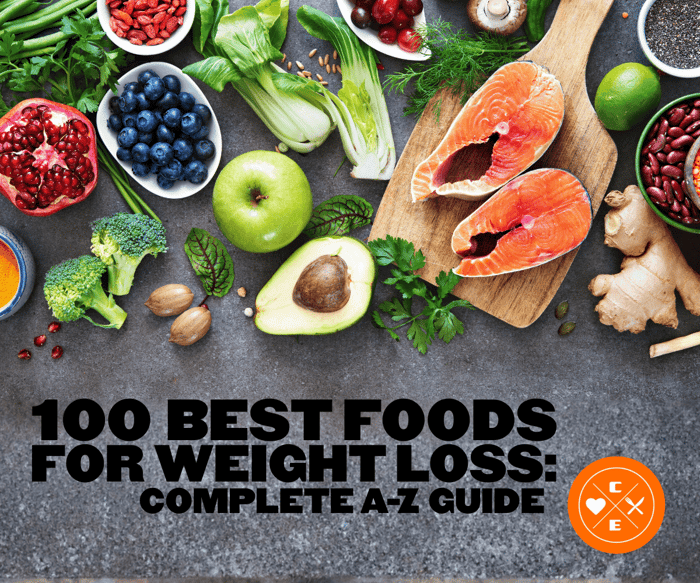

Quick Summary: The best foods for weight loss share three traits: high satiety per calorie (protein and fiber), high thermic effect (your body burns more calories digesting them), and low energy density (water- and fiber-rich foods that fill you up on fewer calories). Build meals around lean protein, non-starchy vegetables, whole fruits, legumes, and whole grains. The 100 foods below are organized by category, with sample meal plans and shopping lists to make execution simple.
Table of Contents
1. The Science Behind Weight Loss Foods
2. Top 20 Protein Powerhouses
3. Best 20 High-Fiber Foods
4. 20 Low-Calorie Volume Foods
5. 15 Metabolism-Supporting Foods
6. 15 Smart Carbs for Weight Loss
7. 10 Healthy Fats That Help
8. Complete A–Z Food Directory
9. 7-Day Sample Meal Plan
10. Smart Shopping List
11. Common Mistakes to Avoid
12. Frequently Asked Questions
13. The Bottom Line
Losing weight is about eating smarter. This guide walks through how the glycemic index (GI) of foods affects energy levels and weight management, highlighting the benefits of choosing low-GI foods for sustained energy and appetite control. You'll learn the concept of substituting higher-calorie foods with lower-calorie alternatives as a strategy for reducing overall calorie intake without sacrificing satisfaction. As well as the importance of hydration and the role of water and low-calorie beverages in supporting weight loss and overall health. We'll break down the role of macronutrients in a weight-loss diet, including how to balance them and which sources are commonly recommended for effective weight management. From there, we'll cover practical meal planning strategies, such as structuring meals and snacks throughout the day, choosing healthier options for breakfast, lunch, dinner, and snacks, and incorporating more fruits and vegetables. Finally, we'll look at the importance of portion control and calorie awareness in the context of weight loss, including practical strategies for measuring and managing serving sizes, along with the types of foods that are generally considered beneficial for weight loss, such as vegetables, fruits, lean proteins, whole grains, legumes, and low-fat dairy, including specific examples often recommended in expert lists.
Why We Created This Guide
Most weight loss advice is either too vague ("eat more vegetables!") or too complicated (detailed macro calculations that require a spreadsheet and a math degree). After years of helping thousands of people lose weight through Clean Eatz Kitchen, we kept hearing the same frustration: just tell me what to eat.
That's exactly what this guide does. No gimmicks, no magic pills, no foods you've never heard of that cost $40 per ounce. Just 100 real, accessible foods that actually work for weight loss, that are backed by research and ready for your next grocery run.
We've watched people transform their bodies by eating these exact foods. The client lost 45 pounds by simply swapping her usual lunch for a protein-packed salad. The busy dad who dropped 30 pounds after starting meal prepping with the right ingredients. The difference is knowing which foods actually keep you full while helping you create the calorie deficit fat loss requires. This guide covers the science behind why certain foods work, the 100 best options organized by category, a complete 7-day meal plan, shopping lists, and the mistakes that trip people up.
The Science Behind Weight Loss Foods
Weight loss fundamentally requires a calorie deficit — burning more energy than you consume. But not all calories are equal when it comes to how they affect hunger, body composition, and how easy they make it to stick to a deficit.
The Three Pillars of Weight Loss Foods
High satiety per calorie
Protein and fiber are the two nutrients that matter most for feeling full on fewer calories. A landmark clinical trial in The American Journal of Clinical Nutrition found that increasing protein intake from 15% to 30% of total daily calories led to a spontaneous reduction in energy intake of about 440 calories per day, without participants consciously trying to eat less.
Protein reduces levels of the hunger hormone ghrelin while boosting appetite-reducing hormones like GLP-1, peptide YY, and cholecystokinin, as documented in a 2020 review in the Journal of Obesity & Metabolic Syndrome. If you're taking GLP-1 medications like Ozempic or Wegovy, protein becomes even more critical for preserving muscle during rapid weight loss.
Thermic effect of food (TEF)
Your body burns calories just digesting food, and the effect varies dramatically by macronutrient. Protein burns roughly 20–30% of its calories during digestion. Carbohydrates burn 5–15%. Fat burns only 0–3%. That means a meaningful slice of every protein calorie is essentially "free" — expended just to digest it. A 2021 study in the American Journal of Clinical Nutrition from the University of Alberta found that people on high-protein diets (40% of calories) burned significantly more calories over 32 hours than those on standard diets, with identical calorie intakes.
Low energy density
Foods rich in water and fiber provide volume with minimal calories. Research from Barbara Rolls' lab at Penn State demonstrated that people eating low-energy-density diets consumed several hundred fewer calories per day while feeling equally satisfied. This is why a giant bowl of vegetable soup can be more filling than a small, dense meal with the same number of calories.
The Protein Advantage
The most current research supports a higher protein target during weight loss than the standard RDA. A 2024 systematic review and meta-analysis in Clinical Nutrition ESPEN found that adults with overweight or obesity who consumed more than 1.3 g of protein per kilogram of body weight per day preserved muscle mass during weight loss, whereas those consuming less than 1.0 g/kg were at a meaningfully higher risk of muscle loss.
The practical translation: if you weigh 160 pounds (about 73 kg), aiming for 90–115 grams of protein per day puts you in the muscle-preserving range. That's typically achievable by anchoring each meal with 25–40 grams of protein from sources like chicken, fish, eggs, Greek yogurt, beans, or tofu.
Why this matters for your metabolism
When weight loss comes from muscle as well as fat, your resting metabolism drops, making it harder to keep weight off. Higher protein intake is the single most reliable nutritional lever for keeping the muscle and losing the fat instead.
The Fiber Side of the Equation
According to the USDA Dietary Guidelines for Americans, adults should get 25–38 grams of fiber daily, depending on age and sex. But the average American gets only about 15 grams, and roughly 95% of adults fall short of the recommendation. Closing that gap is one of the most underrated weight-loss interventions available because fiber slows digestion and dramatically increases meal satisfaction without adding meaningful calories.
Top 20 Protein Powerhouses
According to USDA MyPlate guidelines, lean protein foods should make up about a quarter of your plate. Aim for 25–40 grams per meal to maximize satiety and muscle preservation during weight loss. The numbers below use 100g (about 3.5 oz) servings unless noted.
If you want a closer look at this category specifically, our guide to the best high-protein, low-fat foods goes deeper on lean choices. If your problem is just getting enough into your day, our practical guide to increasing protein intake to reduce fat walks through real-world strategies. If hitting 35g+ per meal without cooking is the goal, our High Protein Meal Plan delivers exactly that.
Lean Meats
1. Skinless chicken breast — 31g protein, 158 calories per 100g. Versatile for meal prep, neutral flavor that works in almost any cuisine.
2. Skinless turkey breast — 29g protein, 135 calories. Even leaner than chicken, high in B vitamins.
3. Lean beef (93/7) — 26g protein, 182 calories. Rich in iron and B12. Choose grass-fed when possible for a better fatty acid profile.
4. Pork tenderloin — 26g protein, 143 calories. Often overlooked but one of the leanest cuts available, with excellent thiamine content.
5. Bison — 28g protein, 146 calories. Leaner than beef with a slightly sweeter flavor.
Seafood
6. Canned tuna in water — 25g protein, 116 calories. Budget-friendly, shelf-stable, high in omega-3s.
7. Salmon — 22g protein, 208 calories (wild-caught). The omega-3s support heart health and help reduce inflammation, which matters during the metabolic stress of a calorie deficit. The American Heart Association recommends two servings of fatty fish per week.
8. Cod — 20g protein, 82 calories. One of the leanest fish options — flaky, mild, and forgiving for new fish-cookers.
9. Shrimp — 24g protein, 99 calories. Cooks in minutes and is rich in iodine for thyroid health.
10. Tilapia — 26g protein, 128 calories. Mild, versatile, and budget-friendly.
Plant-Based Proteins
11. Firm tofu — 17g protein, 144 calories. Complete protein source that absorbs whatever flavors you cook it with.
12. Tempeh — 19g protein, 192 calories. Fermented, higher in fiber than tofu, with a heartier texture.
13. Lentils — 9g protein, 116 calories per 100g cooked. High fiber and dirt-cheap. A meta-analysis on legume consumption found beans and lentils increase satiety by about 31% compared to other foods.
14. Black beans — 9g protein, 132 calories. Versatile across Mexican, Caribbean, and Southwest cuisines.
15. Edamame — 11g protein, 121 calories. Complete plant protein that works as a side or a snack.
Dairy and Eggs
16. Non-fat Greek yogurt — 10g protein, 59 calories. Probiotics support gut health, and Greek yogurt is one of the best snack bases for weight loss thanks to its protein-to-calorie ratio.
17. Low-fat cottage cheese — 11g protein, 72 calories. Higher in protein than most cheeses, with much less fat.
18. Egg whites — 11g protein, 52 calories. Pure protein, no fat, infinitely versatile.
19. Whole eggs — 13g protein, 155 calories. Excellent source of protein, choline, and selenium. The cholesterol concern in healthy adults has largely been laid to rest by recent research.
20. Whey protein powder — ~25g protein per scoop, ~120 calories. Convenient post-workout or for hitting protein targets when whole-food options aren't practical.
Protein Targets by Body Weight
Based on the 2024 Clinical Nutrition ESPEN meta-analysis, here's what 1.2–1.6 g/kg looks like at different body weights:
| Body Weight | Minimum (1.2 g/kg) | Optimal (1.4 g/kg) | High end (1.6 g/kg) |
|---|---|---|---|
| 120 lbs (54 kg) | 65g | 76g | 87g |
| 140 lbs (64 kg) | 76g | 89g | 102g |
| 160 lbs (73 kg) | 87g | 102g | 116g |
| 180 lbs (82 kg) | 98g | 114g | 131g |
| 200 lbs (91 kg) | 109g | 127g | 145g |
Active individuals, older adults, and anyone training with weights tend to do better at the higher end. Sedentary individuals can land at the lower end and still preserve muscle.
Best 20 High-Fiber Foods
Fiber is essential for weight loss success. It slows digestion, feeds beneficial gut bacteria, and dramatically extends meal satisfaction. Aim for 25–35 grams daily.
Need to figure out your specific daily target before you start? Our breakdown of how much fiber per day calculates it based on your calorie intake and life stage. For the deeper science on the mechanism — why fiber actually moves the needle on weight, not just digestion — our guide on how fiber works for weight loss covers it. Fiber also feeds your gut microbiome, which has its own substantial influence on weight: our piece on gut health and weight loss explains the bacterial side of the equation. For the comprehensive reference, see our Ultimate Guide to Dietary Fiber.
Non-Starchy Vegetables
21. Artichokes — 10.3g fiber per medium, 60 calories. Prebiotic benefits and one of the highest-fiber vegetables available.
22. Brussels sprouts — 4g fiber per cup, 38 calories. High in vitamin K and contains compounds linked to cancer prevention.
23. Broccoli — 5g fiber per cup, 55 calories. Packed with vitamins A, C, K, and folate, plus sulforaphane for cellular detoxification.
24. Spinach — 4g fiber per cooked cup, 41 calories. Iron, magnesium, and folate. A versatile base for weight loss meals.
25. Kale — 3g fiber per cup, 33 calories. Calcium-rich and anti-inflammatory.
Whole Fruits
26. Raspberries — 8g fiber per cup, 64 calories. Highest fiber fruit per serving, with antioxidant content to match.
27. Pears — 6g fiber per medium, 101 calories. Pectin for satiety and one of the most filling fruits per calorie.
28. Apples — 4g fiber per medium, 95 calories. Portable, naturally portion-controlled, and a great source of quercetin.
29. Avocados — 13g fiber per whole fruit. Loaded with monounsaturated fats, folate, potassium, vitamin E, and magnesium. High in calories — portion to fit your goals.
30. Blackberries — 8g fiber per cup, 62 calories. Low glycemic index and loaded with vitamin C.
Legumes and Beans
31. Navy beans — 19g fiber per cup cooked, 255 calories. Among the highest-fiber foods you can buy, and budget-friendly.
32. Split peas — 16g fiber per cup cooked, 231 calories. Form a complete protein with grains and work beautifully in soup.
33. Chickpeas — 12g fiber per cup cooked, 269 calories. Versatile in hummus, roasted as a snack, or tossed into salads.
34. Kidney beans — 11g fiber per cup cooked, 225 calories. Contain alpha-amylase inhibitors that slow carb absorption.
Whole Grains
35. Oats — 4g fiber per ½ cup dry, 150 calories. Beta-glucan, a soluble fiber in oats, supports cholesterol management. Steel-cut and rolled oats are roughly equivalent nutritionally; instant oats are still fine, just digest faster.
36. Quinoa — 5g fiber per cup cooked, 222 calories. Complete protein and gluten-free.
37. Barley — 6g fiber per cup cooked, 193 calories. Highest-fiber common grain, with strong blood sugar control benefits.
38. Brown rice — 4g fiber per cup cooked, 216 calories. Selenium-rich with sustained-release energy.
39. Whole wheat pasta — 6g fiber per cup cooked, 174 calories. Significantly more filling than refined pasta, with a fraction more cooking time.
40. Bulgur — 8g fiber per cup cooked, 151 calories. Quick-cooking Middle Eastern staple, perfect for tabbouleh or grain bowls.
20 Low-Calorie Volume Foods
These foods let you eat large portions while keeping calories in check — the textbook application of energy density that Barbara Rolls' research validated.
Leafy Greens and Crunchy Vegetables
41. Romaine lettuce — 8 calories per cup. 95% water, vitamin A-rich, is the foundation of any volume-eating strategy.
42. Cucumber — 16 calories per cup. Hydrating with a mild diuretic effect.
43. Celery — 16 calories per cup. The "negative calorie" myth is false, but celery is so low-calorie that it's functionally close.
44. Zucchini — 20 calories per cup. Vitamin C-rich and easily spiralized into "zoodles" as a pasta substitute.
45. Cauliflower — 25 calories per cup. The Swiss Army knife of weight loss foods — rice it, mash it, roast it whole.
46. Bell peppers — 31 calories per cup. More vitamin C than oranges, gram for gram.
47. Tomatoes — 32 calories per cup. Lycopene is an umami flavor and a versatile base for sauces and salads.
48. Mushrooms — 15 calories per cup. Meaty texture and immune-supportive compounds.
49. Radishes — 16 calories per cup. Crunchy with a peppery flavor that wakes up salads.
50. Cabbage — 22 calories per cup. Cheap, long-lasting, and the basis of fermented foods like kimchi and sauerkraut that double as probiotic boosters.
Volume Fruits
51. Watermelon — 30 calories per cup. 92% water with natural electrolytes — a near-perfect summer snack.
52. Strawberries — 32 calories per cup. High vitamin C and naturally sweet enough to satisfy dessert cravings.
53. Cantaloupe — 34 calories per cup. Beta-carotene-rich and very hydrating.
54. Grapefruit — 42 calories per half. Some research suggests it may modestly support metabolism, but the bigger win is calorie density. (Note: grapefruit interacts with several medications — check with your doctor if you take prescriptions.)
55. Oranges — 62 calories per medium. One of the most satisfying fruits per calorie, with whole-food fiber that beats juice every time.
Soups and Broths
56. Bone broth — ~40 calories per cup. Collagen, gut-healing amino acids, and surprisingly satisfying warmth.
57. Miso soup — ~40 calories per cup. Probiotic benefits and umami flavor. Choose lower-sodium versions.
58. Vegetable broth — ~15 calories per cup. The base for endless soup-eating strategies.
59. Clear soups — 50–80 calories per cup. Soup as a meal-starter consistently reduces total intake at the meal that follows.
60. Green tea — 2 calories per cup. Modest metabolic effect from catechins and caffeine, plus a useful ritual for replacing sweetened drinks.
15 Metabolism-Supporting Foods
No single food dramatically increases metabolism on its own. But certain foods and compounds may produce modest effects that, combined with adequate protein, resistance training, and a calorie deficit, support fat loss.
Spices and Seasonings
61. Cayenne pepper — 17 calories per tablespoon. Capsaicin produces a small thermogenic effect and has documented appetite-suppressing properties.
62. Ginger — 5 calories per tablespoon fresh. Slightly increases the thermic effect of food and supports digestion.
63. Cinnamon — 6 calories per teaspoon. Has small but measurable effects on blood sugar regulation and adds sweetness without calories.
64. Turmeric — 8 calories per teaspoon. Curcumin is anti-inflammatory; absorption is dramatically improved when paired with black pepper.
65. Black pepper — 5 calories per teaspoon. Piperine enhances nutrient absorption and may modestly influence fat storage pathways.
Beverages
66. Coffee — 2 calories per cup, black. Caffeine increases metabolic rate by 3–11% and improves workout performance — a worthwhile combination if you tolerate it.
67. Oolong tea — 2 calories per cup. Combines the effects of green and black tea, with research suggesting a 3–6% bump in metabolic rate.
68. Apple cider vinegar — 3 calories per tablespoon. Slows carbohydrate digestion modestly. Dilute it — straight vinegar can damage tooth enamel.
Protein and Specialty Foods
69. Wild-caught fatty fish — varies. Omega-3s support fat oxidation and reduce inflammation.
70. Coconut oil — 117 calories per tablespoon. Medium-chain triglycerides are quickly burned for energy. Use sparingly — the calories add up fast.
71. Chia seeds — 58 calories per tablespoon. Expand in your stomach when wet, increasing fullness, and provide plant-based omega-3s.
72. Full-fat plain yogurt — 100 calories per 100g. Probiotics and conjugated linoleic acid (CLA). Choose plain and unsweetened flavored yogurts, which often have as much sugar as ice cream.
73. Almonds — 161 calories per ounce. Meta-analyses show nuts don't cause weight gain when calories are managed, and may actually improve body composition. Portion to one ounce; eyeballing leads to overconsumption.
74. Brazil nuts — 186 calories per ounce. Selenium for thyroid function — one or two per day covers your daily need.
75. Dark chocolate (70%+) — 155 calories per ounce. May reduce cravings for sweets when used strategically; portion strictly.
15 Smart Carbs for Weight Loss
Carbs aren't the enemy — refined carbs are. These options provide sustained energy without spiking blood sugar.
Starchy Vegetables
76. Sweet potatoes — 86 calories per 100g. Lower glycemic index than white potatoes, with significant vitamin A.
77. Butternut squash — 45 calories per 100g. Lower-calorie than potatoes and naturally sweet.
78. Pumpkin — 26 calories per 100g. Ultra low-calorie and beta-carotene-rich.
79. Beets — 43 calories per 100g. Nitrates support exercise performance and circulation.
80. Parsnips — 75 calories per 100g. A fiber-rich root vegetable that's naturally sweet when roasted.
Ancient Grains
81. Amaranth — 102 calories per 100g cooked. Complete protein, gluten-free, iron-rich.
82. Millet — 119 calories per 100g cooked. Magnesium for energy metabolism, plus prebiotic fiber.
83. Buckwheat — 92 calories per 100g cooked. Despite the name, it's not wheat and contains no gluten. Resistant starch supports blood sugar control.
84. Teff — 101 calories per 100g cooked. Calcium-rich Ethiopian staple grain.
85. Farro — 100 calories per 100g cooked. An Italian ancient grain with a great protein-to-fiber ratio.
Resistant Starch Foods
86. Cooked and cooled potatoes — 87 calories per 100g. Cooling cooked starches forms resistant starch, which acts more like fiber than carbohydrate. Potato salad with the right ingredients can actually be a weight-loss food.
87. Green bananas — 89 calories per 100g. Greener bananas contain more resistant starch, which doesn't spike blood sugar like ripe-banana sugars do.
88. Overnight oats — 71 calories per 100g prepared. Resistant starch forms during cooling, and the prep is hands-off.
89. Cooked and cooled rice — 130 calories per 100g. Same resistant starch effect as potatoes — sushi rice and rice salads benefit.
90. Green plantains — 122 calories per 100g. Resistant starch powerhouse and potassium-rich; best in savory preparations.
10 Healthy Fats That Help
Despite being calorie-dense, healthy fats support weight loss by improving satiety and supporting hormone production. The key is measured portions.
91. Olive oil — 119 calories per tablespoon. Monounsaturated fats with strong anti-inflammatory effects, well-supported by PREDIMED Mediterranean diet research. Use a measuring spoon, not a free pour.
92. Avocado oil — 124 calories per tablespoon. High smoke point makes it ideal for higher-heat cooking, with a neutral flavor.
93. Flaxseed oil — 120 calories per tablespoon. Plant-based omega-3 (ALA). Don't heat it — add to smoothies or finished dishes.
94. Walnuts — 185 calories per ounce. The most omega-3-rich tree nut.
95. Pistachios — 159 calories per ounce. It is the lowest-calorie nut by ounce, and the shells naturally slow your eating.
96. Pumpkin seeds — 151 calories per ounce. Magnesium and zinc — both involved in metabolism.
97. Hemp seeds — 166 calories per ounce. Complete protein with a balanced omega ratio and a nutty flavor.
98. Tahini — 89 calories per tablespoon. Calcium- and B-vitamin-rich sesame paste; the base of hummus.
99. Natural nut butters — ~94 calories per tablespoon. Protein and fat combo. Choose no-sugar-added versions, and portion control is critical. The importance of portion control and calorie awareness in the context of weight loss, including practical strategies for measuring and managing serving sizes.
100. Fatty fish — 100–250 calories per 3.5 oz. EPA and DHA omega-3s with high-quality protein. Research links higher fish intake to better cardiometabolic health and weight outcomes. Salmon, mackerel, sardines, and herring are the top performers.
Complete A–Z Food Directory
A quick reference to scan when you're standing in the produce aisle, wondering what to grab:
A — Almonds, apples, artichokes, asparagus, avocados
B — Bananas (green), beans, beets, bell peppers, blackberries, blueberries, broccoli, Brussels sprouts
C — Cabbage, cantaloupe, carrots, cauliflower, celery, chia seeds, chicken, chickpeas, cottage cheese
D — Dark chocolate (70%+)
E — Edamame, eggs, eggplant
F — Farro, fish, flaxseeds
G — Grapefruit, Greek yogurt, green beans, green tea
H — Hemp seeds, hummus
J — Jicama
K — Kale, kidney beans, kiwi
L — Lentils, lettuce
M — Mushrooms, millet
N — Navy beans, nuts
O — Oats, olive oil, onions, oranges
P — Pears, peas, peppers, pistachios, pork tenderloin, pumpkin
Q — Quinoa
R — Raspberries, radishes, brown rice
S — Salmon, spinach, strawberries, sweet potatoes
T — Tofu, tomatoes, tuna, turkey
V — Non-starchy vegetables (all)
W — Walnuts, watermelon, whole grains
Y — Greek yogurt
Z — Zucchini
7-Day Sample Meal Plan
This 1,500-calorie plan provides roughly 35% protein, 35% carbs, and 30% fat — a profile shown to support fat loss while preserving muscle. Adjust portions up or down to fit your specific calorie needs.
Day 1
Breakfast: Greek yogurt parfait with berries and almonds — 350 cal, 25g protein
Snack: Apple with 1 tbsp almond butter — 195 cal, 5g protein
Lunch: Grilled chicken salad with mixed greens — 400 cal, 35g protein
Snack: Protein smoothie — 150 cal, 20g protein
Dinner: Salmon with roasted vegetables and quinoa — 405 cal, 30g protein
Total: 1,500 calories, 115g protein
Day 2
Breakfast: Scrambled eggs with spinach and whole grain toast — 320 cal, 22g protein
Snack: Cottage cheese with cucumber — 120 cal, 15g protein
Lunch: Turkey and avocado wrap — 380 cal, 30g protein
Snack: Hard-boiled egg and an orange — 150 cal, 10g protein
Dinner: Chicken stir-fry with vegetables and brown rice — 430 cal, 35g protein
Total: 1,500 calories, 112g protein
Day 3
Breakfast: Overnight oats with protein powder and berries — 340 cal, 28g protein
Snack: Celery with hummus — 130 cal, 5g protein
Lunch: Tuna salad on mixed greens — 350 cal, 40g protein
Snack: Greek yogurt — 100 cal, 17g protein
Dinner: Lean ground turkey chili with beans — 480 cal, 35g protein
Total: 1,500 calories, 125g protein
Day 4
Breakfast: Egg-white omelet with vegetables and one slice whole-grain toast — 350 cal, 30g protein
Snack: Handful of almonds — 160 cal, 6g protein
Lunch: Lentil soup with side salad — 380 cal, 18g protein
Snack: Protein shake — 120 cal, 25g protein
Dinner: Lean beef with sweet potato and green beans — 490 cal, 35g protein
Total: 1,500 calories, 114g protein
Day 5
Breakfast: Tofu scramble with vegetables — 310 cal, 20g protein
Snack: Apple slices with peanut butter — 180 cal, 5g protein
Lunch: Grain bowl with chicken, quinoa, and roasted veg — 400 cal, 35g protein
Snack: Edamame — 120 cal, 10g protein
Dinner: Cod with roasted cauliflower and quinoa — 490 cal, 35g protein
Total: 1,500 calories, 105g protein
Day 6
Breakfast: Protein pancakes with berries — 360 cal, 30g protein
Snack: Carrots with hummus — 140 cal, 4g protein
Lunch: Chicken and black bean bowl — 420 cal, 38g protein
Snack: String cheese and grapes — 130 cal, 8g protein
Dinner: Shrimp with zucchini noodles — 450 cal, 32g protein
Total: 1,500 calories, 112g protein
Day 7
Breakfast: Egg-white omelet with vegetables — 280 cal, 25g protein
Snack: Cottage cheese with berries — 170 cal, 15g protein
Lunch: Chicken caesar salad (light dressing) — 400 cal, 35g protein
Snack: Greek yogurt with chia seeds — 150 cal, 18g protein
Dinner: Baked chicken with Brussels sprouts and wild rice — 500 cal, 35g protein
Total: 1,500 calories, 128g protein
If meal planning feels overwhelming, our Build-a-Meal Plan lets you filter by goal. Use the Weight Loss filter to surface meals under 600 calories or the High Protein filter for 35g+ protein options. Every meal is portion-controlled and macro-balanced, with no subscription required.
Smart Shopping List
Weekly Essentials
Proteins (buy weekly)
2 lbs chicken breast
1 lb lean ground turkey
1 lb salmon or white fish
1 dozen eggs
2 containers of Greek yogurt
1 container of cottage cheese
1 block firm tofu
Vegetables (buy 2x weekly for freshness)
2 bags mixed greens
1 head broccoli
1 bag spinach
2 bell peppers
1 bag baby carrots
2 zucchini
1 container of mushrooms
1 bunch of celery
Fruits (buy 2x weekly)
1 container of berries
3 apples
2 pears
1 container cherry tomatoes
1 avocado
2 bananas (green)
Pantry staples (stock monthly)
Quinoa
Brown rice
Oats
Canned beans (black, chickpeas)
Natural nut butter
Olive oil
Apple cider vinegar
Herbs and spices
Protein powder
Budget-Friendly Swaps
| Premium option | Budget alternative | Approximate savings |
|---|---|---|
| Salmon | Canned tuna in water | ~70% less |
| Avocado | Hummus | ~50% less |
| Greek yogurt | Cottage cheese | ~30% less |
| Fresh berries | Frozen berries | ~60% less |
| Quinoa | Brown rice | ~50% less |
Meal Prep Strategy
Sunday prep (about 2 hours). Cook all proteins for the week, chop vegetables, prepare overnight oats, and portion out snacks. Our Complete Meal Prep Guide walks through the full system.
Wednesday refresh (30 minutes). Cut fresh vegetables, prepare remaining proteins, and mix up combinations to keep things interesting.
Skip the prep entirely. Our Curated Meal Plans arrive portion-controlled and ready to heat. No chopping, no measuring, no decisions about what to eat. The Weight Loss Meal Plan keeps every meal under 600 calories; the High Protein Meal Plan delivers 35g+ per serving.
Common Mistakes to Avoid
1. Eating too little protein
The problem: Without adequate protein, you lose muscle along with fat. The 2024 Clinical Nutrition ESPEN meta-analysis found that protein intake below 1.0 g/kg significantly increases the risk of muscle loss during weight loss, whereas intake above 1.3 g/kg often preserves or even adds muscle mass.
The fix: Aim for 1.2–1.6 grams per kilogram of body weight daily, distributed across 3–4 meals. Don't front-load it all at one meal. Muscle protein synthesis works better with regular doses.
2. Avoiding all fats
The problem: Healthy fats are essential for hormone production, vitamin absorption (A, D, E, and K are all fat-soluble), and brain function. Ultra-low-fat diets are also notoriously hard to stick with because food becomes less satisfying.
The fix: Include measured portions of healthy fats from sources like nuts, avocados, olive oil, and fatty fish.
3. Drinking your calories
The problem: Sugary drinks, blended coffee drinks, juice-loaded smoothies, and alcohol add hundreds of calories with minimal satiety. A 500-calorie smoothie doesn't fill you up like a 500-calorie meal.
The fix: Default to water, plain coffee, tea, and sparkling water. If you love smoothies, build them around protein and whole fruit, not juice.
4. Skipping meals
The problem: Skipping breakfast or lunch typically backfires. Hunger compounds, decision-making erodes, and you eat more later than you would have spread across regular meals. Research on protein-rich breakfasts specifically shows they reduce evening cravings and improve appetite control throughout the day.
The fix: Eat regularly with protein anchoring every meal. If you genuinely aren't hungry in the morning, that's fine. But a planned skip is different from a chaotic one driven by being too rushed to eat.
5. Not tracking portions
The problem: Even healthy foods cause weight gain if portions aren't controlled. A "handful" of almonds is wildly variable; a tablespoon of peanut butter eyeballed often runs to two or three.
The fix: Use measuring cups, a food scale, or pre-portioned meals while you're calibrating your eye. Most people who track for two or three weeks develop an accurate intuition that lasts much longer.
6. Ignoring fiber
The problem: Inadequate fiber leads to poorer satiety, blood sugar swings, and often digestive issues that make adherence harder.
The fix: Include fiber-rich foods at every meal. Vegetables at every lunch and dinner, a fiber-rich fruit at breakfast, and beans or whole grains as carb anchors will get most people to 25–35g daily.
7. Over-restricting
The problem: Aggressive deficits lead to greater muscle loss, increased fatigue, and poorer adherence. Long-term follow-up studies consistently show that most people who lose weight on aggressive deficits regain most or all of it within a few years.
The fix: Aim for a moderate deficit of 300–500 calories below maintenance. Slower loss with consistent adherence beats faster loss followed by a rebound.
Frequently Asked Questions and Evidence Review
This topic addresses frequently asked questions and common concerns about foods for weight loss, including evidence-based answers to popular queries and misconceptions.
Do I have to cut carbs completely to lose weight?
No. Choose higher-fiber carbs and hit your protein target inside a calorie deficit. Low-carb works for some, but it's not required for weight loss. Focus on whole grains, fruits, and vegetables rather than refined carbs.
How much protein do I really need to lose weight?
For weight loss while preserving muscle, current research supports 1.2–1.6 grams of protein per kilogram of body weight per day (about 0.55–0.73 grams per pound). For a 160-pound person, that's roughly 90–115 grams daily. Active people and older adults often do better at the higher end of that range.
Are fruits bad for weight loss because of sugar?
No. Whole fruit is low in energy density and comes with fiber and water that slow sugar absorption and increase satiety. Limits apply mainly to added sugars and fruit juice, not to whole fruit. Even sweeter fruits like grapes can fit into a weight-loss plan with reasonable portions.
Can I eat nuts if I'm trying to lose weight?
Yes. Meta-analyses show nuts don't cause weight gain when calories are managed, and may actually improve body composition. Stick to 1-ounce portions (about 160–200 calories) and measure rather than eyeball.
What's the best meal timing for weight loss?
Total daily calories and food quality matter far more than meal timing. That said, eating regular meals — particularly a protein-rich breakfast — can help control hunger and prevent overeating later in the day.
Should I do keto or just eat high protein?
Both can work. Ketogenic diets suppress appetite via ketosis, while high-protein approaches preserve muscle and tend to be easier to sustain long-term. Pick the approach you can stick with consistently — adherence matters more than the specific macro split.
How fast should I expect to lose weight?
The CDC identifies a safe, sustainable rate of 1–2 pounds per week. Faster losses are possible early on (often water weight), but aiming for the 1–2-pound range protects muscle mass and tends to produce better long-term results than aggressive deficits.
Do I need supplements for weight loss?
Focus on whole foods first. Protein powder is useful for hitting protein targets if your diet falls short, and a multivitamin can help during calorie restriction. Skip fat burners and metabolism boosters — most lack credible evidence, and some carry real safety risks. Our Weight Loss Supplements guide covers what the evidence actually supports.
What about cheat days?
Occasional indulgences fit fine into a balanced approach. What matters is your overall pattern, not individual meals. A 90/10 approach works for most people.
Is meal delivery actually helpful for weight loss?
Portion-controlled, protein-balanced meal delivery removes two of the biggest obstacles to consistent weight loss: planning fatigue and portion creep. Meals don't help you lose weight, but having the right meals already prepped makes hitting that deficit dramatically easier. Our Curated Meal Plans are designed specifically around this principle.
One more research-backed point worth highlighting: ultra-processed foods, regardless of their macros, appear to drive overconsumption in ways that whole foods don't. A landmark NIH randomized controlled trial found that people eating an ultra-processed diet consumed about 500 more calories per day and gained weight, whereas those on a minimally processed diet matched for calories, sugar, fat, and fiber lost weight. Building meals around the foods on this list isn't just about hitting macro targets — it's about choosing the kinds of foods your body knows how to use.
If you're combining nutrition with exercise, our Complete Exercise Guide for Weight Loss covers cardio, strength, and how to balance them. And don't neglect sleep. It affects hunger hormones more dramatically than most people realize, and undercuts every other thing you're doing right.
Want done-for-you portions that take the guesswork out of weight loss? Our Build-a-Meal Plan lets you hand-pick from 30+ chef-prepared meals — use the Weight Loss filter to surface meals under 600 calories or the High Protein filter for 35g+ protein options. Or browse the full Curated Meal Plans collection for goal-specific plans (Weight Loss, High Protein, Keto, Gluten-Free, and more). For ideas to fill the gaps between meals, see our 29 healthy snacks for weight loss — or browse our High Protein Grab-and-Go collection for ready-to-eat protein-rich snacks. Free shipping. No subscriptions, ever.