
Quick Answer: Common low-carb mistakes include hidden carbohydrates in sauces and sugar-free products, overeating calorie-dense foods, and relying on processed keto snacks. Better outcomes come from careful label reading, adequate hydration and sodium intake, and prioritizing whole, minimally processed foods.
Last updated: March 20, 2026
If you’re following a low-carbohydrate eating pattern and limiting foods such as bread, pasta, and potatoes, you may occasionally feel that progress is slower than expected. This experience is not uncommon.
Low-carbohydrate diets come with considerations that may differ from other eating approaches. General nutrition advice—such as increasing vegetable intake or adjusting portion sizes—may not always address the specific factors that can influence results on a low-carb plan.
In many cases, stalled progress may be related to less obvious issues, such as hidden sources of carbohydrates, electrolyte imbalances, or metabolic adaptations that can occur over time.
Below are several low-carb–specific factors that may be slowing your progress, along with practical strategies to address them.
Hidden Carbs Are Everywhere
One factor that can affect progress on low-carbohydrate diets is hidden carbohydrates in everyday foods. Ingredients that seem minor can add up over the course of a day.
That “healthy” salad dressing, for example, may contain 8 grams of sugar per serving. Similarly, some sugar-free barbecue sauces may still include ingredients such as maltodextrin or other carbohydrate-based fillers.
Common hidden carb sources include condiments and sauces (ketchup, teriyaki, marinades), salad dressings (especially "fat-free" versions, which replace fat with sugar), flavored yogurts and coffee creamers, and imitation crab and processed meats with fillers.
A practical approach is to read labels closely. Pay attention to total carbohydrates rather than sugar alone, as many “low-sugar” or “sugar-free” products still contain carbs from starches and sugar alcohols. When unsure, simple whole-food options like olive oil and vinegar are often more predictable than packaged dressings.
For a comprehensive look at foods that support both low-carb eating and weight loss, our Best Foods for Weight Loss Complete Guide breaks down exactly what to eat and what to avoid.
Meal prep doesn't have to be complicated.
Get our free guide — shortcuts, meal ideas, and a system that makes eating well the easy option.
Electrolyte Depletion and "Keto Flu"
If you've ever started a low-carb diet and felt like you had the actual flu—headaches, fatigue, muscle cramps, brain fog, irritability—you've experienced what's commonly called "keto flu."
When you sharply reduce carbohydrates, your body shifts from using glucose to using fat and ketones for energy. With this, insulin levels drop. Lower insulin signals your kidneys to release sodium and water instead of retaining them.
This is why you lose several pounds quickly in the first week—most of it is water weight. But along with that water, you're flushing out sodium, potassium, and magnesium.
The approach may seem unexpected: prioritize hydration and adequate electrolyte intake—particularly sodium—during the early stages of carbohydrate restriction.
On a standard diet, we're told to limit sodium. For healthy adults on a low-carb diet, you actually need more of it during the transition period. Salt your food, drink a cup of broth or bouillon when symptoms hit, and make sure you're eating potassium-rich low-carb foods like avocado and leafy greens. Individuals with hypertension, kidney disease, heart conditions, or those taking medications that affect fluid balance should consult their healthcare provider before increasing sodium or changing their diet.
Overeating Nuts and Cheese
Nuts and cheese are technically low-carb, so many people treat them as unlimited snacks. This is a mistake that can stall weight loss—not because they'll kick you out of ketosis, but because they're incredibly calorie-dense and easy to overeat.
Consider this: 100 grams of macadamia nuts contains over 700 calories and 70+ grams of fat. That's nearly half the daily calorie needs for most people trying to lose weight, and it fits in your palm. Cheese is similar—delicious, low-carb, and so easy to consume in quantities that add up fast.
The issue isn't the foods themselves. Both nuts and cheese can absolutely be part of a successful low-carb diet. The issue is mindless snacking straight from the bag or block. Pre-portion nuts into small containers (about 1 ounce or a small handful). Slice cheese rather than breaking off chunks. Treat these as ingredients or controlled snacks, not bottomless appetizers.
Relying on Processed "Keto" Products
The explosion of keto-branded products—bars, cookies, breads, ice creams—has made low-carb eating more convenient but not necessarily more effective. Many of these products are what's called "dirty keto": technically low in net carbs but loaded with ingredients that can stall progress or cause other problems.
Sugar alcohols like maltitol, erythritol, and sorbitol are common in keto snacks. While they have fewer calories than sugar, they can cause digestive issues in many people and may still trigger insulin responses in some. Many keto products also contain inflammatory vegetable oils (soybean, canola, safflower) and artificial ingredients that don't support overall health.
More importantly, these products keep your sweet tooth alive. One of the benefits of going low-carb is that your taste preferences change over time—foods you once craved become less appealing. But if you're constantly eating keto cookies and bars, you never break the cycle of craving sweet foods.
Focus on whole foods: meat, fish, eggs, non-starchy vegetables, nuts (in moderation), avocados, olive oil, butter. These should make up the vast majority of your diet. Save packaged keto products for occasional convenience, not daily staples.
Fear of Fat (When You've Cut Carbs)
Decades of "fat is bad" messaging have made many people instinctively avoid fatty foods—even when they're following a low-carb diet that requires fat as the primary fuel source. This creates a problem: if you cut carbs but don't replace those calories with fat, you end up in a severe calorie deficit that tanks your energy and metabolism.
Fat isn't optional. It's your main energy source on a keto diet. When carbohydrates are restricted, your body switches to burning fat for fuel (either from food or from body stores). If you don't eat enough dietary fat, you'll feel exhausted, hungry, and miserable—and you'll likely quit.
This doesn't mean drowning everything in butter, but it does mean choosing fatty cuts of meat over lean ones, cooking with olive oil, eating whole eggs instead of just whites, and including fatty fish like salmon regularly. The fat keeps you satisfied between meals and provides the fuel your body needs when it can't rely on glucose.
Too Much Protein, Not Enough Fat
Low-carb is not the same as high-protein. This is a crucial distinction that trips up many people, especially those who come from a bodybuilding or fitness background where protein is king.
The problem with excess protein on a ketogenic diet is a process called gluconeogenesis—your body can convert protein into glucose when it needs to.
Eat significantly more protein than your body requires, and you may produce enough glucose to kick yourself out of ketosis. You end up in a frustrating middle ground: not enough carbs for easy energy, but too much protein to efficiently burn fat.
A proper ketogenic ratio is roughly 70-75% fat, 20% protein, and 5-10% carbohydrates. If you're very active or doing strength training, you may need slightly more, but the majority of your calories should still come from fat.
Not Drinking Enough Water
Because low-carb diets cause your kidneys to excrete more water, dehydration is a real risk—especially in the first few weeks. Many of the symptoms people attribute to "carb withdrawal" or keto flu are actually dehydration in disguise.
Aim for at least 64 ounces of water daily, more if you're active or in a hot climate. If your urine is dark yellow, you're not drinking enough. Keep a water bottle with you and sip throughout the day rather than trying to catch up all at once.
And remember: water needs increase when you're losing water through ketosis. This isn't a temporary adjustment—staying well-hydrated is essential for the entire time you're eating low-carb.
Making Low-Carb Meal Planning Easier
Most of these mistakes come down to one thing: lack of planning. When you don't have low-carb meals ready to go, you're more likely to grab whatever's convenient—which often means hidden carbs, processed keto products, or giving up entirely.
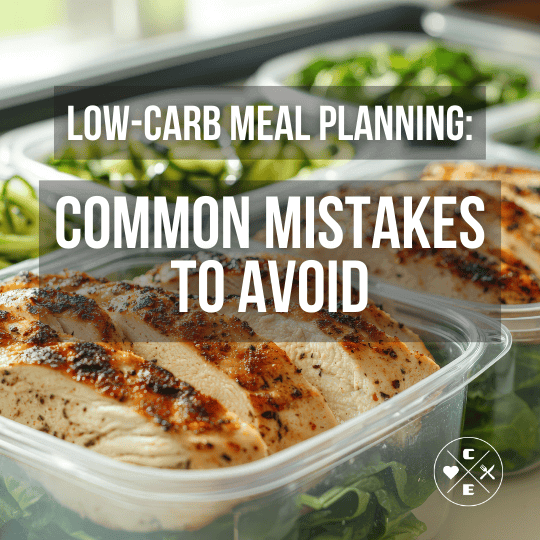
Setting aside time each week to prep proteins and vegetables eliminates most decision fatigue. Cook a few pounds of chicken thighs, roast a sheet pan of broccoli and cauliflower, hard-boil a dozen eggs, and portion out some nuts. With these components ready, assembling low-carb meals takes minutes.
For those weeks when prep time just isn't happening, Clean Eatz Kitchen's meal plans offer pre-portioned, macro-balanced meals that take the guesswork out of low-carb eating. When your macros are already calculated and your portions are controlled, you avoid most of the pitfalls that derail low-carb dieters.
For a complete breakdown of meal prep strategies that work with any eating style, our Complete Meal Prep Guide covers everything from batch cooking basics to storage and reheating.
FAQ
Why am I not losing weight on a low-carb diet?
Common reasons include hidden carbs in sauces, dressings, and "sugar-free" products; eating too many calorie-dense foods like nuts and cheese; not drinking enough water; or consuming too much protein, which can convert to glucose. Track your food intake for a week to identify the issue.
What is keto flu and how do I prevent it?
Keto flu symptoms include headaches, fatigue, muscle cramps, and brain fog during the first week of low-carb eating. It's caused by electrolyte loss as your body sheds water. Prevent it by increasing sodium intake (salt your food liberally or drink broth), eating potassium-rich foods like avocado, and considering a magnesium supplement.
How many carbs can I eat and stay in ketosis?
Most people find it beneficial to stay under 20-50 grams of net carbs daily to maintain ketosis. Net carbs are calculated by subtracting fiber from total carbs. Individual tolerance varies based on activity level, metabolism, and how long you've been eating low-carb.
Can I eat too much protein on a low-carb diet?
Yes. Excess protein can be converted to glucose through a process called gluconeogenesis, potentially kicking you out of ketosis. A ketogenic diet is high-fat, moderate-protein—aim for about 15-20% of calories from protein, not 40-50%.
Are "keto-friendly" packaged foods okay to eat?
Many packaged keto products contain sugar alcohols, artificial ingredients, and inflammatory oils that can stall progress or cause digestive issues. Whole foods like meat, fish, eggs, non-starchy vegetables, and healthy fats are always a better choice than processed alternatives.
The Bottom Line
Low-carb eating works—but only if you avoid the specific pitfalls that come with carbohydrate restriction. Generic diet advice won't cut it here. You need to watch for hidden carbs in unexpected places, replace lost electrolytes, treat calorie-dense foods like nuts with respect, prioritize whole foods over packaged "keto" products, embrace fat as your primary fuel source, and stay hydrated.
Get these fundamentals right, and low-carb meal planning becomes sustainable rather than frustrating. The results will follow.
Disclaimer: This content is provided for informational use only and is not intended as medical advice or as a substitute for the medical advice of a healthcare professional.