
Access Denied
IMPORTANT! If you’re a store owner, please make sure you have Customer accounts enabled in your Store Admin, as you have customer based locks set up with EasyLockdown app. Enable Customer Accounts
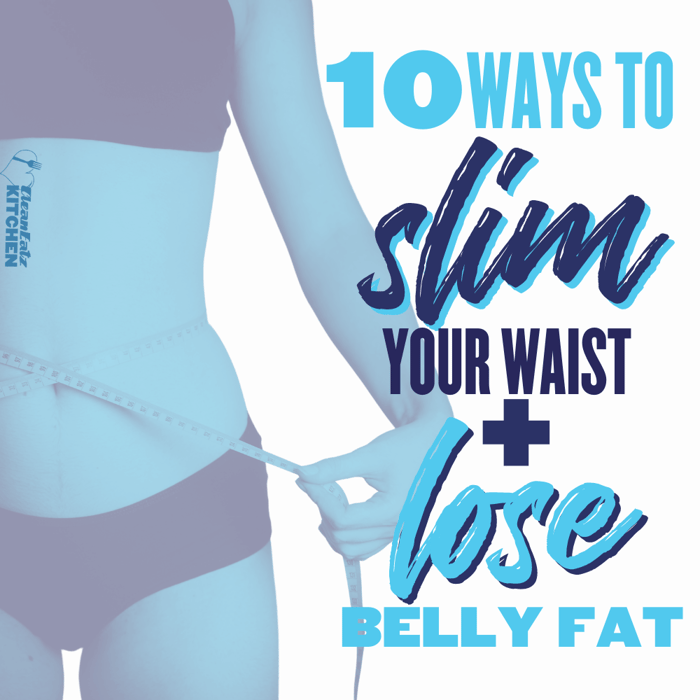
10 Best Ways to Slim Your Waist and Lose Belly Fat
Crystal Zabka-Belsky, MS, RDN, CSSD, LMNT, LDN
Exercises & Fitness
|
Weight Loss
|
Healthy Lifestyle
12/02/2025 8:59am
19 minute read
Listen to article
Audio generated by DropInBlog's Blog Voice AI™ may have slight pronunciation nuances. Learn more
Quick Answer: You can't spot-reduce belly fat, but you can shrink your waist by creating a moderate calorie deficit (300-500 calories daily), prioritizing protein (0.7-1.0g per pound body weight), eating 25-38g of fiber daily (especially soluble fiber), lifting weights 2-3 times weekly, doing 150+ minutes of cardio, sleeping 7-9 hours, and limiting alcohol. Research shows combining improved diet and exercise reduces visceral belly fat by about 150 grams more than changing either alone—and that dangerous visceral fat responds particularly well to these habits.
Table of Contents
- Why Belly Fat Is Different (And Why That Matters)
- Understanding Visceral Fat: The Hidden Health Risk
- 1. Create a Sustainable Calorie Deficit
- 2. Prioritize Protein at Every Meal
- 3. Lift Weights 2-3 Times Per Week
- 4. Get Enough Cardio (150+ Minutes Weekly)
- 5. Eat More Fiber—Especially Soluble Fiber
- 6. Minimize Ultra-Processed Foods
- 7. Cut Sugary Drinks
- 8. Sleep 7-9 Hours and Manage Stress
- 9. Watch Alcohol Intake
- 10. Track Progress Beyond the Scale
- Sample High-Protein, High-Fiber Day
- Common Mistakes That Sabotage Belly Fat Loss
- Frequently Asked Questions
- The Bottom Line
Why Belly Fat Is Different (And Why That Matters)
Let's get one thing straight: you cannot do crunches and melt away belly fat. If you've been doing hundreds of sit-ups hoping to see your waist shrink, I need to save you some frustration. Spot reduction is a myth that refuses to die, and it's keeping people stuck.
But here's what's actually encouraging—belly fat, particularly the dangerous visceral fat deep inside your abdomen, is highly responsive to lifestyle changes. In fact, it's often the first fat to go when you start doing things right. Your body tends to pull from visceral fat stores before subcutaneous fat (the pinchable stuff under your skin), which means the most harmful fat is also the most changeable.
I've seen this pattern countless times: someone commits to the fundamentals—better nutrition, consistent exercise, quality sleep—and their waist measurement starts dropping before they see much change on the scale. That's visceral fat leaving the building.
This guide will teach you everything you need to know about actually reducing your waist size. Not gimmicks, not shortcuts, but the science-backed strategies that work. Let's dig in.
Understanding Visceral Fat: The Hidden Health Risk
Before we get into the strategies, you need to understand what you're fighting. Not all belly fat is created equal.
Subcutaneous vs. Visceral Fat
That soft, pinchable fat on your stomach? That's subcutaneous fat—it sits right under the skin and, while not exactly desirable, isn't the primary health concern. The real problem is deeper.
Visceral fat surrounds your internal organs—liver, intestines, kidneys—and fills the spaces between them. You can't see it or pinch it. It hides beneath your abdominal muscles and pushes your belly outward from the inside. According to Harvard Health, in most people about 90% of body fat is subcutaneous, with the remaining 10% being visceral. But that 10% is a major player in health problems.
Why Visceral Fat Is Dangerous
Here's what makes visceral fat particularly harmful: it's biologically active. Unlike subcutaneous fat, which mostly just stores energy, visceral fat cells function like an endocrine organ, pumping out hormones and inflammatory compounds that wreak havoc throughout your body.
Visceral fat produces cytokines that trigger chronic low-level inflammation—a risk factor for heart disease, diabetes, and other conditions. It also produces precursors to angiotensin, a protein that raises blood pressure. Research has linked excess visceral fat to:
- Type 2 diabetes and insulin resistance
- Cardiovascular disease and stroke
- Metabolic syndrome
- Non-alcoholic fatty liver disease
- Certain cancers
- Sleep apnea
The good news? Visceral fat responds remarkably well to the strategies we're about to cover. A recent study published in JAMA Network Open found that participants who improved both diet and exercise simultaneously gained about 1.9 kg less total body fat and 150 grams less visceral fat than those who didn't make both changes—with visceral fat being specifically responsive to these lifestyle improvements.
1. Create a Sustainable Calorie Deficit
There's no way around this: to lose any body fat, including belly fat, you need to consume fewer calories than you burn. But the key word is sustainable.
The Right Deficit Size
A moderate deficit of 300-500 calories per day is the sweet spot for most people. This allows for:
- Steady fat loss (0.5-1 pound per week)
- Better muscle preservation
- Sustainable energy levels
- Reduced hunger and cravings
- Higher diet adherence long-term
Crash dieting with extreme deficits backfires. Your body fights back with increased hunger hormones, decreased metabolism, and muscle loss. Then when you inevitably can't maintain such restriction, the weight comes back—often with extra.
How to Build Satisfying Meals in a Deficit
The secret to eating less without feeling deprived is building your meals around high-satiety foods:
| Food Category | Examples | Why It Works |
|---|---|---|
| Lean Protein | Chicken, fish, eggs, Greek yogurt | High thermic effect, preserves muscle, very satiating |
| Non-Starchy Vegetables | Broccoli, spinach, peppers, zucchini | High volume, very low calories, fiber-rich |
| Smart Carbs | Brown rice, quinoa, sweet potatoes, beans | Fiber keeps you full, sustained energy |
| Healthy Fats | Olive oil, avocado, nuts (measured) | Slows digestion, satisfying—but calorie-dense |
Use our Calorie Calculator to find your target, then build meals using this formula: 4-6 oz lean protein + 1-2 cups vegetables + ½-1 cup smart carbs + small amount of healthy fat. For ready-made portions that hit these targets, check out our Weight Loss Meal Plan.
2. Prioritize Protein at Every Meal
If there's one nutritional strategy that consistently shows up in successful fat loss, it's higher protein intake. This isn't about extreme diets—it's about smart distribution throughout your day.
Why Protein Matters for Belly Fat
Protein does several things that specifically help with waist reduction:
- Preserves muscle during weight loss: Without adequate protein, up to 20-30% of weight lost can come from muscle rather than fat. Less muscle means lower metabolism and a softer appearance.
- Higher thermic effect: Your body burns about 20-30% of protein calories just digesting it, compared to 5-10% for carbs and 0-3% for fat.
- Superior satiety: Protein is the most filling macronutrient, reducing overall calorie intake naturally.
- Reduces cravings: Adequate protein helps stabilize blood sugar and reduces late-night snacking urges.
How Much Protein Do You Need?
| Goal | Protein Range | Example (150 lb person) |
|---|---|---|
| Fat Loss (general) | 0.7-0.9g per lb body weight | 105-135g daily |
| Fat Loss (active/lifting) | 0.8-1.0g per lb body weight | 120-150g daily |
| Per Meal Target | 25-40g per meal | 3-4 protein-rich meals |
Use our Protein Intake Calculator to dial in your specific needs. For an easy protein-forward start to your day, try our Breakfast Sandwich or check out our High-Protein Meal Plan.
3. Lift Weights 2-3 Times Per Week
Here's where many people go wrong: they focus entirely on cardio for fat loss and skip the weights. That's a mistake, especially for belly fat.
Why Resistance Training Matters
A comprehensive meta-analysis of 58 studies found that resistance training significantly reduces body fat percentage, body fat mass, and visceral fat in healthy adults—even without cardio or diet changes. The effect size was consistent across both obese and non-obese individuals, and across age groups.
Strength training helps belly fat loss through several mechanisms:
- Preserves and builds muscle: This keeps your metabolism elevated during weight loss
- Creates a leaner appearance: More muscle tone makes your waist look smaller even at the same body fat
- Improves insulin sensitivity: Better glucose handling means less fat storage
- Boosts afterburn: Your body continues burning calories for hours post-workout during recovery
A Basic Belly-Fat-Fighting Routine
You don't need complicated programs. Focus on compound movements that work multiple muscle groups:
- Push: Push-ups, bench press, overhead press
- Pull: Rows, pull-ups, lat pulldowns
- Legs: Squats, lunges, deadlifts, leg press
- Core: Planks, pallof press, cable rotations (core work builds trunk strength and posture, though it won't spot-reduce)
Aim for 2-3 full-body sessions per week, or an upper/lower split. Progressive overload—gradually increasing weight or reps over time—is key. For more detailed programming, see our Complete Exercise Guide for Weight Loss.
4. Get Enough Cardio (150+ Minutes Weekly)
While strength training preserves muscle and boosts metabolism, aerobic exercise is particularly effective at burning visceral fat specifically.
The Research on Cardio and Belly Fat
A Duke University study comparing aerobic exercise, resistance training, and combination training found that aerobic exercise was the most efficient method for reducing visceral and liver fat. According to Johns Hopkins Medicine, exercise works off belly fat in particular because it reduces circulating insulin levels—which otherwise signal the body to hang on to fat—and causes the liver to use up fatty acids, especially those near visceral fat deposits.
Cardio Guidelines for Belly Fat Loss
| Activity Level | Weekly Target | Examples |
|---|---|---|
| Minimum effective | 150 min moderate OR 75 min vigorous | 30 min brisk walk 5x/week |
| Better results | 200-300 min moderate | 45-60 min walk/cycle most days |
| Daily movement | 8,000-10,000 steps | Non-exercise activity throughout day |
The best cardio is the one you'll actually do consistently. Walking, cycling, swimming, dancing, rowing—they all work. What matters is accumulating enough volume at moderate-to-vigorous intensity.
5. Eat More Fiber—Especially Soluble Fiber
This is one of the most underrated belly fat strategies. Fiber, particularly soluble fiber, has a direct relationship with visceral fat reduction.
The Wake Forest Study
Research from Wake Forest Baptist Medical Center involving 1,114 people over five years found that for every 10-gram increase in soluble fiber eaten per day, visceral fat was reduced by 3.7%. Combined with moderate activity (which reduced visceral fat accumulation by 7.4%), these simple changes had significant health impact.
What's particularly interesting: increased soluble fiber was associated with decreased visceral fat specifically, not subcutaneous fat. The relationship targeted the most dangerous fat depot.
How to Get More Soluble Fiber
Ten grams of soluble fiber—the amount linked to visceral fat reduction—can come from:
- Two small apples
- One cup of green peas
- One-half cup of pinto beans
- One cup of oatmeal plus one cup of berries
- Two tablespoons of chia seeds plus one orange
| Food | Serving | Soluble Fiber | Total Fiber |
|---|---|---|---|
| Black beans | ½ cup cooked | ~2.4g | 7.5g |
| Oatmeal | 1 cup cooked | ~2g | 4g |
| Brussels sprouts | 1 cup | ~2g | 4g |
| Avocado | ½ medium | ~2.5g | 5g |
| Apple (with skin) | 1 medium | ~1.5g | 4.4g |
| Chia seeds | 2 Tbsp | ~2g | 10g |
For a deep dive into fiber's benefits and a 30-day transformation plan, see our Ultimate Guide to Dietary Fiber.
6. Minimize Ultra-Processed Foods
This isn't about being perfect or labeling foods as "good" or "bad." It's about understanding that ultra-processed foods make it significantly harder to control calories and belly fat.
The NIH Study That Changed Everything
A landmark NIH inpatient study gave participants either ultra-processed or unprocessed diets with matched calories and macros. Despite the diets looking identical on paper, the ultra-processed group ate about 500 more calories per day and gained weight, while the unprocessed group lost weight.
Ultra-processed foods are engineered to override our natural satiety signals. They're easy to over-consume, provide little fiber or protein, and often come with added sugars and inflammatory fats.
Practical Approach
You don't need to eliminate processed foods entirely. The 80/20 approach works well:
- 80% of meals: Built around whole foods—lean proteins, vegetables, fruits, whole grains, beans, nuts
- 20% flexibility: Room for convenience items, social eating, and treats
Focus on adding more whole foods rather than obsessing over what to eliminate. As whole food intake increases, processed food intake naturally decreases.
7. Cut Sugary Drinks
If you do one thing from this entire guide, make it this: stop drinking your calories from sugar-sweetened beverages.
Why Liquid Sugar Is Particularly Harmful
Sugary drinks—soda, fruit juice, sweetened coffee drinks, energy drinks—deliver large amounts of sugar rapidly without any satiety benefit. Your body doesn't register liquid calories the same way it registers food calories, so you don't eat less to compensate.
Multiple randomized controlled trials published in the New England Journal of Medicine have shown that reducing sugar-sweetened beverages meaningfully curbs weight gain. The effect is particularly pronounced for belly fat because fructose (a major component of added sugars) is metabolized primarily in the liver, promoting fat storage in the abdominal region.
What to Drink Instead
- Water: The obvious choice—aim for half your body weight in ounces daily
- Sparkling water: If you miss the fizz of soda
- Black coffee: Metabolism boost without calories
- Unsweetened tea: Hot or iced, endless flavor varieties
- Water with lemon, lime, or cucumber: Natural flavor enhancement
8. Sleep 7-9 Hours and Manage Stress
Here's where people underestimate the impact on belly fat specifically. Poor sleep doesn't just make you tired—it literally redirects fat storage to your abdomen.
The Mayo Clinic Sleep Study
A controlled study published in the Journal of the American College of Cardiology found that when healthy, non-obese participants were restricted to 4 hours of sleep for 2 weeks (compared to 9 hours), they experienced a 9% increase in total abdominal fat and an 11% increase in visceral fat specifically.
Even more concerning: visceral fat continued to increase during the recovery period when participants returned to normal sleep. The researchers noted that inadequate sleep appears to be a previously unrecognized trigger for visceral fat deposition, and short-term catch-up sleep doesn't reverse the accumulation.
How Sleep Deprivation Promotes Belly Fat
- Increased cortisol: The stress hormone that specifically promotes abdominal fat storage
- Disrupted hunger hormones: Ghrelin (hunger hormone) increases while leptin (satiety hormone) decreases
- Increased calorie intake: Sleep-deprived participants in the Mayo study ate 308 extra calories daily
- Cravings for high-calorie foods: Particularly carbs and fats
- Reduced motivation to exercise: Creating a double impact on energy balance
Sleep Improvement Strategies
- Set a consistent sleep and wake time (even weekends)
- Create a dark, cool sleeping environment (65-68°F)
- Limit caffeine after 2 PM
- Avoid alcohol close to bedtime (it disrupts sleep quality)
- Put screens away 1 hour before bed
- Consider a wind-down routine: light stretching, reading, or meditation
For comprehensive guidance, see our pillar article on The Importance of Sleep for Overall Health and Well-Being.
9. Watch Alcohol Intake
The term "beer belly" exists for a reason, though the relationship between alcohol and belly fat is more nuanced than just beer.
How Alcohol Affects Belly Fat
Alcohol impacts waist size through multiple mechanisms:
- Empty calories: At 7 calories per gram, alcohol is nearly as calorie-dense as fat
- Impaired fat burning: Your body prioritizes metabolizing alcohol, putting fat burning on hold
- Increased appetite: Alcohol lowers inhibitions and stimulates hunger
- Poor food choices: The "drunk munchies" are real and often involve high-calorie foods
- Disrupted sleep: Alcohol fragments sleep architecture, contributing to the cortisol-belly fat connection
Population studies consistently show that heavy and binge drinking patterns are associated with larger waist circumference and more visceral fat. The U.S. Dietary Guidelines define moderate drinking as up to 1 drink daily for women and up to 2 for men—though for belly fat optimization, less is better.
Practical Approach
You don't necessarily need to eliminate alcohol, but be strategic:
- Choose lower-calorie options (light beer, wine, spirits with calorie-free mixers)
- Set a limit before you start drinking
- Alternate alcoholic drinks with water
- Avoid drinking close to bedtime
- If weight loss stalls, consider a 2-4 week alcohol break to assess impact
10. Track Progress Beyond the Scale
The scale is the worst tool for measuring belly fat specifically. You can lose visceral fat while the scale barely moves—or even goes up if you're gaining muscle.
Better Ways to Track Waist Progress
| Method | How To | Frequency |
|---|---|---|
| Waist measurement | Measure at navel level, same time of day, relaxed (not sucking in) | Weekly |
| Progress photos | Same lighting, angle, time of day; front and side views | Every 2-4 weeks |
| How clothes fit | Pick a "benchmark" pair of pants and note how they fit | Weekly |
| Energy and strength | Note workout performance, daily energy levels | Ongoing |
What to Expect
With consistent implementation of these strategies:
- Week 1-2: Water weight changes, energy fluctuations as you adapt
- Week 3-4: First measurable waist changes (0.5-1 inch possible)
- Month 2-3: Visible changes in photos, clothes fitting differently
- Month 3+: Continued steady progress with compounding results
Visceral fat often reduces faster than subcutaneous fat, so health markers may improve before you see dramatic visual changes. Don't get discouraged—the most dangerous fat is leaving first.
Sample High-Protein, High-Fiber Day
Here's what a waist-friendly day of eating looks like in practice:
Breakfast (~450 calories, 30g protein, 8g fiber)
Greek yogurt bowl: 1 cup nonfat Greek yogurt + ½ cup oats + 1 cup mixed berries + 1 Tbsp chia seeds + drizzle of honey
Or try our Breakfast Sandwich + piece of fruit
Lunch (~500 calories, 35g protein, 10g fiber)
Chicken and bean bowl: 5 oz grilled chicken + ½ cup black beans + ½ cup brown rice + 1 cup roasted vegetables + salsa + 2 Tbsp guacamole
Snack (~200 calories, 15g protein, 4g fiber)
Cottage cheese cup: ¾ cup cottage cheese + ½ cup grapes or apple slices
Browse more ideas in our 29 Healthy Snacks to Lose Weight
Dinner (~550 calories, 40g protein, 8g fiber)
Salmon plate: 6 oz baked salmon + 1 cup roasted Brussels sprouts + 1 small baked sweet potato + side salad with olive oil/lemon dressing
Or swap in a Meal Plan entrée for convenience
Daily totals: ~1,700 calories, 120g protein, 30g fiber
Common Mistakes That Sabotage Belly Fat Loss
After seeing thousands of people work on their waistlines, these are the patterns that consistently hold people back:
1. Relying on Ab Exercises to Burn Belly Fat
Crunches, sit-ups, and planks build core strength and improve posture, but they burn minimal calories and don't target belly fat. You can have strong abs hidden under a layer of fat. Core work is valuable—just don't expect it to shrink your waist directly.
2. Cutting Calories Too Aggressively
Extreme deficits (1,000+ calories below maintenance) spike cortisol, increase muscle loss, and crash your metabolism. They're also impossible to maintain. A moderate deficit gets you there more slowly but actually keeps you there.
3. Only Doing Cardio
Cardio without strength training leads to muscle loss, which lowers metabolism and leaves you "skinny fat"—thinner but still soft. Always include resistance training.
4. Ignoring Sleep
As the Mayo Clinic research showed, sleep deprivation specifically targets visceral fat. You cannot out-exercise or out-diet poor sleep.
5. Weekend Binge Cycles
Eating well Monday through Friday then "relaxing" on weekends can erase your entire deficit. A 500-calorie deficit five days a week (2,500 calories) can be eliminated by two days of 1,250 surplus calories.
6. Drinking Your Calories
Liquid calories—alcohol, sugary coffee drinks, juice, soda—add up fast and don't fill you up. Many people underestimate beverage calories by 50% or more.
7. Expecting Fast Results
Belly fat accumulates over years; it won't disappear in weeks. Sustainable fat loss is 0.5-1 pound per week. Focus on trends over months, not fluctuations over days.
Frequently Asked Questions
Can I target belly fat specifically with exercise?
No, spot reduction is a myth. You cannot burn fat from a specific area by exercising that area. However, total body fat loss through calorie deficit, strength training, and cardio will reduce belly fat, including dangerous visceral fat. Studies show aerobic exercise is particularly effective at reducing visceral fat.
What is the best exercise for losing belly fat?
Research shows aerobic exercise (cardio) is most effective for reducing visceral belly fat, while resistance training preserves muscle and boosts metabolism. The ideal approach combines both: 2-3 strength sessions plus 150+ minutes of moderate cardio weekly. Walking 8,000-10,000 steps daily also helps.
How much protein should I eat to lose belly fat?
Most research suggests 0.7-1.0 grams of protein per pound of body weight for fat loss while preserving muscle. Include 25-40 grams of protein at each meal. Higher protein intake helps preserve lean mass during calorie restriction and increases satiety.
Does sleep affect belly fat?
Yes, significantly. A Mayo Clinic study found that sleep restriction led to an 11% increase in visceral belly fat. Poor sleep disrupts hormones that control hunger (ghrelin and leptin) and increases cortisol, which promotes fat storage in the abdominal area. Aim for 7-9 hours nightly.
What foods help reduce belly fat?
Focus on high-protein foods (lean meats, fish, eggs, Greek yogurt), high-fiber foods (especially soluble fiber from beans, oats, fruits, vegetables), and minimize ultra-processed foods and sugary drinks. A Wake Forest study found that 10 grams of soluble fiber daily reduced visceral fat by 3.7% over 5 years.
How long does it take to lose belly fat?
With a consistent 300-500 calorie deficit and regular exercise, you can expect to lose 0.5-1 pound of total body fat per week. Visceral fat often responds faster than subcutaneous fat. Most people see noticeable waist changes within 4-8 weeks of consistent effort.
Does alcohol cause belly fat?
Heavy alcohol consumption is associated with larger waist circumference and more visceral fat. Alcohol provides empty calories (7 calories per gram), impairs fat burning, and may increase appetite. Moderate consumption or avoiding alcohol entirely supports belly fat loss goals.
Are fat-burning supplements effective for belly fat?
No supplement has been proven to specifically target belly fat. Effective waist reduction comes from consistent habits: calorie control, adequate protein, fiber intake, strength training, cardio, quality sleep, and stress management. Save your money and focus on the fundamentals.
The Bottom Line
Losing belly fat isn't about finding a secret food, supplement, or exercise. It's about consistently applying fundamental principles:
- Eat in a moderate calorie deficit (300-500 calories)
- Get enough protein at every meal (0.7-1.0g per pound)
- Lift weights 2-3 times per week
- Do cardio you enjoy (150+ minutes weekly)
- Eat plenty of fiber, especially soluble fiber
- Minimize ultra-processed foods
- Cut sugary drinks
- Sleep 7-9 hours
- Moderate alcohol intake
- Track progress with waist measurements, not just scale weight
The research is clear: combining improved diet and exercise targets visceral fat more effectively than either alone. These changes don't need to be extreme—the Wake Forest study showed that just 10 grams more soluble fiber and moderate activity made meaningful differences over time.
Start where you are. Pick 2-3 strategies from this guide and implement them consistently for a month before adding more. Sustainable change beats dramatic short-term efforts every time.
Ready to make it easier? Our Weight Loss Meal Plan delivers portion-controlled, protein-rich meals to your door—taking the guesswork out of eating for a smaller waist. Or customize your own approach with our Build-a-Meal Plan.
Disclaimer: This content is for educational purposes only and does not replace personalized professional advice. If you have medical conditions, consult your healthcare provider before making significant diet or exercise changes.
Related Articles
Diet Soda for Weight Loss: Does It Help—or Hurt?
17 minute read
Are Bananas Good for Weight Loss? Portion & Pairing Tips
10 minute read
What Are the Pros and Cons of Fitness Trackers
5 minute read
Invalid password
Enter