
Quick answer: The BRAT diet — bananas, rice, applesauce, toast — is a short-term bland-food approach for nausea, vomiting, and diarrhea. It is no longer standard medical advice. The American Academy of Pediatrics says the diet is no longer considered useful because it is too low in protein, fat, and fiber to help the gut recover, and recommends returning to a normal diet within about 24 hours. BRAT foods still work as a bridge back to eating. Just don’t stay on them.
What the BRAT Diet Actually Is
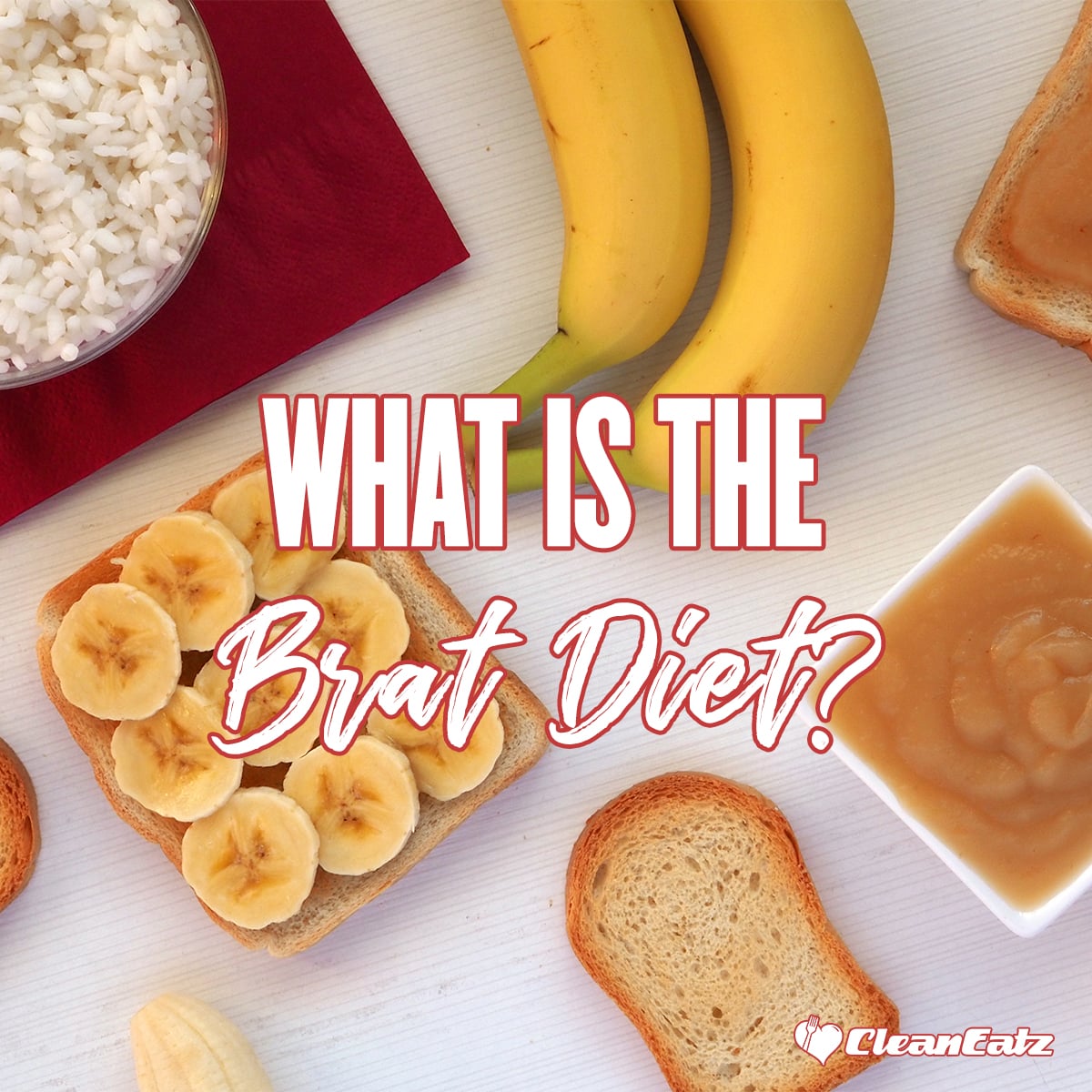
BRAT is an acronym, not a protocol. Bananas, rice, applesauce, toast. Four foods that share three traits: bland, low in fiber, and low in fat. The theory was that giving the digestive tract almost nothing to work on would let it settle down and firm up stool.
Two of those foods do have a mechanism behind them. Apples and bananas contain pectin, a soluble fiber that binds excess water in the gut. Dr. Jacqueline Wolf, a gastroenterologist at Harvard-affiliated Beth Israel Deaconess Medical Center, explains in Harvard Health Publishing that pectin can help firm up loose stools, and that the starch in white rice converts to soluble fiber in the gut. Bananas also replace some of the potassium lost to diarrhea. If you want the wider picture on how soluble and insoluble fiber behave differently, our complete guide to dietary fiber covers the mechanics.
What BRAT is not: a treatment. It doesn’t kill a norovirus, shorten food poisoning, or fix anything. At best it’s a set of foods you can probably keep down on a bad day.
Why Doctors Stopped Recommending It
This is the part most articles skate past, so here it is plainly. The BRAT diet fell out of clinical favor because it is too restrictive to be useful, and there was never good evidence it worked in the first place.
A clinical review by Duro and colleagues at Children’s Hospital Boston, published in Practical Gastroenterology, examined the data behind the diet and found it lacking in energy, fat, and several micronutrients. Their conclusion was that prompt, age-appropriate feeding should be the standard of care during acute diarrhea. The American Academy of Pediatrics moved away from BRAT in the late 1990s and reaffirmed that position, and now states outright that some pediatricians believe the diet may make symptoms last longer.
Adult guidance runs the same direction. The National Institute of Diabetes and Digestive and Kidney Diseases says most experts do not recommend fasting or a restricted diet during acute diarrhea, and that when your appetite comes back you can generally eat your normal diet. Their guidance on viral gastroenteritis puts it more bluntly still: research shows a restricted diet does not help treat it.
So why does the acronym survive? Because the underlying instinct is sound even though the prescription is wrong. When you’ve been throwing up, you want food that won’t come back, and those four foods qualify. The mistake is treating them as a destination rather than the first rung of a ladder.
Fluids Come First
Food is the secondary problem. Dehydration is what actually sends people to urgent care, and it develops faster than most people expect — especially in children, older adults, and anyone losing fluid from both ends.
Take small, frequent sips rather than large amounts at once; a few ounces every fifteen minutes stays down better than a full glass. Water, ice chips, clear broth, and diluted juice are all reasonable starting points. When losses are ongoing, an oral rehydration solution beats a sports drink, because commercial sports drinks are formulated for sweat loss and carry more sugar and less sodium than gastrointestinal losses call for. Excess sugar can pull water into the intestine and make diarrhea worse.
Hold off on alcohol, strong coffee, and very sugary drinks until things settle. NIDDK lists all three among the things most likely to aggravate acute diarrhea.
The Full BRAT Diet Food List
The classic four are the starting point, not the whole list. Start with very small portions and scale up as you tolerate them.
The core four
Bananas — ripe ones, which are softer and easier to digest than firm green ones. A source of potassium, which diarrhea depletes.
White rice — plain, cooked soft, no butter or oil. Brown rice is the better everyday grain but carries about four times the fiber, which is the wrong direction here. Our guide to rice covers the white-versus-brown tradeoff for normal weeks.
Applesauce — unsweetened. Cooked apple without the skin is gentler than raw apple, and the pectin is the point.
Toast — plain white or gluten-free, dry or barely buttered. Whole wheat is too much fiber for day one.
Bland foods to add as soon as you tolerate the core four
Congee or rice porridge — rice simmered in four to five times its volume of water until it breaks down. Easier to keep down than a firm bowl of rice, and it delivers fluid alongside the starch.
Plain crackers — saltines or rice crackers. Useful for the queasy stretch before you can face a real meal.
Boiled or mashed potatoes — no butter, no cream, no skins.
Clear broth and light soups — these do double duty as food and fluid, and the sodium is genuinely useful when you’ve been losing electrolytes.
Plain oatmeal — cooked thin with water. Oats are usually well tolerated once nausea eases.
Cooked carrots, squash, or peeled sweet potato — soft-cooked vegetables that Harvard Health specifically recommends adding back for the nutrients BRAT lacks.
Gentle protein — scrambled egg, poached or baked skinless chicken, tofu, or white fish. Add these as soon as vomiting has stopped.
One caveat on yogurt and probiotics. Live-culture yogurt is fine if it sits well, but the evidence for probiotics in acute gastroenteritis is strain-specific and mixed, and dairy is a common problem after a stomach bug. NIDDK notes that some people struggle to digest lactose for a month or more afterward. If dairy made things worse last time you were sick, that’s probably why.
BRAT Diet Meal Ideas
Four foods gets old within about six hours, which is one reason people abandon the plan and go straight back to pizza. Here are combinations that stay inside the bland-and-low-fat lines while resembling actual meals.
Breakfast. Banana mashed onto dry white toast is the most-tolerated thing on this list. Thin oatmeal made with water and a spoonful of applesauce stirred in works once nausea settles. A soft scrambled egg with plain toast, no butter, once you’re past vomiting.
Lunch. Congee with a little salt, which is what most of East Asia eats when sick and is far more pleasant than plain rice. Clear chicken broth with white rice stirred in. Mashed potato thinned with broth into something between a soup and a puree.
Dinner. This is where people search hardest, and the honest answer is that dinner on day one should be small and boring: rice with soft-cooked carrots, or broth with crackers. By day two, a few ounces of baked skinless chicken with white rice and cooked squash is a real meal that stays bland. That combination — lean protein, soft carbohydrate, soft-cooked vegetable — is the template for everything that follows.
Snacks. Applesauce cups. Half a banana. A few saltines. Ice chips genuinely count when nausea is bad.
What to Skip While You’re Sick
Fried and greasy food is the clearest one; fat slows stomach emptying and tends to come straight back. Spicy food and heavy sauces irritate an already inflamed tract. Raw high-fiber vegetables like cabbage and big salads give the gut more work than it can handle. Alcohol and heavy caffeine both aggravate diarrhea and dehydrate you further.
Sugar deserves a specific mention because it hides in things people reach for when sick. Large amounts of simple sugars — sweetened drinks, juice, sugar-free gum with sugar alcohols — can worsen diarrhea by drawing water into the intestine. Flat soda is folk wisdom, not medicine.
A 48-Hour Progression
Advance faster than this if you feel able. The timeline is a floor, not a schedule.
| Stage | What to have | Goal |
|---|---|---|
| Hours 0–6 | Sips of water, ice chips, clear broth, or oral rehydration solution | Replace fluid; find out what stays down |
| Hours 6–24 | Small portions of BRAT foods — a few spoonfuls of rice or applesauce, half a banana, dry toast | Get calories in without triggering nausea |
| Hours 24–48 | Larger portions, plus soup, potatoes, cooked vegetables, and small amounts of egg, chicken, or tofu | Restore protein and nutrients |
| After 48 hours | Normal balanced meals | Recovery |
If you’re still unable to keep fluids down after 24 hours, or symptoms are getting worse rather than better, stop working through a timeline and call a provider.
Getting Back to Normal Eating
The reintroduction phase is where this goes wrong most often, and it’s the part health sites tend to skip because their advice ends at “resume a normal diet.” Two failure modes show up repeatedly.
The first is staying bland too long. Day four of toast and applesauce isn’t cautious, it’s undernourished, and it delays the recovery it’s meant to help. The second is the opposite: feeling better at hour thirty and going straight for something fried, then wondering why the nausea came back. Reintroduce fat gradually and dairy last.
The practical obstacle is that on day two you feel wrung out, and cooking a balanced meal is the last thing you want to do — which is exactly when people order takeout and undo the progress. Having something already made helps more than any food list does. Our Build Your Meal Plan lets you pick individual meals from the menu, so you can stock a few of the plainer chicken-and-rice or turkey-and-potato entrees for exactly this; every meal is fully cooked, flash-frozen, and heats in three to five minutes. Filter for simpler preparations and skip anything heavily sauced until you’re fully back to normal.
Once you’re eating properly again, our healthy dinner recipes guide has straightforward options that don’t demand much of you.
Kids, Pregnancy, and IBS
Children. This is where the guidance has shifted most. The AAP recommends resuming a normal, age-appropriate diet within about 24 hours, including fruits, vegetables, meat, yogurt, and complex carbohydrates — not a restricted list. Fluids and electrolyte solutions matter far more than which foods a child eats. Infants should continue breast milk or formula throughout. Call your pediatrician if symptoms persist or any red flag appears.
Pregnancy. Small, frequent bland meals and steady fluids often help with nausea. If you can’t keep fluids down, or you’re losing weight, contact your provider rather than waiting it out.
IBS and chronic GI conditions. A brief bland phase can help during a flare, but sustained restriction tends to make things worse over time by narrowing the diet. Structured approaches like low-FODMAP should be run with a dietitian rather than improvised, since the reintroduction phase is the part that actually produces useful information.
When to Call a Doctor
Don’t wait out any of the following. Blood in stool or vomit. Black or tarry stools. A high fever. Severe abdominal pain. Signs of dehydration, including very dark urine, dizziness, dry mouth, or little to no urination for six to eight hours. Symptoms lasting longer than 48 hours.
Contact a provider earlier if the person affected is an infant, an older adult, pregnant, or managing a chronic condition such as kidney disease or diabetes.
FAQs
How long should you stay on the BRAT diet?
No longer than about 24 hours, and less if you can manage it. The four BRAT foods are low in protein, fat, and micronutrients, so there is no benefit to extending them once you can keep other food down. Move to a fuller bland diet as soon as your stomach allows.
Does the BRAT diet stop diarrhea?
No. It does not treat the cause of diarrhea and it does not shorten an illness. Bananas and applesauce contain pectin, which binds water and can firm up stool somewhat, but that is a texture effect rather than a cure. Fluid replacement matters far more than food choice.
What should you drink on the BRAT diet?
Small, frequent sips of water, clear broth, diluted juice, or an oral rehydration solution. Oral rehydration solutions are the better choice when losses are ongoing, because sports drinks carry more sugar and less sodium than the situation calls for. Skip alcohol, coffee, and very sugary drinks until symptoms settle.
What kind of rice is best for the BRAT diet?
Plain white rice, cooked soft, with no butter or oil. Brown rice is the better everyday choice but carries roughly four times the fiber, which is the opposite of what an irritated gut wants. Congee, or rice cooked in extra water until it becomes porridge, is easier to keep down than a firm bowl of rice.
Can you eat protein on the BRAT diet?
Yes, and you should add it back early. Once vomiting has stopped, small amounts of scrambled egg, poached or baked skinless chicken, tofu, or plain yogurt are well tolerated by most people. Staying low-protein for several days is the main nutritional risk of the BRAT diet.
Is the BRAT diet good for weight loss?
No. Any scale change during a stomach bug is fluid, not fat, and it comes back within a day or two of normal eating. The BRAT diet supplies almost no protein and very little fat, which is a poor foundation for any deliberate weight-loss plan. If that’s the goal, start with our calorie calculator and the best foods for weight loss guide instead.
When should you see a doctor for vomiting or diarrhea?
Seek care for blood in stool or vomit, black or tarry stools, a high fever, severe abdominal pain, signs of dehydration such as dizziness or little urination for six to eight hours, or symptoms lasting more than 48 hours. Contact a provider sooner for infants, older adults, pregnancy, or chronic illness.
The Bottom Line
Treat BRAT as a bridge, not a diet. The foods are fine for the day you feel worst, and the acronym is an easy thing to remember at 3am when you’re deciding whether to risk eating. But the clinical consensus moved on for a reason: those four foods can’t rebuild anything, and staying on them past the first day works against you.
Get fluids in, eat whatever stays down, add protein and cooked vegetables as soon as you can, and be eating normally within two days. When you’re ready for real meals again and don’t have the energy to cook, our curated meal plans take the decision off your plate entirely.
This content is for educational purposes only and does not replace personalized advice from a qualified healthcare professional.