
Quick Answer: The GOLO Diet combines a whole-food meal plan ("GOLO for Life") with a proprietary supplement called Release. The eating plan emphasizes balanced, portion-controlled meals with protein, vegetables, whole-food carbs, and healthy fats. Release contains plant extracts and minerals marketed to support insulin-related processes and weight management. Evidence is mixed and largely company-funded—you can follow GOLO-style eating without the supplement and still see results.
GOLO has become one of the most-searched diet programs in recent years, largely due to widespread marketing of its Release supplement and claims related to insulin management. But what is the GOLO Diet exactly, and does the science support the hype? Here's what you need to know before deciding whether it's right for you.
For a broader look at supplements marketed for weight loss—including which have evidence behind them and which don't—our Best Supplements for Weight Loss guide covers the full landscape.
What Is the GOLO Diet?
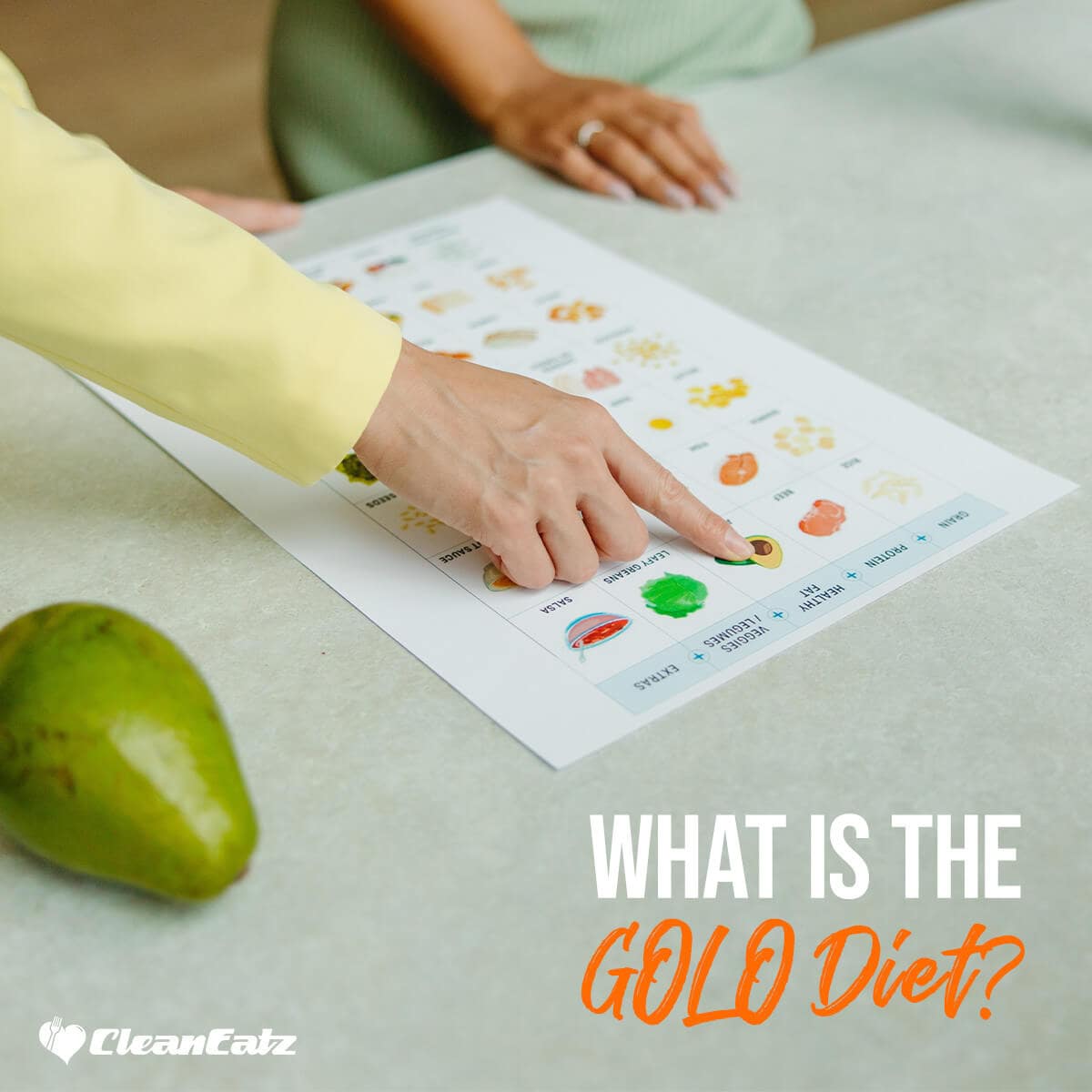
At its core, GOLO is a structured eating plan paired with a supplement. The meal plan emphasizes "real foods"—lean proteins like poultry, fish, eggs, and tofu; high-fiber carbohydrates including brown rice, oats, beans, and fruit; plenty of vegetables; and healthy fats from sources like olive oil, nuts, and avocado. Most people following the plan eat somewhere between 1,300 and 1,800 calories per day, with an emphasis on portion control.
The philosophy centers on metabolic health and insulin management. GOLO's messaging suggests that balancing insulin is the key to sustainable weight loss, which is why the program bundles the meal plan with their Release supplement. However, it's worth noting that the whole-food eating principles GOLO promotes are solid nutritional advice regardless of whether you purchase their supplement.
What's in the Release Supplement?
Release is a patented blend containing seven plant extracts and three minerals:
- Minerals: Magnesium (as dimagnesium malate), zinc bisglycinate, chromium nicotinate glycinate
- Plant extracts: Banaba leaf extract, berberine, salacia reticulata, gardenia jasminoides, apple polyphenols, rhodiola root, inositol
Several of these ingredients—particularly berberine and chromium—have been studied independently for their potential effects on blood sugar regulation and insulin sensitivity. Berberine in particular has a reasonable body of research suggesting it can affect glucose metabolism. However, the specific combination in Release and the doses used haven't been extensively studied outside of GOLO-funded research.
Does GOLO Actually Work?
This is where things get complicated. GOLO points to several studies showing their program produces weight loss and metabolic improvements. A 13-week double-blind, placebo-controlled trial did show greater weight loss in the GOLO group compared to controls, although both groups followed calorie-controlled diets. The catch? This and most other GOLO studies were funded by the company itself, and the trials have been relatively small and short-term.
Independent, large-scale trials are still limited. There's an ongoing study registered on ClinicalTrials.gov examining GOLO in people with diabetes and prediabetes, but results aren't yet available. Until we have more independent research, it's difficult to separate the effects of the supplement from the effects of simply following a structured, whole-food eating plan with portion control—which has plenty of evidence behind it on its own.
For a comprehensive look at foods that genuinely support weight loss, our Best Foods for Weight Loss Complete Guide breaks down the science.
The Honest Pros and Cons
There are legitimate positives to GOLO's approach. The eating plan emphasizes whole foods and portion control—principles that work for weight management regardless of supplementation. The structure can help people who struggle with what and how much to eat, and some early data is at least encouraging even if not definitive.
On the other hand, the reliance on a branded supplement raises questions. The evidence base remains small and industry-funded. The ongoing cost of purchasing Release adds up over time. And for people taking diabetes medications or other drugs that affect blood sugar, ingredients like berberine and chromium can potentially interact with those medications in ways that require medical supervision.
Who Should Be Cautious?
If you take diabetes medications, have a metabolic condition, are pregnant or breastfeeding, or take any medications that might interact with berberine or chromium, talk with your doctor before trying GOLO or the Release supplement. This isn't just standard disclaimer language—berberine in particular can meaningfully affect blood glucose, which matters if you're already managing blood sugar with medication.
The FDA has also issued general warnings about weight-loss supplements containing undisclosed ingredients, so purchasing from reputable sources that clearly disclose what's in their products is important regardless of which supplement you're considering.
Can You Follow GOLO-Style Eating Without the Supplement?
Absolutely. The meal plan principles—balanced portions of protein, fiber-rich carbs, vegetables, and healthy fats—are sound nutritional advice that supports weight management with or without Release. Many people achieve excellent results simply by eating this way consistently.
If the appeal of GOLO is the structure and convenience rather than the specific supplement, there are other ways to get portion-controlled, macro-balanced meals without the ongoing supplement cost. Clean Eatz Kitchen's Weight Loss Meal Plan provides calorie-controlled meals with balanced macros, and the Build-a-Meal Plan lets you customize proteins and sides to your preferences. You can check exact nutrition information on the Nutrition Info page.
Frequently Asked Questions
What is the GOLO Diet and how does it work?
The GOLO Diet combines a structured, calorie-controlled whole-food eating plan with a branded supplement designed to support insulin-related metabolic processes.
Is GOLO FDA-approved?
No. Dietary supplements are not FDA-approved for safety or efficacy. GOLO states its ingredients are Generally Recognized as Safe (GRAS), but this is a different standard than FDA approval for drugs. The FDA doesn't evaluate supplement claims before products go to market.
What does Release claim to do?
GOLO's marketing focuses on supporting insulin sensitivity, reducing appetite and cravings, and targeting visceral fat. These claims are based primarily on company-funded research, and independent confirmation remains limited.
How much does Release cost?
Pricing varies by bottle count and current promotions. Check the GOLO website for current pricing, but factor the ongoing monthly cost into your decision—supplements add up over time compared to focusing on food alone.
Has GOLO faced legal scrutiny?
Some advertising claims have been challenged in court, although this does not necessarily imply wrongdoing. A 2024 California class action was dismissed, but the existence of legal challenges is worth knowing about. Always evaluate the quality of evidence behind any weight-loss program and discuss with your healthcare provider.
Related Reading
Is the Zone Diet Better Than Keto?
What Foods Are Good for Weight Loss?
Best and Worst Snack Foods
References
GOLO — Program overview & meal plan messaging. golo.com
GOLO — Release ingredient list & FDA/GRAS FAQ. golo.com/faq
GOLO — Release product details. golo.com/products/golo-release
OAText — 13-week double-blind, placebo-controlled GOLO study (company-funded). OAText (2019)
ClinicalTrials.gov — GOLO pilot & ongoing studies. NCT03478202 | NCT05844644
Health.com — What to eat on GOLO. health.com
Verywell Fit — GOLO calorie range and food lists. verywellfit.com
FDA — Weight-loss product safety notices. fda.gov
Sidley — Class action dismissal summary. sidley.com