
Bananas for weight loss
Are bananas good for weight loss? Portion & pairing tips
Yes, one at a time. A medium banana has about 105 calories and 3 grams of fiber. What ripeness changes, how to pair them with protein and the banana habits that quietly add 300 calories.
- Free Shipping on Every Meal PlanFree Shipping
- Up to 20% Off 30-Meal PlansUp to 20% Off
- Chef Cooked, Dietitian BuiltDietitian Built
- Heat & Eat in MinutesHeat & Eat

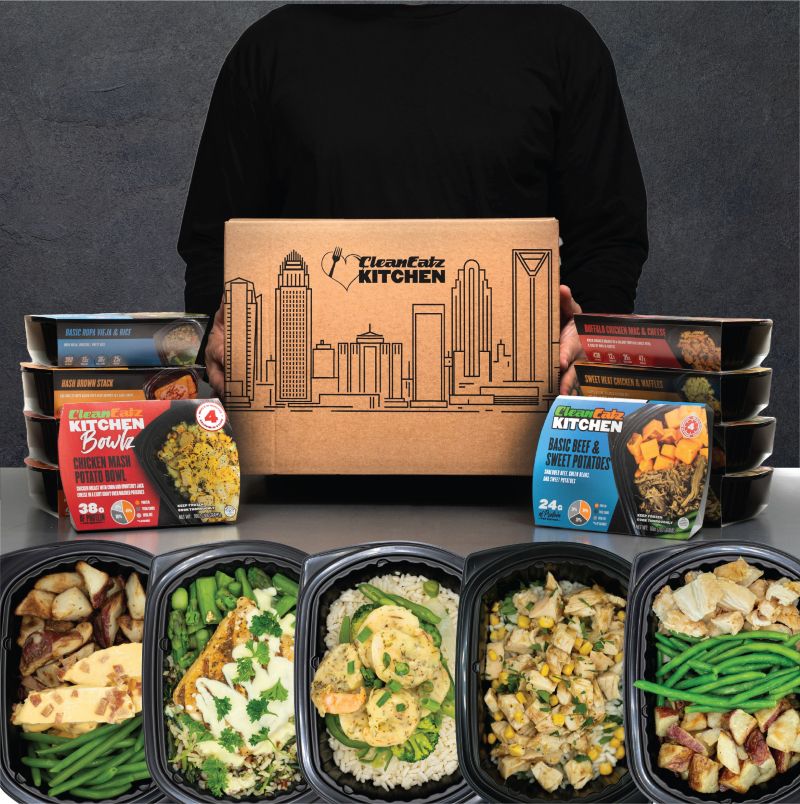
What makes bananas weight loss friendly
Are bananas good for weight loss?
Quick answer
Yes, they can fit. One medium banana has about 105 calories, 3 grams of fiber and plenty of potassium and vitamin B6. Stick to one at a time and pair it with protein, like Greek yogurt or a measured tablespoon of peanut butter.
A medium banana, about 7 to 8 inches, delivers roughly 105 calories, 27 grams of carbohydrates and 3 grams of fiber, according to USDA FoodData Central. It's also about 75% water by weight, so you get a fair amount of volume for relatively few calories. You also get about 420mg of potassium and about 0.4mg of vitamin B6, roughly a quarter of the Daily Value for B6.
The fiber is what sets a banana apart from sugary snacks. Three grams is about a tenth of the 28 gram Daily Value, and fiber slows digestion and helps you feel full. In an analysis of the POUNDS Lost trial, 345 adults ate calorie-restricted diets for 6 months, and an average 3.7 gram daily increase in fiber was associated with 1.4 kg more weight loss. Fiber was the strongest predictor in the model. It's an association, though, inside a trial that wasn't testing fiber, and those people also stuck to their diets better. Treat it as a good reason to eat more fiber, not as a promise from one banana.
Then there's resistant starch, found mainly in greener bananas. It acts like fiber: your body doesn't fully digest it, so it doesn't raise blood sugar the way regular starch does. In one crossover study, native banana starch reduced after-meal glucose and insulin responses in both lean people and people with obesity. That study used a drink with 38.3 grams of isolated banana starch twice a day for 4 days, which is much more than a banana provides, so the direction is useful and the size doesn't transfer.
For a deeper look at how fiber supports weight management, see our Ultimate Guide to Dietary Fiber.
Bananas vs. other weight loss foods
How do bananas compare with other snacks?
Quick answer
They beat most processed snacks on fullness per calorie, because they bring water and fiber. Among fruits they're on the denser side: 89 calories per 100 grams, against 60 for mango and 32 for strawberries.
Compared with processed snacks, bananas are a clear winner. A 100-calorie cookie or small candy bar may match a banana on calories, but it brings little bulk, fiber or water. It's gone in two bites and you're looking for the next thing. A banana is slower, and it actually takes up room.
Compared with other fruits, the picture is less flattering. Gram for gram, USDA figures put a banana at nearly three times the calories of strawberries, and it has about half again as many calories as mango. If you want the most volume per calorie, berries win.
| Food | Calories per 100g | What it means |
|---|---|---|
| Strawberries | 32 | Most volume per calorie |
| Mango | 60 | Lighter than banana by weight |
| Banana | 89 | Denser, in a set portion |
| Banana chips | 519 | Nearly 6 times the fresh fruit |
Calories per 100 grams, from USDA FoodData Central.
The real advantage of a banana is convenience. It comes in its own packaging and needs no prep. Its one flaw as a travel snack is that it bruises if you toss it in a bag, so put it on top.
Bananas are just one of many foods that can support your goals. For a full breakdown, including how they stack up against other fruits, proteins and whole grains, see our complete guide to the best foods for weight loss.
Green vs. yellow vs. spotted bananas
Does ripeness change how a banana affects you?
Quick answer
Yes, somewhat. Green-tipped bananas score about 41 on the glycemic index and all-yellow ones about 51, both low. Greener fruit holds more resistant starch. Choose by taste unless you notice blood sugar swings, then lean greener.
Greener bananas contain far more of the starch your body can't fully digest. A 2021 analysis of retail bananas used a newer fiber test that counts resistant starch and found about 18 grams of fiber per 100 grams of unripe fruit, 4 to 5 grams in ripe fruit and about 2 grams in overripe fruit. That's a big shift for a piece of fruit that looks about the same on the outside.
As bananas ripen, that starch converts to simple sugars. A banana with brown spots tastes sweeter because it does contain more accessible sugar.
The University of Sydney's glycemic index database lists a slightly under-ripe banana with green tips at 41 and an all-yellow one at 51. Both count as low glycemic, which means 55 or under. Spotted fruit lands around 48 to 57, and results vary with the variety and the study. A small 1992 study of 10 adults with type 2 diabetes saw a wider gap, 43 for under-ripe and 74 for over-ripe, though both caused a smaller glucose response than the white bread they were tested against.
The practical takeaway: if you struggle with energy dips or want the most staying power, choose bananas still slightly green at the tips. If you prefer a sweeter taste and don't notice blood sugar swings, ripe bananas are fine. Just pair them with protein or fat. If you have diabetes, your own glucose readings tell you more than a table does, and your care team can help you read them.
How to build a weight loss friendly banana snack
How do you build a banana snack that lasts?
Quick answer
Start with one medium banana, add a protein like 3/4 cup of Greek yogurt or 2 eggs, then a measured fat like 1 tablespoon of peanut butter. That makes a snack of about 250 to 350 calories with about 14 to 22 grams of protein.
A banana on its own is a perfectly good snack, but it won't hold you for long. Pairing it with protein and a measured amount of healthy fat turns a quick snack into a balanced mini-meal.
The formula: Start with one medium banana or half of a large one. Add a protein source: 3/4 to 1 cup of Greek yogurt or cottage cheese, 1 to 2 eggs, or a scoop of protein powder if you're making a smoothie. Then add a controlled portion of healthy fat: 1 tablespoon of peanut butter or a small handful of nuts. For extra fiber, toss in 1 to 2 tablespoons of oats or chia seeds.
This works because protein and fat slow how quickly the banana's carbs reach your bloodstream, which softens the rise in blood sugar and the dip afterward. You end up with a snack of about 250 to 350 calories, with about 14 to 22 grams of protein and about 3 to 4 grams of fiber, enough to tide you over until your next meal. The arithmetic: a banana (105), 3/4 cup of plain nonfat Greek yogurt (about 100) and a tablespoon of peanut butter (about 95) come to about 300 calories and 22 grams of protein.
Quick banana snack ideas
About 185 to 350 calories each
- Greek yogurt banana parfait: Layer plain Greek yogurt with sliced banana, a tablespoon of oats and a sprinkle of cinnamon. It tastes like dessert and carries real protein.
- Cottage cheese banana bread bowl: Mix cottage cheese with banana slices, a dash of cinnamon and a drop of vanilla extract. It's reminiscent of banana bread batter, with far more protein.
- Peanut butter banana rice cake: Spread 1 tablespoon of peanut butter on a whole grain rice cake and top with thin slices from half to one banana. Crunchy, creamy and around 185 to 235 calories.
- Protein smoothie: Blend half to one banana with a scoop of protein powder, ice and unsweetened almond milk. Our Shakez Protein Powder has 20 grams of whey per scoop. For extra fiber, add a spoon of flax or chia. See our guide on building weight loss smoothies for more.
- Oatmeal upgrade: Mash half a banana into hot oatmeal as a natural sweetener, and stir in some egg whites while it cooks for added protein. Want it cold and fast? Our High Protein Overnight Oats have 20 grams of protein per pouch. Just add milk and chill.
- Post-workout combo: After exercise, pair a banana with 3/4 cup of Greek yogurt or two hard-boiled eggs. You get quick carbs for energy and protein for muscle recovery.
Common banana pitfalls to avoid
What can make bananas work against you?
Quick answer
It's rarely the banana. It's what surrounds it: oversized smoothies, banana bread, fried banana chips and unmeasured nut butter. Three casual tablespoons of peanut butter add nearly 300 calories to a 105-calorie banana.
Even healthy foods can work against you when they're misused. Here are the most common ways bananas go wrong, and how to fix each one.
- Oversized smoothies: Homemade smoothies add up fast when you throw in two bananas, heaping spoonfuls of peanut butter, honey and everything else in the kitchen. Stick to half to one banana per smoothie, measure the high-calorie add-ins and let the banana handle the sweetness.
- "Healthy" banana bread: Baked goods with banana sound virtuous, but they're often loaded with added sugar, refined flour and fat. USDA puts homemade banana bread at 326 calories per 100 grams, so a thick 3-ounce slice runs about 275. Treat it as an occasional dessert, not a daily snack. If you bake at home, try cutting the sugar in half, since the banana already provides sweetness.
- Dried banana chips: Most packaged chips are fried in oil and often sweetened, which is why USDA lists them at 519 calories per 100 grams, or about 147 calories an ounce. It's easy to mindlessly work through half a bag. Stick to the fresh fruit.
- Nut butter overload: Banana with peanut or almond butter is a great snack if you measure the nut butter. At about 95 calories per tablespoon, it's easy to slather on 2 to 3 tablespoons, adding about 190 to 285 calories without noticing. Use a measuring spoon or a food scale to keep portions in check.
Fitting bananas into a weight loss plan
What should you do with all of this?
Quick answer
Eat one banana at a time, add protein and a measured fat and pick your ripeness if blood sugar stability matters to you. If the hard part is everything around the snack, that's a workload problem, not a banana problem.
Bananas are versatile, affordable and convenient, and they can fit into a weight loss plan. The key is portion control, one at a time, smart pairing with protein and measured fats, and choosing your ripeness on purpose if blood sugar stability matters to you.
Use them to replace a higher-calorie snack, not on top of everything else. Swap, don't stack.
If a banana is the easy part of your day and the meals are the hard part, our High Protein Meal Plan or Build A Meal Plan covers lunch and dinner with chef-cooked, portion-controlled meals that heat in a few minutes. A banana on the side adds about 105 calories and 27 grams of carbs to a tray built around protein.
 Make it easy withHigh Protein Meal PlanFrom $63.00View plan
Keep reading: 10 healthy breakfast ideas for weight loss, are smoothies good for weight loss? and is peanut butter good for weight loss?
This content is for educational purposes only and doesn't replace personalized professional advice.
Bananas for weight loss FAQ
Questions about bananas, answered
Are bananas good for weight loss or fattening?
Bananas can support weight loss when eaten in moderation. One medium banana has about 105 calories and 3 grams of fiber, which helps you feel full. No single food is fattening on its own. The key is using them to replace higher-calorie snacks rather than adding them on top of your regular diet.
Do bananas have too much sugar for weight loss?
No. One medium banana has about 14 grams of natural sugar, and it comes packaged with fiber, water and nutrients, unlike the added sugar in desserts. Sugar still counts toward your calories, so the portion matters. Pairing a banana with protein or healthy fat softens your blood sugar response further.
Are green bananas better for weight loss?
Slightly, if at all. Green bananas contain more resistant starch, which digests slowly and may keep you full longer. Green-tipped bananas score about 41 on the glycemic index and all-yellow ones about 51. Both are low, so either works. If staying full is your priority, slightly underripe bananas have an edge, but we couldn't find a trial showing they cause more weight loss.
How many bananas can I eat per day while trying to lose weight?
One banana a day fits most weight loss plans. At about 105 calories each, they slot easily into a calorie deficit. Some people eat 2 or 3 a day without issue, especially if they're active. Just count the calories and make sure bananas aren't crowding out other nutritious foods in your diet.
What's the best way to eat bananas for weight loss?
Pair them with protein and a measured amount of healthy fat. Greek yogurt, a banana and a tablespoon of nut butter is a classic combination of about 300 calories that keeps you satisfied. A banana alone is fine as a snack, but without protein or fat you'll likely feel hungry again sooner.
More nutrition & weight loss guides
Keep reading
 Weight loss
Are Smoothies Good for Weight Loss? What Actually Works
 Crystal Zabka-Belsky MS, RDN, CSSD, LMNT, LDN · Nov 2, 2022
 Weight loss
Is Peanut Butter Good for Weight Loss? Portions, Labels & Smart Uses
 Sherrill Johnson, RD, LDN · Dec 11, 2022
 Weight loss
Best Foods for Weight Loss: 100-Food Complete Guide
 Romaine Rusnak, RD, LDN · Oct 16, 2025
Sources
On this page