

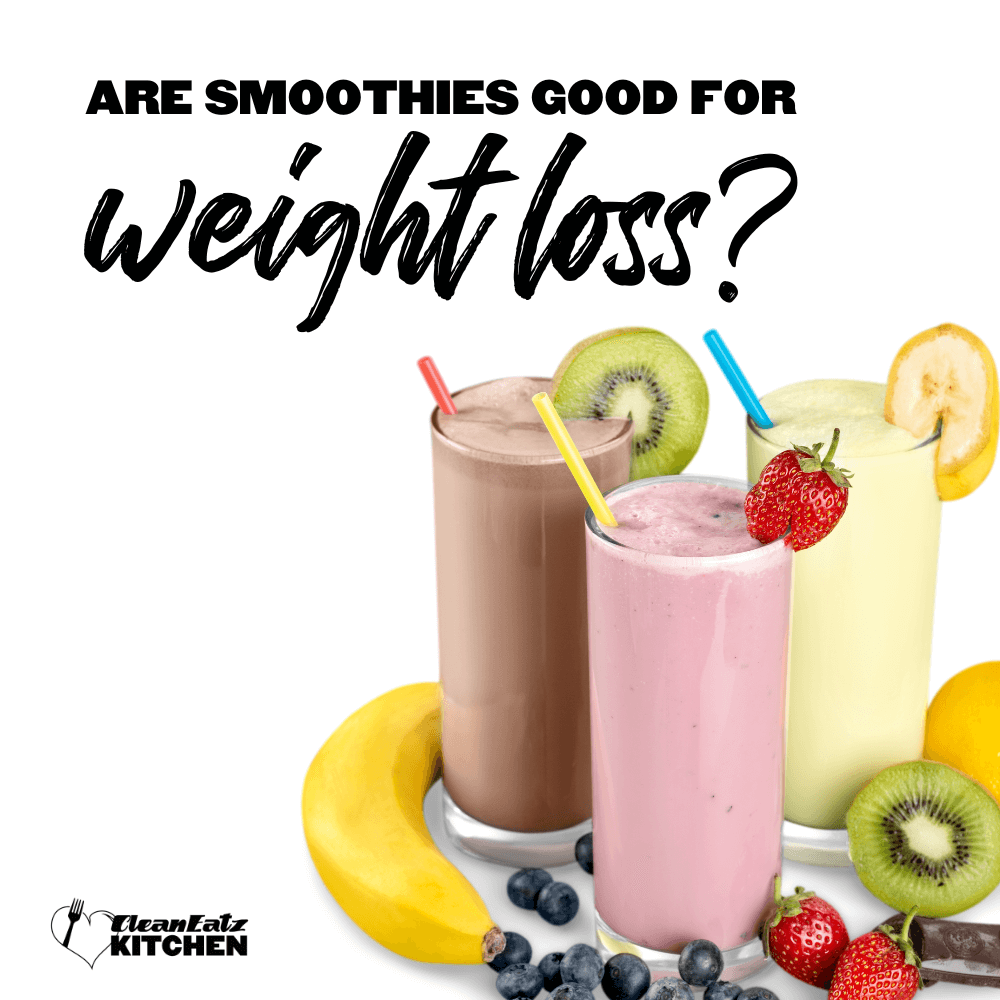
Blending wins for weight loss. A smoothie keeps the whole fruit and vegetable, fiber included, and has room for protein, so it fills you up more. Juice strips most of the fiber: three medium apples have 284 calories and 13g of fiber, while the same calories of apple juice carry about 1g. If you love juice, keep it to 8 to 12 ounces, mostly vegetables, with a protein-rich meal.
Juicing and blending are often talked about as two ways of doing the same thing: getting more fruit and vegetables into your day. They differ in how the food is processed, and that difference shows up in how full you feel, how your blood sugar responds, and how many calories go down before your brain notices.
Below we compare the two on the things that matter for weight loss, show where each one fits, and give you a simple formula for a drink that supports fullness instead of quietly undoing your day.
Juicing vs blending verdict
Blending wins, whole fruit wins bigger
The key difference between juicing and blending is what happens to the fiber. When you juice, a machine extracts the liquid from fruits and vegetables and discards most of the pulp, the part that holds the fiber. Blending keeps the whole food. All of the fiber, volume and texture stay in the glass.
That isn't a technical detail. It changes how your body responds, and it's why blending is the better tool when weight loss is the goal.
Fiber plays a real role in appetite. It slows digestion, helps steady blood sugar and adds to the feeling of fullness after you eat. Take it out, as most juicers do, and those signals get weaker. It's easy to drink a few hundred calories of juice quickly and feel hungry again soon after. Our Ultimate Guide to Dietary Fiber explains why this nutrient matters so much for weight management.
Here's the arithmetic. Three medium apples, per USDA FoodData Central, come to 284 calories and about 13g of fiber. The same 284 calories of apple juice is about 20 ounces, with about 1g of fiber. You can drink that in under a minute. Eating three apples in one sitting is a project.
One more thing belongs in the verdict: whole fruit beats both. Chewing takes time, adds its own fullness signals and naturally limits how much you eat. A blender is the convenient second choice, not the first.
Juicing & blending at a glance
One glass, side by side
This table settles juicing vs blending on the rows people ask about most. A check mark shows which method wins the row, and rows without one depend on what you put in the glass.
Calorie ranges are typical, not fixed. A green juice with one small apple and a fruit-heavy juice bar bottle are very different drinks.
| Juicing | Blending | |
|---|---|---|
| How it works | Extracts the liquid, discards most of the pulp & fiber | Purees the whole food, fiber stays in |
| Fiber | Little left: about 1g in 20 ounces of apple juice | All of it: about 3g in a cup of berries ✓ |
| Fullness | Lower. Less fiber, less volume | Higher. More fiber, thicker texture ✓ |
| Typical calories | 8 to 12 oz: 60 to 220, by ingredients | 12 to 16 oz: 300 to 450 when built with protein |
| Protein | Hard to add without ruining the drink | Easy: Greek yogurt, milk or protein powder ✓ |
| How fast it goes down | A minute or two | Sipped over 10 to 15 minutes ✓ |
| Texture | Thin, easier on a sensitive gut ✓ | Thick, which some people dislike |
| Vegetable variety | Several vegetables in a small glass ✓ | Limited by texture & taste |
| Best use | Veggie variety, small amounts when you want it | A snack, or a meal when built with protein |
We compared published data, not taste tests. Fiber and calorie numbers come from USDA FoodData Central, the fullness evidence from controlled feeding studies, and the safety notes from the FDA and the National Institutes of Health. We judged the two on four things:
- Fiber and how full each drink keeps you
- Calories per glass, and how easy they are to overshoot
- Room for protein, the most filling macronutrient
- Comfort, taste and safety for the people who prefer juice
Juicing vs blending side by side
Row by row
When weight loss is the goal, feeling satisfied on fewer calories makes a real difference. Compared with juicing, blending helps in three ways: it keeps the fiber, it makes room for protein, and it slows down how fast the calories arrive.
Blending takes three categories, whole fruit takes one, and juicing takes one. Here is each call with the reason behind it.
Fiber & fullness
Winner: BlendingA smoothie made with berries, spinach and protein still holds the fiber of those whole foods. Fiber slows digestion, helps stabilize blood sugar and adds to longer-lasting fullness, which can mean less hunger between meals and fewer cravings.
The best evidence on fruit form comes from a Penn State study of 58 adults. Once a week for five weeks they ate 125 calories of apple before lunch: whole apple, applesauce, apple juice, or juice with fiber added back. Whole apple cut total lunch intake by 15%, about 187 calories, against no preload. Fullness ranked apple first, applesauce second and both juices last.
Two caveats belong here. It was one meal at a time, in a lab, and applesauce is a stand-in for a smoothie, not the same thing. And adding fiber back to juice didn't help, which suggests the structure of the food matters as well as the fiber count. The direction is still clear: the less you process the fruit, the fuller you feel.
Protein & satiety
Winner: BlendingSmoothies make it easy to add protein, which is more filling than carbohydrate or fat on its own. Greek yogurt, milk or a scoop of protein powder turns a fruit drink into something closer to a balanced snack. That's much harder with juice, because protein ruins the texture and taste most people want from it.
How much does it help? A 2015 review in the American Journal of Clinical Nutrition found higher-protein meals produced a modest rise in fullness and satiety hormones, though not less eating at the next meal. Its authors pointed to about 25 to 30g of protein a meal as the useful range. Most smoothies only reach that with a deliberate protein source.
How fast you drink it
Winner: BlendingThe thickness of a smoothie slows you down. You tend to sip it over 10 to 15 minutes instead of finishing it in seconds, and that extra time gives your body's fullness signals a chance to register what you're drinking before the glass is empty.
Juice has no such brake. A tall glass goes down in a minute or two, and the calories land before your appetite gets the message.
Whole fruit vs either drink
Winner: Whole fruitIt's worth saying plainly: eating whole fruit is generally more effective for fullness and calorie control than either blending or juicing. Chewing takes more time, adds its own fullness signals and naturally limits how much you eat. Whole berries or an apple usually mean fewer calories and more satisfaction than the same foods in liquid form.
Blending is still useful when convenience matters, like a breakfast you drink on the way out the door. For a list of weight-loss-friendly ingredients to blend, see our 100 Best Foods for Weight Loss guide.
Texture, gut comfort & vegetable variety
Winner: JuicingThis doesn't make juice bad. It just takes more intention. Some people dislike the texture of smoothies, some have digestive conditions that make more fiber uncomfortable, and some simply enjoy fresh juice. Juice also packs several vegetables into a small glass in a way a smoothie can't without tasting like a salad. Credit where it is due.
If you're going to juice, these guidelines keep it weight-loss compatible. Keep the portion to 8 to 12 ounces, closer to a small glass than a large bottle. Aim for 2 to 3 parts vegetables to 1 part fruit: cucumber, celery and lemon with one small apple for sweetness. Drink it with a protein-rich meal rather than on its own. Treat fresh juice as perishable: refrigerate it promptly and drink it within 24 to 48 hours.
Who should choose juicing or blending
Pick by your goal
Key takeaways
- Blending keeps the fiber. Juicing removes most of it, so juice fills you up less per calorie
- Three medium apples carry about 13g of fiber. The same calories of apple juice carry about 1g
- Smoothies have room for 15 to 35g of protein. Juice really doesn't
- Whole fruit beats both drinks for fullness
- Juice fits in small amounts: 8 to 12 ounces, mostly vegetables, with a meal
If weight loss is the goal, blend more often than you juice, and eat whole fruit more often than you blend. Use juice as an occasional vegetable top-up, not a meal, and never as a cleanse.
There's no wrong answer here, only a better fit for your goal, your stomach and your morning. Go with the list that matches more of your week.
Choose juicing if
- You want a small glass of mixed vegetables you won't eat whole
- Thick smoothies bother your stomach, or fiber is uncomfortable right now
- You'll drink 8 to 12 ounces alongside a protein-rich meal
Choose blending if
- You want a drink that keeps you full until your next meal
- You need a fast breakfast with 15 to 35g of protein
- You're tracking calories and want the fiber working for you
How to build a weight-loss smoothie
A five-part formula
Making smoothies can be a creative process. If you prefer more structure, here's a simple formula to follow:
- Protein: 15 to 35g, from protein powder or Greek yogurt
- Fruit: 1 cup, like berries or a banana
- Vegetables: a handful of spinach, kale or celery
- Liquid: 8 to 12 ounces of water or unsweetened, low-fat milk (milk adds 8 to 12g of protein)
- Healthy fats (optional): measured, 1 tablespoon of nut butter or 1 teaspoon of seeds
Most smoothies built this way land between 250 and 450 calories, depending on the protein you choose and whether you add fat. That's enough protein and fiber to support fullness without quietly turning into a high-calorie dessert.
The biggest calorie traps come from unmeasured sweeteners, too much fruit, and generous scoops of nut butter or honey. Keep every ingredient intentional and a smoothie stays a useful tool rather than a setback.
Quick juice & smoothie recipes
Three to start with
- Veggie-forward juice (8 to 12 oz): cucumber, celery, lemon, a small apple and fresh ginger. It stays under 100 calories and tastes good. The apple takes the edge off the vegetables without turning it into a sugar drink.
- Berry protein smoothie (12 to 16 oz): one scoop of whey protein powder, 1 cup of mixed berries, a big handful of spinach and 1 cup of unsweetened almond milk. About 225 calories, 28g of protein and 4.5g of fiber, enough to carry a busy morning.
- Tropical green smoothie (12 to 16 oz): 8 ounces of plain nonfat Greek yogurt, half a cup each of pineapple and mango, a handful of spinach and water to blend. About 240 calories, 25g of protein and 3g of fiber. It tastes like a vacation.
Nutrition for both smoothies is estimated from USDA FoodData Central, using a 32g scoop of whey-based protein powder, half blueberries and half strawberries, 1 cup of spinach and USDA's nonfat Greek yogurt. Your powder's label is the final word. Ours, Shakez Protein Powder, has 20g of whey protein and 1g of sugar a scoop.
For an even easier option, our Overnight Oats skip the blender altogether. Each High Protein Overnight Oats pouch has 20g of protein: add milk, chill it, and breakfast is waiting in the fridge.
Common mistakes that sabotage results
Where smoothies go wrong
The biggest smoothie mistake is free-pouring high-calorie ingredients. Nut butters, oils, honey and granola add up fast, often without you noticing. A smoothie that seems healthy can reach 700 calories when the peanut butter isn't measured, the honey is drizzled freely and the granola goes in by the handful.
Large servings are the second trap. Oversized smoothie cups make it easy to drink far more than you meant to, so measure your portions and pay attention to how much you're actually drinking.
Finally, smoothies shouldn't replace whole fruits and vegetables. Chewing adds fullness signals that drinking doesn't, which helps regulate appetite and calorie intake. Use smoothies strategically and keep whole produce in your day. Our Best Fruits for Weight Loss guide covers the whole-food options that work best.
Juicing vs blending bottom line
Keep the fiber in the glass
For weight loss, blending beats juicing because it keeps the fiber and makes room for protein, and whole fruit beats both. Juice still has a place: a small glass, mostly vegetables, with a meal. What it can't do is stand in for one.
If tracking smoothie ingredients feels like too much work, our Weight Loss Meal Plan delivers calorie-controlled, macro-balanced meals with every number printed on the label. Add a simple fruit smoothie as a snack without wondering whether your main meals are balanced.
Juicing vs blending FAQ
Your questions
Short answers to the questions we hear most, from whether blending destroys nutrients to how to keep the sugar in a smoothie down.
Is juicing or blending better for weight loss?
Blending is usually better because it keeps all the fiber, which helps you stay full longer, and it leaves room for protein. Juicing removes the pulp and most of the fiber, so it's easier to drink extra calories without feeling satisfied. If you enjoy juice, keep it to 8 to 12 ounces and favor vegetables over fruit.
Does blending destroy nutrients?
No. Blending keeps the whole food, so the fiber, vitamins and minerals stay in the glass, and most nutrients hold up well when you drink the smoothie soon after making it. Some oxidation happens while it sits, so a smoothie is best fresh rather than stored for hours in the fridge.
Do I need a juice cleanse to detox?
No. Your liver and kidneys already handle that. The National Institutes of Health notes that reviews found no compelling evidence for detox diets, and that juice diets can cause early weight loss from low calories that tends to come back once normal eating resumes. Balanced meals, water, sleep and activity do more.
Can a smoothie replace a meal?
Yes, when it's built for it. A meal-replacement smoothie needs 15 to 35g of protein, fruit or vegetables for fiber, and a measured healthy fat, which usually lands it between 250 and 450 calories. Without protein, a smoothie is just a snack that won't keep you full for long.
How do I keep smoothie sugar low?
Use more vegetables than fruit, choose lower-sugar fruits like berries over bananas and mango, measure your portions, and skip honey and syrups. Add protein to balance your blood sugar response, and pick a protein powder low in sugar. Shakez Protein Powder, for example, has 1g of sugar a scoop.
Is fresh-pressed juice safe to drink?
For most healthy adults, yes, if it's kept cold and drunk within a day or two. Unpasteurized juice can carry harmful bacteria, so the FDA advises children, older adults, pregnant women and people with weakened immune systems to choose pasteurized or otherwise treated juice.
More smoothie & fiber guides
Keep reading
 Weight loss
Are Smoothies Good for Weight Loss? What Actually Works
 Crystal Zabka-Belsky MS, RDN, CSSD, LMNT, LDN · Nov 2, 2022
 Weight loss
Fiber & Weight Loss: How It Actually Works
 Romaine Rusnak, RD, LDN · Apr 27, 2026
 Weight loss
Quick Peanut Butter Banana Protein Shake for Weight Loss
 SaVanna Shoemaker, MS, RDN, LD · Jul 27, 2026
Sources
- Flood-Obbagy JE, Rolls BJ. The effect of fruit in different forms on energy intake and satiety at a meal. Appetite 2009 (PubMed)
- Leidy HJ et al. The role of protein in weight loss and maintenance. Am J Clin Nutr 2015 (PubMed)
- Apples, raw, with skin (SR Legacy 171688), USDA FoodData Central
- Apple juice, canned or bottled, unsweetened (SR Legacy 173933), USDA FoodData Central
- Yogurt, Greek, plain, nonfat (Foundation 330137), USDA FoodData Central
- NCCIH: Detoxes and Cleanses: What You Need To Know
- U.S. FDA: What You Need to Know About Juice Safety