Low glycemic foods that keep your energy steady

15 low-glycemic foods that keep your energy steady

Lentils, beans, oats, barley and most fruit score 55 or under on the glycemic index. Here are 15 of them, with the published GI for each, the fiber that slows them down and an easy way to eat them.

  • Free Shipping on Every Meal PlanFree Shipping
  • Up to 20% Off 30-Meal PlansUp to 20% Off
  • Chef Cooked, Dietitian BuiltDietitian Built
  • Heat & Eat in MinutesHeat & Eat
SaVanna Shoemaker, MS, RDN, LD
SaVanna Shoemaker, MS, RDN, LDRegistered Dietitian Nutritionist · Sep 22, 2026
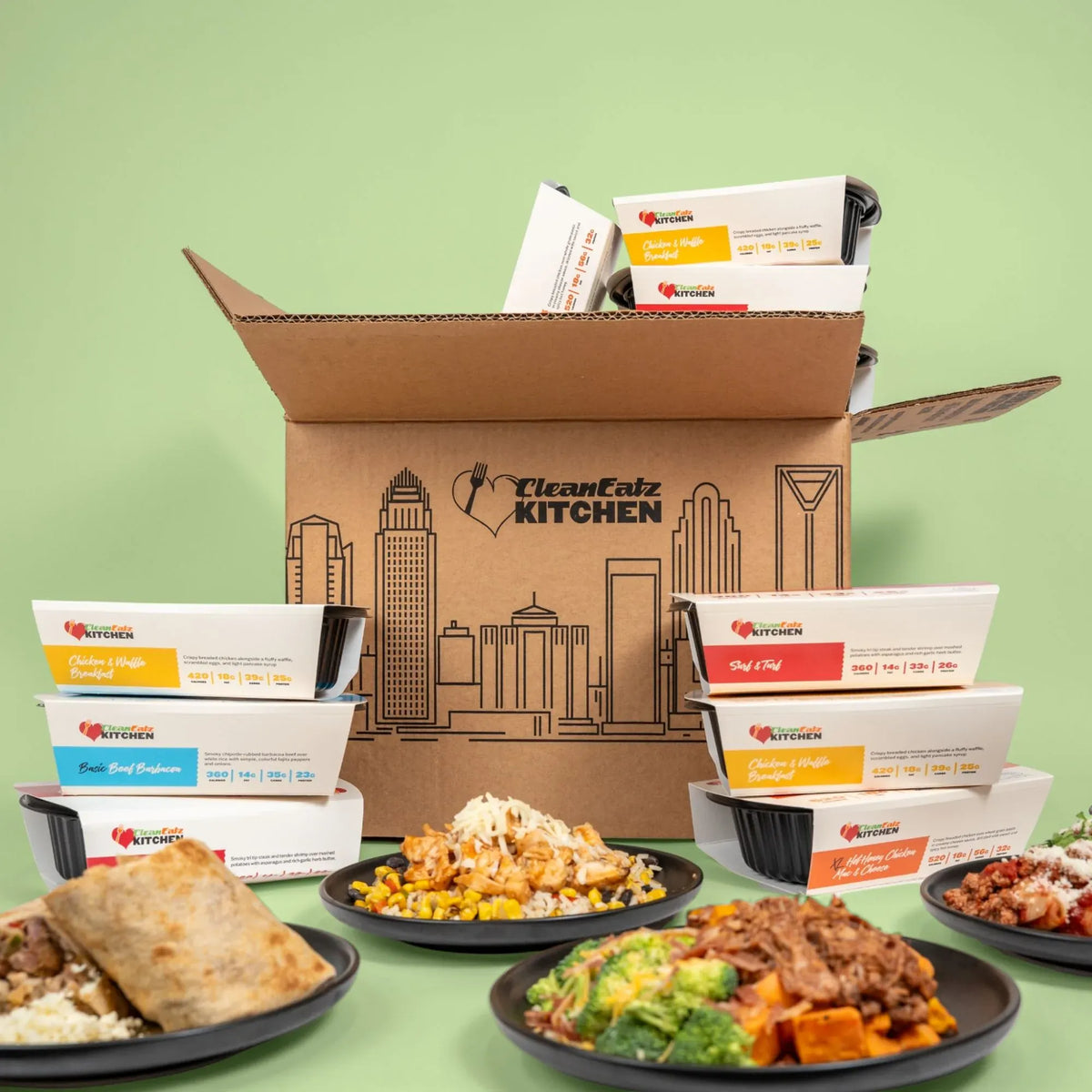
Clean Eatz Kitchen GLP-1 Meal Plan box with portioned meals
Quick answer

Low glycemic foods are carbohydrate foods that score 55 or under on the glycemic index, so they raise blood sugar more slowly than white bread or white rice. Chickpeas (28), barley (28), lentils (32), apples (36) and oranges (43) all qualify on the Harvard Health list. Fiber, protein and fat are what slow them down, which is why they keep you full and your energy steadier between meals.

The glycemic index is a lab number. Researchers feed people a portion of one food holding 50 grams of digestible carbohydrate, track blood sugar for two hours, and compare the curve with pure glucose at 100. A score of 55 or under is low, 56 to 69 medium, and 70 or more high.

The number moves with preparation. Instant oats score 79 and steel-cut oats about 52. An underripe pear tested at 24 and a ripe one at 33. So treat every value below as a range, not a law, and read the serving size next to it. A big bowl of a low GI food can do more to your blood sugar than a small portion of a medium one.

Each value comes from the Harvard Health list, the University of Sydney's GI database or the 2008 international tables, and the calories, carbs and fiber from USDA FoodData Central. One note first: if you have diabetes or prediabetes, talk with your doctor or a registered dietitian before you change how you manage it. Your care team knows your numbers.

1

Lentils

Most fiber
GI 32 · 16g fiber per cooked cup · 230 calories

Lentils are the easiest place to start with foods with low glycemic index. The Harvard list puts them at 32, and the University of Sydney database shows Canadian lentil varieties testing as low as 10 to 23, with canned brown lentils at 42. The spread is preparation: canned and long-simmered lentils are softer, so their starch digests faster.

A cooked cup has 16 grams of fiber and 18 grams of protein for 230 calories, which is why lentils show up in our guide to High-protein, high-fiber meals for GLP-1 appetites. How to eat them: simmer brown or green lentils 20 to 25 minutes and spoon them under roast chicken.

2

Chickpeas

Pantry staple
GI 28 · 12g fiber per cooked cup · 269 calories

Chickpeas score 28 on the Harvard list, just above kidney beans at 24 and soybeans at 16. Canned chickpeas tested at 35 to 38 in Sydney, still comfortably low. A cooked cup has 12 grams of fiber and 15 grams of protein, and at 269 calories it is the densest food here, so measure the cup if you track.

How to eat them: rinse a can, pat dry and roast at 400°F with olive oil and cumin until crisp, about 25 minutes. Hummus tested at 15 to 22.

3

Black beans

Trial tested
15g fiber per cooked cup · 15g protein · 227 calories

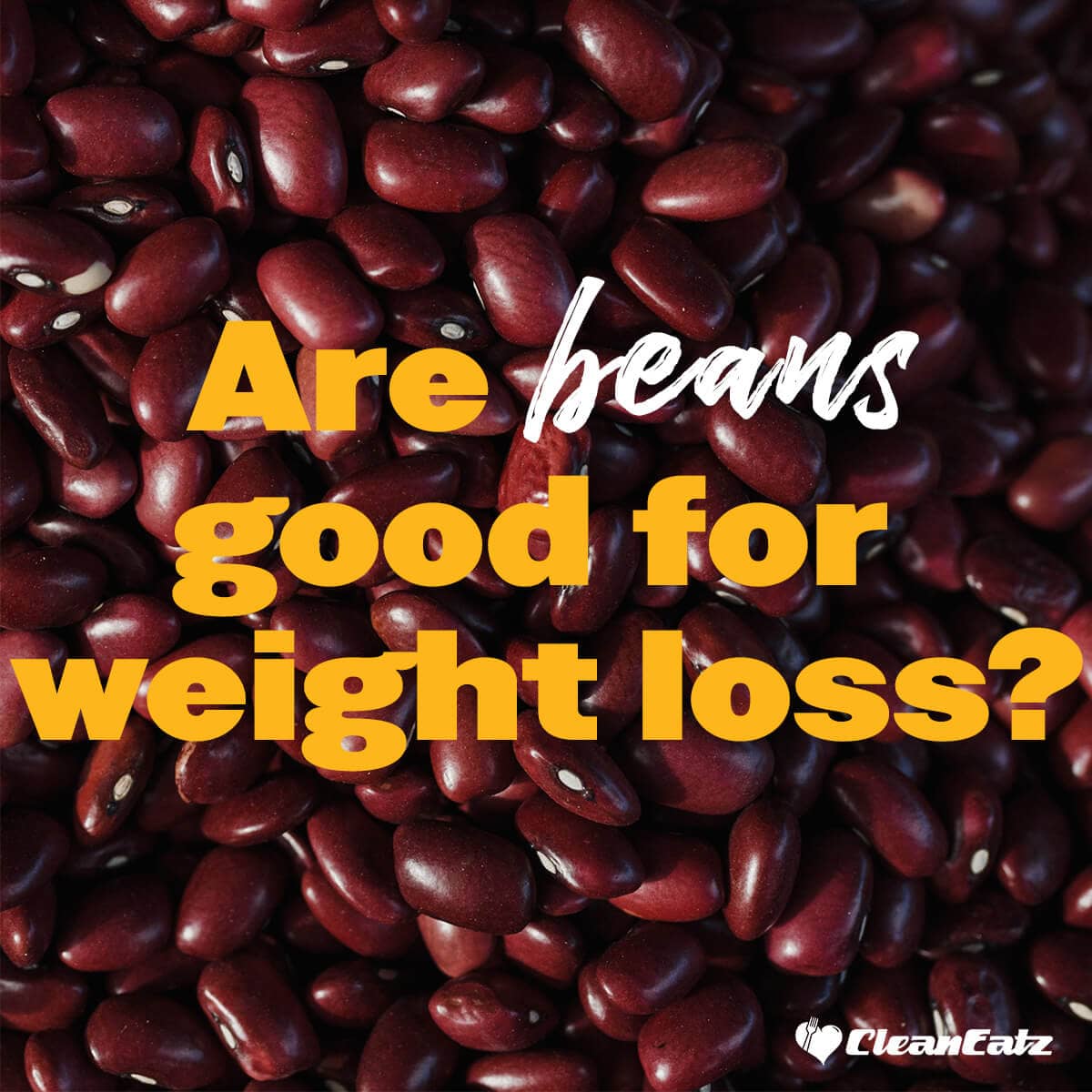
Black beans are missing from the Harvard list, so we won't invent a number. Their closest relatives there are kidney beans at 24 and soybeans at 16. The best direct evidence is a 2017 trial in Nutrients that fed 12 women white rice alone or the same carbohydrate as rice with black beans. The bean plate gave a lower blood sugar rise at 60, 90 and 120 minutes.

A cooked cup brings 15 grams of fiber and 15 grams of protein for 227 calories. How to eat them: warm them with cumin and lime and split the rice on your plate with a half cup of beans.

4

Steel-cut oats

Watch the cut
GI 48 to 57 · 4g fiber per 1/4 cup dry · 152 calories

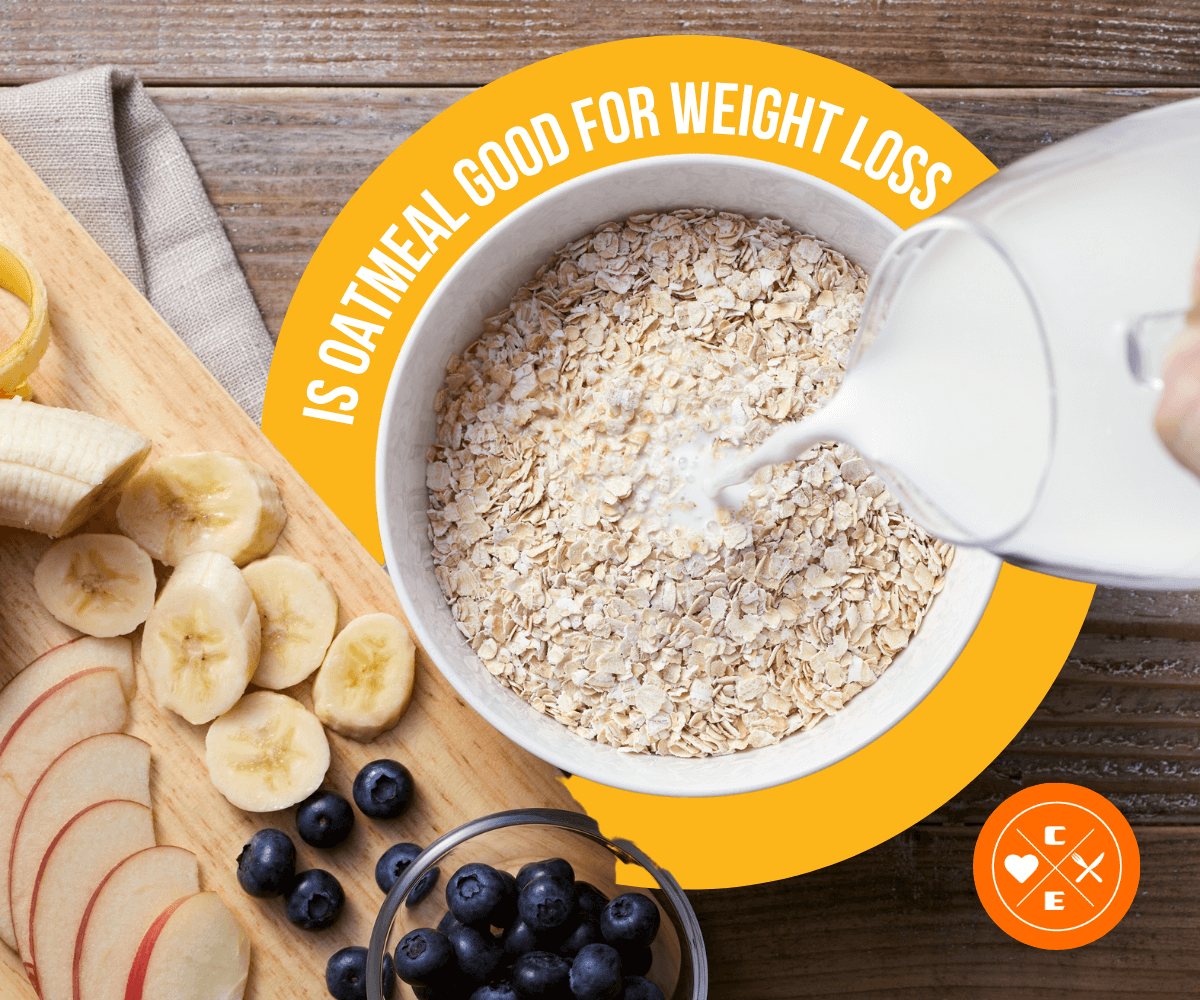
The oatmeal glycemic index depends on how far the oat was cut. Steel-cut oat porridge tested between 48 and 57 in the Sydney database, with the US test at 52. Rolled oat porridge scores 55 on the Harvard list, and instant oat porridge 79. Same grain, three different mornings.

The reason is particle size. A chopped whole oat takes longer to break down than a flake that was steamed, rolled thin and precooked. A quarter cup dry, about 152 calories, cooks into a full bowl with 4 grams of fiber. How to eat them: simmer 1/4 cup in 1 cup of water for 20 to 25 minutes and stir in Greek yogurt or peanut butter.

5

Barley

Lowest GI grain
GI 28 · 6g fiber per cooked cup · 193 calories

Barley is the lowest GI grain on the Harvard list at 28, far under brown rice at 68. Sydney's tests on boiled whole grain and pearled barley run 21 to 41 by variety. Much of the credit goes to beta-glucan, the gel-forming soluble fiber oats share, which we cover in Fiber for a low glycemic diet terms in our fiber guide.

A cooked cup of pearled barley has 6 grams of fiber and 44 grams of carbs for 193 calories. How to eat it: swap it for rice or simmer it in chicken soup. It takes 35 to 45 minutes, so cook a batch and freeze it in cups.

6

Quinoa

Borderline low
GI 50 to 54 · 5g fiber per cooked cup · 222 calories

The quinoa glycemic index sits at the top of the low range. Sydney tested white quinoa at 50, red at 54, and cooked, chilled and reheated quinoa at 53. That is low, but barely, and a cooked cup still carries 39 grams of carbs. Its edge over rice is protein, about 8 grams per cup, with 5 grams of fiber.

How to eat it: rinse, simmer 15 minutes, and build a bowl with a cup of quinoa, a protein and a pile of vegetables.

7

Apples

Eat the skin
GI 36 · 4g fiber per medium apple · 95 calories

The apple glycemic index is 36 on the Harvard list, 39 on Oregon State's table and 44 in a 2020 Sydney test, which shows how much variety and ripeness matter. All three are low. Apples lead most lists of low glycemic index fruits because the sugar comes wrapped in 4 grams of fiber, most of it in the skin.

Apple juice scores 41, but a glass has no fiber and goes down in a minute. How to eat them: slice a medium apple with a tablespoon of peanut butter or an ounce of cheese.

8

Pears

Ripeness matters
GI 24 to 38 · 6g fiber per medium pear · 101 calories

Pears are the clearest lesson in how the glycemic index of fruits shifts as fruit ripens. Sydney tested an underripe Williams pear at 24 and a ripe one at 33, and Oregon State's table lists pears at 38. As starch turns to sugar on the counter the number climbs, and it stays low at every stage.

A medium pear brings 6 grams of fiber, the most of any fruit here, for 101 calories. How to eat them: a firm pear with a handful of almonds.

9

Berries

Lowest carb fruit
GI 40 to 53 · 3 to 4g fiber per cup · 49 to 84 calories

Berries make every list of low glycemic fruits, and the carb count is the bigger reason. Fresh strawberries tested at 40 and wild blueberries at 53 in Sydney. A cup of strawberries has only 12 grams of carbs for 49 calories, and a cup of blueberries 21 grams for 84. Even the higher number does little when the portion carries so little carbohydrate.

How to eat them: keep a bag of frozen berries and drop a cup over Greek yogurt or oats. The fiber is the same as fresh.

10

Oranges

Whole, not juiced
GI 43 · 3g fiber per medium orange · 62 calories

Oranges score 43 on the Harvard list, 42 on Oregon State's table and 45 for navels in Sydney. Orange juice scores 50, and the bigger problem is volume: one glass holds the sugar of two to three oranges with the fiber strained out.

A medium orange has 15 grams of carbs, 3 grams of fiber and 62 calories. How to eat them: peel one and eat it whole.

11

Plain Greek yogurt

Protein pick
GI 17 to 35 · 17g protein per 6 oz · 124 calories

Plain yogurt is one of the lowest GI foods in the dairy case. Sydney lists natural low-fat yogurt at 35 and a no-added-sugar natural yogurt at 17, while fruit yogurt scores 41 on the Harvard list. Greek yogurt is strained, so a 6 ounce low-fat container has only 7 grams of carbs with 17 grams of protein for 124 calories.

The catch is the flavored kind, where added sugar replaces what straining removed. How to eat it: buy plain and add berries and cinnamon.

12

Almonds

Too low to test
6g carbs per ounce · 3.5g fiber · 164 calories

Almonds have no official GI, and the reason is a good one. A GI test needs 50 grams of digestible carbohydrate from a single food, and an ounce of almonds has about 6 grams of carbs with 3.5 of them fiber. You would have to eat well over a pound in one sitting to run the test. The nuts Sydney has tested, cashews at 22 and mixed nuts at 21 to 24, all land low.

An ounce, about 23 almonds, has 6 grams of protein and 164 calories. How to eat them: pair them with fruit. The fat and protein slow the fruit's sugar, and the ounce keeps the calories honest.

13

Peanuts

GI 18
GI 18 · 7g protein per ounce · 161 calories

Peanuts are a legume, and they test like one. Oregon State's glycemic index table, built from the 2008 international tables, lists peanuts at 18. An ounce has 7 grams of protein, 2 grams of fiber and only 5 grams of carbs for 161 calories.

How to eat them: a tablespoon of natural peanut butter on apple slices or stirred into oats. Check the jar for added sugar.

14

Broccoli

Free pass
11g carbs per cooked cup · 5g fiber · 55 calories

Broccoli has no GI for the same reason almonds don't. A cooked cup holds 11 grams of carbs, 5 of them fiber, so you would need about eight cups to reach the test portion. That makes non-starchy vegetables the one food group you can fill half the plate with and not think about blood sugar.

How to eat it: roast florets at 425°F with olive oil, salt and garlic until the edges brown, about 20 minutes, and give them half the plate.

15

Leafy greens

Volume pick
7g carbs per cooked cup of spinach · 4g fiber · 41 calories

Spinach, kale, chard and romaine are the lowest carb foods on this list and the easiest to add. A cooked cup of spinach has 7 grams of carbs with 4 grams of fiber for 41 calories, and a cooked cup of kale about 6 grams of carbs with 5 grams of fiber. There is nothing here to test, and nothing to spike.

Their job is volume beside the foods that do carry carbs. How to eat them: wilt a bag of spinach into eggs or soup, or build lunch on a bed of greens with lentils and a protein on top.

Low glycemic foods at a glance

All 15 in one table

Here are all 15 low glycemic foods together. GI values come from the Harvard Health glycemic index list, the University of Sydney database and Oregon State's table, so a range means different tests, varieties or preparations. Carbs and fiber are USDA values for the serving shown, rounded. If you want a low glycemic index foods list pdf for the fridge, print this table.

Published glycemic index (glucose = 100), carbs and fiber per serving, rounded.
Food Serving GI Carbs Fiber
Lentils 1 cup cooked 32 40g 16g
Chickpeas 1 cup cooked 28 45g 12g
Black beans 1 cup cooked not listed 41g 15g
Steel-cut oats 1/4 cup dry 48 to 57 27g 4g
Barley 1 cup cooked 28 44g 6g
Quinoa 1 cup cooked 50 to 54 39g 5g
Apple 1 medium 36 to 44 25g 4g
Pear 1 medium 24 to 38 27g 6g
Strawberries 1 cup 40 12g 3g
Orange 1 medium 42 to 45 15g 3g
Plain Greek yogurt 6 oz low-fat 17 to 35 7g 0g
Almonds 1 oz not tested 6g 3.5g
Peanuts 1 oz 18 5g 2g
Broccoli 1 cup cooked not tested 11g 5g
Spinach 1 cup cooked not tested 7g 4g

Published glycemic index (glucose = 100), carbs and fiber per serving, rounded.

  • Fiber, protein and fat slow a meal. MedlinePlus notes that foods higher in fat or fiber tend to have a lower GI, which is why nuts on fruit and yogurt on oats work.
  • Less cooking and less processing keep the number down. Al dente pasta scores lower than soft pasta, and whole fruit lower than juice.
  • Portion still counts. A bowlful of a low GI food can raise blood sugar more than a small serving of a medium one, so read the serving column.
  • Mix, don't replace. Half a cup of black beans beside white rice lowered the rise in the trial above.

Low glycemic foods FAQ

Common questions

A low glycemic diet is simply a pattern that leans on foods like the 15 above, so a low glycemic index shows up on most of your plate. Here are the questions we hear most. If you take a GLP-1 medication and smaller appetite is the issue, our GLP-1 Meal Plan is portioned for that, from $94.95 for 10 meals.

What is a low glycemic index food?

A low glycemic index food scores 55 or under on the glycemic index, a 0 to 100 scale where pure glucose is 100. Researchers measure it by feeding people 50 grams of digestible carbohydrate from that food and tracking blood sugar for two hours. Most legumes, barley, steel-cut oats, plain yogurt, nuts and whole fruit qualify. Foods with very few carbs, like broccoli and leafy greens, are too low to test.

Which low glycemic fruits are best?

Pears, apples, oranges and berries. Published values run from 24 for an underripe pear to 53 for wild blueberries, all in the low range, and every one of them brings 3 to 6 grams of fiber. Berries carry the fewest carbs per cup. Juice is the exception: it tests near the fruit but has no fiber and is easy to overdrink.

Is a low glycemic diet good for weight loss?

It can help, mainly because the foods on this list are high in fiber and water, so they fill you up for fewer calories. The research on GI by itself and weight loss is mixed, and calories still matter, as MedlinePlus points out. Use the list to build filling meals, keep portions honest, and talk with your doctor or a registered dietitian if you have diabetes or take medication that affects blood sugar.

Does cooking change a food's glycemic index?

Yes. Cooking softens starch so it digests faster, which is why instant oats score 79 and steel-cut oats about 52, and why canned lentils test higher than home-simmered ones. Ripeness does the same for fruit. Cook pasta and grains until just tender, pick firmer fruit, and add protein or fat to the plate to slow the whole meal.

Tap a meal count to add

30 meals work out to $7.56 a meal

View plan details

Tap a meal count to add

30 meals work out to $9.16 a meal

View plan details