
Meal plan generator guide
Meal plan generator: Eat right every day
How meal plan generators turn calorie and protein targets into a week of meals. The same steps by hand: targets, per-meal protein, food lists, swaps that really match and three sample days.
- Free Shipping on Every Meal PlanFree Shipping
- Up to 20% Off 30-Meal PlansUp to 20% Off
- Chef Cooked, Dietitian BuiltDietitian Built
- Heat & Eat in MinutesHeat & Eat

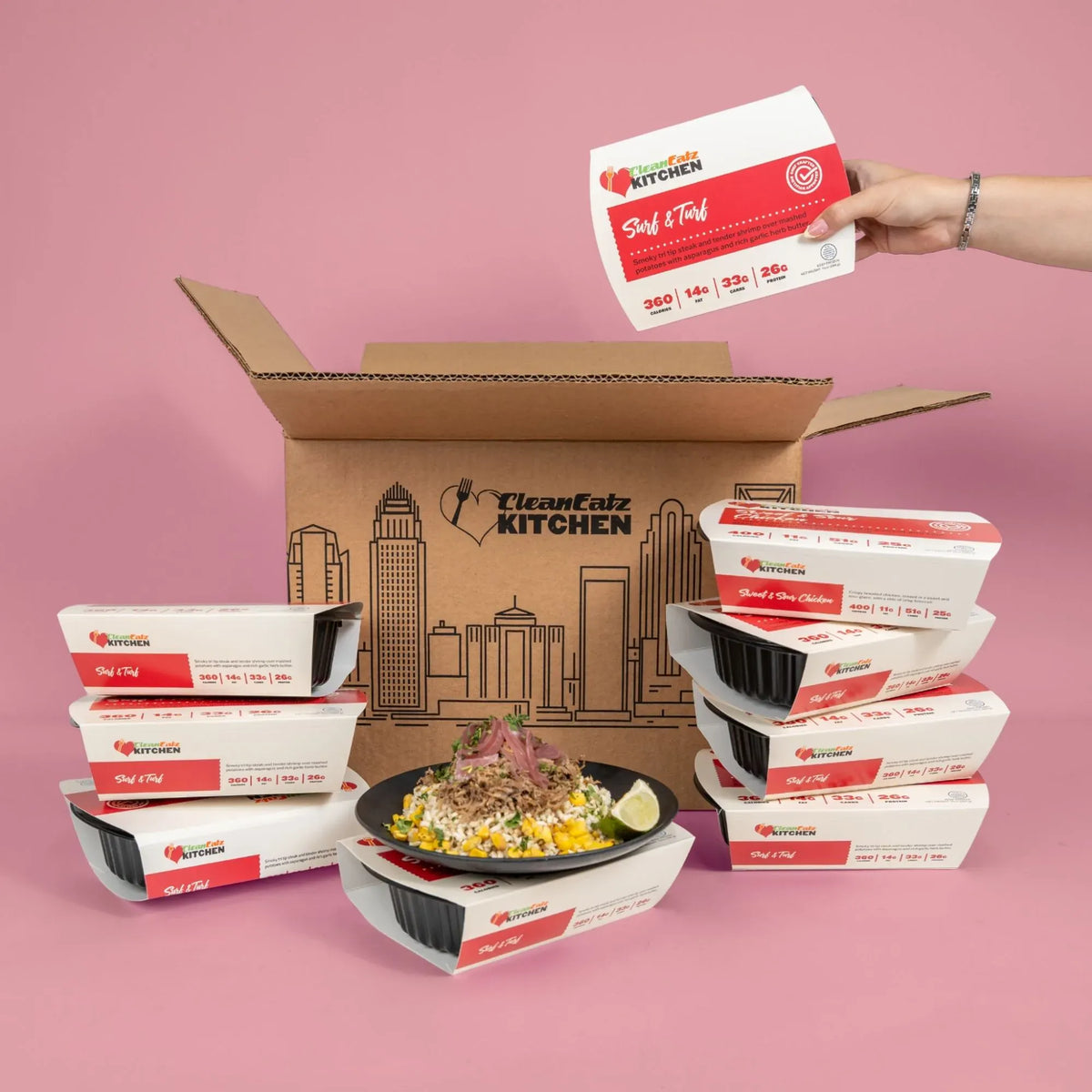
A meal plan generator turns a calorie target and a protein target into meals. You can do the same thing by hand: set your calories, set your protein, pick 3 to 5 eating occasions, split the protein evenly across them, then fill each meal from a short food list. The steps below walk through each one, with the numbers checked.
Tracking calories and macronutrients can support almost any goal, whether that's weight loss, muscle gain or holding steady. Doing the math by hand every day is what makes it feel like a chore, and that's the problem a meal plan generator is built to solve.
Some generators are apps, some are spreadsheets, and some are a notebook and a calculator. They all follow the same few steps. Once you know those steps, you can use any tool you like, or none, and still end up with a week of meals that fits your numbers.
How meal plan generators work
The math behind the menu
Each macronutrient does a different job. Protein supports muscle repair and keeps you full, carbohydrates fuel daily activity and training, and fat is essential for hormone production and cell health. Watching all three helps make sure the calories you eat are doing what you need them to.
A good generator starts by setting personal calorie and macro goals from your age, weight, activity level and goal. It then spreads those targets across the number of meals and snacks you prefer, so each meal carries its share without you tracking every bite.
To fill the meals, generators lean on food databases and recipe libraries. Many draw on USDA FoodData Central, the government's nutrient database, for typical values. They pick ingredients and portion sizes to match your targets, and the better ones let you swap a food or change a serving while keeping the totals close.
Clean Eatz Kitchen doesn't run a meal plan generator. The closest tool we have is Build A Meal Plan, where you pick every meal yourself and can filter the menu by goal, such as High Protein, Low Carb, High Fiber or Weight Loss. Every meal's numbers are also listed on our Nutrition Info page.
Meal plan generator steps
Six steps, any tool
Whether you use an app, a spreadsheet or a sheet of paper, the order is the same.
- Pick your goal: fat loss, maintenance or muscle gain.
- Set calories: start from your number in our Calorie Calculator.
- Set protein: use the Protein Intake Calculator, then let carbs and fat flex around it.
- Choose meals a day: 3, 4 or 5 eating occasions. Divide your protein by that number to size each one.
- Apply your filters: vegetarian or vegan, dairy-free, seafood-forward, quick recipes or budget picks.
- Customize & save: swap foods you don't love, then keep the same skeleton each week with different flavors.
Calorie & protein targets
Set the two numbers first
Calories. Start from your personal number in the Calorie Calculator. For fat loss, keep the deficit modest, around 300 to 500 calories a day, so you can hold it for months instead of days.
Protein. The Dietary Guidelines for Americans, 2025 to 2030 put protein at 1.2 to 1.6 grams per kilogram of body weight a day, about 0.55 to 0.73 grams per pound. For people lifting weights, a 2018 review of 49 trials found muscle gains leveled off at about 1.6 grams per kilogram, with an upper estimate near 2.2 grams, or about 1 gram per pound. Our Protein Intake guide walks through the math for your weight.
Meals a day. Three to five works for most people. Pick the pattern you'll actually keep, such as three meals and one snack, because a plan you follow on a busy Tuesday beats a better plan you abandon by Thursday.
Macro ranges by goal
Protein first, then let the rest flex
Hit protein first, then let carbs and fat flex within ranges you enjoy. These are starting templates, not prescriptions: adjust them to your appetite, training and how you feel.
Hit protein first, then let carbs and fat flex within ranges you enjoy.
Staci Gulbin, MS, MEd, RD
| Goal | Protein | Fat | Carbs | Notes |
|---|---|---|---|---|
| Fat loss | 0.7 to 1.0 g/lb | 0.3 to 0.5 g/lb | Remaining calories | Higher protein may help with fullness while eating less |
| Maintenance | 0.6 to 0.8 g/lb | 0.3 to 0.5 g/lb | Remaining calories | Balanced carbs for training days |
| Muscle gain | 0.8 to 1.0 g/lb | 0.35 to 0.6 g/lb | Remaining calories | A small calorie surplus plus progressive strength training |
Flexible macro templates by goal, per pound of body weight
The protein ranges sit at or a little above the Dietary Guidelines range, which suits people who are eating less or training hard. Above about 1 gram per pound, the research above shows little extra benefit for muscle, so the extra calories usually do more good as carbs or fat.
Protein per meal
Split it evenly across the day
Spreading protein across meals may help with fullness and muscle recovery. A 2018 review by Schoenfeld and Aragon suggested about 0.4 grams per kilogram per meal, across at least four meals, as a practical way to reach 1.6 grams per kilogram a day. For a 180-pound adult, that's about 33 grams a meal.
| Daily protein | 3 meals | 4 meals | 5 meals |
|---|---|---|---|
| 100 g | About 33 g | 25 g | 20 g |
| 120 g | 40 g | 30 g | About 24 g |
| 140 g | About 47 g | 35 g | 28 g |
| 160 g | About 53 g | 40 g | 32 g |
Quick protein splitter
If one meal runs light, don't chase it with a huge dinner. Add a protein snack between meals instead, such as Greek yogurt or cottage cheese, and the day evens out.
Grocery lists & food waste
Buy once, use all of it
The most useful thing many generators do happens after the meals are picked: they turn the week into a shopping list. You can get the same benefit by hand, and it's where most of the money in meal planning is saved or lost.
- Build the list from the recipes. Add up what each meal needs for the number of servings you're making, so you buy what the week calls for and no more.
- Check the pantry first. Cross off what you already have before you shop. Apps that track your pantry do this for you, and a quick look in the cupboard does the same job.
- Plan for half-used ingredients. If one recipe uses half a bag of spinach on Monday, give the other half a job later in the week, like an omelet or a grain bowl.
- Swap freely. If an ingredient is out of stock or over budget, trade it for one from the same food list below and keep the portion the same.
One planned trip a week also means fewer last-minute runs, and fewer of the impulse buys that come with them.
Foods for your meal plan
Build from three short lists
Once your targets are set, choose nutrient-dense foods from each group below, then use the swaps to keep meals interesting without drifting off your numbers.
Protein anchors
- Eggs and egg whites
- Greek yogurt and cottage cheese
- Chicken, turkey and lean beef
- Seafood like salmon, tuna and shrimp
- Tofu, tempeh and edamame
- Beans and lentils (see our beans guide)
- Protein bars or a scoop of our Shakez Protein Powder, 20 grams of protein per scoop, when you're busy
Smart carbs
- Oats
- Potatoes
- Rice (see our rice guide)
- Quinoa
- High-protein pasta
- Fruit (see our best fruits list)
- Popcorn
Vegetables & flavor
- Leafy greens, broccoli, cauliflower, peppers, zucchini and mushrooms
- Herbs, citrus, vinegar and spices
- Measured oils
- Hot sauce (our hot sauce tips)
Food swaps that keep macros close
Swapping foods one for one by weight is where many plans quietly drift. Equal cooked ounces of different proteins don't carry equal protein or calories.
| Protein | Calories | Protein |
|---|---|---|
| Chicken breast, roasted | About 140 | About 26 g |
| Atlantic salmon, farmed, cooked | About 175 | About 19 g |
| Firm tofu | About 122 | About 15 g |
Common proteins, per 3 ounces cooked (USDA FoodData Central)
So trading chicken for salmon costs about 7 grams of protein and adds about 35 calories. To keep the meal on target, add an ounce or two of salmon or a protein side. Tofu needs nearly twice the weight of chicken to match its protein.
Carbs work the same way. A cup of cooked brown rice has about 250 calories, and a cup of baked potato about 115, so swap by carbohydrate rather than by cup: one cup of rice is closer to two cups of potato. High-protein pastas vary a lot by brand, so read the label.
For fats, 1 teaspoon of olive oil (about 40 calories) is close to 1 tablespoon of chopped nuts (about 50). A tablespoon of pesto is more like 65 to 80, so 2 teaspoons of pesto is the fairer trade. For more ideas, see our healthy food alternatives and best healthy dinner recipes.
Sample meal plan days
Three days to copy & tweak
Calories and macros vary by brand and portion size, so treat these as frames and size each meal to your own protein target from the splitter above.
Balanced day with 3 meals & a snack
- Breakfast: Greek yogurt bowl with berries and 2 tablespoons of high-protein cereal
- Lunch: turkey burrito bowl with half brown rice and half riced cauliflower, black beans, fajita vegetables, salsa and yogurt crema
- Snack: a protein bar, or cottage cheese with fruit
- Dinner: lemon-garlic salmon with roasted broccoli and potatoes
High-protein, lower-carb day
- Breakfast: eggs and egg whites scrambled with spinach and mushrooms, plus half an avocado
- Lunch: chicken salad bowl with lots of vegetables, olive oil and lemon, and a small piece of fruit if you like
- Snack: Greek yogurt with walnuts and cinnamon
- Dinner: shrimp stir-fry with zucchini and peppers, with a small portion of rice if you want it
Vegetarian meal plan day
- Breakfast: overnight oats with protein powder and berries
- Lunch: tofu peanut power bowl with vegetables, brown rice and a light peanut sauce
- Snack: edamame and fruit
- Dinner: a light chickpea, spinach and coconut curry over rice
Batch prep & meal planning
One Sunday, a week of meals
Most generators pair the plan with a batch-prep rhythm: pick a few proteins, grains and vegetables that cook well in bulk, then mix and match them all week. A typical version is a pot of rice or quinoa plus a sheet pan of protein and vegetables on Sunday, with a quick top-up midweek.
That rhythm is what keeps the plan alive on busy days. When the parts are already cooked, assembling a meal takes minutes, and skipping meals or grabbing something off-plan gets less tempting.
When the parts are already cooked, assembling a meal takes minutes
Staci Gulbin, MS, MEd, RD
Save the weeks that work. Reusing a meal skeleton, the same structure with different flavors, is the easiest way to repeat a good week without starting from scratch. Some people put it on a calendar so each day already has its meals assigned.
Meal plan troubleshooting
Fixes for the usual stalls
Hungry? Add more non-starchy vegetables, make sure each meal has enough protein and check that your calorie deficit isn't too aggressive.
Stalled? Track the calorie-dense extras for a week or so, then trim a little or move a little more. The FAQ below has the specific numbers. For activity, the CDC recommends adults get at least 150 minutes of moderate activity a week plus muscle-strengthening work on at least 2 days.
Short on time? Lean on frozen vegetables, precooked grains and minimally processed proteins like rotisserie chicken and tuna pouches, or a ready-made option like our High-Protein Box.
Shopping on a budget? Eggs, canned tuna or salmon, large tubs of yogurt, beans, lentils and high-protein pasta are affordable protein sources.
Hydration. Drink mostly water and other low- or no-calorie fluids through the day, and more in hot weather and on training days. An electrolyte mix may help during long workouts or heavy sweating. Our electrolytes guide has more.
Meal plan generator bottom line
The bottom line
A meal plan generator is a shortcut for math you can do yourself: a calorie target, a protein target, an even split across meals and a short list of foods to fill them. The tool matters less than the order you do things in, and less than checking that your swaps really match.
When you'd rather skip the cooking for some of those meals, Build A Meal Plan lets you filter the menu by goal, such as High Protein or Low Carb, and our High-Protein Box adds about 10 grams more protein per meal than our regular recipes.
This article is general information, not medical advice. If you have a medical condition or specialized nutrition needs, work with your clinician.

The dietitian's take
Set your protein first and divide it by the meals you'll really eat. Then build each meal around that number and let carbs and fat fill in the rest. Weigh your swaps once, especially proteins, because equal ounces aren't equal grams, and save the weeks that work so next week takes half the time.
Staci Gulbin, MS, MEd, RD · Registered Dietitian
 Make it easy withHigh Protein Meal PlanFrom $63.00View plan
Meal plan generator FAQ
Quick answers
Weight plateau?
Track calorie-dense extras like oils, dressings, nut butters and snacks for 7 to 10 days, since they're the easiest to underestimate. If you're still stuck, trim about 100 to 150 calories a day, add about 2,000 to 3,000 steps a day, or both, and give it a few weeks before changing anything else.
Short on time?
Use frozen vegetables, precooked grains and minimally processed proteins like rotisserie chicken and tuna pouches. Batch-cook once a week so meals are assembled, not cooked, on weeknights. On the busiest weeks, chef-cooked heat-and-eat meals like our High-Protein Box cover the gap.
What are meal plan templates?
Meal plan templates are ready-made outlines of daily or weekly meals. They give you a structure to follow, such as three meals and a snack with protein at each one, so you only have to fill in the foods. They're a simple way to follow a balanced pattern for different goals.
Where can I find sample meal plans for specific diets?
Many meal planning apps and nutrition websites offer sample plans for vegetarian, vegan, gluten-free and high-protein eating. The three sample days in this article are a starting point too. Whatever the source, check the portions against your own calorie and protein targets.
Can I customize my meal plan?
Yes. Most generators and templates let you change ingredients, portion sizes and how many times you eat a day. When you swap a food, use the swap numbers above so the totals stay close, especially for proteins, which vary more than most people expect.
Are there templates for different goals like weight loss or muscle gain?
Yes. Templates for weight loss, muscle gain and maintenance mostly differ in calories and protein. Weight loss uses a modest calorie deficit with protein on the higher end. Muscle gain uses a small surplus plus strength training, and maintenance sits in between.
Can I create meal plans for special diets or food allergies?
Many tools let you filter out dairy, nuts, seafood or other allergens. Always check labels yourself, since a filter is only as good as its data. Our Nutrition Info page lists allergens for every Clean Eatz meal, but our meals are made on shared equipment, so they aren't recommended for celiac disease or severe allergies.
How do templates help beginners get started?
Templates take the guesswork out of the first few weeks. By following one, beginners learn what a portion of protein looks like, how to space meals and which recipes fit their goals, and they can loosen the structure once those habits feel automatic.
Are there templates for families or batch cooking?
Yes. Family and batch-cooking templates lean on versatile recipes made in larger amounts, like a big pot of grains, a sheet pan of protein and a few vegetables that work across several meals. Each person can then portion their plate to their own needs.
Can I reuse or adapt templates over time?
Yes, and you should. Many people keep the same weekly structure and change the flavors, proteins or vegetables each week. Revisit your calorie and protein targets every few months, or after your weight or training changes, and adjust the portions to match.
More meal planning guides
Keep reading
 Meal prep
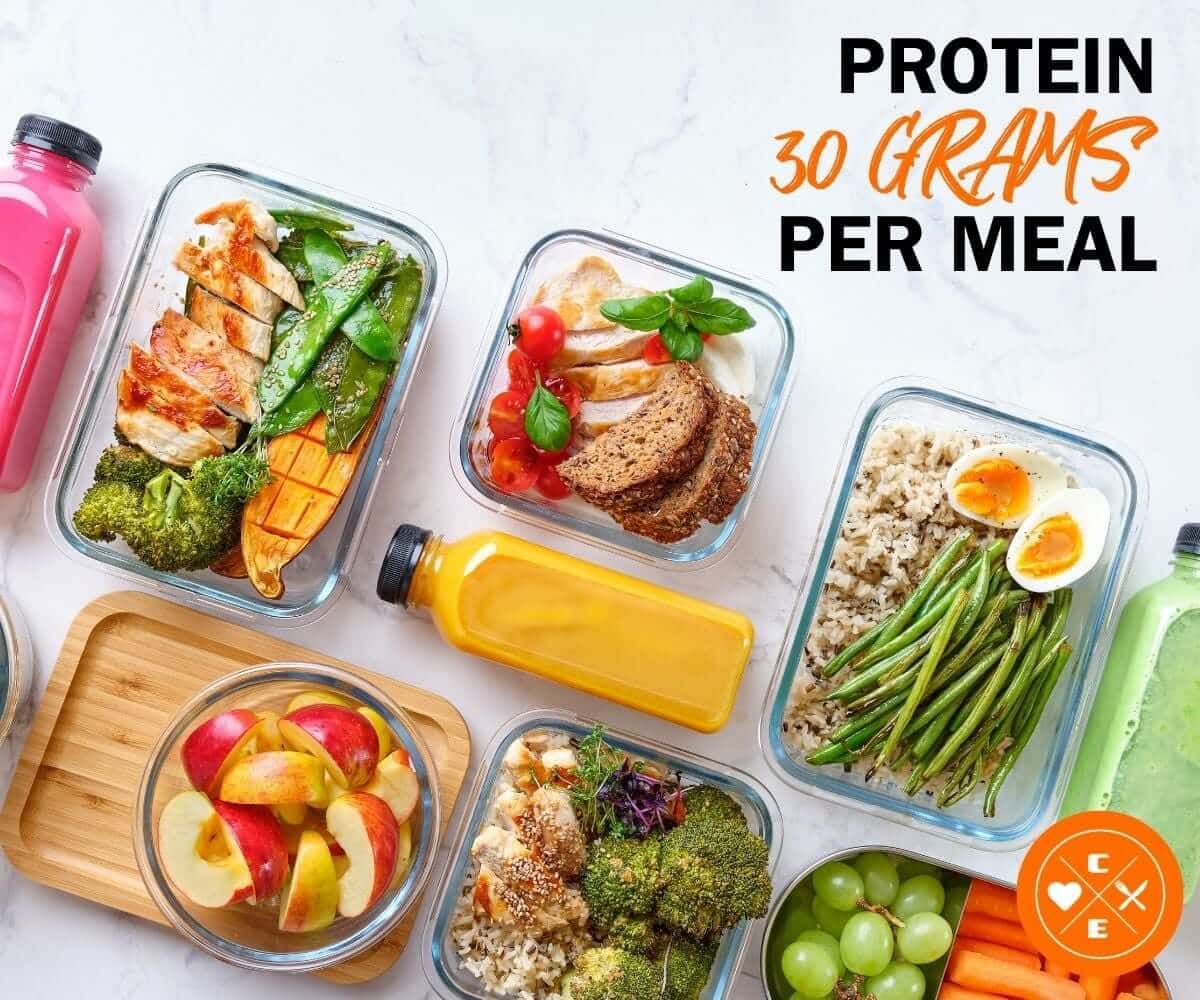
Protein Distribution Across Meals: The 30-Gram-Per-Meal Method
 SaVanna Shoemaker, MS, RDN, LD · Jul 31, 2026
 Meal prep
Macronutrient Ratios for Weight Loss: A Complete Guide
 Tina Sassine, RD, MPH · Jul 15, 2025
 Meal prep
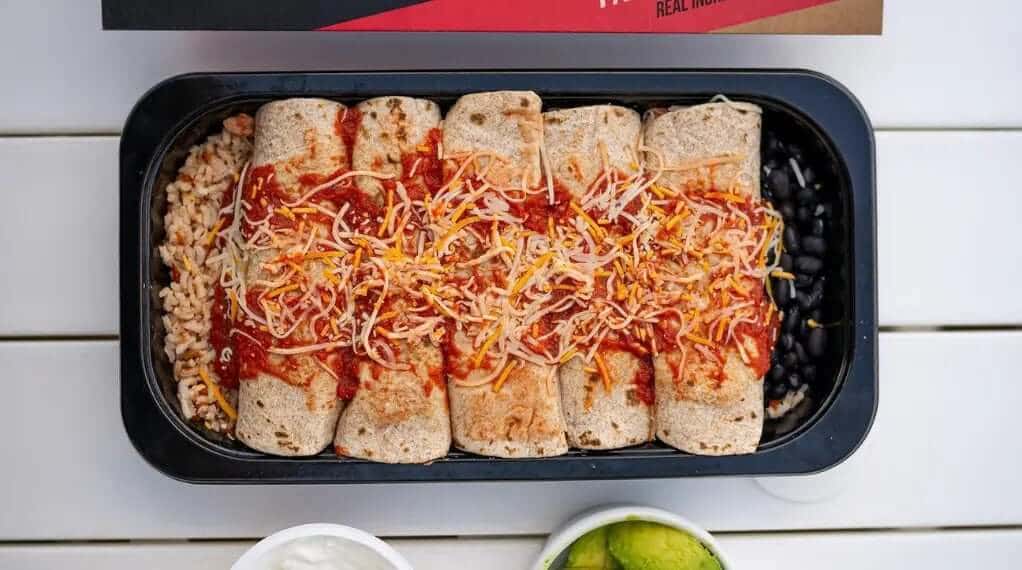
7-Day Healthy Meal Prep Plan For Busy Weeks
Staci Gulbin, MS, MEd, RD · Jan 26, 2026
Sources
- USDA FoodData Central
- CDC: Physical activity guidelines for adults
- Dietary Guidelines for Americans, 2025 to 2030
- Morton RW et al. A systematic review, meta-analysis and meta-regression of the effect of protein supplementation on resistance training-induced gains in muscle mass and strength. Br J Sports Med, 2018
- Schoenfeld BJ, Aragon AA. How much protein can the body use in a single meal for muscle-building? J Int Soc Sports Nutr, 2018
- USDA FoodData Central: Chicken breast, meat only, roasted
- USDA FoodData Central: Atlantic salmon, farmed, cooked, dry heat
- USDA FoodData Central: Tofu, raw, firm, prepared with calcium sulfate
- USDA FoodData Central: Brown rice, long-grain, cooked
- USDA FoodData Central: Potatoes, baked, flesh
- USDA FoodData Central: Pesto sauce, ready-to-serve, refrigerated
On this page