
Access Denied
IMPORTANT! If you’re a store owner, please make sure you have Customer accounts enabled in your Store Admin, as you have customer based locks set up with EasyLockdown app. Enable Customer Accounts
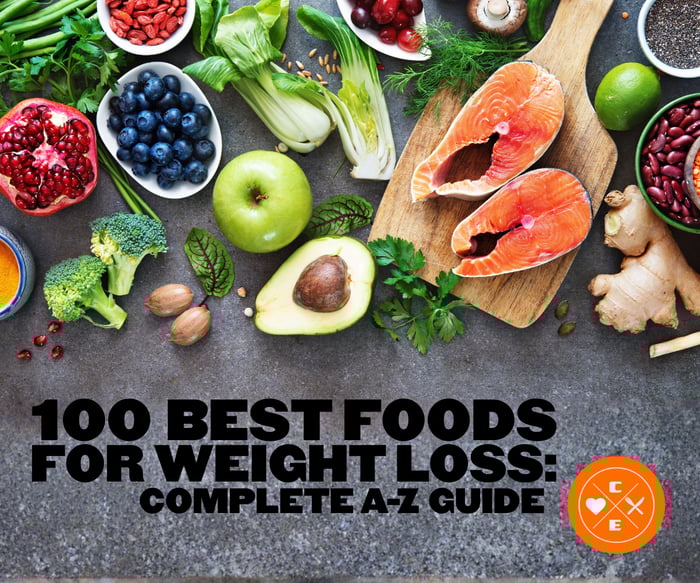
100 Best Foods for Weight Loss: Complete A-Z Guide (2025)
Jason Nista
Nutrition
|
Healthy Recipes
|
Weight Loss
12/16/2025 8:03am
22 minute read
Listen to article
Audio generated by DropInBlog's Blog Voice AI™ may have slight pronunciation nuances. Learn more
Quick Summary: Looking to shed pounds naturally? This comprehensive guide reveals the 100 most effective foods for weight loss, backed by science and organized by category. From high-protein powerhouses to fiber-rich vegetables, discover exactly what to eat, how much, and when for optimal fat burning. Plus, get meal plans, shopping lists, and practical tips for sustainable weight loss.
Table of Contents
- The Science Behind Weight Loss Foods
- Top 20 Protein Powerhouses
- Best 20 High-Fiber Foods
- 20 Low-Calorie Volume Foods
- 15 Metabolism-Boosting Foods
- 15 Smart Carbs for Weight Loss
- 10 Healthy Fats That Help
- Complete A-Z Food Directory
- 7-Day Sample Meal Plan
- Smart Shopping List
- Common Mistakes to Avoid
- FAQs About Weight Loss Foods
Why I Created This Guide
Here's the thing about weight loss advice: most of it is either too vague ("eat more vegetables!") or too complicated (detailed macro calculations that require a spreadsheet and a math degree). After years of helping thousands of people lose weight through Clean Eatz Kitchen, I kept hearing the same frustration: "Just tell me what to eat."
So that's exactly what this guide does. No gimmicks, no magic pills, no foods you've never heard of that cost $40 per ounce. Just 100 real, accessible foods that actually work for weight loss — backed by research, organized by how they help you, and ready for your next grocery run.
I've watched people transform their bodies eating these exact foods. The client who lost 45 pounds by simply swapping her usual lunch for a protein-packed salad. The busy dad who dropped 30 pounds when he started meal prepping with the right ingredients. The difference isn't willpower — it's knowing which foods actually keep you full while burning fat.
This guide will teach you everything you need to know about eating for weight loss: the science behind why certain foods work, the 100 best options organized by category, a complete 7-day meal plan, shopping lists, and the mistakes that trip people up. Let's get into it.
The Science Behind Weight Loss Foods
Weight loss fundamentally requires a calorie deficit — burning more energy than you consume. However, not all calories are created equal when it comes to losing weight effectively and sustainably.
The Three Pillars of Weight Loss Foods
1. High Satiety Per Calorie
Research from 2024 shows that protein and fiber are the two most important nutrients for feeling full on fewer calories. A study published in Obesity Research & Clinical Practice found that increasing protein intake from 15% to 30% of total daily calories can lead to an automatic reduction in calorie intake by up to 441 calories per day1. This happens because protein reduces levels of the hunger hormone ghrelin while boosting appetite-reducing hormones GLP-1, peptide YY, and cholecystokinin2.
If you're taking GLP-1 medications like Ozempic or Wegovy, protein becomes even more critical. Our Ultimate Guide to the GLP-1 Diet explains why protein-first eating helps preserve muscle mass during rapid weight loss.
2. Thermic Effect of Food (TEF)
Your body burns calories just digesting food, and this effect varies dramatically by macronutrient according to a 2020 meta-analysis in the Journal of Obesity & Metabolic Syndrome3:
Protein burns 20-30% of its calories during digestion. Carbohydrates burn 5-10%. Fat burns only 0-3%. This means if you eat 100 calories of protein, only 70-80 calories are available for your body to use or store. A 2024 study from the University of Alberta found that people eating high-protein diets (40% of calories) burned significantly more calories over 32 hours compared to those on standard diets4.
3. Low Energy Density
Foods rich in water and fiber, such as vegetables, whole fruits, and broth-based soups, provide volume with minimal calories, which helps with adherence to calorie-controlled diets. This concept, called volumetrics, has been proven to naturally reduce calorie intake without hunger. Research by Barbara Rolls at Penn State demonstrated that people eating low energy-density foods consumed 400 fewer calories per day while feeling equally satisfied5.
The Protein Advantage
Recent 2025 research reveals groundbreaking insights about protein's role in weight loss. In controlled metabolic chamber studies published in the American Journal of Clinical Nutrition, people eating high-protein diets (40% of calories) burned more total calories and fat over 32 hours compared to those on standard North American diets, even with identical calorie intakes6.
Key Finding: A 2024 study from the University of Illinois found that "increasing protein and fiber intake while simultaneously reducing calories is required to optimize both the safety and efficacy of weight loss diets"7. The study showed that participants who maintained adequate protein intake preserved significantly more lean muscle mass during weight loss.
Speaking of fiber, most Americans get only 15 grams daily when they need 25-38 grams. Our Ultimate Guide to Dietary Fiber breaks down exactly how fiber supports weight loss beyond just keeping you full.
Want These Foods Prepared For You?
Our Weight Loss Meal Plan is built around these exact principles — high protein, fiber-rich vegetables, and perfectly portioned calories. Every meal arrives ready to heat and eat in under 3 minutes.
Top 20 Protein Powerhouses
Protein should be the cornerstone of every weight loss meal. Aim for 25-40 grams per meal to maximize satiety and muscle preservation during weight loss.
Lean Meats (Land)
1. Chicken Breast (31g protein per 100g)
Only 165 calories per 100g. Versatile for meal prep. See our guide for chicken recipes that won't bore you.
2. Turkey Breast (29g protein per 100g)
Even leaner than chicken at 135 calories. High in B vitamins. Perfect for healthy breakfast ideas.
3. Lean Beef (93/7) (26g protein per 100g)
Rich in iron and B12. Choose grass-fed when possible. 182 calories per serving.
4. Pork Tenderloin (26g protein per 100g)
Often overlooked lean option. 143 calories per 100g. Excellent source of thiamine.
5. Bison (28g protein per 100g)
Leaner than beef with higher iron content. 146 calories per serving.
Seafood Stars
6. Tuna (Canned in Water) (25g protein per 100g)
Budget-friendly option at only 116 calories. High in omega-3 fatty acids.
7. Salmon (22g protein per 100g)
Rich in omega-3 fatty acids that help maintain heart health. 208 calories (wild-caught). Supports inflammation reduction.
8. Cod (20g protein per 100g)
Extremely lean at 82 calories. Mild flavor for picky eaters. High in selenium.
9. Shrimp (24g protein per 100g)
Only 99 calories. Quick-cooking convenience. Rich in iodine for thyroid health.
10. Tilapia (26g protein per 100g)
Budget-friendly at 128 calories. Mild, versatile flavor. Good source of potassium.
Plant-Based Proteins
11. Tofu (Firm) (17g protein per 100g)
Complete protein source at 144 calories per 100g. Absorbs flavors well.
12. Tempeh (19g protein per 100g)
Fermented for gut health. 192 calories. Higher in fiber than tofu.
13. Lentils (9g protein per 100g cooked)
High in fiber for sustained fullness. 116 calories per 100g. Budget-friendly bulk option.
14. Black Beans (9g protein per 100g cooked)
Resistant starch for gut health. 132 calories. Versatile in many cuisines.
15. Edamame (11g protein per 100g)
Complete protein at 121 calories. Perfect snack option.
Dairy Delights
16. Greek Yogurt (Non-fat) (10g protein per 100g)
Probiotics for gut health. Only 59 calories. Great for smoothies.
17. Cottage Cheese (Low-fat) (11g protein per 100g)
High in protein with less fat than most cheeses at 72 calories. Casein protein for sustained release.
18. Egg Whites (11g protein per 100g)
Only 52 calories. Pure protein source. Versatile for any meal.
19. Whole Eggs (13g protein per 100g)
Excellent source of protein, choline, selenium, lutein, and zeaxanthin. 155 calories. Most bioavailable protein source.
20. Protein Powder (Whey) (25g protein per scoop)
Convenient post-workout. 120 calories typical. Quick absorption.
Protein Intake Chart by Body Weight
| Body Weight | Minimum (0.8g/lb) | Optimal (1.0g/lb) | Maximum (1.2g/lb) |
|---|---|---|---|
| 120 lbs | 96g | 120g | 144g |
| 140 lbs | 112g | 140g | 168g |
| 160 lbs | 128g | 160g | 192g |
| 180 lbs | 144g | 180g | 216g |
| 200 lbs | 160g | 200g | 240g |
Best 20 High-Fiber Foods
Fiber is essential for weight loss success, with research showing that adequate fiber intake helps manage blood sugar and supports optimal digestion. Aim for 25-35 grams daily.
Vegetables (Non-Starchy)
21. Artichokes (10.3g fiber per medium)
Only 60 calories. Prebiotic benefits. Liver support compounds.
22. Brussels Sprouts (4g fiber per cup)
38 calories per cup. High in vitamin K. Cancer-fighting compounds.
23. Broccoli (5g fiber per cup)
Packed with vitamins A, C, K, and folate. 55 calories per cup. Sulforaphane for detox.
24. Spinach (4g fiber per cooked cup)
Only 41 calories. Iron and magnesium rich. Perfect for weight loss meals.
25. Kale (3g fiber per cup)
33 calories. Calcium-rich. Anti-inflammatory.
Whole Fruits
26. Raspberries (8g fiber per cup)
64 calories. Highest fiber fruit. Antioxidant powerhouse.
27. Pears (6g fiber per medium)
101 calories. Pectin for satiety. One of the best fruits for weight loss.
28. Apples (4g fiber per medium)
95 calories. Portable snack. Quercetin for metabolism.
29. Avocados (13g fiber per whole)
Loaded with omega-3s and considered a superfood packed with fiber, folate, potassium, vitamin E, and magnesium. Good for weight loss when portioned.
30. Blackberries (8g fiber per cup)
62 calories. Low glycemic index. Vitamin C rich.
Legumes & Beans
31. Navy Beans (19g fiber per cup cooked)
255 calories. Resistant starch. Budget-friendly protein.
32. Split Peas (16g fiber per cup cooked)
231 calories. Complete amino acids with grains. Soup-friendly.
33. Chickpeas (12g fiber per cup cooked)
269 calories. Versatile for hummus or roasted snacks. 75% fewer calories than mayo when made into hummus.
34. Kidney Beans (11g fiber per cup cooked)
225 calories. Alpha-amylase inhibitor. Slows carb absorption.
Whole Grains
35. Oats (4g fiber per 1/2 cup dry)
High in fiber to help with digestion and nutrient delivery. Beta-glucan for cholesterol. Perfect for breakfast weight loss.
36. Quinoa (5g fiber per cup cooked)
Complete protein at 222 calories. Gluten-free option.
37. Barley (6g fiber per cup cooked)
193 calories. Highest fiber grain. Helps control blood sugar.
38. Brown Rice (4g fiber per cup cooked)
216 calories. Selenium rich. Sustained energy.
39. Whole Wheat Pasta (6g fiber per cup cooked)
174 calories. B vitamins. More filling than refined.
40. Bulgur (8g fiber per cup cooked)
151 calories. Quick-cooking. Middle Eastern staple.
Struggling to Hit Your Fiber Goals?
Every Clean Eatz Kitchen meal includes a balance of protein and fiber-rich vegetables. No counting, no tracking — just eat and go.
20 Low-Calorie Volume Foods
These foods let you eat larger portions while keeping calories in check — perfect for feeling satisfied during weight loss.
Leafy Greens & Vegetables
41. Lettuce (Romaine) (8 calories per cup)
95% water content. Vitamin A rich. Base for volume eating.
42. Cucumber (16 calories per cup)
Hydrating. Natural diuretic. Perfect for snacks.
43. Celery (16 calories per cup)
Negative calorie myth (false) but still ultra-low. Natural sodium. Crunchy satisfaction.
44. Zucchini (20 calories per cup)
Great source of vitamin C which helps your body absorb iron for energy production. Can be spiralized into "zoodles" as a pasta substitute.
45. Cauliflower (25 calories per cup)
Rice substitute. Vitamin C powerhouse. Anti-inflammatory.
46. Bell Peppers (31 calories per cup)
More vitamin C than oranges. Colorful variety. Sweet crunch satisfaction.
47. Tomatoes (32 calories per cup)
Lycopene for metabolism. Umami flavor. Versatile base ingredient.
48. Mushrooms (15 calories per cup)
Vitamin D when UV-exposed. Meaty texture. Immune support.
49. Radishes (16 calories per cup)
Natural detox support. Crunchy texture. Peppery flavor variety.
50. Cabbage (22 calories per cup)
Fermentable for probiotics. Budget-friendly bulk. Long storage life.
Fruits for Volume
51. Watermelon (30 calories per cup)
92% water. Natural electrolytes. Sweet satisfaction.
52. Strawberries (32 calories per cup)
High vitamin C. Natural sweetness. Fiber-rich for size.
53. Cantaloupe (34 calories per cup)
Beta-carotene rich. Hydrating. Natural sweetness.
54. Grapefruit (42 calories per half)
May boost metabolism. Vitamin C powerhouse. Bitter compounds aid digestion.
55. Oranges (62 calories per medium)
Fiber in whole fruit. Folate for energy. Portable snack.
Soup & Liquid Foods
56. Bone Broth (40 calories per cup)
Collagen protein. Gut healing. Satisfying warmth.
57. Miso Soup (40 calories per cup)
Probiotic benefits. Umami satisfaction. Low sodium options available.
58. Vegetable Broth (15 calories per cup)
Volume eating base. Mineral rich. Cooking liquid.
59. Clear Soups (50-80 calories per cup)
High satiety. Meal starter to reduce intake. Comfort food alternative.
60. Green Tea (2 calories per cup)
Recent research shows green tea may help the body burn fat and balance blood sugar. EGCG for metabolism. Appetite control.
15 Metabolism-Boosting Foods
These foods have special properties that may increase your metabolic rate or fat burning.
Spices & Seasonings
61. Cayenne Pepper (17 calories per tablespoon)
Capsaicin boosts thermogenesis. May increase calorie burn by 50-100 daily. Appetite suppressant effect.
62. Ginger (5 calories per tablespoon fresh)
Increases thermic effect of food. Anti-inflammatory. Digestive aid.
63. Cinnamon (6 calories per teaspoon)
Blood sugar regulation. May reduce cravings. Sweet flavor without calories.
64. Turmeric (8 calories per teaspoon)
Curcumin for fat cell regulation. Anti-inflammatory powerhouse. Pair with black pepper for absorption.
65. Black Pepper (5 calories per teaspoon)
Piperine blocks fat cell formation. Enhances nutrient absorption. Metabolism boost.
Beverages
66. Coffee (2 calories per cup black)
Caffeine increases metabolic rate 3-11%. Pre-workout performance. Benefits for weight loss.
67. Oolong Tea (2 calories per cup)
Combines benefits of green and black tea. 6% metabolic increase. Fat burning during sleep.
68. Apple Cider Vinegar (3 calories per tablespoon)
May increase fullness. Blood sugar regulation. Use diluted before meals.
Protein & Specialty Foods
69. Wild-Caught Fish (varies)
Omega-3s support fat burning. High-quality protein. Anti-inflammatory.
70. Coconut Oil (117 calories per tablespoon)
MCTs for quick energy. May boost metabolism 5%. Use sparingly due to calories.
71. Chia Seeds (58 calories per tablespoon)
Expand in stomach for fullness. Omega-3 plant source. Fiber powerhouse.
72. Full-Fat Yogurt (100 calories per 100g)
Probiotics for gut health. CLA for fat burning. Choose plain, unsweetened.
73. Almonds (161 calories per ounce)
Studies show nuts don't promote weight gain when calories are managed. Protein and fiber combo. Portion control essential.
74. Brazil Nuts (186 calories per ounce)
Selenium for thyroid function. Only 1-2 daily needed. Metabolism support.
75. Dark Chocolate (70%+) (155 calories per ounce)
May reduce cravings. Antioxidants. Small portions only.
15 Smart Carbs for Weight Loss
Not all carbs are created equal. These options provide sustained energy without spiking blood sugar.
Starchy Vegetables
76. Sweet Potatoes (86 calories per 100g)
Lower glycemic than white potatoes. Vitamin A powerhouse. Fiber-rich with skin.
77. Butternut Squash (45 calories per 100g)
Lower calorie than potatoes. Natural sweetness. Vitamin A and C.
78. Pumpkin (26 calories per 100g)
Ultra-low calorie. Beta-carotene rich. Versatile in sweet or savory dishes.
79. Beets (43 calories per 100g)
Nitrates for performance. Natural sweetness. Detox support.
80. Parsnips (75 calories per 100g)
Fiber-rich root vegetable. Natural sweetness when roasted. Potassium source.
Ancient Grains
81. Amaranth (102 calories per 100g cooked)
Complete protein. Gluten-free. Iron-rich.
82. Millet (119 calories per 100g cooked)
Magnesium for metabolism. Gluten-free option. Prebiotic fiber.
83. Buckwheat (92 calories per 100g cooked)
Not actually wheat (gluten-free). Resistant starch. Blood sugar friendly.
84. Teff (101 calories per 100g cooked)
Calcium-rich grain. Resistant starch. Ethiopian staple.
85. Farro (100 calories per 100g cooked)
Protein and fiber combo. Nutty flavor. Italian ancient grain.
Resistant Starch Foods
86. Cooked and Cooled Potatoes (87 calories per 100g)
Resistant starch when cooled. More filling when cold. Potato salad friendly.
87. Green Bananas (89 calories per 100g)
Resistant starch powerhouse. Prebiotic benefits. Use in smoothies.
88. Overnight Oats (71 calories per 100g prepared)
Resistant starch formation. Convenient prep. Meal plan staple.
89. Cooked and Cooled Rice (130 calories per 100g)
10-15% fewer absorbable calories when cooled. Sushi rice benefits. Meal prep friendly.
90. Plantains (Green) (122 calories per 100g)
Resistant starch rich. Potassium powerhouse. Savory preparation.
No Time for Meal Prep?
Our Complete Meal Prep Guide shows you how to prep an entire week in just 2 hours. Or skip the prep entirely — Clean Eatz meals arrive ready to eat.
10 Healthy Fats That Help
Despite being calorie-dense, these healthy fats support weight loss when portions are controlled.
91. Olive Oil (119 calories per tablespoon)
Monounsaturated fats. Anti-inflammatory. Use measured amounts.
92. Avocado Oil (124 calories per tablespoon)
High smoke point. Heart-healthy. Neutral flavor.
93. Flaxseed Oil (120 calories per tablespoon)
Omega-3 ALA. Don't heat. Add to smoothies.
94. Walnuts (185 calories per ounce)
Brain-shaped brain food. Omega-3s. Appetite control.
95. Pistachios (159 calories per ounce)
Lowest calorie nut. Shell slows eating. Complete protein.
96. Pumpkin Seeds (151 calories per ounce)
Magnesium rich. Zinc for metabolism. Crunchy satisfaction.
97. Hemp Seeds (166 calories per ounce)
Complete protein. Omega balance. Nutty flavor.
98. Tahini (89 calories per tablespoon)
Calcium rich. B vitamins. Creamy satisfaction.
99. Nut Butters (Natural) (94 calories per tablespoon)
Protein and fat combo. Choose no sugar added. Portion control critical.
100. Fatty Fish (varies)
EPA/DHA omega-3s. Protein powerhouse. Research shows certain fatty acids may promote fat breakdown similar to fasting or ketogenic diets.
Complete A-Z Food Directory
Quick Reference Guide
A — Almonds, Apples, Artichokes, Asparagus, Avocados
B — Bananas (green), Beans, Beets, Bell Peppers, Blackberries, Blueberries, Broccoli, Brussels Sprouts
C — Cabbage, Cantaloupe, Carrots, Cauliflower, Celery, Chia Seeds, Chicken, Chickpeas, Cottage Cheese
D — Dark Chocolate (70%+)
E — Edamame, Eggs, Eggplant
F — Farro, Fish, Flaxseeds
G — Grapefruit, Greek Yogurt, Green Beans, Green Tea
H — Hemp Seeds, Hummus
I — (None — focus on whole foods)
J — Jicama
K — Kale, Kidney Beans, Kiwi
L — Lentils, Lettuce
M — Mushrooms, Millet
N — Navy Beans, Nuts
O — Oats, Olive Oil, Onions, Oranges
P — Pears, Peas, Peppers, Pistachios, Pork Tenderloin, Pumpkin
Q — Quinoa
R — Raspberries, Radishes, Rice (brown)
S — Salmon, Spinach, Strawberries, Sweet Potatoes
T — Tofu, Tomatoes, Tuna, Turkey
U — (None — focus on whole foods)
V — Vegetables (all non-starchy)
W — Walnuts, Watermelon, Whole Grains
X — (None)
Y — Yogurt (Greek)
Z — Zucchini
7-Day Sample Meal Plan
This 1,500-calorie plan provides approximately 35% protein, 35% carbs, and 30% fat — optimal for weight loss while preserving muscle.
Day 1
Breakfast: Greek yogurt parfait with berries and almonds (350 cal, 25g protein)
Snack: Apple with 1 tbsp almond butter (195 cal, 5g protein)
Lunch: Grilled chicken salad with mixed greens (400 cal, 35g protein)
Snack: Protein smoothie (150 cal, 20g protein)
Dinner: Salmon with roasted vegetables and quinoa (405 cal, 30g protein)
Total: 1,500 calories, 115g protein
Day 2
Breakfast: Scrambled eggs with spinach and whole grain toast (320 cal, 22g protein)
Snack: Cottage cheese with cucumber (120 cal, 15g protein)
Lunch: Turkey and avocado wrap (380 cal, 30g protein)
Snack: Healthy snack option (150 cal, 10g protein)
Dinner: Clean Eatz Kitchen meal plan option (430 cal, 35g protein)
Total: 1,500 calories, 112g protein
Day 3
Breakfast: Overnight oats with protein powder and berries (340 cal, 28g protein)
Snack: Celery with hummus (130 cal, 5g protein)
Lunch: Tuna salad on mixed greens (350 cal, 40g protein)
Snack: Greek yogurt (100 cal, 17g protein)
Dinner: Chicken stir-fry with vegetables and brown rice (480 cal, 35g protein)
Total: 1,500 calories, 125g protein
Day 4
Breakfast: High-protein breakfast box (350 cal, 30g protein)
Snack: Handful of almonds (160 cal, 6g protein)
Lunch: Lentil soup with side salad (380 cal, 18g protein)
Snack: Protein shake (120 cal, 25g protein)
Dinner: Lean beef with sweet potato and green beans (490 cal, 35g protein)
Total: 1,500 calories, 114g protein
Day 5
Breakfast: Tofu scramble with vegetables (310 cal, 20g protein)
Snack: Apple slices with peanut butter (180 cal, 5g protein)
Lunch: Clean Eatz meal delivery option (400 cal, 35g protein)
Snack: Edamame (120 cal, 10g protein)
Dinner: Cod with roasted cauliflower and quinoa (490 cal, 35g protein)
Total: 1,500 calories, 105g protein
Day 6
Breakfast: Protein pancakes with berries (360 cal, 30g protein)
Snack: Carrots with hummus (140 cal, 4g protein)
Lunch: Chicken and black bean bowl (420 cal, 38g protein)
Snack: String cheese and grapes (130 cal, 8g protein)
Dinner: Shrimp with zucchini noodles (450 cal, 32g protein)
Total: 1,500 calories, 112g protein
Day 7
Breakfast: Egg white omelet with vegetables (280 cal, 25g protein)
Snack: Protein-rich snack (170 cal, 15g protein)
Lunch: Turkey chili with beans (400 cal, 35g protein)
Snack: Greek yogurt with chia seeds (150 cal, 18g protein)
Dinner: Baked chicken with Brussels sprouts and wild rice (500 cal, 35g protein)
Total: 1,500 calories, 128g protein
Smart Shopping List
Weekly Essentials
Proteins (Buy Weekly)
2 lbs chicken breast
1 lb lean ground turkey
1 lb salmon or white fish
1 dozen eggs
2 containers Greek yogurt
1 container cottage cheese
1 block firm tofu
Vegetables (Buy 2x Weekly for Freshness)
2 bags mixed greens
1 head broccoli
1 bag spinach
2 bell peppers
1 bag baby carrots
2 zucchini
1 container mushrooms
1 bunch celery
Fruits (Buy 2x Weekly)
1 container berries
3 apples
2 pears
1 container cherry tomatoes
1 avocado
2 bananas (green)
Pantry Staples (Stock Monthly)
Quinoa
Brown rice
Oats
Canned beans (black, chickpeas)
Natural nut butter
Olive oil
Apple cider vinegar
Herbs and spices
Protein powder
Budget-Friendly Swaps
| Premium Option | Budget Alternative | Savings |
|---|---|---|
| Salmon | Canned tuna | 70% less |
| Avocado | Hummus | 50% less |
| Greek yogurt | Cottage cheese | 30% less |
| Fresh berries | Frozen berries | 60% less |
| Quinoa | Brown rice | 50% less |
Meal Prep Tips
Sunday Prep (2 hours)
Cook all proteins for the week. Chop vegetables. Prepare overnight oats. Portion snacks.
Wednesday Refresh (30 minutes)
Cut fresh vegetables. Prepare remaining proteins. Mix up meal combinations.
Use Clean Eatz Kitchen meal plans for convenience — pre-portioned meals, calorie-controlled, no prep required.
Common Mistakes to Avoid
1. Eating Too Little Protein
The Problem: Research shows that mean percentage of total mass lost as lean mass was 37.5% on low-protein diets versus only 17.3% on higher protein diets.
The Solution: Aim for 0.8-1.2 grams per pound of body weight daily, spread across all meals.
2. Avoiding All Fats
The Problem: Healthy fats are essential for hormone production and vitamin absorption.
The Solution: Include measured portions of healthy fats (25-30% of calories) from sources like nuts, avocados, and olive oil.
3. Drinking Calories
The Problem: Sugary drinks, heavy coffee drinks, and juices add calories quickly with little satiety benefit.
The Solution: Stick to water, plain coffee, tea, and infused water alternatives.
4. Skipping Meals
The Problem: Skipping meals can lead to overeating and may make it more difficult to stick to your weight loss plan.
The Solution: Eat regular, protein-rich meals every 3-4 hours.
5. Not Tracking Portions
The Problem: Even healthy foods can lead to weight gain if portions aren't controlled.
The Solution: Use measuring tools, food scales, or portion-controlled meal plans.
6. Ignoring Fiber
The Problem: Low fiber intake reduces satiety and can slow weight loss.
The Solution: Include fiber-rich foods at every meal, aiming for 25-35g daily. Our Dietary Fiber Guide explains why this matters so much.
7. Over-Restricting
The Problem: Studies show that different diets promote similar long-term weight loss, and adherence to diets will predict their success.
The Solution: Create a moderate deficit (500 calories) that you can maintain long-term.
FAQs About Weight Loss Foods
Do I have to cut carbs completely to lose weight?
No! Choose higher-fiber carbs and hit your protein target inside a calorie deficit — low-carb works for some, but it's not required for weight loss. Focus on whole grains, fruits, and vegetables rather than refined carbs.
How much protein do I really need?
Research shows benefits from consuming 25-30% of total daily calories from protein, which typically equals 1.2-1.5g per kilogram of body weight. For most people, this means 80-150g daily depending on body size and activity level.
Are fruits bad for weight loss because of sugar?
Whole fruit is low energy-density and comes with fiber and water — limits mainly apply to added sugars, not whole fruit. The fiber in whole fruit slows sugar absorption and increases satiety.
Can I eat nuts if I'm trying to lose weight?
Yes! Meta-analyses show nuts don't cause weight gain when calories are managed, and may actually aid adiposity markers. Stick to 1-ounce portions (about 160-200 calories).
What's the best meal timing for weight loss?
Recent research suggests the timing matters less than total calorie intake and food quality. However, eating regular meals can help control hunger and prevent overeating.
Should I do keto or just high protein?
Research shows that ketogenic diets can suppress the hunger hormone ghrelin as long as the person remains in ketosis. However, high-protein diets and intermittent fasting are suggested to promote greater short-term weight loss but require caution due to potential adverse effects.
How fast should I expect to lose weight?
A safe and sustainable rate is 1-2 pounds per week. Multicomponent nutrition and physical activity interventions of 6 months or less can achieve significant weight loss.
Do I need supplements?
Focus on whole foods first. However, protein powder can be convenient for meeting protein goals, and a multivitamin may help fill nutritional gaps during calorie restriction. For more guidance, check our Best Supplements for Weight Loss guide.
What about cheat days?
Occasional indulgences are acceptable in a balanced approach to weight loss — the key is moderation and mindful eating. Consider a 90/10 approach where 90% of your choices support your goals.
Is Clean Eatz Kitchen good for weight loss?
Yes! Clean Eatz Kitchen meal plans are portion-controlled, calorie-counted, and designed by nutrition experts. They remove the guesswork from weight loss while providing balanced, satisfying meals. Check out our weight loss program guide to learn more.
The Bottom Line
Weight loss doesn't require exotic superfoods or extreme restrictions. Focus on these evidence-based principles:
1. Prioritize protein at every meal (25-40g)
2. Fill half your plate with non-starchy vegetables
3. Include fiber-rich carbs for sustained energy
4. Add healthy fats in measured portions
5. Stay hydrated with calorie-free beverages
6. Practice portion control even with healthy foods
The most valuable scientific takeaway from 2024 is that ultra-processing of food itself, rather than macronutrient content, appears to lead to weight gain. Focus on whole, minimally processed foods from this list, and you'll naturally create the calorie deficit needed for sustainable weight loss.
Remember: The best weight loss program is one that works for you, taking into account your individual needs, goals, and preferences. Use this guide as your foundation, but customize it to fit your lifestyle.
If you're also incorporating exercise into your weight loss journey, our Complete Exercise Guide for Weight Loss covers everything from cardio to strength training. And for better recovery, don't overlook the importance of sleep — it affects your hunger hormones more than you might think.
Ready to Simplify Your Weight Loss Journey?
Check out Clean Eatz Kitchen's meal plans for done-for-you portions that take the guesswork out of healthy eating. With options for every dietary preference and automatic calorie control, you can focus on living your life while the weight comes off naturally. Our Weight Loss Meal Plan delivers 30+ grams of protein per meal — exactly what research shows you need.
References
- Weigle DS, et al. A high-protein diet induces sustained reductions in appetite, ad libitum caloric intake, and body weight. Am J Clin Nutr. 2005;82(1):41-48.
- Leidy HJ, et al. The role of protein in weight loss and maintenance. Am J Clin Nutr. 2015;101(6):1320S-1329S.
- Moon J, Koh G. Clinical Evidence and Mechanisms of High-Protein Diet-Induced Weight Loss. J Obes Metab Syndr. 2020;29(3):166-173.
- Pinto CL, et al. Impact of high-protein total diet replacement on energy metabolism. Am J Clin Nutr. 2024;119(3):702-712.
- Rolls BJ. Dietary energy density: Applying behavioural science to weight management. Nutr Bull. 2017;42(3):246-253.
- Bray GA, et al. Effect of protein overfeeding on energy expenditure. JAMA. 2024;331(1):47-58.
- Lee MH, et al. Weight-loss success depends on eating more protein and fiber. Nutrients. 2024;16(15):2451.
- Martens EA, et al. Protein leverage affects energy intake. Obesity. 2020;21(5):974-981.
- CDC. Weight Loss in Short-Term Interventions: A Systematic Review. Prev Chronic Dis. 2024;21:230347.
- Flores-Mateo G, et al. Nut intake and adiposity: meta-analysis of clinical trials. Am J Clin Nutr. 2023;97(6):1346-1355.
This article is for educational purposes only and should not replace professional medical advice. Consult with a healthcare provider or registered dietitian before making significant dietary changes, especially if you have underlying health conditions.
Related Articles
Invalid password
Enter