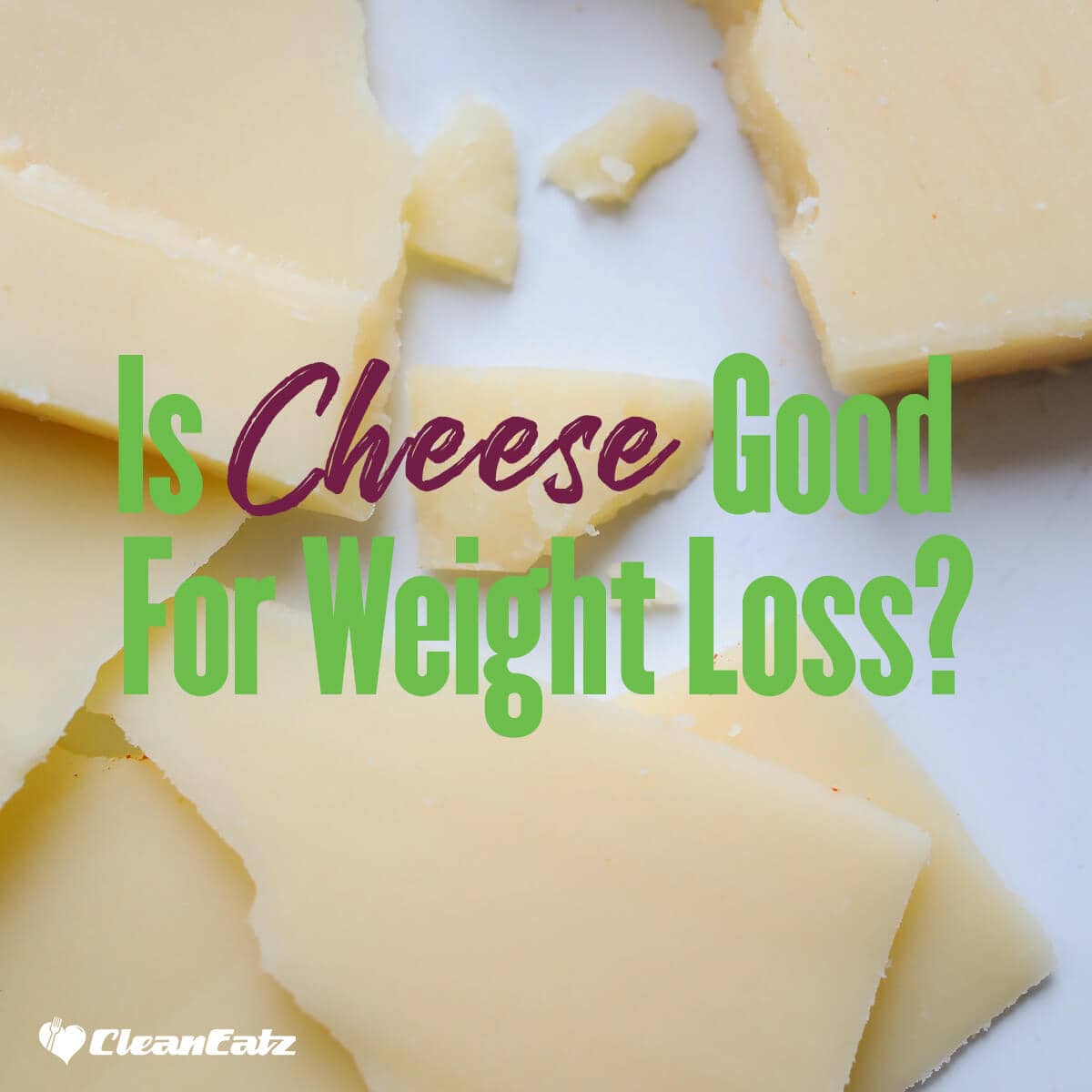

Quick Answer: Yes, cheese can fit into a weight-loss diet when eaten in reasonable portions. It’s rich in protein and fat, which can help promote fullness and reduce snacking between meals. However, cheese can be calorie-dense, so portion control matters. When included as part of a balanced, calorie-controlled diet, cheese can be a satisfying and nutritious addition rather than something that needs to be avoided.
Table of Contents
- Introduction: The Cheese Lover's Dilemma
- How Cheese Can Work in a Weight loss Diet
- When Cheese Can Stall Your Progress
- Best Cheeses for Weight Loss (Complete Comparison)
- Shopping and Buying Guide
- Portion Control: The Golden Rules
- 5 Weight-Loss-Friendly Cheese Meal Ideas
- Flavor Variations and Smart Swaps
- 7 Cheese Mistakes That Sabotage Weight Loss
- Storage and Safety Guidelines
- Frequently Asked Questions
- The Bottom Line
Last updated: March 5, 2026
Introduction: The Cheese Lover's Dilemma
Many people assume that cheese has to be eliminated from their diet in order to lose weight. Because cheese is calorie-dense, it often gets labeled as a “diet mistake” or something to avoid entirely when trying to reduce calories.
In reality, cheese can still fit into a weight-loss diet when it’s eaten in reasonable portions. It provides protein, fat, and a satisfying flavor that can help make meals more enjoyable and filling. For some people, including small amounts of cheese in meals may actually help with consistency by making healthier foods easier to stick with.
The key is understanding how to use cheese in a balanced way. Portion sizes, the type of cheese you choose, and how it’s included in meals all play an important role.
This guide explains how cheese fits into a weight-loss diet, including which varieties are most practical, how much to eat, and simple ways to enjoy cheese while still keeping calories in check.
How Cheese Can Work in a Weight loss Diet
Before discussing potential pitfalls, it’s helpful to understand how cheese can fit into a weight-loss diet when used thoughtfully. The key isn’t finding loopholes, but recognizing how foods like cheese contribute to satiety and can support a sustainable eating pattern.
The Protein Advantage
Dairy-based cheese delivers high-quality complete protein, containing all essential amino acids your body needs. Dairy protein is primarily casein (about 80%) and whey (about 20%).
According to research published in Advances in Nutrition, casein is a "slow" protein that clumps in the stomach and releases amino acids gradually, providing sustained satiety over several hours. Whey, on the other hand, is rapidly absorbed and quickly triggers satiety hormones. Together, these proteins may contribute to both short-term and longer-lasting fullness, although research on whether this consistently leads to reduced calorie intake at later meals is mixed.
An ounce of some cheeses delivers 6-8 grams of protein, and cottage cheese packs an impressive 13-14 grams per half-cup. When you're trying to hit your daily protein targets for weight loss, cheese can be a convenient and delicious contributor.
Satiety and Appetite Control
Here's where cheese can be particularly helpful: it may support satiety. Research published in the British Journal of Nutrition found that higher-protein, lower-fat cheese produced greater satiety relative to its calorie content compared with higher-fat versions. Participants also consumed fewer total calories without compensating by eating more later.
The Substitution Strategy
Rather than focusing on eliminating cheese entirely, it may be more useful to think about how it can substitute for other ingredients in a meal. Small portions of cheese can add flavor, protein, and fat, potentially replacing other calorie sources while helping improve overall meal satisfaction. For example, a small amount of cheese added to a salad or vegetable dish may replace higher-calorie toppings or heavy dressings while still providing flavor and satiety.
When Cheese Can Stall Your Progress
Cheese can certainly fit into a balanced eating pattern, but like many calorie-dense foods, portion size and context matter. Understanding how cheese contributes to total calorie intake can help ensure it fits comfortably within a weight-loss plan.
Calorie Density Is Real
Many cheeses contain roughly 90–120 calories per ounce, which means a relatively small portion provides a noticeable amount of energy. For reference, an ounce of cheddar is roughly the size of two dice—often smaller than what people might estimate when serving themselves.
Because of this, casual snacking on cheese without paying attention to portion size may lead to consuming more calories than intended. Being mindful of portions can help keep intake consistent with overall dietary goals.
The Add-On Trap
Another consideration is how cheese is used in meals. Sometimes cheese is added on top of foods that already contain significant calories—such as pizza, burritos, or pasta dishes. In those situations, cheese may contribute additional calories beyond what was originally planned for the meal.
Thinking of cheese as a planned ingredient rather than an automatic addition can make it easier to include it while still staying within a calorie-controlled diet.
Saturated Fat and Sodium Considerations
Cheese can also contain saturated fat and sodium, which may be important for some individuals to monitor. For example, many full-fat cheeses contain around 5–6 grams of saturated fat per ounce. The American Heart Association recommends limiting saturated fat intake, particularly for those managing cholesterol levels. If you're eating cheese at every meal, saturated fat can accumulate quickly.
Sodium is another consideration. Some cheeses contain 300-400mg of sodium per ounce (like feta and processed cheese), which can cause water retention.
Cheese Options to Consider in a Weight-Loss Diet (Complete Comparison)
Different types of cheese vary significantly in calories, protein, fat, and sodium, which can influence how they fit into a calorie-controlled diet. Understanding these nutritional differences can help you choose cheeses that support satiety while still aligning with your overall nutrition goals.
| Cheese (1 oz unless noted) | Calories | Protein | Sat Fat | Sodium | Best use |
|---|---|---|---|---|---|
| Cottage cheese, 2% (½ cup) | 90-110 | 13-14g | 1.5-3g | 350-390mg | Breakfast, snacks, high-volume |
| Part-skim mozzarella | 72-85 | 7-8g | 3-3.5g | 175-220mg | Pizza, melting, Italian dishes |
| Swiss | 108-112 | 7.5-8g | 5g | 50-60mg | Low-sodium needs, sandwiches |
| Feta | 70-75 | 4-6g | 3.5-4g | 320-340mg | Salads, Mediterranean dishes |
| Parmesan | 110-120 | 10-11g | 5g | 330-450mg | Flavor punch in small amounts |
| Cheddar | 113-115 | 6-7g | 5.5-6g | 180-200mg | General use, strong flavor |
| Goat cheese (chèvre) | 75-80 | 5-6g | 4g | 100-130mg | Salads, spreading, unique flavor |
| Cream cheese | 95-100 | 1.5-2g | 5.5-6g | 85-100mg | Limit—low protein, high fat |
Top picks for weight loss:
- Cottage cheese is a great protein source. Use it for breakfast with fruit, as a snack, or blended into smoothies and dips.
- Part-skim mozzarella offers good protein with fewer calories and less saturated fat than full-fat versions—perfect for pizza nights and caprese salads.
- Parmesan delivers intense flavor, so a little goes a long way—use it grated over vegetables, soups, and salads.
For a comprehensive list of weight-loss-friendly foods including dairy options, check out our 100 Best Foods for Weight Loss guide.
Shopping and Buying Guide
The type of cheese you choose can influence how easily it fits into a calorie-controlled diet. Paying attention to nutrition labels and ingredients can help you make more informed comparisons.
What to Look for on Labels
Start by checking the serving size. Start by checking the serving size. Cheese nutrition labels are often based on 1 ounce (28 g), but some products list ¼ cup shredded or other measurements. Making sure the serving sizes match can make comparisons more accurate.
Protein per calorie ratio: Looking at how much protein a cheese provides relative to its calories can also be helpful. Some cheeses, such as cottage cheese, tend to provide more protein for fewer calories, while others provide relatively little protein compared with their calorie content.
Sodium content: Sodium levels can vary across brands and types of cheese. If sodium intake is something you monitor—for example, for blood pressure management—it may be useful to compare the sodium listed per serving.
Natural vs. Processed Cheese
Natural cheese is made from milk, cultures, and enzymes. Processed cheese (American singles, cheese spreads) contains emulsifiers, sodium phosphates, and other additives. While processed cheese isn't inherently "bad," it tends to be higher in sodium and may contain fillers that dilute the protein content. For those who prefer minimally processed foods, choosing cheeses with simpler ingredient lists may be preferable.
Budget-Friendly Options
Cheese prices can vary widely depending on the format and brand.
Block cheese is often less expensive per ounce than pre-shredded varieties.
Store brands may offer similar products at lower prices than national brands.
Larger containers, particularly for items like cottage cheese, can sometimes provide better value than single-serve portions.
Some hard cheeses can be frozen, which may help reduce waste when purchasing larger quantities.
Lactose Considerations
Many aged cheeses—such as cheddar, Swiss, Parmesan, and Gouda—contain relatively little lactose because much of the milk sugar is broken down during the aging process. As a result, some people with lactose intolerance find these cheeses easier to tolerate.
Fresh cheeses, including cottage cheese, tend to contain more lactose, though lactose-free versions are available.
Portion Control: The Golden Rules
Portion size can make a noticeable difference when including calorie-dense foods like cheese in a weight-loss diet. Having a general sense of common serving sizes can make it easier to keep intake consistent with your overall goals.
Visual Portion Guides
1 ounce of hard cheese = the size of two dice, or a thin slice that covers a piece of toast, or about the size of your thumb (from base to tip).
¼ cup shredded cheese = roughly 1 ounce, about the size of a golf ball.
½ cup cottage cheese = one standard serving, about the size of a tennis ball cut in half.
1 tablespoon cream cheese = about the size of the tip of your thumb.
The Measuring Rule
If you’re unsure what a typical serving looks like, measuring occasionally can help provide a clearer reference. A small food scale can make this quick and accurate. Over time, many people find they become more comfortable estimating portions visually.
Pre-Portioning Strategy
When you bring cheese home from the store, divide it into pre-measured portions. Cut a block of cheddar into 1-ounce pieces and store them individually. Portion cottage cheese into ½-cup containers. This can reduce the temptation to grab "just a little more" and makes tracking effortless.
For more strategies on meal prep and portion control, our Complete Meal Prep Guide covers everything from container selection to batch preparation.
5 Weight-Loss-Friendly Cheese Meal Ideas
These examples show how cheese can be included in meals while keeping portions moderate and maintaining a protein-focused balance.
1. Power Breakfast Bowl (~350 calories, 30g protein)
Ingredients: ¾ cup 2% cottage cheese, ½ cup mixed berries, 1 tbsp slivered almonds, drizzle of honey (optional)
Prep tip: Blend the cottage cheese briefly for a smoother, yogurt-like texture if you prefer. The slow-digesting casein protein keeps you full well into lunch.
2. Mediterranean Veggie Salad (~400 calories, 22g protein)
Ingredients: 3 cups mixed greens, 4 oz grilled chicken breast, 1 oz crumbled feta, cucumber, tomatoes, olives, 1 tbsp olive oil + lemon juice dressing
Prep tip: The feta adds creamy, tangy flavor, so you need less dressing. This pairs well with strategies from our 15 High-Protein Meals Under 500 Calories guide.
3. Cheesy Veggie Omelette (~320 calories, 28g protein)
Ingredients: 3 whole eggs, 1 oz shredded Swiss cheese, sautéed spinach and mushrooms, cooking spray
Prep tip: Cook vegetables first, set aside, then make the omelette. Swiss adds nutty flavor with minimal sodium—great if you're watching salt intake.
4. Afternoon Snack Plate (~200 calories, 14g protein)
Ingredients: 1 oz sharp cheddar (cubed), 1 small apple (sliced), 5 whole-grain crackers
Prep tip: The combination of protein, fiber, and complex carbs makes this snack incredibly satisfying. Check out our 29 Healthy Snacks for Weight Loss for more ideas.
5. Parmesan-Crusted Salmon Dinner (~450 calories, 42g protein)
Ingredients: 5 oz salmon fillet, 2 tbsp grated Parmesan, 1 tsp Dijon mustard, roasted broccoli with 1 tsp olive oil
Prep tip: Mix Parmesan with mustard, spread on salmon, bake at 400°F for 12-15 minutes. The Parmesan creates a flavorful crust without needing breading.
Need more ideas? Our Weight Loss Meal Plan includes portion-controlled meals under 500 calories that take the guesswork out of eating right.
Flavor Variations and Smart Swaps
Including variety in meals can make it easier to maintain a balanced diet over time. Small adjustments in how cheese is used can help maintain flavor while keeping portions moderate.
High-Impact, Low-Calorie Approaches
- Use sharp or aged varieties. Stronger cheeses such as extra-sharp cheddar or aged Parmesan provide more flavor per ounce than milder cheeses, which may allow smaller portions to feel satisfying. For example, a tablespoon of grated Parmesan can add noticeable flavor to vegetables or pasta dishes.
- Pair with bold flavors. Combining cheese with ingredients such as jalapeños, sun-dried tomatoes, olives, or fresh herbs can enhance overall flavor without increasing the amount of cheese used.
Smart Swaps
- Blended cottage cheese can be used in dips or spreads as an alternative to cream cheese.
- Greek yogurt with a small amount of feta may provide a similar tangy flavor in dishes such as tacos or baked potatoes.
- Individually portioned cheeses, such as Laughing Cow wedges, may help some people manage serving sizes more easily.
These swaps align with the principles in our Best Fats for Weight Loss guide—it's about choosing nutrient-dense options that fit your goals.
Common Cheese Habits That May Affect Weight Loss
Cheese can fit comfortably within a balanced eating pattern, but certain habits may make it easier to consume more calories than intended.
1. Eyeballing Portions
The problem: What looks like "about an ounce" is often 2-3 ounces. That's 100-200 extra calories you didn't account for.
The fix: Occasionally measuring cheese with a small food scale or pre-portioning servings can help provide a clearer reference for typical portion sizes.
2. Treating Cheese as a Free Add-On
The problem: Extra cheese on pizza, cheese on your burger, cheese on your salad, cheese in your eggs... it adds up fast.
The fix: Some people find it helpful to plan where cheese fits into meals rather than adding it spontaneously.
3. Ignoring Saturated Fat
The problem: Multiple servings of full-fat cheese daily can push saturated fat intake well beyond recommendations, especially if you're also eating other animal products.
The fix: Balancing full-fat cheeses with lower-fat varieties or moderating portion sizes can help keep intake within dietary recommendations.
4. Choosing Low-Protein Cheeses
The problem: Some cheeses provide relatively little protein compared with their calorie content.
The fix: When protein intake is a priority, options such as cottage cheese, mozzarella, Swiss, or Parmesan may provide more protein per serving.
5. Cheese-Based Sauces and Dips
The problem: Cheese sauces or dips may be easy to consume in larger portions and can add calories quickly.
The fix: Using whole cheese or preparing dips from blended cottage cheese or yogurt can sometimes provide a similar flavor with a different nutritional profile.
6. Pairing Cheese with Refined Carbs
The problem: Pairing cheese with refined carbohydrates such as white bread or chips may provide less lasting satiety than combinations that include fiber.
The fix: Pair cheese with vegetables (apple slices, celery, bell peppers) or whole grains for fiber that extends fullness.
7. Forgetting About Sodium
The problem: Certain cheeses contain relatively high sodium levels, which may contribute to temporary water retention in some individuals.
The fix: Comparing sodium content across cheeses or balancing higher-sodium cheeses with lower-sodium foods during the day may help manage overall intake.
Storage and Safety Guidelines
⚠️ Food Safety Note: Cheese is a dairy product that requires proper storage to prevent spoilage and foodborne illness. Pregnant women, elderly individuals, and those with compromised immune systems should avoid unpasteurized (raw milk) cheeses.
Refrigerator Storage
- Hard cheeses (cheddar, Parmesan, Swiss): Wrap tightly in plastic wrap or wax paper, then in a plastic bag. Keeps 3-4 weeks after opening.
- Soft cheeses (brie, feta, goat cheese): Store in the original packaging or an airtight container. Use within 1-2 weeks after opening.
- Cottage cheese: Keep sealed, use by expiration date. Once opened, consume within 5-7 days.
- Shredded cheese: Keep in original bag, squeeze out air, and seal tightly. Use within 5-7 days of opening.
Freezing Cheese
Most hard and semi-hard cheeses can be frozen for up to 3–6 months if stored properly. Wrap the cheese tightly in plastic wrap, then place it in aluminum foil or a sealed freezer bag to help prevent freezer burn. When ready to use, thaw the cheese in the refrigerator. Keep in mind that frozen cheese is often best used in cooked dishes, as freezing can make the texture slightly crumbly.
Do not freeze cottage cheese, cream cheese, or soft fresh cheeses—they don't handle freezing well and become watery when thawed.
Signs of Spoilage
- Visible mold (except on intentionally moldy cheeses like blue cheese)
- Slimy texture or ammonia smell
- Significant changes in color
- Sour or off taste
When in doubt, throw it out. Cheese isn't worth a foodborne illness.
Frequently Asked Questions
Can I eat cheese every day and still lose weight?
Yes, cheese can be included daily in a weight-loss diet if it fits within your overall calorie intake. Portion size and total daily calories tend to matter more than eliminating specific foods. Because cheese contains both protein and fat, some people find it helps make meals more satisfying.
Is full-fat or reduced-fat cheese better for weight loss?
Both full-fat and reduced-fat cheeses can work within a weight-loss diet. Reduced-fat versions contain fewer calories, while full-fat cheeses may feel more satisfying for some people. The better option often depends on personal preference and which version helps you stay consistent with your overall calorie goals.
How much cheese can I eat per day while trying to lose weight?
The amount of cheese someone can include depends on their overall calorie intake and dietary pattern. Because cheese is relatively calorie-dense, portion size can matter when fitting it into a calorie-controlled diet. Many people choose to include small portions of cheese within meals or snacks, while making sure it fits within their overall daily calorie and nutrition goals. For reference, one ounce of hard cheese is roughly the size of two dice or a thin slice covering a piece of toast, which can help when estimating portions.
Does cheese make you gain belly fat?
Cheese itself does not specifically cause belly fat. Fat gain generally occurs when total calorie intake consistently exceeds energy needs, regardless of the food source.
Does cheese cause water retention and bloating?
Some cheeses contain relatively high sodium levels, which may lead to temporary water retention in certain individuals. This can sometimes cause short-term fluctuations on the scale but does not represent body fat gain.
Is cottage cheese really that good for weight loss?
Cottage cheese is often included in weight-loss diets because it provides a relatively high amount of protein for its calorie content. A half-cup serving typically provides 13–14 grams of protein for around 90–110 calories. The casein protein in dairy digests slowly, which may help support feelings of fullness.
Can I eat cheese on a low-carb or keto diet for weight loss?
Cheese is commonly included in low-carbohydrate and ketogenic diets because many varieties contain very little carbohydrate. Aged cheeses such as cheddar, Swiss, and Parmesan typically contain less than 1 gram of carbs per ounce. As with any calorie-dense food, portion size still plays a role when weight loss is the goal.
The Bottom Line
Cheese does not need to be eliminated from a weight-loss diet. When included in appropriate portions and balanced with other foods, it can fit within a calorie-controlled eating pattern.
Understanding portion sizes, choosing cheeses that provide useful amounts of protein, and being mindful of how cheese is incorporated into meals can help ensure it aligns with overall nutrition goals.
For many people, including foods they enjoy—such as cheese—can make a balanced eating pattern easier to maintain over time.
Ready to take the guesswork out of portion-controlled eating? Our High Protein Meal Plan delivers chef-prepared meals with the right balance of protein, carbs, and fats—including delicious cheese-topped options that fit perfectly into your weight loss plan.
Disclaimer: This content is provided for informational use only and is not intended as medical advice or as a substitute for the medical advice of a healthcare professional.