
Reviewed and updated: January 24, 2026
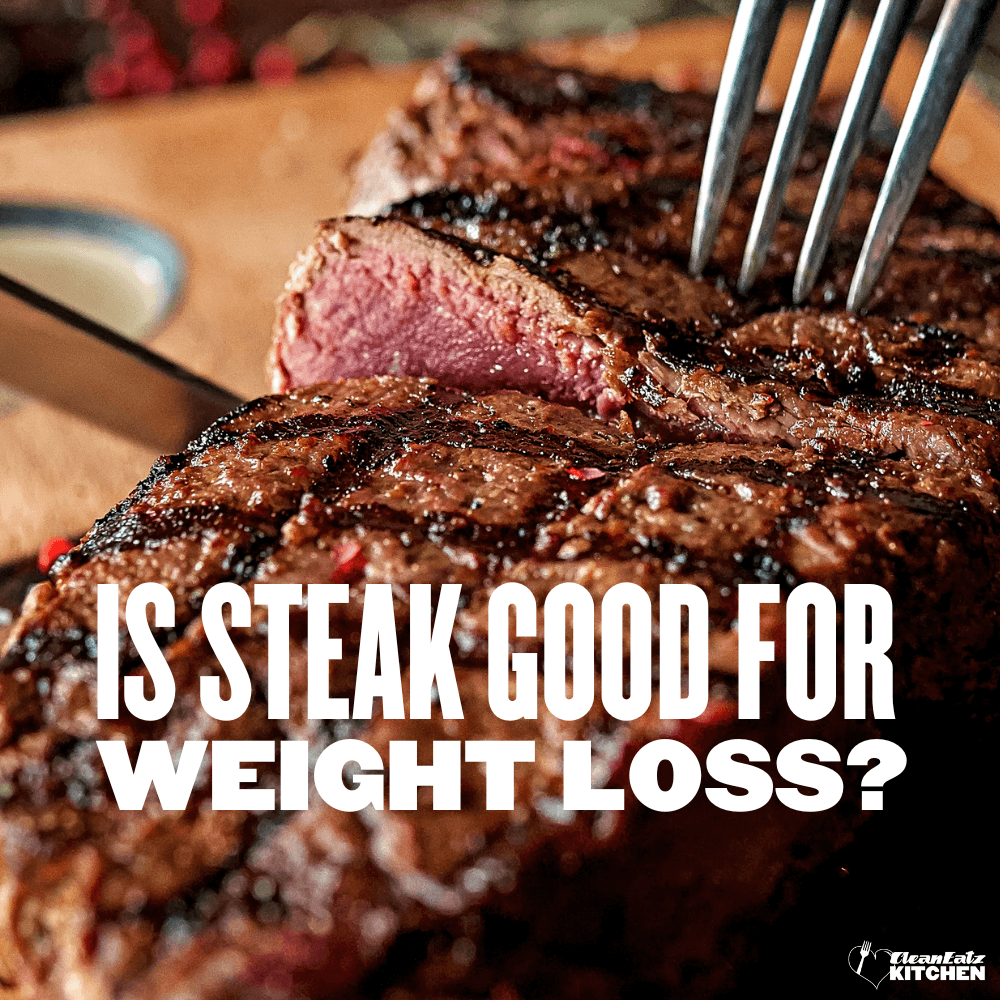
Quick Answer: Yes—steak can be a smart option for weight loss when you choose lean cuts (like top round, eye of round, top sirloin, sirloin tip, or tenderloin), keep portions around 4–6 oz cooked, and build a full plate with vegetables. Lean steak is high in complete protein, which supports fullness and helps preserve muscle during fat loss. The biggest “make-or-break” factors are cut selection, portion size, and cooking method.
Why Steak Can Support Weight Loss
Steak isn’t a magic weight-loss food—but it can fit well into a fat-loss plan because it makes meals feel satisfying. When you’re trying to lose weight, the biggest challenge is often consistency: staying in a calorie deficit without feeling like you’re constantly “dieting.” Lean steak helps because it delivers a lot of protein per serving and tends to be very filling.
Protein helps with fullness (and fewer snack attacks)
Protein is the most filling macronutrient for many people. A lean steak dinner with vegetables usually keeps you satisfied longer than a meal built mostly around refined carbs or low-protein options. That “stay full longer” effect can make it easier to stay within your calorie target over the day.
Protein supports muscle during weight loss
When calories are lower, your body can lose both fat and lean tissue. Getting enough protein—especially from complete protein sources—helps support muscle retention while you lose weight. That matters because maintaining muscle supports strength, performance, and long-term weight maintenance. For more on protein needs during weight loss, check out our guide on high protein meal planning.
Steak is nutrient-dense when calories are limited
Lean beef also contributes nutrients like iron, zinc, and vitamin B12. You don’t need to treat any single food like a “superfood,” but choosing foods that offer protein plus important nutrients can be helpful when you’re cutting calories.
Best Lean Steak Cuts For Weight Loss
Not all steaks are created equal. The difference between a lean cut and a heavily marbled cut can be significant for calories and fat—especially when portions creep up.
Below is a practical guide to lean-to-higher-fat cuts. Numbers are approximate and can vary by grade, trimming, and preparation.
| Cut (4 oz cooked) | Calories | Protein | Fat | Best For |
|---|---|---|---|---|
| Eye of Round | ~170–200 | ~30–33g | ~4–7g | Very lean, budget-friendly |
| Top Round | ~180–210 | ~30–33g | ~5–8g | Lean + versatile |
| Sirloin Tip | ~190–220 | ~28–31g | ~6–9g | Stir-fries, thin-sliced meals |
| Top Sirloin | ~200–240 | ~26–30g | ~8–12g | Best “everyday” balance |
| Tenderloin (Filet) | ~220–260 | ~24–28g | ~10–14g | Very tender, occasional splurge |
| Strip Steak | ~240–280 | ~24–28g | ~12–16g | More marbling, treat cut |
| Ribeye | ~300–380 | ~22–26g | ~22–28g | Rich, occasional meal |
Your best “go-to” picks
Top sirloin: the sweet spot for most people—lean enough for calorie control, flavorful enough to feel satisfying.
Top round / eye of round: very lean and affordable; best when cooked carefully and sliced thin.
Sirloin tip: great for bowls and stir-fries when thin-sliced against the grain.
Grass-fed vs. grain-fed
Grass-fed beef may have small differences in fat profile, but for weight loss, cut choice and portion size matter far more than feed type. Choose what fits your budget and preferences, and focus on lean cuts.
How to Buy Steak Without Overpaying
Steak shopping can feel intimidating, but you don’t need a butcher-level education to buy well.
At the grocery store: what to look for
Cut name first: aim for top sirloin, top round, eye of round, or sirloin tip.
Marbling: for weight loss meals, look for less visible fat running through the meat.
Packaging and date: choose well-sealed packages and check the sell-by/use-by date.
Color: beef color can vary depending on oxygen exposure and packaging—use date, packaging integrity, and smell/texture as your real quality checks.
At the butcher counter: exactly what to say
Don't be shy about asking for exactly what you want. Here's what to say:
“Could I get a top sirloin steak, about 5–6 ounces, cut around 1 inch thick?”
That helps you avoid oversized portions and makes cooking easier.
Buying in bulk
When lean cuts go on sale, buy several and freeze individually. Wrap tightly, place in a freezer bag, label with the date, and freeze flat for faster thawing later.
Portion Sizes That Actually Work
Restaurant portions have warped what people consider “normal.” A steakhouse serving (10–16 oz) is often 2–3 portions.
A practical target
4–6 oz cooked is a great range for many people trying to lose weight.
If you’re larger, very active, or lifting regularly, 6–8 oz cooked may make sense—depending on your calorie and protein targets.
Easy visual cues (approx.)
5 oz cooked steak ≈ the size of your palm (not including fingers)
5 oz ≈ about 1.5 decks of cards
If you can, weigh portions a few times at home just to calibrate. You don’t need to do it forever—just long enough to get your “eye” trained.
How to Cook Lean Steak So It Stays Tender
Lean steak can be excellent—if you cook it correctly. Most “steak is dry” complaints come down to overcooking, skipping rest time, or slicing the wrong way.
The Golden Rules
Rule #1: Don't overcook it. Lean cuts taste best at medium or below. For cuts like top round or sirloin tip, aim for medium-rare (130-135°F internal temperature). Get an instant-read thermometer. They cost $10-15 and they'll change your steak game completely.
Rule #2: Pull it early. Remove the steak from heat about 5 degrees before your target temperature. It will continue cooking while it rests (carryover cooking). So if you want 135°F, pull it at 130°F.
Rule #3: Let it rest. After cooking, let the steak sit for 5-10 minutes before cutting into it. This lets the juices redistribute throughout the meat. If you cut immediately, all those juices run out onto your plate and your steak ends up dry.
Rule #4: Slice against the grain. Look at the muscle fibers running through the meat. Slice perpendicular to those lines. This shortens the fibers and makes each bite more tender. For tough cuts like flank steak, this is absolutely critical.
Marinade Magic
Marinades do two things: add flavor and tenderize the meat. The acid in marinades (vinegar, citrus, wine, yogurt) helps break down tough muscle fibers.
Basic marinade formula:
• 2 tablespoons olive oil
• 2 tablespoons acid (balsamic vinegar, red wine, lime juice)
• 2 cloves garlic, minced
• 1 teaspoon salt
• 1/2 teaspoon black pepper
• Optional: herbs, spices, hot sauce
Marinate for at least 30 minutes, or up to 24 hours in the refrigerator. Don't go longer than 24 hours—the acid will start to make the exterior mushy.
Cooking Methods
Pan-searing (Best for steaks 1-1.5 inches thick): Heat a cast iron or heavy skillet over medium-high heat. Add a small amount of oil. When the oil shimmers, add the steak and don't touch it for 3-4 minutes. Flip once, cook another 3-4 minutes. Simple and effective.
Reverse-sear (Best for thick cuts): Cook the steak in a low oven (275°F) until it's about 10-15 degrees below your target temperature. Then sear it hard in a screaming hot skillet for 1-2 minutes per side. You get a perfect crust and an evenly cooked interior with no gray band of overcooked meat.
Grilling: Preheat your grill to high. Oil the grates. Grill 3-4 minutes per side for medium-rare, depending on thickness. Use a thermometer—don't guess.
Broiling: Position your oven rack about 6 inches from the broiler. Preheat the broiler. Put the steak on a broiler pan or wire rack set over a baking sheet. Broil 4-5 minutes per side, checking temperature frequently.
Perfect Pan-Seared Lean Steak Recipe
Ingredients:
• 1 lean steak (5-6 oz) - top sirloin, tenderloin, or top round
• 1 tablespoon olive oil
• Salt and black pepper to taste
• 2 cloves garlic, minced
• 1 tablespoon balsamic vinegar (optional, for marinade)
Instructions:
1. Remove steak from refrigerator 20-30 minutes before cooking. Pat completely dry with paper towels. Season both sides generously with salt and pepper.
2. If using marinade: Combine olive oil, balsamic vinegar, and garlic. Marinate steak for at least 30 minutes at room temperature or up to 24 hours in the refrigerator.
3. Heat a cast iron skillet or heavy pan over medium-high heat. Add olive oil (if not using marinade).
4. When oil shimmers and is just starting to smoke, carefully add the steak. Don't move it. Let it sear for 3-4 minutes.
5. Flip the steak once. Add minced garlic to the pan around (not on top of) the steak. Cook another 3-4 minutes for medium-rare.
6. Check internal temperature with an instant-read thermometer. Pull at 130°F for medium-rare (it will rise to 135°F while resting).
7. Transfer steak to a cutting board and let rest 5-10 minutes.
8. Slice against the grain into strips if desired. Serve immediately.
Nutrition (approximate): 250-300 calories | 35-40g protein | 12-15g fat | 1g carbs
Complete Meal Ideas (With Calorie Counts)
Steak alone isn't a meal. Here's how to build complete, balanced plates that support weight loss. For more meal inspiration, check out our weight loss meal plan ideas.
Classic Steak Dinner (450-550 calories)
• 5 oz grilled top sirloin (270 cal)
• 1 cup roasted broccoli with 1 tsp olive oil (60 cal)
• 1 cup roasted Brussels sprouts (55 cal)
• 1/2 cup roasted sweet potato (90 cal)
• Fresh herbs and lemon for finishing
Steak Salad Bowl (400-500 calories)
• 4 oz sliced top round (200 cal)
• 3 cups mixed greens (30 cal)
• 1/2 cup cherry tomatoes (15 cal)
• 1/4 cucumber, sliced (10 cal)
• 1/4 avocado, sliced (60 cal)
• 2 tbsp balsamic vinaigrette (50 cal)
• 1/4 cup chickpeas (70 cal)
Steak Taco Bowl (500-600 calories)
• 5 oz sliced sirloin tip, seasoned with cumin and chili powder (250 cal)
• 1/2 cup cilantro-lime cauliflower rice (30 cal)
• 1/2 cup black beans (110 cal)
• 1/4 cup pico de gallo (10 cal)
• 2 tbsp plain Greek yogurt (20 cal)
• 1 oz reduced-fat cheese (60 cal)
• Lime wedges and cilantro
Steak Stir-Fry (450-550 calories)
• 5 oz sirloin tip, sliced thin (250 cal)
• 2 cups mixed stir-fry vegetables (bell peppers, snap peas, broccoli) (80 cal)
• 1 tbsp low-sodium soy sauce (10 cal)
• 1 tsp sesame oil (40 cal)
• 2/3 cup cooked jasmine rice (140 cal)
• Fresh ginger and garlic for flavor
Meal Prep Protein Bowl (500-600 calories)
• 5 oz grilled top sirloin (270 cal)
• 1 cup roasted asparagus (40 cal)
• 1/2 cup quinoa (110 cal)
• 1/2 cup roasted butternut squash (40 cal)
• 2 tbsp tahini dressing (90 cal)
• Fresh parsley and lemon
Pro tip: Batch cook 3-4 steaks on Sunday and use them throughout the week in different meals.
Flavor Variations to Keep It Interesting
Eating the same seasoned steak every week gets boring. Here are simple flavor variations that don't add significant calories:
Chimichurri Steak: Top with fresh chimichurri (parsley, cilantro, garlic, red wine vinegar, olive oil). Use 2 tablespoons for about 50 calories of bright, herby flavor.
Asian-Inspired: Marinate in soy sauce, rice vinegar, ginger, garlic, and a touch of sesame oil. Finish with sliced green onions and sesame seeds.
Coffee-Crusted: Make a dry rub with finely ground coffee, smoked paprika, brown sugar, salt, and pepper. The coffee creates an amazing crust and pairs surprisingly well with beef.
Mediterranean: Season with oregano, thyme, lemon zest, and garlic. Serve with a side of tzatziki made with Greek yogurt (watch the portion—2 tablespoons is about 30 calories).
Southwest: Rub with chili powder, cumin, garlic powder, and smoked paprika. Top with fresh pico de gallo and a squeeze of lime.
Herb Butter (Portion Controlled): Mix 1 tablespoon softened butter with fresh herbs (parsley, thyme, garlic). Shape into a log, freeze, and slice thin. One thin pat (about 1 teaspoon) on top of hot steak is 35 calories and adds incredible flavor.
Common Mistakes (and Easy Fixes)
Mistake: Choosing a fatty cut for “everyday” weight loss meals
Fix: Keep ribeye/strip for occasional meals; use lean cuts most of the time.Mistake: Overcooking lean steak
Fix: Pull earlier + rest; use a thermometer for consistency.Mistake: Portion creep
Fix: Aim for 4–6 oz cooked and build the plate with vegetables.Mistake: Calorie-heavy add-ons (creamy sauces, large butter portions)
Fix: Lean on herbs, spices, citrus, salsa, chimichurri (measured).Mistake: Skipping vegetables
Fix: Make half your plate non-starchy veggies for volume and fiber.
Food Safety Tips for Steak
Food safety depends on handling + storage + cooking.
Storage
Refrigerate promptly and keep steak in the coldest part of your fridge.
Use within a few days or freeze for longer storage.
Thawing
Best: thaw in the refrigerator overnight
Fast: sealed bag in cold water (change water every 30 minutes)
Avoid thawing on the counter.
Safe cooking temperatures (important)
Many guidelines recommend 145°F with a 3-minute rest as the safe standard for whole cuts of beef (this typically lands around medium). Medium-rare (130–135°F) is a tenderness preference and may not meet that standard. If you choose a lower doneness, reduce risk by buying from a reputable source, keeping steak properly refrigerated, preventing cross-contamination, and avoiding lower doneness for higher-risk groups (pregnant, older adults, immunocompromised).
Frequently Asked Questions
Is steak good for weight loss?
Yes—lean steak can fit well into a weight loss plan when you choose the right cut, keep portions around 4–6 oz cooked, and pair it with vegetables.
What are the leanest steak cuts for weight loss?
Top round, eye of round, sirloin tip, top sirloin, and tenderloin are commonly among the leaner options.
How much steak should I eat for weight loss?
A practical starting point is 4–6 oz cooked per meal. Adjust based on your calorie needs, activity level, and protein target.
Is ribeye bad for weight loss?
Not “bad,” but it’s higher in fat and calories, so it’s easier to overshoot your target. Consider it an occasional meal and keep portions moderate.
How do I cook lean steak so it isn’t tough?
Avoid overcooking, rest before slicing, and slice against the grain. For tougher lean cuts, a short marinade can help.
The Bottom Line
So, is steak good for weight loss? Yes—when you do it the smart way. Choose lean cuts (like top sirloin, top round, eye of round, or tenderloin), keep portions around 4–6 oz cooked, and build the rest of your plate with vegetables (plus a small carb portion if it fits your goals). Steak’s biggest advantage is satisfaction: it’s high in protein, helps you stay full, and can make your plan easier to stick with.
Want to make it even simpler? Clean Eatz Kitchen’s weight-loss meal plan takes care of portions and balance for you—so you can stay consistent without spending your week cooking. And if protein is your top priority, the High Protein Meal Plan helps you hit your target with meals that are ready when you are.
Disclaimer: This article is for educational purposes only and does not replace medical or personalized nutrition advice.