Last updated: February 7, 2026
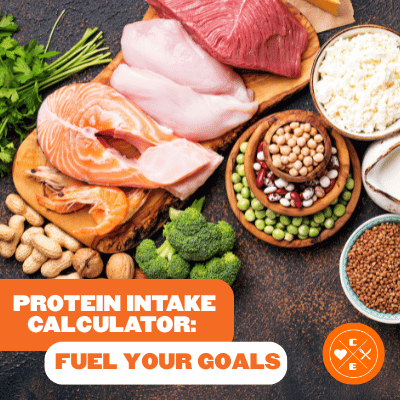
Protein Intake Calculator: Fuel Your Goals
Quick answer: The 2025–2030 Dietary Guidelines for Americans (DGAs) recommendation is 1.2 to 1.6 grams of protein per kilogram of body weight. Use the calculator below to get a target, then spread protein over 3–5 eating occasions (typically 20–40 g each) for better fullness, recovery, and body-composition results.
How to Use the Calculator
- Choose your goal: fat loss, maintenance, or muscle gain. (Fat loss often benefits from the higher end of the protein range for fullness.)
- Enter body weight (lb or kg). If you’re far from your goal weight, target protein to a goal weight for a steadier number.
- Pick meal count: the tool will suggest a per-meal target (e.g., 140 g/day → ~35 g across 4 meals).
- Save your number and use the food list below to build meals that hit it consistently.
New to calorie targets? Pair this with our Calorie Calculator to set an overall plan.
Protein Ranges by Goal & Body Size
These are typical daily ranges; personalize with the calculator and your clinician as needed.
| Goal | Daily target (per lb) | Daily target (per kg) | Notes |
|---|---|---|---|
| Fat loss | ~0.7–1.0 g/lb | ~1.6–2.2 g/kg | Higher protein helps fullness & muscle retention. |
| Maintenance | ~0.6–0.8 g/lb | ~1.3–1.7 g/kg | Solid baseline for health & recovery. |
| Muscle gain | ~0.8–1.0 g/lb | ~1.8–2.2 g/kg | Combine with a slight calorie surplus + strength training. |
How Much Protein Per Meal?
Most people feel and perform best with ~20–40 g protein per eating occasion. Use this table to divide your daily total:
| Daily total | 3 meals | 4 meals | 5 meals |
|---|---|---|---|
| 100 g | ~33 g | ~25 g | ~20 g |
| 120 g | ~40 g | ~30 g | ~24 g |
| 140 g | ~47 g | ~35 g | ~28 g |
| 160 g | ~53 g | ~40 g | ~32 g |
High-Protein Foods (Typical Grams per Serving)
Numbers are common label values; brands vary—always check your package.
| Food | Serving | Protein | Notes |
|---|---|---|---|
| Chicken breast (cooked) | 4 oz | ~34–36 g | Lean, versatile |
| Salmon (cooked) | 6 oz | ~34–38 g | Protein + omega-3s |
| Tuna (canned/pouch) | 3 oz | ~20–22 g | Budget-friendly |
| Shrimp (cooked) | 6 oz | ~32–36 g | Very lean |
| Eggs | 2 large | ~12 g | Add egg whites to boost protein |
| Egg whites | 1 cup (liquid) | ~24–26 g | Zero fat |
| Greek yogurt, plain | ¾–1 cup (170–227 g) | ~15–20 g | Great for bowls & sauces |
| Cottage cheese | 1 cup | ~24–28 g | Bedtime snack option |
| Tofu (extra-firm) | 7–8 oz | ~20–25 g | Press for better texture |
| Tempeh | 3 oz | ~16–18 g | Fermented soy; nutty |
| Edamame | 1 cup | ~17 g | Easy freezer staple |
| Beans/lentils (cooked) | 1 cup | ~14–18 g | Pair with grains for a complete profile |
| High-protein pasta | 2 oz dry | ~20–24 g | Chickpea/lentil or enriched |
| Protein powder | 1 scoop | ~20–30 g | Check label; great in overnight oats |
| Protein bar | 1 bar | ~15–20 g | Read calories/fiber carefully |
Workout Timing & Distribution
- Even spread: aim for 3–5 protein hits/day rather than one huge serving.
- Training days: include a protein-rich meal or shake within a couple of hours after lifting or skating/cycling. See roller skating workouts and elliptical guide.
- Evening: cottage cheese or Greek yogurt can support overnight satiety and recovery.
Special Considerations
- Older adults: consider the higher end of the range to support muscle maintenance.
- Vegetarian/vegan: you can absolutely hit targets—use tofu, tempeh, edamame, beans/lentils, soy yogurt, high-protein pasta, and fortified alternatives. See beans guide.
- High blood pressure / sodium: lean toward unsalted or low-sodium proteins; flavor with herbs/acid; see our electrolyte guide.
- Kidney disease, pregnancy/lactation, or other medical conditions: personalize protein with your clinician; this page is general info.
Troubleshooting: Hitting Your Number (Even When Busy)
- Low appetite mornings: smoothie with a scoop of protein + fruit + Greek yogurt; or eggs + egg whites.
- Lunch crunch: keep ready proteins (tuna pouches, rotisserie chicken, tofu cubes) and assemble bowls (veg + rice or high-protein pasta) with a yogurt-based sauce.
- After work, tired: lean on our High-Protein Box or Build-a-Meal Plan to remove decision fatigue.
- Budget: eggs, canned tuna/salmon, bulk Greek yogurt, dry beans/lentils, edamame, and high-protein pasta are excellent per-dollar picks.
Related Reading
- Are Protein Bars Good for Weight Loss?
- Healthy Food Alternatives (Smart Swaps)
- Best Healthy Dinner Recipes
- Is Oatmeal Good for Weight Loss?
- Is Rice Good for Weight Loss?
- Calorie Calculator: Find Your Daily Needs
FAQs
How much protein should I eat per day?
The 2025–2030 Dietary Guidelines for Americans (DGAs) recommendation is 1.2 to 1.6 grams of protein per kilogram of body weight. Choose the low end for maintenance, higher for fat loss or muscle gain—then personalize with the calculator.
How much can I use per meal—do I “max out” at 30 g?
You’ll absorb what you eat. Muscle-building signals tend to level off somewhere around ~40 g for most adults per meal; extra still contributes to daily needs and other tissues.
Do I need protein shakes?
No, but they’re convenient. Whole foods + an optional scoop of protein powder can make hitting your number much easier on busy days.
Is high protein bad for kidneys?
For healthy adults, research generally supports higher-protein diets within the ranges above. If you have kidney disease or risk factors, follow personalized medical advice.
What if I’m losing weight and feel hungry?
Increase protein and veggie volume, add fruit, and confirm your calorie deficit isn’t too aggressive. Use the Calorie Calculator for tuning.
Disclaimer: This content is general information and not medical advice. If you have medical conditions or specialized nutrition needs, work with your clinician.
References
- MedlinePlus: Protein
- USDA FoodData Central (typical protein values)
- CDC: Adult Physical Activity Basics
Disclaimer: This content is provided for informational use only and is not intended as medical advice or as a substitute for the medical advice of a healthcare professional.