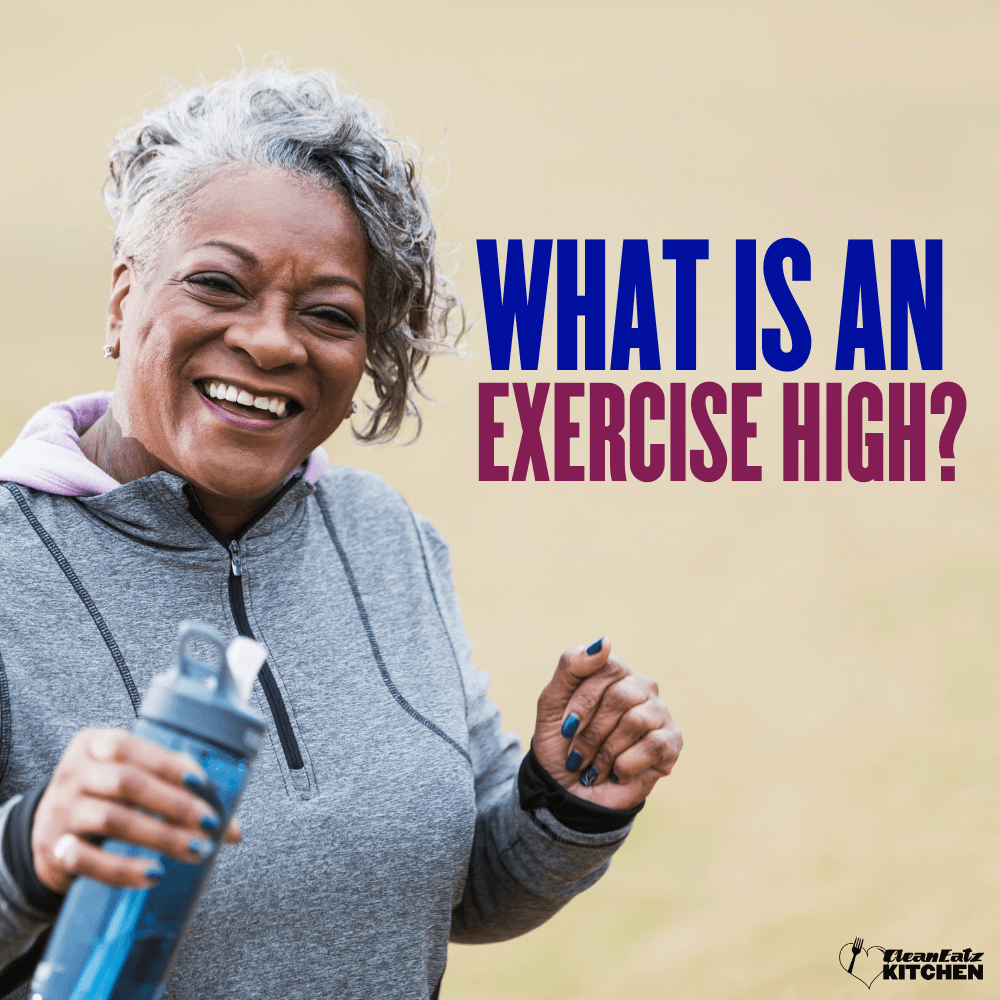

Quick Answer: An exercise high (often called a "runner's high") is the euphoric, calm, and reduced-anxiety feeling that can occur during or after sustained physical activity. While it was once attributed primarily to endorphins, emerging research suggests that endocannabinoids—naturally occurring compounds produced by the body that are similar to those found in cannabis—play a major role in this phenomenon. A 2021 study found that blocking opioid receptors did not eliminate exercise-induced euphoria, supporting the idea that endocannabinoids may be more directly involved. Moderate-intensity exercise has also been shown to increase circulating endocannabinoid levels in some studies. To increase your chances of experiencing an exercise high, aim for at least 20-45 minutes of moderate-intensity exercise, stay consistent with your workouts, and prioritize adequate sleep, hydration, and recovery.
Table of Contents
- Introduction: That Post-Workout Glow Is Real—And Science Can Explain It
- What Exactly Is an Exercise High?
- The Real Science: Why It's Endocannabinoids, Not Endorphins
- How to Trigger an Exercise High (Intensity, Duration & Activities)
- Exercise and Mental Health: Beyond the High
- Why You Might Not Be Feeling It (And How to Fix It)
- 5 Workouts Designed to Trigger an Exercise High
- Nutrition Strategies That Support Exercise Euphoria
- 6 Mistakes That Block the Exercise High
- Frequently Asked Questions
- The Bottom Line
Complete Exercise Guide.
Get our free guide — all the info you need on exercising, all in one place.
Introduction: That Post-Workout Glow Is Real—And Science Can Explain It
You've probably heard someone describe it: that blissful feeling after a good run where the world seems brighter, stress melts away, and you feel calm yet energized. Maybe you've felt it yourself—that moment when your legs stop burning, your breathing finds a rhythm, and suddenly you feel like you could run forever.
For decades, endorphins were considered the main explanation for this phenomenon. However, more recent research has refined this view, suggesting that while endorphins contribute to certain exercise-related effects, they do not fully explain the feelings of euphoria, calmness, and reduced anxiety commonly associated with an exercise high.
Recent neuroscience research has flipped our understanding upside down. The real stars of the exercise high? Endocannabinoids—your body's own cannabis-like compounds. Yes, exercise literally produces natural substances similar to what makes marijuana create its effects. And unlike endorphins, these compounds can actually reach your brain to create that euphoric, anxiety-free feeling.
Understanding the real science doesn't just satisfy curiosity—it helps you train smarter. When you know what triggers the exercise high, you can adjust your workouts to make it more likely to happen. This guide breaks down the latest research, gives you specific protocols, and helps you troubleshoot if you're not experiencing it.
Let's dive into the fascinating neuroscience of why exercise makes you feel so good.
What Exactly Is an Exercise High?
The exercise high (often called "runner's high," though it applies to many activities) is a temporary psychological state characterized by several distinct feelings:
The Four Core Features
- Euphoria: A sense of well-being, happiness, and sometimes even elation that feels different from normal good moods
- Anxiolysis (reduced anxiety): Worries fade into the background; the mental chatter quiets
- Analgesia (reduced pain): Physical discomfort diminishes; you may feel like you could keep going indefinitely
- Sedation/calm: Despite physical exertion, a sense of relaxed contentment sets in
Some researchers also include a "lost sense of time" and "effortless movement" as additional features. Athletes often describe entering a "flow state" where action and awareness merge, and the activity feels automatic.
How It Actually Feels
People describe the exercise high in different ways:
- "Everything just clicked—my legs felt lighter, breathing got easier, and I felt amazing"
- "It's like a calm wave washes over you while you're still moving"
- "The stress I walked in with completely disappeared by mile 3"
- "I finish my workout feeling more relaxed than when I started, even though I worked hard"
Not Everyone Experiences It
Not everyone experiences an exercise high. Research suggests that individual responses to exercise can vary considerably, with factors such as exercise intensity, duration, fitness level, genetics, and neurobiology likely influencing whether someone experiences feelings of euphoria or reduced anxiety during or after exercise.
The good news? Even if you don't experience the dramatic euphoria, you still get significant mental health benefits from regular exercise.
The Real Science: Why It's Endocannabinoids, Not Endorphins
For over 40 years, the "endorphin hypothesis" dominated explanations of the exercise high. Studies in the 1980s found that endorphin levels increased during running, and the theory stuck. There was just one problem: it never made much sense.
The Problem with Endorphins
Endorphins are opioid peptides that bind to the same receptors as opioid drugs such as morphine. Researchers have long known that endorphin levels increase during exercise. However, endorphins do not readily cross the blood-brain barrier, which has led scientists to question whether they are solely responsible for the feelings of euphoria commonly associated with an exercise high.
The blood-brain barrier is a selective membrane that protects your brain from harmful substances in your bloodstream. Endorphins are hydrophilic (water-loving) molecules that are too large and polar to pass through efficiently. So even though peripheral endorphin levels rise during exercise, very little of that reaches your actual brain tissue where it could affect mood.
Additionally, some studies have found that blocking opioid receptors with drugs such as naltrexone did not eliminate the mood-enhancing effects of exercise. These findings suggest that endorphins alone do not fully explain the feelings of euphoria and reduced anxiety associated with an exercise high and have contributed to growing interest in the role of the endocannabinoid system.
Enter the Endocannabinoids
In the 1990s, scientists discovered endocannabinoids—your body's internal cannabis-like compounds. The main ones are anandamide (from the Sanskrit word for "bliss") and 2-AG (2-arachidonoylglycerol). These bind to the same CB1 and CB2 receptors that THC from marijuana targets.
Crucially, endocannabinoids are lipophilic (fat-loving). They pass through the blood-brain barrier easily, making them perfect candidates to explain brain effects of exercise.
The Landmark Research
A 2015 study published in PNAS provided breakthrough evidence using mice. Researchers found that:
- Running significantly increased blood levels of endocannabinoids
- Mice who ran showed reduced anxiety and pain sensitivity
- Blocking cannabinoid receptors eliminated these benefits
- Blocking opioid receptors (endorphins) did NOT eliminate the benefits
A follow-up 2021 human study found that blocking opioid receptors with naltrexone before endurance exercise did not eliminate exercise-induced feelings of euphoria and reduced anxiety. These findings suggest that endorphins alone do not fully explain the exercise high and support the growing body of research investigating the role of the endocannabinoid system in exercise-induced mood enhancement.
The study authors concluded that endorphins are unlikely to be the primary drivers of the runner’s high. While they do increase during exercise and contribute to pain modulation, their limited ability to cross the blood–brain barrier makes them less likely to explain the central feelings of euphoria and calm. Instead, endocannabinoids appear to play a more direct and central role.
The Intensity Factor
Emerging research suggests that moderate-intensity exercise may stimulate greater endocannabinoid activity than lower-intensity exercise, which could contribute to the mood-enhancing effects often associated with an exercise high.
How to Trigger an Exercise High (Intensity, Duration & Activities)
Now that we understand the mechanism, let's get practical. Here's how to maximize your chances of experiencing an exercise high:
Optimal Intensity: The Sweet Spot
Research suggests that moderate-intensity exercise—often falling around 70–85% of maximum heart rate—is associated with greater increases in endocannabinoid levels than lower-intensity exercise. This intensity range may help support the mood-enhancing effects commonly associated with an exercise high. Moderate-intensity exercise is considered:
- RPE: 5–6 out of 10 (sometimes 5–7 depending on the scale used)
- Talk test: You can talk, but not sing.
- Breathing: Noticeably increased but still comfortable and controlled.
- Feel: Challenging but sustainable for an extended period.
To calculate your target heart rate zone:
- Estimate max heart rate: 220 minus your age
- 70% of max: (220 - age) × 0.70
- 85% of max: (220 - age) × 0.85
Example for a 35-year-old: Max HR ≈ 185 bpm. Target zone: 130-157 bpm.
Some research suggests that moderate-intensity exercise (often around 70-85% of maximum heart rate) is more consistently associated with exercise-induced endocannabinoid responses than very high-intensity exercise. Exercising above this range may not produce the same mood-enhancing effects in everyone and could increase physiological stress responses in some individuals.
Optimal Duration: How Long Is Enough?
Research suggests that exercise duration may play a role in the likelihood of experiencing an exercise high. Studies examining endocannabinoid responses have commonly used moderate-intensity exercise sessions lasting approximately 20–45 minutes, although individual responses can vary. Here's the breakdown:
| Duration | Potential Effects |
|---|---|
| 5-10 minutes | Mood may begin to improve |
| 10-20 minutes | Physiological responses to exercise continue to develop. |
| 20-45 minutes | Moderate-intensity exercise in this duration range has been used in studies examining endocannabinoid responses. |
| 45+ minutes | Mood-enhancing effects may continue for some individuals, though responses vary considerably. |
The key insight: push through the first 15-20 minutes. Many people quit before the magic happens because the beginning of exercise often feels harder than the middle or end.
Best Activities for Triggering an Exercise High
While "runner's high" gets most of the attention, research suggests that a variety of sustained, moderate-intensity aerobic activities may increase endocannabinoid levels and promote positive mood changes. The most important factors appear to be exercise intensity and duration rather than the specific activity itself.
Activities that may support the mood-enhancing effects associated with an exercise high include:
- Running or jogging
- Cycling
- Swimming
- Rowing
- Elliptical training
- Brisk walking or hiking
- Dance or aerobic exercise classes
- Other forms of sustained cardiovascular exercise
Many studies examining exercise-induced endocannabinoid responses have used moderate-intensity exercise sessions lasting approximately 20 to 45 minutes, although individual responses may vary.
For a complete breakdown of cardio options and their effectiveness for different goals, see our Complete Exercise Guide for Weight Loss.
Exercise and Mental Health: Beyond the High
The exercise high is dramatic when it happens, but the mental health benefits of regular exercise go far beyond chasing that euphoric feeling.
Exercise vs. Medication
Several studies suggest that regular physical activity can be an effective strategy for improving symptoms of mild to moderate depression in some individuals. Exercise should be viewed as a complementary strategy and not a replacement for medical or psychological care when these are clinically indicated.
Research has also shown that regular physical activity is associated with a lower risk of developing depression and anxiety disorders over time. Even short bouts of exercise may provide meaningful psychological benefits. According to the Anxiety and Depression Association of America, as little as 10 minutes of aerobic exercise may help improve mood and reduce anxiety symptoms in some individuals.
Why Exercise Helps Anxiety and Depression
Beyond endocannabinoids, exercise affects mental health through multiple pathways:
- Neurotransmitter balance: Exercise increases serotonin, dopamine, and norepinephrine—the same systems targeted by antidepressants
- Stress hormone regulation: Regular exercise helps normalize the cortisol response to stress
- Neuroplasticity: Exercise promotes growth of new brain cells and connections, particularly in the hippocampus (involved in mood regulation)
- Inflammation reduction: Chronic inflammation is linked to depression; exercise has anti-inflammatory effects
- Self-efficacy: Completing workouts builds confidence and sense of control
- Sleep improvement: Better sleep supports better mood (more on this in our sleep and health guide)
How much exercise do you need for mental health benefits? Research suggests:
- Minimum effective dose: As little as 10-20 minutes of moderate physical activity may improve mood and reduce feelings of anxiety.
- Optimal range: Regular moderate exercise (approximately 30-60 minutes on most days of the week) is consistently associated with significant mental health benefits.
- More isn't always better: Extremely high volumes of exercise do not necessarily provide greater mental health benefits and may not be appropriate or sustainable for everyone.
- Consistency matters most: Regular, moderate exercise appears to provide greater long-term benefits than sporadic bouts of intense physical activity.
Research suggests that moderate-intensity exercise may be particularly effective for reducing anxiety in the short term, although individual responses can vary. Going all-out can temporarily increase stress hormones and arousal, which may counteract the calming effects.
Why You Might Not Be Feeling It (And How to Fix It)
If you exercise regularly but never seem to experience the exercise high, several factors could be at play:
1. Intensity Is Too Low
The Problem: Research suggests that moderate-intensity exercise is more consistently associated with increases in endocannabinoid levels than lower-intensity exercise. If your workouts are very light, you may be less likely to experience the mood-enhancing effects commonly associated with an exercise high.
The Fix: Aim for a moderate-intensity workout that feels challenging but sustainable. In many studies, this corresponds to approximately 70-85% of maximum heart rate. A simple way to gauge intensity is the talk test—you should be able to speak in short sentences but not comfortably carry on a lengthy conversation.
2. Duration Is Too Short
The problem: Research suggests that sustained moderate-intensity exercise may be more likely to produce the mood-enhancing effects associated with an exercise high. Many studies have examined exercise sessions lasting approximately 20-45 minutes.
The fix: Commit to at least 25-30 minutes before judging how you feel. The first 10-15 minutes often feel hardest; things typically get easier after that.
3. Chronic Stress Is Dulling the Response
The problem: Research shows chronic stress can downregulate the endocannabinoid system. Chronic stress may alter endocannabinoid signaling and influence mood regulation.
The fix: Address stress through multiple channels: improve sleep quality, practice relaxation techniques, and reduce unnecessary stressors. Regular exercise itself helps, but you may need patience as your system recalibrates.
4. Sleep Deprivation
The problem: Adequate sleep is important for overall mood regulation and may influence several of the physiological systems involved in the psychological benefits of exercise.
The fix: Prioritize sleep. See our comprehensive guide on the importance of sleep for health.
5. Dehydration or Under-Fueling
The problem: Exercising in a depleted state can make you feel terrible instead of euphoric.
The fix: Proper hydration and adequate nutrition support exercise performance and recovery, which may influence how you feel during and after exercise. For guidance on exercise nutrition timing, see our fasted exercise guide.
6. Individual Genetic Variation
The reality: Some people simply have different numbers or sensitivities of cannabinoid receptors. Not everyone will experience a dramatic euphoric high, and that's normal.
The reframe: Focus on the benefits you DO feel—reduced stress, better sleep, improved energy, clearer thinking. These may be more subtle than dramatic euphoria but are equally valuable.
5 Moderate-Intensity Workouts to Support Exercise-Induced Mood Benefits
These sessions are structured specifically to maximize your chances of experiencing an exercise high. Each keeps you in the optimal intensity zone for long enough to trigger endocannabinoid release.
1. The Classic Steady-State Run (30-40 minutes)
How to do it:
- 5-minute easy warm-up walk/jog
- 20-30 minutes at conversational pace to "comfortably hard" (RPE 6-7)
- 5-minute easy cool-down walk
Why it works: This is the most researched protocol for runner's high. The key is finding a pace you can sustain—hard enough to elevate heart rate but not so hard you're suffering. Moderate-intensity running is one of the most commonly studied forms of exercise in the exercise endocannabinoid literature.
2. Rhythm Intervals on Elliptical/Bike (35-40 minutes)
How to do it:
- 5-minute easy warm-up
- 5 rounds of: 4 minutes moderate-hard (RPE 7) + 2 minutes easy (RPE 5)
- 5-minute cool-down
Why it works: The intervals prevent boredom and keep you engaged.
3. Brisk Walk with Power Surges (45-50 minutes)
How to do it:
- 5-minute normal-pace warm-up
- 35 minutes brisk walking with 30-second "power walk" surges every 3 minutes
- 5-minute easy cool-down
Why it works: Perfect for beginners or those returning to exercise. The brief increases in effort may help elevate exercise intensity while remaining beginner friendly. For best results, find a route with some hills.
4. Continuous Circuit Training (25-35 minutes)
How to do it:
- 5-minute dynamic warm-up (jumping jacks, high knees, arm circles)
- 4-5 rounds of:
- 45 seconds squats
- 45 seconds push-ups (incline if needed)
- 45 seconds lunges (alternating)
- 45 seconds rows/band pulls
- 45 seconds mountain climbers or marching in place
- 30 seconds rest
- 5-minute stretch cool-down
Why it works: The minimal rest keeps heart rate elevated continuously for 20+ minutes. Full-body movements engage more muscle. Continuous circuit training can provide a sustained moderate-intensity cardiovascular challenge.
5. Swim Session (30-40 minutes)
How to do it:
- 5-minute easy swimming warm-up
- 20-30 minutes continuous swimming, mixing strokes every 4-6 lengths
- 5-minute easy cool-down
Why it works: Swimming provides rhythmic, continuous movement that may offer similar mood-enhancing benefits to other forms of aerobic exercise.
Nutrition Strategies That Support Exercise Euphoria
What you eat before, during, and after exercise affects your ability to perform well and experience the mood-boosting benefits:
Pre-Workout Nutrition
Your goal: have enough energy to sustain moderate-hard effort for 30+ minutes without feeling sluggish or sick.
- 2-3 hours before: A balanced meal with complex carbs, moderate protein, lower fat (e.g., chicken with rice and vegetables)
- 1-2 hours before: A lighter snack focused on easy-digesting carbs and some protein (e.g., Greek yogurt with berries, banana with peanut butter)
- 30-60 minutes before: Small, easily digested carbs if needed (e.g., banana, toast with honey)
For specific ideas, see our guide to the 10 Best Pre-Workout Meals.
Hydration
Dehydration impairs both physical performance and mood. Drink water throughout the day, and have 8-16 oz about 30-60 minutes before exercise. For sessions over 60 minutes or in hot conditions, consider an electrolyte drink.
Post-Workout Nutrition
After your workout, nutrition supports recovery and helps maintain the positive mood effects:
- Within 30-60 minutes: Protein + carbs to support muscle recovery and replenish glycogen
- Good options: Protein shake with fruit, Greek yogurt with granola, chicken breast with sweet potato
For comprehensive post-workout nutrition guidance, see our guide to the best foods to eat after a workout.
Foods That May Support Overall Health and Endocannabinoid Function
The endocannabinoid system is influenced by omega-3 fatty acids and other nutrients:
- Omega-3 rich foods: Fatty fish (salmon, sardines), walnuts, flaxseeds, chia seeds
- Dark chocolate: Contains compounds that may enhance endocannabinoid signaling
- Black pepper: Contains beta-caryophyllene, which binds to CB2 receptors
Don't want to worry about meal planning? Our Weight Loss Meal Plan and High Protein Meal Plan provide perfectly portioned, macro-balanced meals designed to support active lifestyles.
Factors That May Influence the Mood Benefits of Exercise
Avoid these common errors that prevent people from experiencing the mood-boosting effects of exercise:
1. Stopping Too Soon
The mistake: Ending your workout at 15-20 minutes because the beginning felt hard.
Why it matters: Many studies examining exercise-induced endocannabinoid responses have used moderate-intensity exercise sessions lasting approximately 20-45 minutes.
The fix: Commit to at least 25-30 minutes. The first 10-15 minutes are often the hardest; things usually get easier after that.
2. Going Too Hard
The mistake: Thinking you need to suffer to get the benefits. Sprinting until you're gasping.
Why it matters: Very vigorous exercise may not produce the same short-term anxiety reducing effects observed with moderate-intensity exercise in some individuals.. Research shows moderate intensity produces better acute anxiety reduction than very hard intensity.
The fix: Find the "comfortably hard" zone—challenging but sustainable. You should be working but not suffering.
3. Skipping Exercise When Stressed
The mistake: Deciding you're "too stressed" to work out.
Why it matters: Regular physical activity may support stress management and improve mood, even during periods of increased stress.
The fix: Commit to at least 20 minutes. You almost never regret exercising, but you often regret skipping.
4. Training Alone When You'd Benefit from Company
The mistake: Always exercising solo when you're not feeling motivated.
Why it matters: An Oxford University study found that rowers who exercised together had significantly higher endorphin release than solo rowers. The social component may enhance enjoyment and adherence..
The fix: Try group classes, running clubs, or just having a workout buddy. The accountability and social connection can amplify benefits.
5. Exercising in a Depleted State
The mistake: Working out severely under-slept, dehydrated, or underfed.
Why it matters: Poor sleep, inadequate hydration, and insufficient nutrition can negatively affect exercise performance and how you feel during and after physical activity. You feel depleted instead of euphoric.
The fix: Get adequate sleep, hydrate well, and fuel appropriately for your workout duration and intensity.
6. Expecting Every Workout to Feel Amazing
The mistake: Getting discouraged when you don't feel a "high" every single time.
Why it matters: The exercise high isn't guaranteed every session. Many factors affect whether you experience it on any given day.
The fix: Appreciate the cumulative benefits. Every workout contributes to better mental health, whether you feel euphoric or not. The consistent benefits matter more than occasional peaks.
Frequently Asked Questions
What causes the runner's high or exercise high?
Emerging research suggests that the exercise high is primarily caused by endocannabinoids, not endorphins as previously believed. Your body produces natural cannabis-like compounds called endocannabinoids (especially anandamide) during sustained exercise. Unlike endorphins, these can cross the blood-brain barrier and directly affect brain receptors, creating feelings of euphoria, reduced anxiety, and decreased pain sensitivity.
How long do you have to exercise to get a runner's high?
Research suggests that sustained, moderate-intensity exercise sessions lasting approximately 20-45 minutes are commonly used in studies examining exercise-induced endocannabinoid responses. Individual experiences vary, and some people may notice improvements in mood with shorter bouts of physical activity.
What intensity should I exercise at to get an exercise high?
Research suggests exercising at 70-85% of your maximum heart rate has been associated with greater endocannabinoid responses in some studies for triggering endocannabinoid release. This corresponds to a Rate of Perceived Exertion (RPE) of about 6-8 out of 10—you're working hard and breathing heavy, but can still speak in short phrases. Very vigorous exercise may not produce the same short-term mood benefits in all individuals.
Do you have to run to experience an exercise high?
No. A variety of sustained, moderate-intensity aerobic activities have been associated with mood-enhancing benefits.
Why don't I feel an exercise high when I work out?
Not everyone experiences an exercise high, and individual responses vary considerably. Factors such as exercise intensity, duration, fitness level, sleep, stress, hydration, nutrition, and genetics may influence your experience.
How long does an exercise high last?
The mood-enhancing effects of exercise may last for several hours after physical activity, although the duration varies among individuals.
Is the exercise high the same as endorphins?
No. While endorphins do increase during exercise, research now shows they do not appear to fully explain the exercise high. Endorphins are too large to cross the blood-brain barrier effectively. The main drivers are endocannabinoids—your body's natural cannabis-like compounds—which easily penetrate the brain and bind to the same receptors as THC.
Can exercise really help with anxiety and depression?
Yes. Research shows that regular exercise may be comparable to pharmacological treatment for some individuals with mild-to-moderate depression and anxiety. Studies found that people who exercise regularly are 25% less likely to develop depression or anxiety disorders. Research suggests that even brief periods of aerobic exercise can provide meaningful psychological benefits and may help reduce anxiety symptoms in some individuals.
The Bottom Line
The exercise high is a fascinating example of the many ways physical activity can positively influence both the body and mind. Emerging research suggests that exercise-induced changes in the endocannabinoid system may contribute to feelings of improved mood, reduced anxiety, and psychological well-being following physical activity.
While not everyone experiences a dramatic sense of euphoria during exercise, regular physical activity is consistently associated with significant mental and physical health benefits. Even modest amounts of exercise can improve mood, support stress management, and contribute to long-term health.
The best exercise routine is one that is enjoyable, sustainable, and appropriate for your fitness level. Whether you prefer walking, running, cycling, swimming, or strength training, consistency matters more than chasing an exercise high.
Supporting your body through adequate sleep, hydration, nutrition, and regular movement can help maximize the many benefits of exercise—regardless of whether you experience the runner's high itself.
Our Weight Loss Meal Plan provides perfectly portioned, macro-balanced meals that support active lifestyles—no planning, shopping, or cooking required. Or choose our High Protein Meal Plan for extra support in muscle recovery and performance.
Now lace up those shoes. That natural high is waiting.
Disclaimer: This article is for informational purposes only and does not constitute medical advice. If you have depression, anxiety, or other mental health conditions, please consult with a healthcare professional. Exercise is a valuable complement to—not a replacement for—professional mental health care when needed.