
Quick Answer: The 80/20 rule diet is a flexible eating approach where 80% of your food comes from nutritious whole foods and 20% allows for treats and indulgences. Unlike restrictive diets, it promotes balance and sustainability by acknowledging that perfection isn't realistic. Research supports this moderate approach—people who allow occasional indulgences are more likely to maintain healthy eating habits long-term than those following strict diets.
If you've ever tried to follow a healthy eating plan, you know how challenging it can be to stick to it 100% of the time. The 80/20 rule recognizes that achieving perfection is unrealistic and unsustainable for most people. Instead, this approach promotes balance and flexibility, allowing you to enjoy your favorite foods in moderation while still meeting your health and nutrition goals.
What Is the 80/20 Rule Diet?
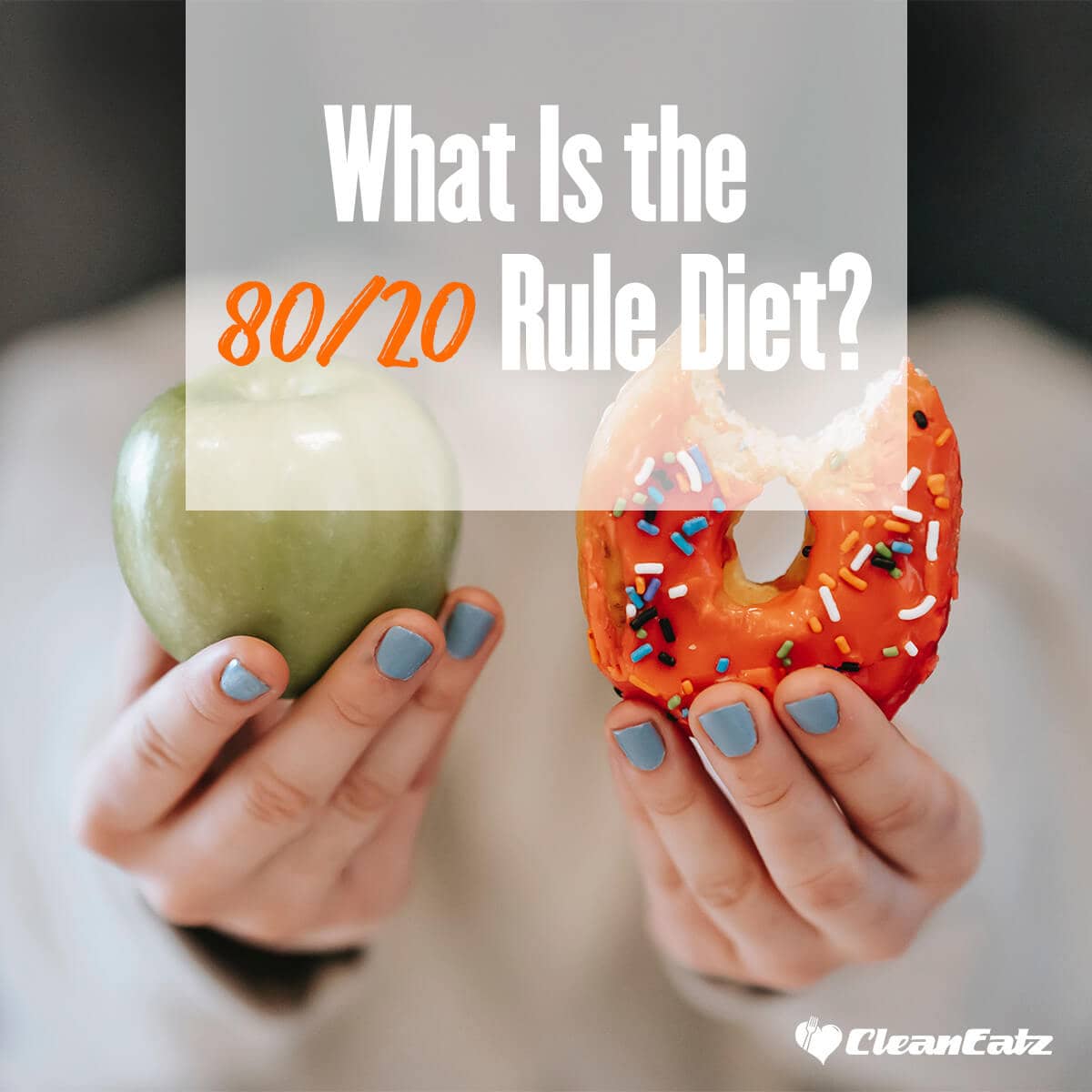
The 80/20 rule diet is a flexible approach to healthy eating that focuses on balance rather than strict rules or restrictions. It suggests that 80% of your diet should consist of nutrient-dense, whole foods, while the remaining 20% can be allocated to indulgences or treats.1
The underlying philosophy is simple: eating healthily most of the time provides your body with the nutrients it needs to function at its best. It's not so much a formal diet plan as a food philosophy that encourages balance and moderation rather than all-or-nothing thinking.
This approach addresses a common problem with restrictive diets. As registered dietitian Kristin Kirkpatrick explains, willpower alone doesn't work—it often makes people want the foods they're giving up even more.2 By building in flexibility, the 80/20 rule helps prevent the deprivation that leads to binge eating.
How Does the 80/20 Rule Diet Work?
Long-term weight management is challenging, and many people struggle to maintain strict diets for extended periods. The 80/20 approach works by removing the psychological burden of perfection while still encouraging nutritious choices most of the time.
You can apply the 80/20 rule in two main ways:
The daily approach: Eat three nutritious meals and allow yourself one treat or indulgence each day. This might look like a healthy breakfast, lunch, and dinner, plus a small dessert or glass of wine in the evening.
The weekly approach: Out of approximately 21 meals per week, about 17 are nutrient-dense choices while 4 can be more flexible. Some people find this approach easier because it allows for social meals on weekends without guilt.
Dietitians generally caution against using the weekly approach as an excuse for "cheat days" where you eat strictly during the week then overindulge on weekends. This can create an unhealthy restrict-binge cycle and leave you feeling sluggish.3 Instead, aim for consistent moderation throughout the week.
Benefits of the 80/20 Rule Diet
The 80/20 approach offers several advantages for both physical and mental health that make it particularly effective for sustainable healthy eating.
Psychological sustainability: Nothing is completely off-limits, which reduces feelings of deprivation that often lead to diet abandonment. When you know you can have a piece of cake at a birthday party, you're less likely to obsess over it or overeat when you finally allow yourself.
Improved relationship with food: Rather than labeling foods as "good" or "bad," this approach encourages viewing all foods as part of a balanced lifestyle. This can help reduce guilt and anxiety around eating.
Prevention of binge eating: Allowing yourself the occasional treat can help prevent the intense cravings that often lead to overeating. Research shows that moderate, regular indulgences are better for long-term weight management than strict restriction followed by binges.4
Nutrient adequacy: By focusing on whole foods 80% of the time, you naturally consume adequate vitamins, minerals, fiber, and protein to support overall health.
Flexibility for real life: The 80/20 rule can be adapted to any dietary preference—whether you're vegetarian, gluten-free, or following any other eating pattern. For a complete guide to weight-loss-friendly foods that can form your 80%, see our Best Foods for Weight Loss guide.
What Foods Make Up the Healthy 80%?
The foundation of the 80/20 approach is building most of your meals around nutrient-dense, minimally processed foods. Here's what that looks like in practice.
Fruits and Vegetables
Aim for at least five servings of colorful fruits and vegetables each day. Different colors indicate different nutrient profiles, so variety matters. These foods provide essential vitamins, minerals, fiber, and phytonutrients while being relatively low in calories.
Whole Grains
Choose whole grains like brown rice, quinoa, oats, and whole-wheat bread over refined grains. Whole grains retain their fiber and nutrients, helping you stay satisfied longer and supporting stable blood sugar levels. For more on how carbohydrates fit into a healthy diet, we've covered the science behind making them work for weight loss.
Lean Proteins
Include protein sources like chicken, fish, tofu, legumes, eggs, and low-fat dairy. These foods provide essential amino acids for building and repairing muscles, maintaining immune function, and keeping you feeling full after meals. Protein is particularly important for weight management because it has the highest satiety value of all macronutrients.
Healthy Fats
Incorporate sources like avocados, olive oil, nuts, and fatty fish. These fats support hormone production, nutrient absorption, and brain function. While calorie-dense, healthy fats are an essential part of a balanced diet and can actually help with weight loss when eaten in appropriate portions.
What About the 20%?
The 80/20 approach doesn't exclude any foods entirely, but it's still important to be mindful of your choices and portions during that 20% window. The flexibility exists to make healthy eating sustainable, not to undo your nutritious choices.
Your 20% might include a slice of pizza with friends, a scoop of ice cream after dinner, a few squares of dark chocolate, or a glass of wine with your meal. The key is that these indulgences enhance your life without derailing your overall nutrition goals.
Foods to enjoy in moderation include those high in added sugars, refined grains, saturated fats, and sodium. While not forbidden, consuming large amounts of processed snacks, sugary drinks, fried foods, and processed meats may not provide many nutrients and could contribute to health issues if they become a larger part of your diet.
How to Implement the 80/20 Rule
Getting started with the 80/20 approach doesn't require a dramatic overhaul of your eating habits. Here's a practical roadmap.
Assess your current eating patterns: Before making changes, spend a few days noting what you typically eat. This baseline helps you understand where your diet currently falls and where adjustments might be needed. You may find you're already close to 80/20 or that you need to shift the balance.
Define your personal 80%: Based on your nutritional needs, preferences, and any health conditions, determine what healthy eating looks like for you. This might involve consulting with a registered dietitian for personalized guidance.
Plan your meals: Meal planning and preparation is one of the most effective ways to ensure nutritious options are always available. When healthy food is convenient, you're more likely to choose it. Our Complete Meal Prep Guide walks you through building this into your weekly routine.
Build in your indulgences intentionally: Rather than "falling off the wagon," plan your treats. Knowing you have a dinner party on Saturday or a favorite dessert planned for Friday helps you stay consistent the rest of the time without feeling deprived.
Practice portion awareness: Even within your 20%, portions matter. A small cookie after lunch is different from half a pan of brownies. The goal is enjoyment without excess.
Tips for Long-Term Success
Making the 80/20 approach work for you requires developing sustainable habits. These strategies can help:
1. Focus on adding, not subtracting. Instead of thinking about what you can't eat, concentrate on incorporating more fruits, vegetables, whole grains, and lean proteins. As you add nutritious foods, less healthy options naturally become a smaller portion of your diet.
2. Prepare healthy options in advance. Having ready-to-eat nutritious meals eliminates the decision fatigue that often leads to poor choices. Prepping healthy snacks and meals on weekends can set you up for success all week.
3. Make smart swaps when dining out. When eating at restaurants, look for grilled proteins instead of fried, vegetable sides instead of fries, and salads with dressing on the side. These small choices help you stay closer to your 80% even in social situations.
4. Listen to your body. Pay attention to how different foods make you feel. You may notice that while a treat is enjoyable, eating too many leaves you sluggish or uncomfortable. This awareness helps you naturally gravitate toward better choices.
5. Be flexible and forgiving. Some weeks will be harder than others. A vacation, stressful period, or holiday might shift your ratio temporarily. Rather than viewing this as failure, simply return to your usual pattern when circumstances allow. Consistency over time—not perfection—is what matters.
6. Consider meal delivery for convenience. For busy weeks when meal prep isn't feasible, portion-controlled meal delivery can help you maintain your 80% without extra effort. Clean Eatz Kitchen meal plans offer calorie-controlled options that fit the nutritious portion of your diet, making healthy eating easier even on hectic days.
Final Thoughts
The 80/20 rule diet offers a refreshing alternative to rigid, all-or-nothing approaches to eating. By building in flexibility from the start, it acknowledges human nature and social realities while still prioritizing nutrition.
The most effective diet is ultimately one you can maintain. For many people, the 80/20 approach strikes the ideal balance—providing structure and guidance while allowing the freedom to enjoy food as one of life's pleasures. With its emphasis on balance, moderation, and self-compassion, this approach can help improve both physical health and your relationship with food.
Whether you're looking to lose weight, maintain your current weight, or simply eat more nutritiously, the 80/20 rule provides a sustainable framework that fits into real life.
Frequently Asked Questions
What is the 80/20 rule diet?
The 80/20 rule diet is a flexible eating approach where 80% of your food comes from nutrient-dense whole foods like fruits, vegetables, lean proteins, and whole grains, while 20% allows for indulgences and treats. It's designed to promote balance and sustainability rather than strict restriction.
Can you lose weight on the 80/20 diet?
Yes, the 80/20 diet can support weight loss when combined with portion control and an overall calorie deficit. By eating nutritious foods most of the time and allowing moderate treats, you naturally reduce calorie intake without feeling deprived. The flexibility helps prevent the binge eating that often derails restrictive diets.
How do you calculate 80/20 for eating?
You can apply 80/20 daily (3 healthy meals plus 1 treat) or weekly (about 17 nutritious meals and 4 indulgent ones out of 21 total). There's no need for precise calculations—simply aim to make most of your meals whole-food based while allowing occasional flexibility without guilt.
What foods count as the healthy 80%?
The healthy 80% includes fruits, vegetables, whole grains (brown rice, quinoa, oats), lean proteins (chicken, fish, beans, tofu), healthy fats (avocado, olive oil, nuts), and low-fat dairy. Focus on minimally processed, nutrient-dense foods that provide vitamins, minerals, fiber, and protein.
Is the 80/20 diet the same as having cheat days?
No, dietitians caution against treating 80/20 as a license for cheat days. Instead of being strict all week then overindulging on weekends, it's better to include small treats throughout the week. The cheat day approach can create an unhealthy restrict-binge cycle and digestive discomfort.
References
1 Freire, R. (2020). Scientific evidence of diets for weight loss: Different macronutrient composition, intermittent fasting, and popular diets. Nutrition, 69, 110549. https://www.ncbi.nlm.nih.gov/pmc/articles/PMC7238914/
2 Kirkpatrick, K. (2024). Interview on 80/20 diet approach. Healthline. https://www.healthline.com/nutrition/does-80-20-diet-actually-help-you-lose-weight
3 Harbec, M. (2024). What is the 80/20 Rule Diet? Today.com. https://www.today.com/health/diet-fitness/80-20-rule-diet-rcna40951
4 Meule, A., Westenhöfer, J., & Kübler, A. (2011). Food cravings mediate the relationship between rigid, but not flexible control of eating behavior and dieting success. Appetite, 57(3), 582-584. https://www.ncbi.nlm.nih.gov/pmc/articles/PMC7770496/