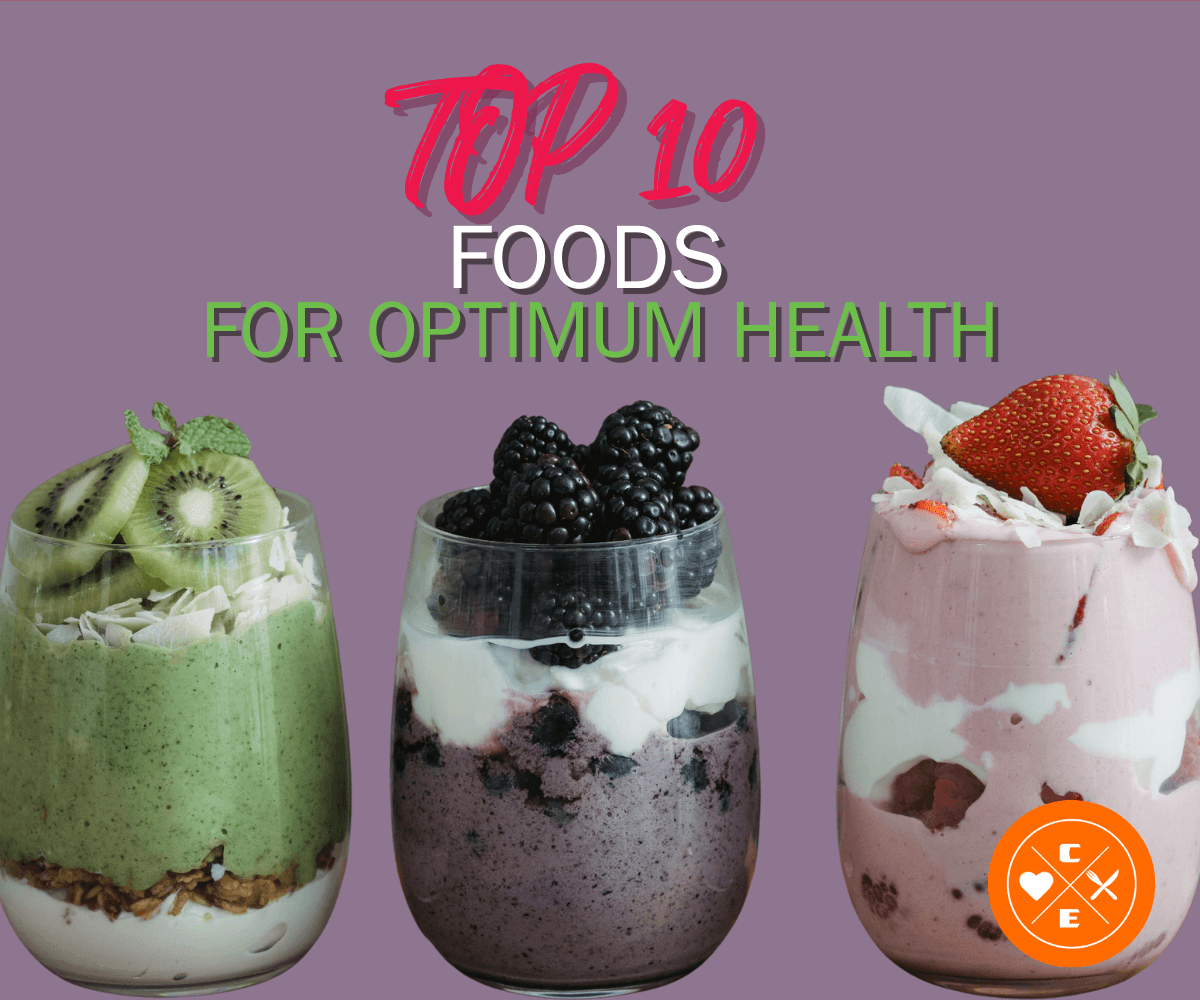

Quick Answer: The top 10 foods to eat daily for optimal health include leafy greens, blueberries, salmon, ground flaxseed, yogurt, carrots, broccoli, sweet potatoes, garlic, and whole grains. These foods provide essential nutrients including fiber, omega-3 fatty acids, antioxidants, probiotics, and phytochemicals that support brain health, heart health, gut health, and disease prevention.
In the ever-evolving world of nutrition, it's easy to get lost in the noise of diet trends and fads. Yet, amidst the clamor, some foods have stood the test of time, consistently emerging as the cornerstones of optimal health. These are not just foods; they're powerhouses, handpicked for their unmatched health benefits. As you embark on a journey to discover the very best foods to incorporate into your daily routine, allow us to guide you through a curated list of the top ten foods to eat daily for optimum health. This isn't just about eating, but about nourishing your body and soul, setting the stage for a life of vitality and vigor.
For an even more comprehensive look at nutrient-dense foods, explore our complete guide to the 100 best foods for weight loss, which covers everything from proteins to produce.
Discover the Top 10 Optimum Health Foods Selected by Our Expert Dietitian
1. Leafy Greens: These dark green veggies aren't just food; they are functional foods. Eating them isn't just about energy but tapping into a trove of nutrients like fiber, iron, vitamins A, C, and K, folate, and calcium. Research from Neurology found that people who ate approximately one serving of leafy greens per day had slower cognitive decline compared to those who rarely consumed them—the equivalent of being 11 years younger cognitively. Incorporate just a cup into your daily meals through salads, wraps, smoothies, or sautéed as a side dish.
2. Blueberries: An ideal pick among foods to eat daily for optimum health. With just half a cup daily, you're enriching your body with anthocyanins and other antioxidants that fight oxidative stress. These phytochemicals offer numerous health benefits, from anti-aging properties to reduced risk of heart disease. Studies show blueberries may improve memory and delay age-related cognitive decline. Add them to oatmeal, yogurt, smoothies, or enjoy them as a satisfying snack.
3. Salmon: Not just delicious, but a treasure of omega-3 fatty acids—specifically DHA and EPA. The American Heart Association recommends eating fatty fish like salmon at least twice per week for heart health benefits. Consuming salmon delivers both healthy fats and high-quality protein in a form your body absorbs better than supplements. Aim for two 3-4 oz servings weekly—baked, grilled, or added to salads.
4. Ground Flaxseed: A plant-rich source of alpha-linolenic acid (ALA), a type of omega-3, plus lignans and fiber. It's imperative to consume it ground rather than whole to unlock its full benefits—whole flaxseeds may pass through your digestive system undigested. Benefits include reducing cholesterol, supporting digestive regularity, and providing antioxidants. An easy addition to smoothies, oatmeal, or sprinkled on avocado toast. Start with 1-2 tablespoons daily.
5. Yogurt: Among the key optimum health foods, yogurt champions gut health. Fortified with probiotics (look for "live and active cultures" on the label), it strengthens your body's microbiome—the trillions of bacteria that influence everything from digestion to immunity to mood. Yogurt is also an excellent source of protein, calcium, B-vitamins, and potassium. Choose plain varieties and add your own fruit to avoid added sugars. For more on gut-supportive foods, see our guide to 20 prebiotic foods for gut health.
6. Carrots: Packed with phytochemicals, particularly beta-carotene and other carotenoids that your body converts to vitamin A. They promise optimal eye health, support immune function, and research suggests they may reduce the risk of certain cancers. One medium carrot provides over 200% of your daily vitamin A needs. Enjoy them raw as a crunchy snack with hummus, roasted as a side dish, or shredded into salads and slaws.
7. Broccoli: Enhance your gut health and protect against chronic disease with this green powerhouse. Broccoli contains sulforaphane, a compound studied extensively for its potential anti-cancer properties. It's loaded with vitamins C and K, fiber, and folate. One cup of cooked broccoli provides more vitamin C than an orange. Steam it lightly to preserve nutrients, roast it for crispy edges, or add it raw to salads. It's an easy add-on to any meal and pairs well with virtually any protein.
8. Sweet Potatoes: Vibrant and filled with vitamins A, C, and B6, plus potassium, fiber, and manganese. They're crucial foods to eat daily for optimum health, especially for those aiming to build a defense against chronic disease and support bone health. Unlike white potatoes, sweet potatoes have a lower glycemic index, meaning they won't spike blood sugar as dramatically. Bake them whole, cube and roast them, or mash them as a nutritious side dish.
9. Garlic: A little might affect your breath, but its benefits for heart health and reducing oxidative stress are unparalleled. Garlic contains allicin, a compound with antimicrobial and antioxidant properties. Research links regular garlic consumption to lower blood pressure and improved cholesterol profiles. It also acts as a prebiotic, feeding the beneficial bacteria in your gut. Use 2-3 fresh cloves daily as a flavor base for soups, stir-fries, roasted vegetables, and marinades.
10. Whole Grains: From oatmeal to brown rice, quinoa to barley, they're an imperative part of the optimum health foods list. With high fiber content, whole grains offer protection against heart disease, type 2 diabetes, and digestive issues. They provide sustained energy without the blood sugar spikes of refined grains. The Harvard School of Public Health recommends making at least half your grains whole grains. Swap white rice for brown, choose whole grain bread, and start your day with oats.
Putting It All Together
Ensuring a diet packed with these optimum health foods is like gifting your body the promise of longevity, strength, and vitality. While we often get lost in the myriad of diet fads and trends, focusing on these foods to eat daily for optimum health will set the foundation for a robust health regime.
The good news? You don't have to overhaul your entire diet overnight. Start by adding one or two of these foods to your current routine, then build from there. Small, consistent changes compound into significant health improvements over time.
For guidance on building balanced meals that incorporate these foods, check out our article on how to create a balanced plate for optimal nutrition. And if time is a barrier, our healthy meal plans include many of these nutrient-dense ingredients—already portioned and ready to heat.
Embrace these recommendations and let food be the medicine for a healthier tomorrow!
Crystal Zabka-Belsky, MS, RDN, CSSD, LMNT, LDN
Resident Dietitian, Clean Eatz Kitchen
FAQ
What are the benefits of eating these optimum health foods daily?
These foods have been selected for their unmatched health benefits backed by research. Benefits include promoting cognitive health and slowing age-related decline, providing anti-aging antioxidants, supporting heart health with omega-3 fatty acids, boosting gut health with probiotics and fiber, and reducing the risk of chronic diseases including cancer and heart disease. Consuming them daily ensures a holistic approach to nutrition.
Why should I focus on these specific foods instead of following diet trends?
While diet trends come and go, these foods have consistently stood the test of time as powerful agents of optimal health. Handpicked by expert dietitians, they are functional foods that offer benefits beyond basic nutrition—from antioxidants and omega-3s to probiotics and fiber. Building your diet around these foundational foods creates a sustainable approach to health that isn't dependent on fads.
How can I incorporate these optimum health foods into my daily routine?
Start small and build habits gradually. Add leafy greens to salads, wraps, or smoothies. Top your morning oatmeal or yogurt with blueberries. Include salmon twice weekly. Sprinkle ground flaxseed on avocado toast or into smoothies. Use garlic as a flavor base for most savory dishes. Choose brown rice or oatmeal over refined grains. The key is making small, intentional choices rather than overhauling everything at once.
How much of each food should I eat daily for optimal health?
Aim for at least 1 cup of leafy greens daily, ½ cup of blueberries or other berries, two 3-4 oz servings of fatty fish like salmon per week, 1-2 tablespoons of ground flaxseed daily, 1 cup of yogurt with live cultures, and at least 3 servings of whole grains. For vegetables like broccoli, carrots, and sweet potatoes, aim for a combined 2-3 cups of varied vegetables daily.
Can I get these nutrients from supplements instead of whole foods?
While supplements have their place, whole foods provide benefits that pills cannot replicate. For example, salmon delivers omega-3s along with protein and other nutrients in a form your body absorbs efficiently. Whole foods also contain fiber, phytochemicals, and nutrient combinations that work synergistically. The research consistently shows that nutrients from food outperform isolated supplements for most people.